





Introduction — Why picking a neighborhood near Santiago de Compostela’s Cathedral makes all the difference
Choosing a place to stay in Santiago de Compostela is about more than just a bed: it defines the kind of experience you’ll have in a city where history, faith, food and everyday life all gravitate around a single focal point — the Cathedral of Santiago. For travelers, staying near the cathedral means shorter walks, different atmospheres at any hour, and an optimized plan to visit museums, markets, restaurants and places of worship without long commutes. This guide is for those seeking a balance between historic immersion, modern comforts and practical tips to find the neighborhood that really fits their expectations.
The Old Town (Casco Histórico), the Alameda park, the Ensanche area and the neighborhoods around the university campus all offer very different vibes and a variety of services. Some visitors want the nonstop buzz of the old city and immediate proximity to the Cathedral of Santiago (Praza do Obradoiro, s/n, 15705 Santiago de Compostela), while others prefer the leafy calm of the Alameda or the modern comforts of hotels in the Ensanche. Choosing a neighborhood also means thinking about opening hours of key sites — for example the Cathedral, usually open for self-guided visits from 7:00 to 21:30, or the Mercado de Abastos (Rúa de Franco, 15704 Santiago de Compostela), which mainly operates in the mornings — and the accessibility of restaurants and transport links.
This guide breaks down neighborhoods, nearby attractions with full addresses, price ranges in euros and indicative opening times, plus local tips to help you make the most of your stay. You’ll also find concrete recommendations: hotels and hostels, classic restaurants like Casa Marcelo (Rúa das Hortas, 1), markets to sample Galician produce and walking routes that let you enjoy a visit centered on the cathedral.
Whether you’re coming on pilgrimage, for a cultural weekend or for a food-and-history immersion, where you bed down will shape your mornings (masses, sunrise over the Praza do Obradoiro), your evenings (tapas along Rúa do Franco) and your day trips (e.g. Alameda Park, Museo do Pobo Galego). This guide will show you how to assess comfort, quiet, accessibility and value in each area so you can design a coherent, tailor-made itinerary for your stay.
1) Casco Histórico: live steps from the Cathedral — full immersion
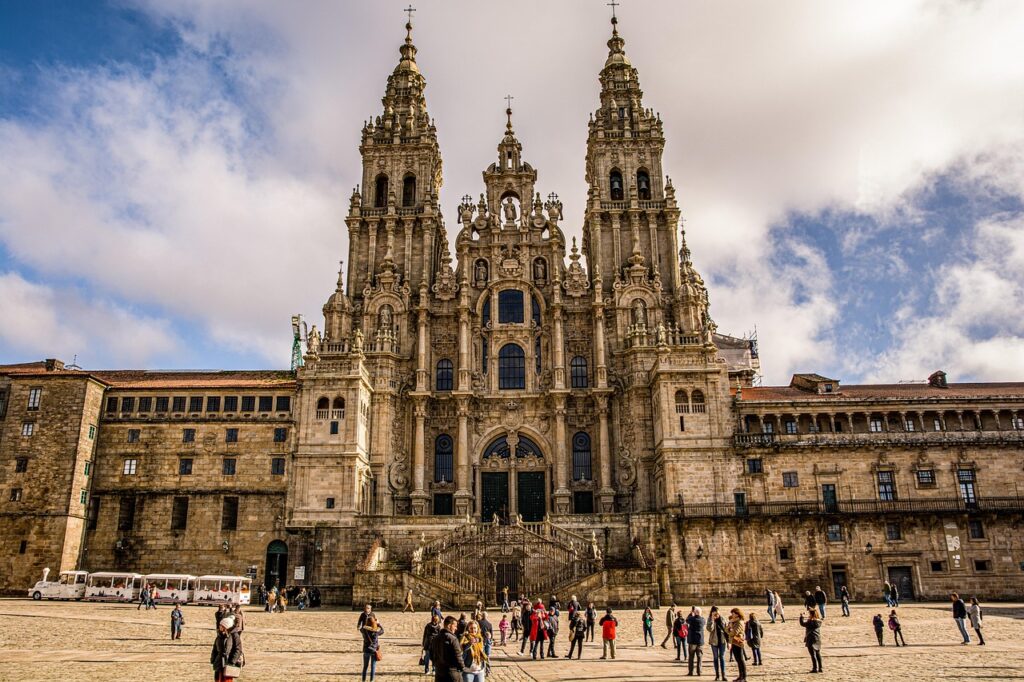
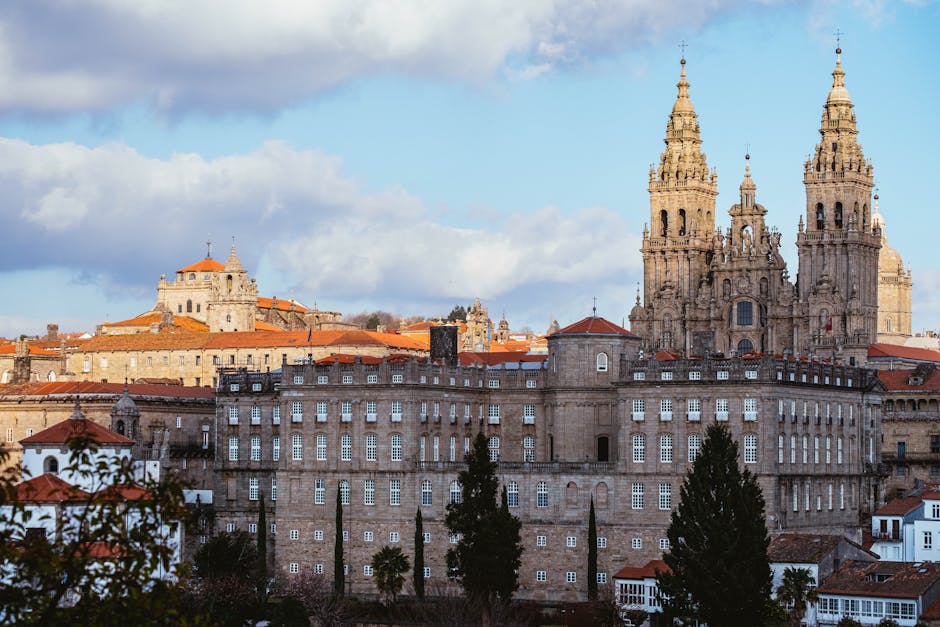
The Casco Histórico (Old Town) is the most sought-after neighborhood for anyone who wants to sleep practically on the doorstep of the Cathedral of Santiago. Staying here means waking to the sound of bells and often having a direct view of the cathedral’s majestic baroque façade on the Praza do Obradoiro. Central address: Praza do Obradoiro, s/n, 15705 Santiago de Compostela. Accommodations range from hostels to grand palace-hotels. Iconic example: Parador de Santiago – Hostal dos Reis Católicos, Praza do Obradoiro, s/n, 15705 Santiago de Compostela. Check-in: 14:00, check-out: 12:00. Indicative rates: double rooms from €200 to €350 per night depending on season; breakfast may be included (expect an extra €20 if not).
Advantages:
- Minimal walking time: 0–5 minutes on foot to reach the Cathedral (Praza do Obradoiro).
- Historic atmosphere: centuries-old stone, cobbled lanes, artisan shops and religious services visible from your room.
- Measured nightlife: bars and restaurants stay open late along Rúa do Franco and Rúa da Raíña, perfect for late dinners after evening mass.
Drawbacks:
- Prices: accommodations and restaurants here are often the priciest in the city. Examples: tapas on Rúa do Franco €2–6; restaurant set menus around €20–40 per person; for a Michelin-style place like Casa Marcelo (Rúa das Hortas, 1) tasting menus range €55–85.
- Crowds: tourists and pilgrims fill the area throughout the day; mornings can be noisy if your room faces the square.
Nearby sites and services:
- Cathedral of Santiago — Praza do Obradoiro, s/n, 15705 Santiago de Compostela. Indicative visiting hours: 7:00–21:30; main pilgrim mass (Misa del Peregrino) usually at 12:00 (check the official calendar). The Botafumeiro (the monumental thurible) is used during major ceremonies (donation and special scheduling required; ask at the Tourist Office on Praza do Obradoiro).
- Monastery of San Martín Pinario — Praza da Inmaculada, s/n, 15704 Santiago de Compostela. Museum and church: 10:00–19:00; museum fee around €3–6.
- Tourist Office — Praza do Obradoiro; opening hours vary, often 9:30–20:00; information, tickets and audio guides available.
2) Rúa do Franco and Rúa da Raíña: food-focused, lively — where to eat and go out
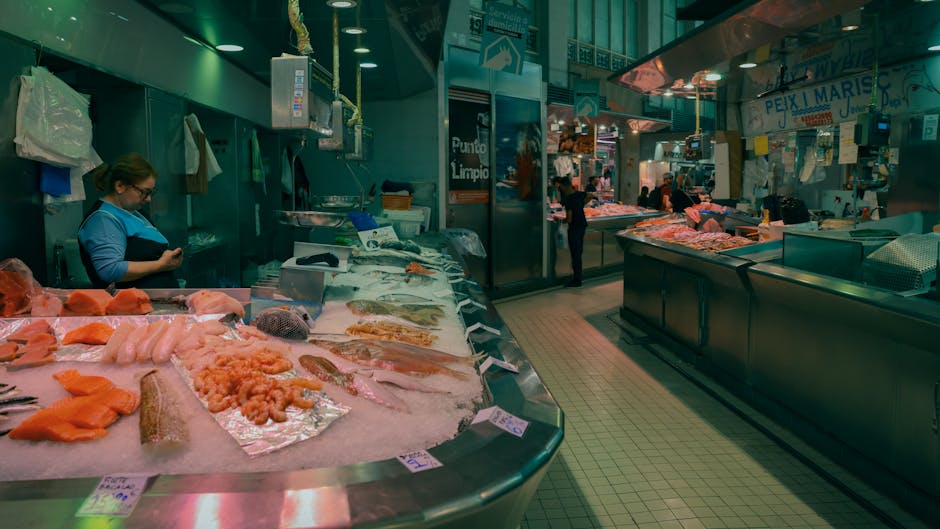
Rúa do Franco and Rúa da Raíña are the culinary heart of the Old Town. Rúa do Franco is famous for its tapas bars and seafood restaurants, while Rúa da Raíña has a younger vibe with cafés and wine bars. Reference address: Rúa do Franco, 1–25, 15704 Santiago de Compostela. The Mercado de Abastos, the hub for local produce, is located at Rúa de Franco, 1, 15704 Santiago de Compostela — generally open 7:00–15:00 from Tuesday to Sunday (many stalls are closed Monday mornings).
Gastronomic highlights:
- Mercado de Abastos — Rúa de Franco, 1, 15704 Santiago de Compostela. Quick lunch and on-site tasting: pulpo tapa often €3–6, seafood platters €10–25 depending on selection; hours 7:00–15:00 (interior restaurants vary, some open from 12:00).
- Casa Marcelo — Rúa das Hortas, 1, 15702 Santiago de Compostela. Fine dining (1 Michelin star). Hours: dinner by reservation, some lunch services 13:30–15:00 on certain days, dinner 20:30–22:30; tasting menu around €55–85 per person depending on season.
- O Gato Negro — Rúa de Franco (exact terrace number varies). Specialty: traditional tapas; tapas €2–6, share plates €10–20.
Atmosphere and practicality:
Staying on these streets means stepping out for dinner or drinks on foot until late. Evenings can be lively, especially in high season. Ideal for travelers who don’t want to move much and who want to enjoy neighborhood life: morning markets, a coffee break around 11:30 and dinner at 22:00, following local rhythms. Local tip: to avoid Rúa do Franco’s busiest spots, try nearby Rúa da Raíña and Rúa Nova, which offer quieter alternatives with equally good restaurants.
3) Alameda and the heights: calm, panoramic views and walks
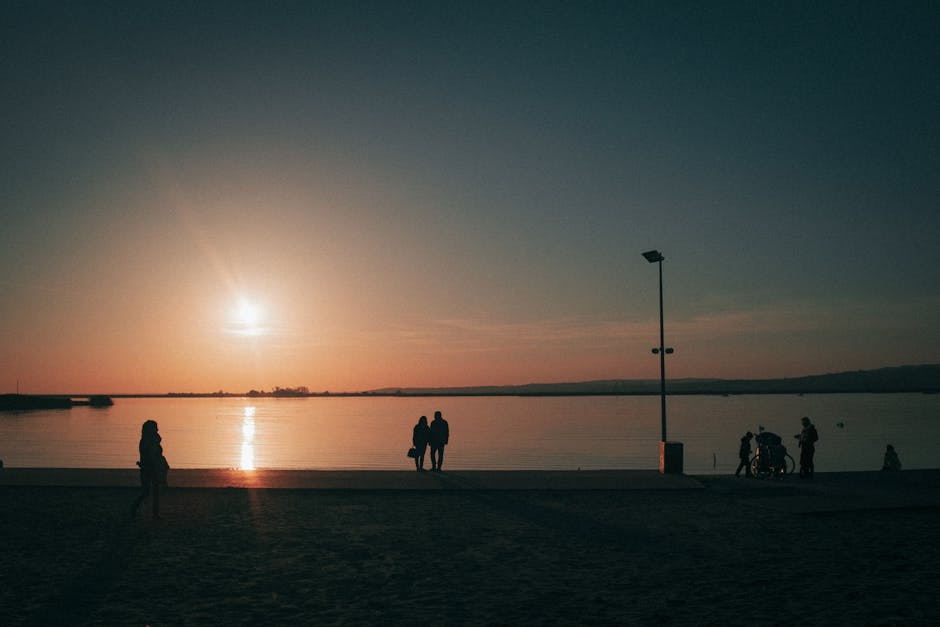
The Alameda is the green lung a few hundred meters from the Old Town. A favorite promenade for locals to watch the sunset over the Cathedral, the Alameda strikes the perfect balance between tranquillity and quick access to the monuments. Main address: Alameda, 15705 Santiago de Compostela (the promenade and Mirador da Alameda). Nearby streets (Rúa da Conga, Rúa do Hórreo) offer apartments and boutique hotels for those who want to be 5–10 minutes on foot from the center without the hustle and bustle.
Why choose the Alameda:
- Quiet and greenery: shaded benches, gardens, a playground for kids and a direct perspective on the old town and Cathedral.
- Viewpoints: Mirador da Alameda provides one of the most photographed panoramas of Praza do Obradoiro at sunset — great for photos without the morning crowds.
- Nearby cafés and small shops: local bakeries (bread and empanadas €1.50–3.50), cafés for breakfast €1.50–3.50 for coffee and pastry.
Transport and access:
From the Alameda the Cathedral is a 5–12 minute walk depending on your starting point. It’s also a strategic spot if you plan to rent a car or use local buses — several lines serve the center, and taxi ranks are a short walk from Praza de Galicia. Typical accommodations: charming apartments €70–120 per night; 3-star hotels €60–100; rooms with Cathedral views often pricier (€100–180).
Local tips:
- Book hotels with breakfast included if you expect long days of sightseeing; having breakfast on a terrace in the Alameda is a very local experience.
- If you like running, the Alameda loop makes for a flat, safe circuit ideal at sunrise.
- Check which way your room faces: rooms overlooking the Cathedral offer views but may be exposed to noise from religious services and morning tourists.

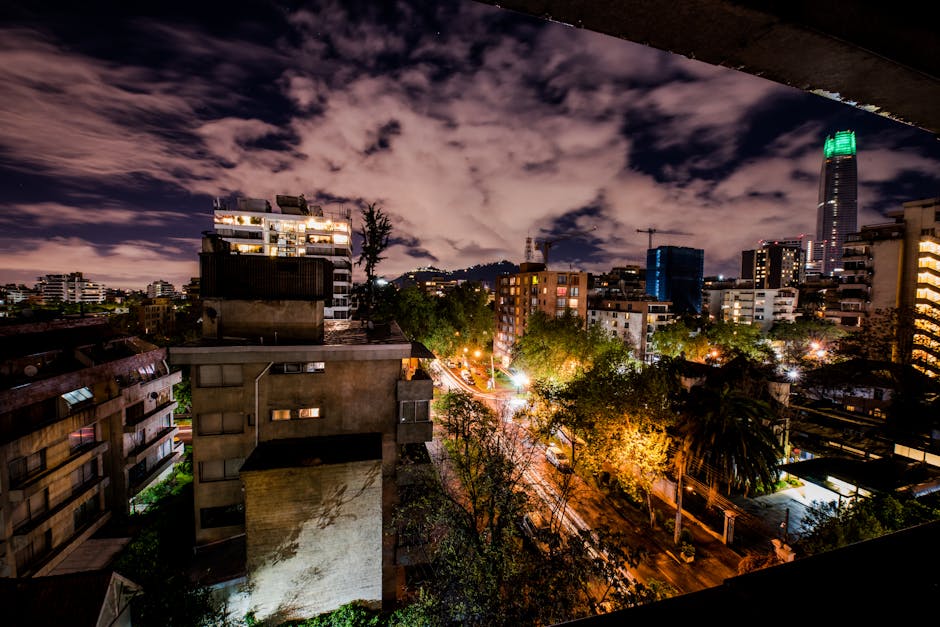
4) Ensanche and the train station: modern comfort and connections
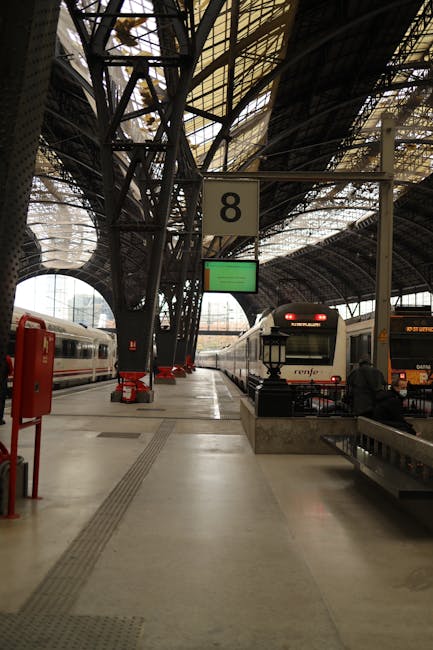
The Ensanche, built after the Old Town, is the pick for travelers who value modern comfort, easy transport links and often more competitive rates. Reference streets: Rúa de Barcelona / Rúa de San Pedro, area codes 15703–15705 Santiago de Compostela. The main railway station (Estación de Santiago de Compostela) is at Praza de Galicia, s/n, 15702 Santiago de Compostela — walking time to the Cathedral is roughly 15–20 minutes or 5–10 minutes by taxi (taxi fare €4–8 depending on the ride).
Strengths of the Ensanche:
- Modern hotels: 3-star rooms from €50–80; 4-star from €90–150. Example: NH Collection Santiago de Compostela (Rúa Cervantes 2, 15702 Santiago de Compostela) — buffet breakfast €12–18 per person, check-in 14:00.
- Transport links: train and bus stations nearby, regional buses for day trips (A Coruña, Pontevedra, Finisterre).
- Services: shopping centers, pharmacies (sometimes open until 22:00), groceries and international restaurants.
Ideal for:
Business travelers, families with luggage, or anyone who prefers larger rooms and modern amenities (elevators, air conditioning, gyms). The area is also practical for those arriving by train or bus who don’t want to haul bags through the cobbled alleys of the Old Town.
Practical tips:
- Factor in an extra 10–20 minutes of walking to the Cathedral — not a problem if you like strolling, but it can be inconvenient for very early visits or tired pilgrims.
- Hotels in the Ensanche often have steadier off-season rates; compare deals that include parking if you’re driving (parking €10–20 per night).
- If arriving by train, check shuttle schedules and taxi availability outside the station (taxis are usually easier with heavy luggage).
5) Alternative accommodations and practical tips for a successful stay
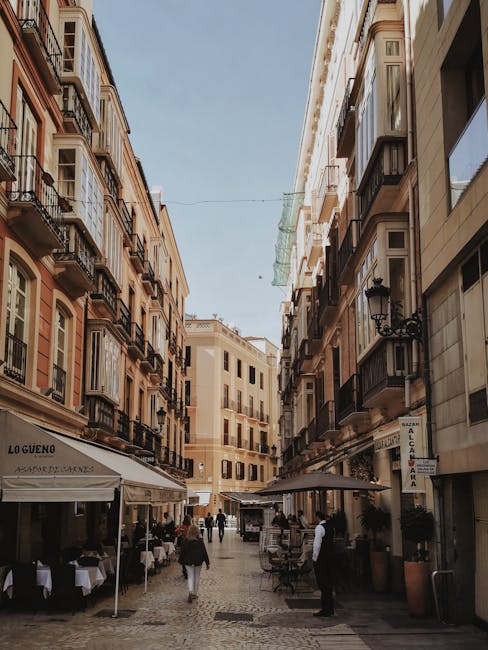
Beyond the neighborhoods described, many alternative options let you tailor your stay: hostels, Airbnb apartments, monastery-hotels and rural lodgings in the metropolitan area. Hostels in the Old Town offer dorm beds from €12–30 per night; private apartments typically rent for €60–150 per night depending on size and proximity; religious guesthouses (tipo hostal) can be more budget-friendly and offer a contemplative atmosphere (rates vary, often €40–100).
Practical booking tips:
- Book early: high season (May–September) and pilgrimage peaks (St. James celebrations around July 25) see prices surge and availability disappear. If you want to stay in the Casco Histórico, book at least 2–3 months ahead.
- Check opening hours: many places reduce reception hours in low season; if arriving late, confirm check-in procedures in advance.
- Ask for the view: request a Cathedral view when booking if that’s important to you (may incur a surcharge).
Safety and comfort:
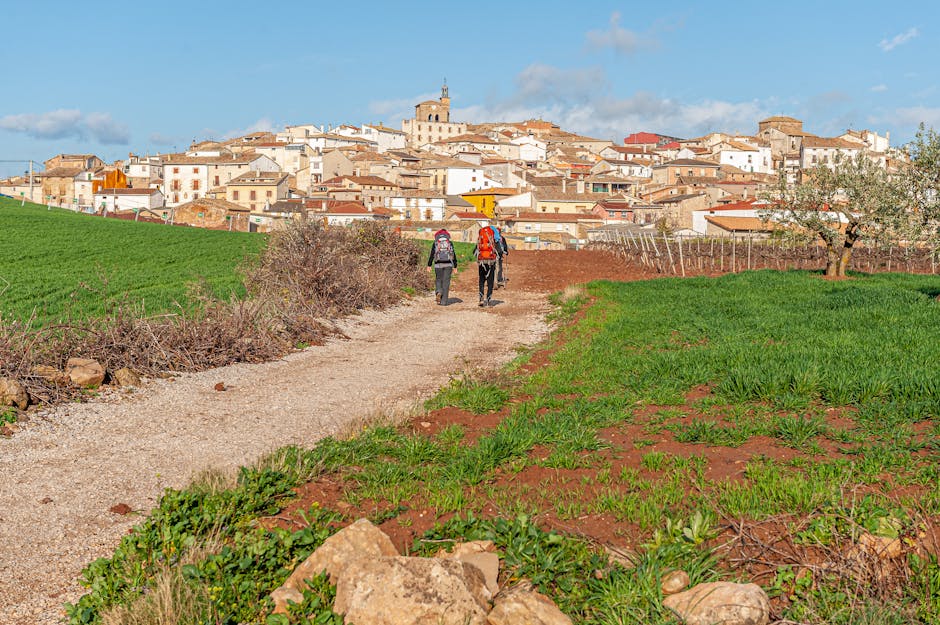
Santiago is generally a safe city; the center’s streets are well frequented. If you need guaranteed quiet, avoid rooms facing Praza do Obradoiro if you’re sensitive to bell noise or nighttime activity. Pilgrims can find refuges along the Camino offering very low-cost beds (donation or €5–10 per night). Finally, check cancellation policies — hotels often have flexible options, while promotional rates can be non-refundable.
Last-minute local tips
– Buy a “pulsera turística” or look for combined museum tickets (if available) to save on multiple visits. The Museo do Pobo Galego (Praza de Cervantes, s/n, 15704 Santiago de Compostela) showcases Galician culture — hours often 10:00–14:00 and 16:00–20:00; admission around €3–5.
– To see the Botafumeiro in action (during major masses), enquire in advance at the Tourist Office or directly at the Cathedral sacristy; special ceremonies are announced and sometimes require reserved tickets.
– Tapas at the Mercado de Abastos offer excellent value; try pulpo a feira (Galician-style octopus) and local canned seafood (tinned fish €3–8).
Conclusion — Choose wisely for a memorable stay
Picking your neighborhood in Santiago de Compostela comes down to priorities: historic immersion, lively food scenes, leafy calm or modern comfort with connections. The Casco Histórico drops you into the heart of history and religious ceremonies with immediate access to the Cathedral of Santiago (Praza do Obradoiro, s/n, 15705 Santiago de Compostela), but at the cost of more crowds and sometimes higher prices. Rúa do Franco and Rúa da Raíña bring vibrant culinary life and busy markets like the Mercado de Abastos (Rúa de Franco, 1, 15704 Santiago de Compostela), while the Alameda provides tranquillity, panoramic views and a more local pace. The Ensanche and the station area are the pragmatic choice for travelers wanting modern comforts and easy links to other Galician destinations.
The prices cited in this guide are meant as reference points: double rooms in paradores or palaces €200–350; 3–4 star hotels €60–150; hostels and dorms €12–30; simple market meals €3–15; mid-range restaurants €20–40; fine-dining (Casa Marcelo) €55–85. Opening hours are generally stable (Cathedral 7:00–21:30; Mercado de Abastos 7:00–15:00; museums 10:00–20:00) but vary by season and religious festivals — always double-check before you head out. Pilgrims should look into refuges on the Camino that offer very economical options and a shared atmosphere.
Above all, think about the overall experience you want: waking up facing the Cathedral, lunch at the Mercado de Abastos, sunset from the Alameda and a mass with the Botafumeiro — these moments will depend a lot on where you put down your suitcase. Choose the neighborhood that matches how you want to feel: the echo of footsteps on ancient stones, the smell of coffee in a morning street, or the calm of a terrace under the trees. With these practical details (exact addresses, opening windows, price ranges) and the local tips provided, you’re ready to plan a coherent and unforgettable stay centered around Santiago de Compostela’s Cathedral.