





Introduction — Vegan markets, shops and keepsakes to bring home from Santiago de Compostela
Santiago de Compostela is a city where local food blends with history, pilgrimage culture and a thriving scene of small artisan shops. For vegan travellers, the good news is that Galicia’s capital now has a network of markets, herbal shops and delicatessens offering genuinely local, 100% plant-based items or products that are easy to adapt at home. This article is a practical, on-the-ground guide to help you find and bring back authentic, sustainable vegan-friendly goods: seaweeds harvested in the Ría, artisanal vegetable preserves, regional flours and legumes, sea salts, single-varietal oils and vinegars, plus typical snacks and condiments that travel well.
Below I detail the must-see markets and shops, with exact addresses, usual opening times, approximate price ranges in euros, sensory descriptions of stalls and packing and storage tips. You’ll also learn how to haggle politely, which labels to look for (organic, ecológico, artesanal) and tricks to avoid hidden non-vegan ingredients in traditional preparations. The information is based on local practices and standard opening hours, but remember seasons (February vs. August) and public holidays can change schedules: a quick phone call before you head out often helps.
The items I recommend aren’t just souvenirs — they’re ingredients that extend your Galician experience back home. Picture making an aromatic broth with Ría seaweeds, cooking high-quality fabas grown in Galicia, or dressing salads with a locally aged oil and vinegar bought from a neighbourhood shop. I’ll finish with practical packing and transport tips so your vegan treasures arrive home in top condition.

Mercado de Abastos de Santiago — The go-to for fresh produce and seaweed (Praza de Abastos)
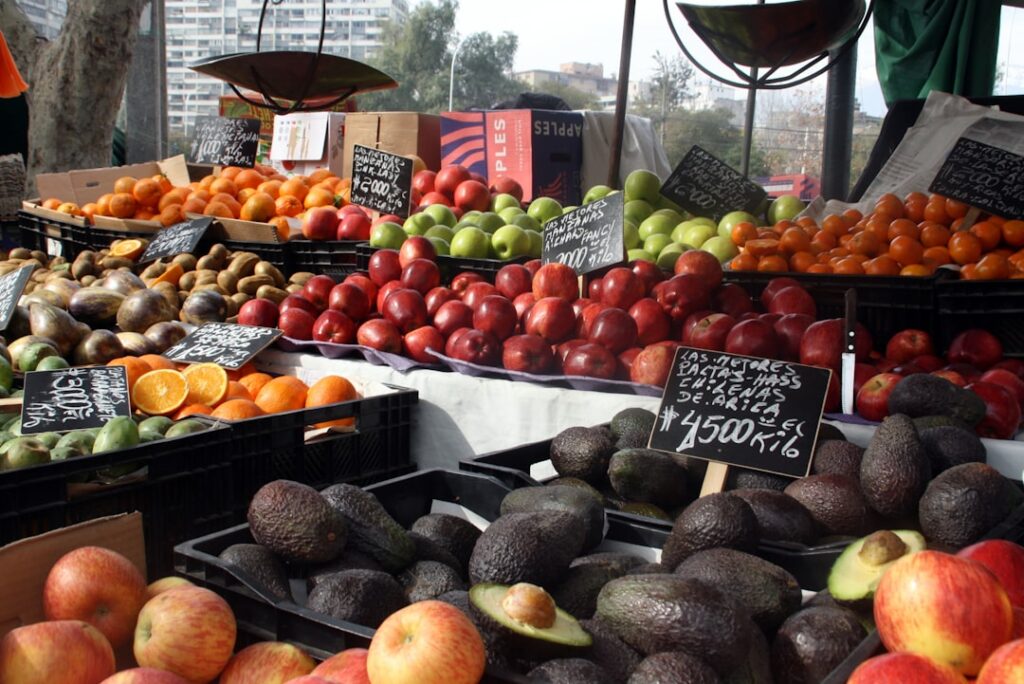
The Mercado de Abastos de Santiago (Praza de Abastos, s/n, 15705 Santiago de Compostela, A Coruña) is the beating heart of the city’s food supply. Nestled against the Old Town and less than 200 metres from the Cathedral, this covered market is packed with fishmongers, vegetable stalls, charcuteries, small canneries and regional product stands. It’s typically open Monday to Saturday from 08:00 to 15:00 (some stalls open earlier and a few shops stay open later for restaurant clients). On Sundays the market is closed, though some street kiosks may appear around the cathedral.
For vegans, focus on:
- Fresh and dried seaweeds — Look for stalls labelled « algas » or « algas marinas. » You’ll find dulse (dillisk), nori and wakame, usually in 20–100 g packs. Price guide: €3.50–12.00 depending on type and quality (20 g ≈ €3.50–5.00; 50 g ≈ €8–12).
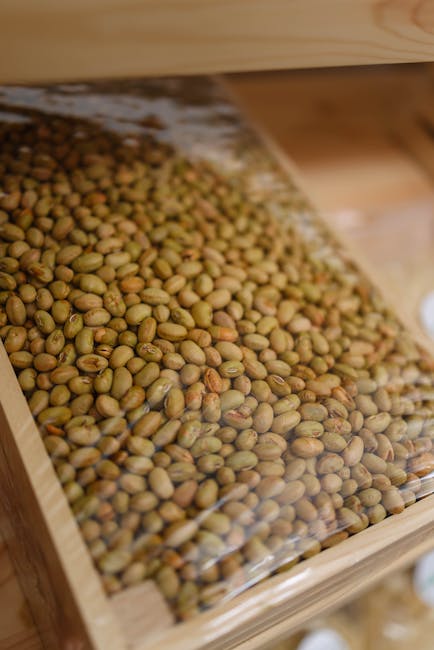
- Local legumes — Fabas de Lourenzá and other Galician beans sold in 500 g bags for about €2.50–6.00 depending on rarity. These legumes are flavourful and ideal to take home.
- Root vegetables and artisanal preserves — Jars of piquillo peppers, roasted pepper preserves, artichokes in oil: around €3–6 for small jars (200–300 g).
The market is also a great place to find specialty breads (some bakers offer sourdoughs made without butter or milk) and local flour (1 kg sack ≈ €1.50–3.00), perfect for home baking.
Practical tips: always ask whether a preparation contains squid or fish broth — some vegetable stalls occasionally use animal-based sauces to make preserves. Pack moist items (fresh seaweed, opened jars) in airtight bags and pop them in insulated pouches to avoid leaks.
Feiras e mercadillos — Street markets and organic fairs (Praza do Toural, Praza Roxa)
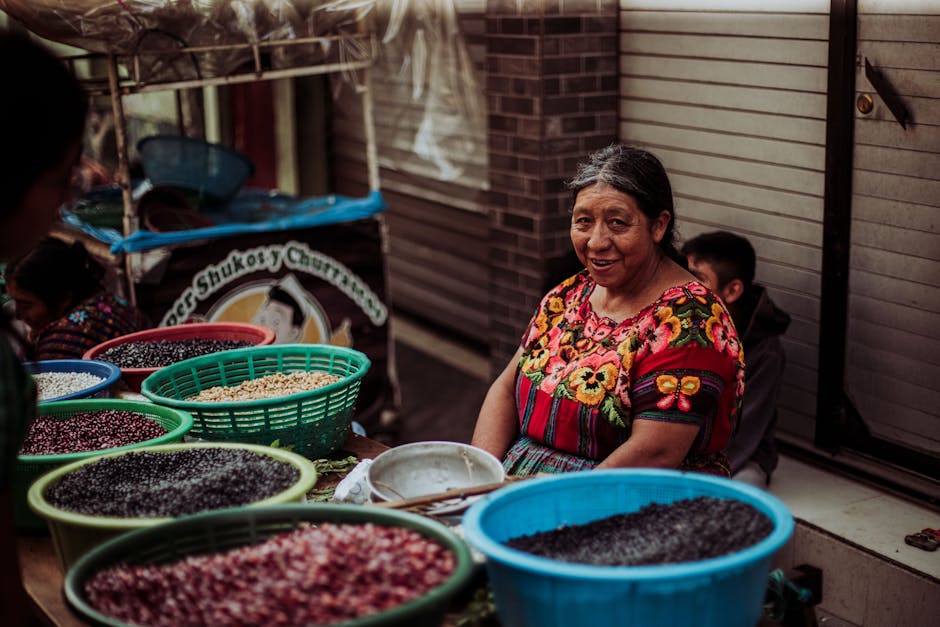
Beyond the Mercado de Abastos, Santiago regularly hosts feiras (fairs) and producers’ markets where you’ll find a selection of organic and artisanal goods often better suited to vegan diets. Two common locations are Praza do Toural (Old Town, near Rúa do Vilar) and Praza Roxa (Campus Vida / Rua de San Pedro area). Organic weekly markets (Feira Ecolóxica) tend to run on Saturday mornings — roughly 10:00–14:00 — but check the municipal calendar for exact dates.
Valuable finds include:
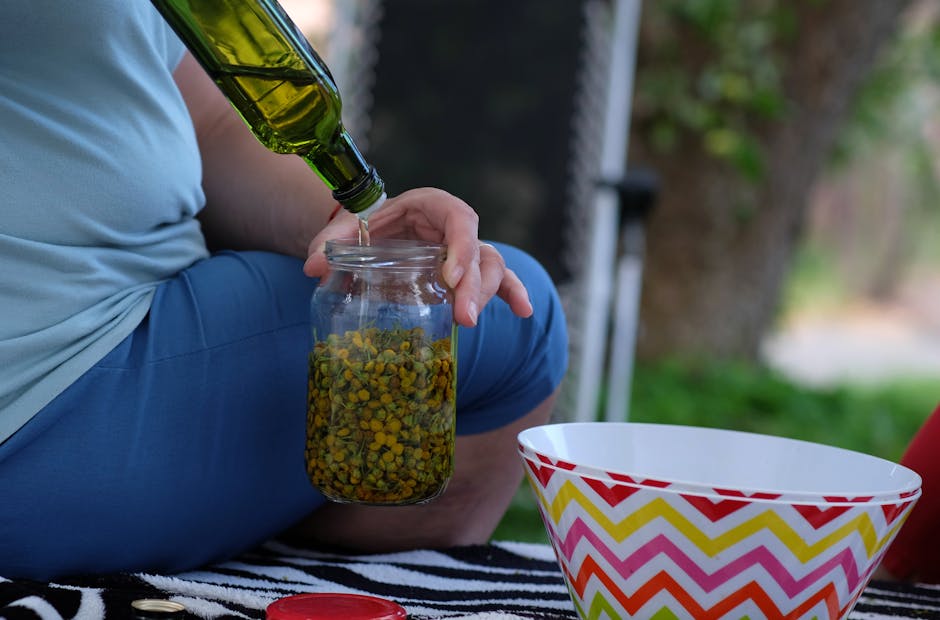
- Artisanal oils and vinegars — 250–500 ml bottles, single-varietal olive oils or local blends (€8–18). Cider vinegars or those flavoured with honey (watch out if you avoid honey): €4–10.
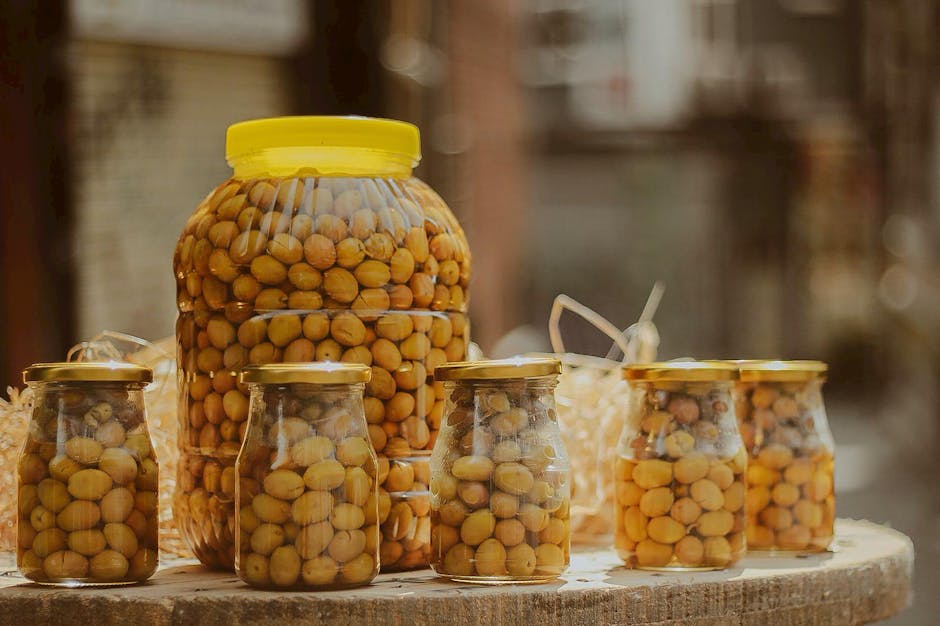
- Vegetable preserves and pickles — jars of seasoned olives, sun-dried tomatoes in olive oil, wild mushroom preserves: €3–7 per jar.
- Handmade vegan snacks — seed crackers, vegan biscuits (some stalls offer egg-free pastries), and grain cakes: €2–6 per item/packet.
Producers at these markets are usually happy to explain how their products are made: how seaweeds are collected, the origin of the beans, and whether there’s organic certification (« ecológico »/ »bio »). That lets you buy with confidence and pick up tasting tips.
Specialty shops and herbalists — Where to find rare ingredients and vegan substitutes
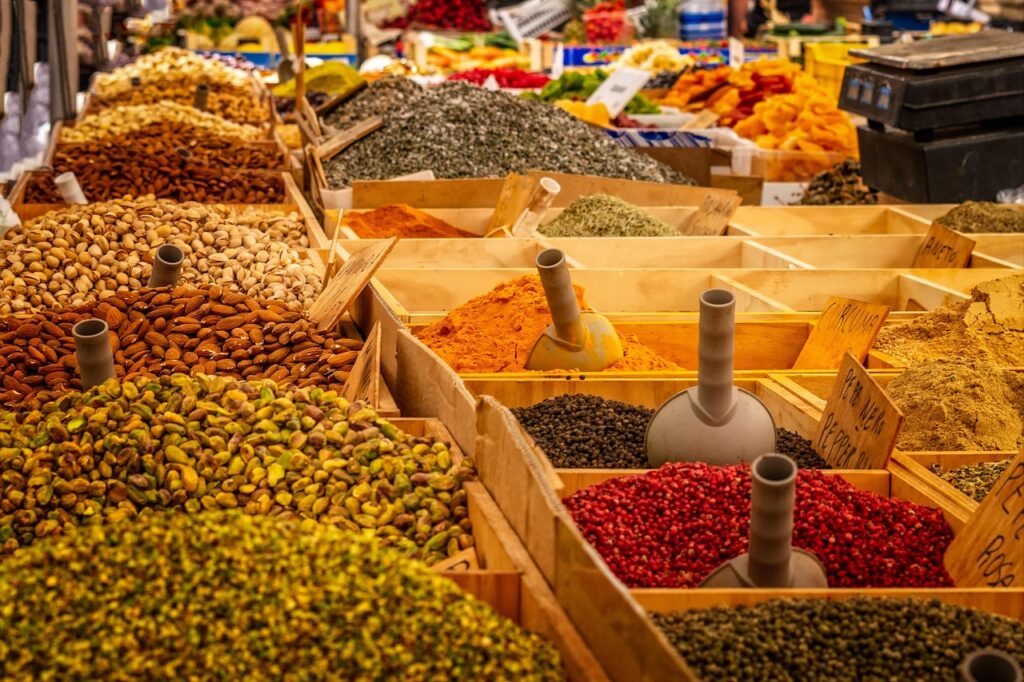
Santiago has several herbalists and specialty grocers offering more sustainable options and ingredients that are hard to find in supermarkets. Look for « herbolario » or « eco tienda » while you’re out. Typical examples (addresses are indicative — check seasonal openings): a university-area herbolario and small shops on Rúa do Franco and Rúa da Raíña. Common opening hours: Monday–Saturday 10:00–14:00 / 17:00–20:30.
Items to prioritise:
- Loose dried seaweeds — packs of 25–100 g, well-sealed for travel (€3–10).
- Starches and alternative flours — buckwheat flour (muy gallego), cornmeal, chickpea flour: €1.50–4.50 per kg depending on type and organic status.
- Protein substitutes — textured soy protein, artisanal seitan, seasonal local vegan pâtés: €2–6 per packaged portion.
- Galician spices and condiments — smoked sea salt from the Ría (100–250 g pack ≈ €2–6), sweet paprika, and local pimentón varieties.
Herbalists also sell infusions and blends of Galician wild plants (digestive or relaxing teas): 20 g sachets ≈ €2–5.

Delicatessens and zero‑waste shops — Responsible buys and packaging options
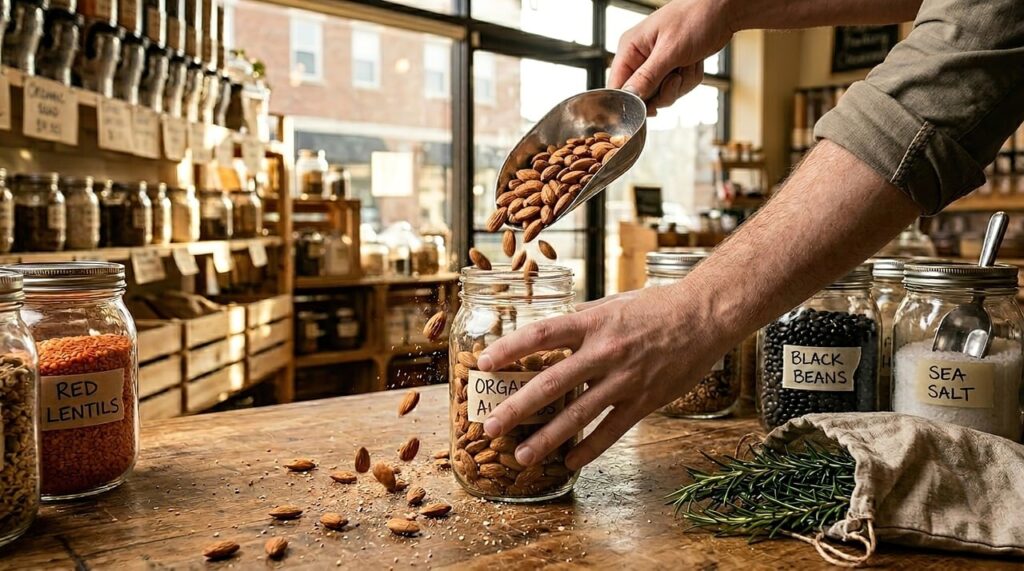
For practical and responsible souvenirs, head to delicatessens and zero‑waste shops that offer bulk refills and reusable packaging. Several spots in the centre provide:
- olive oil and vinegar refill stations (bring your own bottle or buy a reusable container);
- bulk cereals and legumes: 500 g–1 kg bags from about €1.50;
- concentrated vegan « caldo » kits, dehydrated vegetable broths (check ingredients to avoid animal extracts): €4–9.
These shops often open 10:00–20:00 on weekdays and close between 14:00–17:00 for lunch in low season. The real advantage is they offer travel-ready packaging (vacuum bags, airtight containers) and advice on exporting food items.
Local tips for packing, transporting and declaring your purchases
Bringing food home requires a few practical precautions:
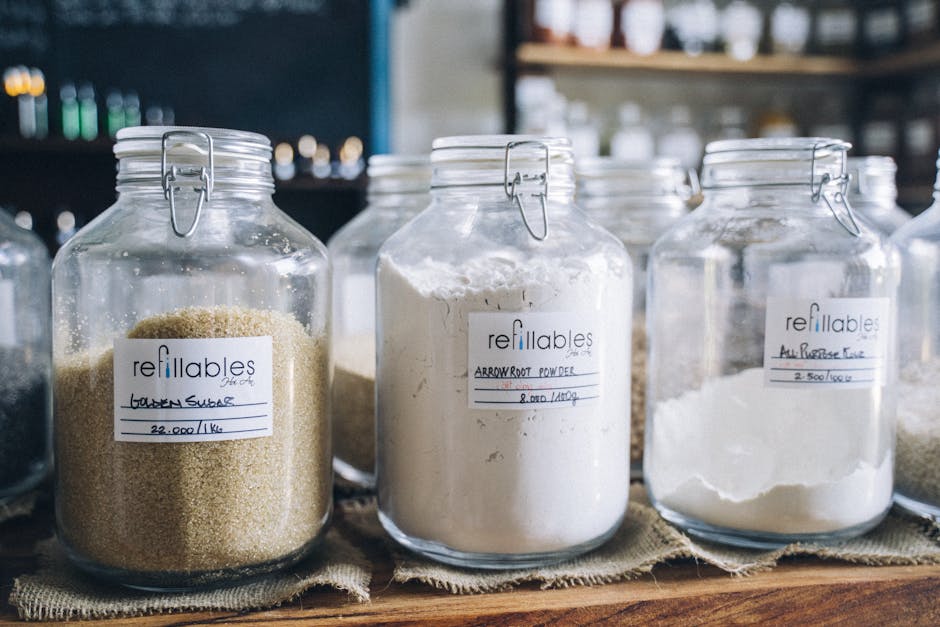
- Packing: favour airtight bags (zip-lock) and recycled cling film for jars. For dried seaweeds and legumes, vacuum-sealed bulk packs preserve aroma. For oils and vinegars, wrap bottles in bubble wrap then place them in a waterproof bag.
- Air travel: checked luggage usually accepts liquids, but cabin rules limit containers to 100 ml. Declare food items if required by your destination country’s regulations (cooked vs. raw products). Sealed tins and jars are normally allowed.
- Labeling: keep the seller’s label showing ingredients and origin (« Ingrediente », « Procedencia », « Ecológico ») to help with customs checks if your country requests documentation.
- Allergens: ask about peanuts, gluten or milk traces. Artisanal stalls can use the same utensils for non-vegan products.
- Shelf life: dried seaweeds (6–12 months), dried legumes (12+ months), oil-packed preserves (6–24 months if sealed). Fresh products should be eaten quickly or preserved at home.
Following these tips will increase the chances your Galician vegan finds arrive home intact and ready to keep your trip alive in the kitchen.
Conclusion — Take home Galicia’s plant-based essence
Santiago de Compostela isn’t just a religious and historic destination: it’s a place where sea and land meet, and where food culture offers a wealth of vegan-friendly products to bring home. Between the Mercado de Abastos, organic fairs, herbalists and zero‑waste shops, you’ll discover wild seaweeds, local legumes, alternative flours, artisanal oils and condiments — all ingredients that will let you keep a taste of Galicia in your kitchen. Key stops, like the Mercado de Abastos (Praza de Abastos, s/n, 15705 Santiago de Compostela), remain essential for experiencing, tasting and learning directly from producers.
In short: choose sealed, dry products for travel, always ask about composition to avoid animal-derived ingredients, wrap liquids and jars carefully, and favour local shops that offer travel-friendly packaging. The items you bring back have a dual value: culinary and sentimental. A handful of dried seaweed, a bag of fabas, a bottle of artisanal oil or a jar of prepared olives tell the story of an oceanic, temperate and generous region. Take these flavours home, share them, and let them revive memories of narrow lanes, pilgrims’ songs and the briny scents of Santiago.