





Introduction — Why explore Galician cuisine in a vegan version in Santiago de Compostela?
Santiago de Compostela, the historical and spiritual heart of Galicia, is more than a pilgrimage destination: it’s a culinary region where local produce and tradition meet creativity. Galician food is famous for seafood, rustic stews and cheeses — but those age-old recipes can be reimagined as 100% vegan, celebrating regional ingredients like root vegetables, legumes, wheat, seaweeds and wild mushrooms. This guide is for any vegan traveler or curious foodie who wants to experience Santiago differently: tasting local dishes without animal products, browsing markets for fresh ingredients, and finding spots where culinary creativity transforms tradition.
I offer you a practical, immersive itinerary — mixing addresses, opening hours, price ranges and tasting tips — to explore plant-based Galicia in Santiago. You’ll learn where to find alternatives to pulpo a la gallega (Galician octopus) in the form of vegan “pulpo” made from seitan or mushrooms, how to enjoy a caldo gallego reworked with a vegetable broth enriched with grelos (turnip greens), and where to buy Breton and Galician seaweeds to flavor your dishes. This guide emphasizes the importance of the city’s market, the Mercado de Abastos de Santiago, as a starting point: this is where small fishers, vegetable growers and artisans meet, and where vegan versions of classics often begin.
You’ll find practical information: exact addresses (squares and central streets), typical opening times (market mornings, lunch and dinner services), and representative prices for a vegan meal (€6–25 depending on the place and style). The descriptions are immersive and focus on the sensory experience — textures, aromas, ingredient pairings — as well as local tips (best time to visit a market, how to ask for a vegan option in Galician/Spanish, dishes to favor by season). Finally, suggested walking routes through the old town will help you combine cultural visits and food stops without wasting time.

1) Start at the market: Mercado de Abastos de Santiago
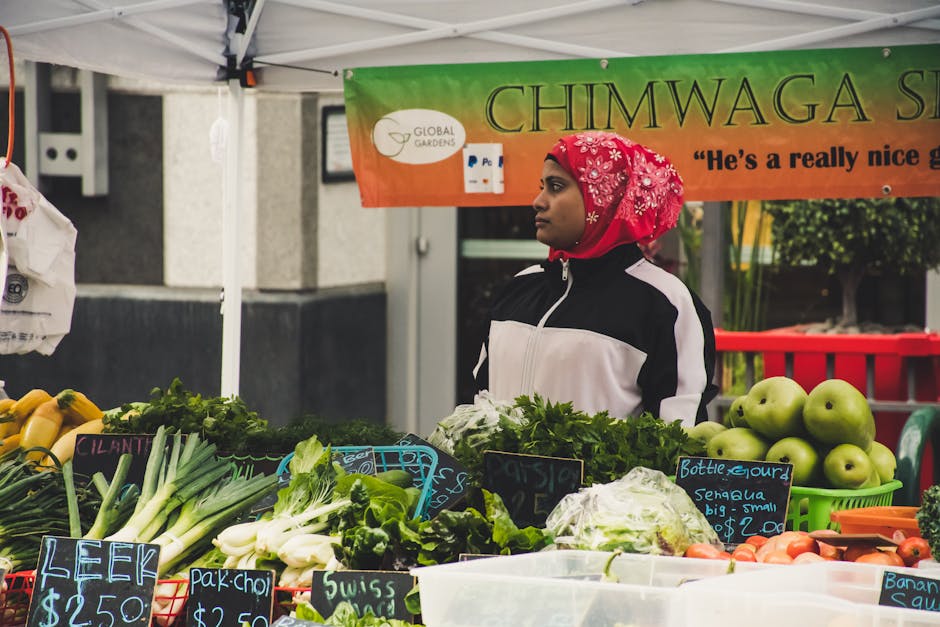
The Mercado de Abastos de Santiago (Praza de Abastos, s/n, 15704 Santiago de Compostela) is the best place to understand Galician cuisine — even in a vegan version. Address: Praza de Abastos, s/n, 15704 Santiago de Compostela. Typical hours: the market hall opens from 07:00 for food stalls; most stalls close between 14:00 and 15:00; some restaurants and bars inside the market extend service until 17:00. Prices: for vegan provisions (local vegetables, herbs, seaweed), expect €3–10 per kilo for most vegetables and €2–5 per portion for dried seaweeds depending on the producer.
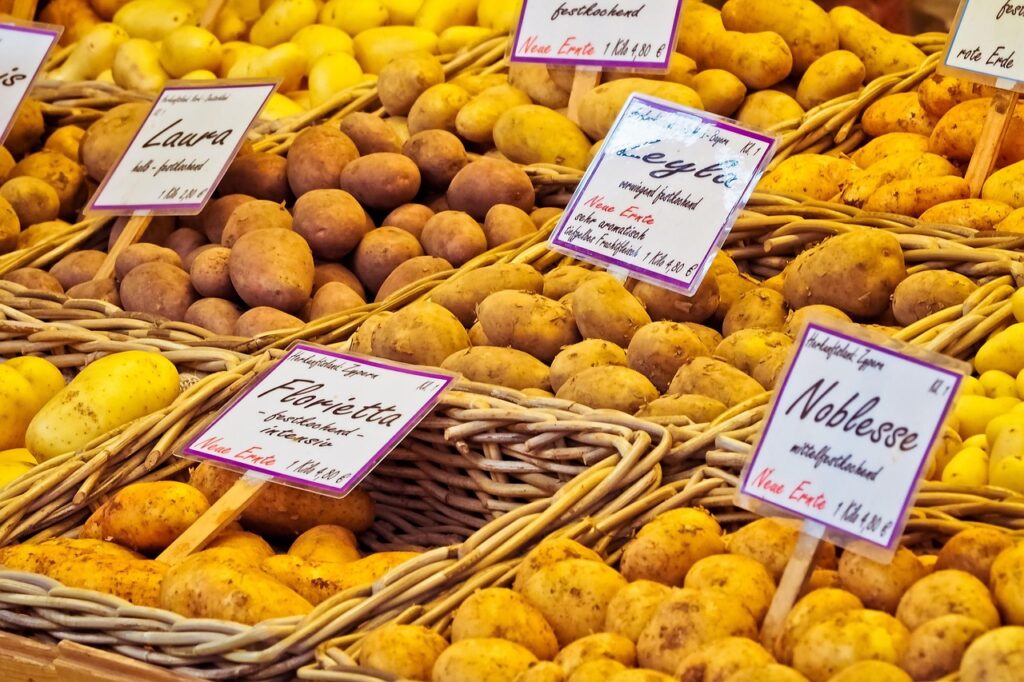
Why start here? Because the freshness of ingredients determines the success of a vegan Galician recipe. In the aisles, look for grelos, cabbages, Galician potatoes (firm-fleshed varieties), onions, purple garlic, and local mushrooms. Fishmongers also offer seaweeds — wakame or kombu — used today by local vegan chefs to give a marine note without animal products. Walking between the stalls, smelling the herbs and tasting a sample of artisanal vegan cheese (when available) is an educational, sensory experience.
Practical tips: arrive between 08:00 and 10:00 to avoid tourist crowds and to meet producers. Don’t be shy to ask in Spanish or Galician: « ¿Esto es vegano? » or « ¿Ten buen vegetal/algas? » (Spanish will generally be the safest). Bring a cooler bag if you buy fresh products for the day. Inside the market, some food stalls offer vegan tapas: expect to pay €3–6 per tapa depending on the ingredient.
2) Vegan-friendly restaurants and cafés in the historic center
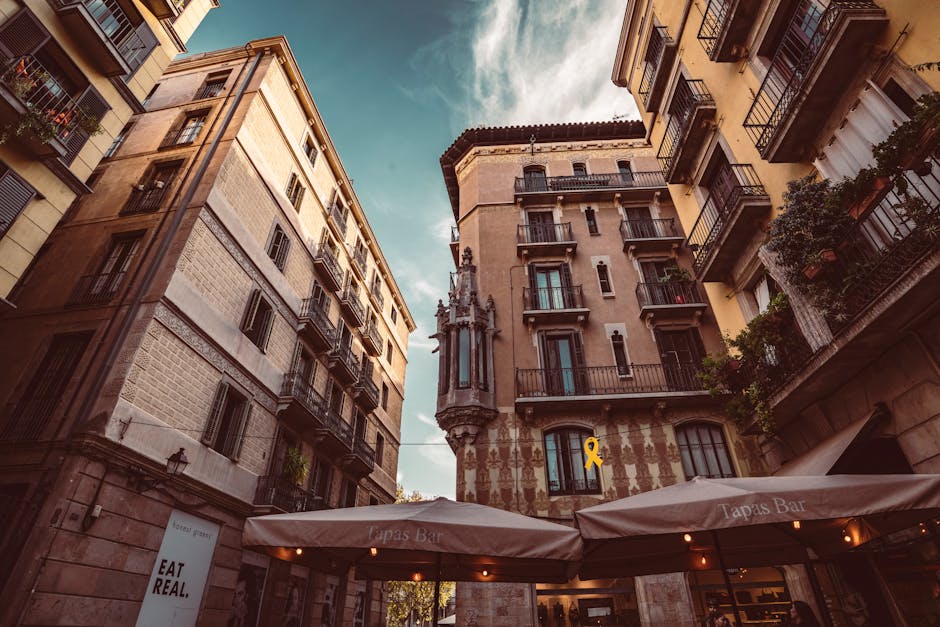
In the old town (casco histórico), several places now offer vegan menus or clearly marked vegan dishes. Rúa do Franco (Rúa do Franco, 15704 Santiago de Compostela) is the liveliest tapas street: you’ll find bars that adapt their raciones here. Typical prices and hours in this area: vegan tapas €3–6 each; vegan main courses at à la carte restaurants €9–18; most bars open at 12:00 for lunch service and stay open until midnight for dinner (times vary by venue).
Options to consider include bistronomic restaurants that offer a vegan tasting menu at €20–35 per person (for 3–5 courses), often by reservation. Vegetarian cafés and teterías (tea houses) also serve vegan pastries and hearty breakfasts: artisanal bread, local jams, plant-based milks for coffee (from €1.20 extra for a plant milk latte). Always specify « sin leche » (without milk) and « sin huevos » (without eggs) to avoid mistakes.
Recommended atmospheres: choose dining rooms with a view of the cathedral or inner courtyards — the experience then becomes a mix of heritage and gastronomy. Local tip: ask for vegan alternatives to fish dishes — « setas a la gallega » (Galician-style mushrooms) or a « pulpo vegan » made from seitan or smoked seaweed can sometimes be made on request. For tighter budgets, a vegan menu del día in a small bistro can cost €10–14 (starter, main, drink).
3) Typical vegan Galician dishes to look for (and how to order them)
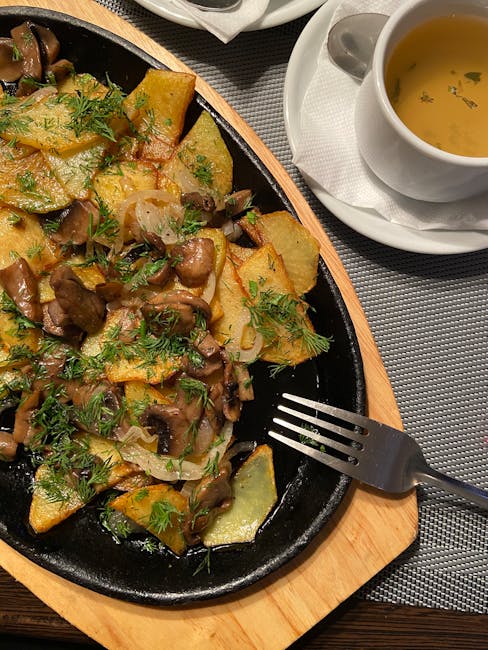
Knowing what to order makes the experience easier. Here are Galician dishes reinterpreted as vegan ones that you’ll encounter or can request: caldo gallego vegan — vegetable broth, potatoes, grelos, white beans; « pulpo » vegan — seitan or marinated, sliced mushrooms served on potatoes with sweet paprika oil (pimentón), €8–12 per portion depending on the restaurant; empanada vegana — savory pie filled with peppers, onions and smoked tofu, portions €3.50–6; pimientos de padrón, sometimes fried in olive oil (€3–5 per portion).
How to order: in Spanish, ask « ¿Tiene opciones veganas? » or « ¿Puede preparar esto sin productos animales? » In Galician, « ¿Ten opcións vexetarianas/veganas? » is appreciated by locals. Key ingredients to request if you want a regional flavor: pimentón de la Vera (smoked paprika), aceite de Galícia (local olive oil), algas (for that maritime touch), grelos or nabizas (turnip greens).
Tasting tips: pair an earthy dish like caldo gallego with a glass of Albariño white wine (if you drink alcohol) or with a local infusion for a strictly vegan pairing. Budget €12–25 per person for a full meal in a good vegan-friendly restaurant, €6–12 in a bistro or for tapas.
4) Cooking classes, small shops and local supplies
To extend the experience, take a vegan cooking class or shop for ingredients in specialty stores. The Mercado de Abastos sometimes runs culinary demos: check in person or on the city council’s official site. Nearby cultural address: the Centro Galego de Arte Contemporánea (Rúa Valle-Inclán, s/n, 15702 Santiago de Compostela) occasionally hosts gastronomic events in collaboration with producers.
Small organic shops and delicatessens in the center sell artisanal tofu, plant milks and seaweeds. Look for health-food stores on Rúa do Vilar or Rúa do Franco. Prices: €2–4 for a small artisanal tofu, €3–8 for dried seaweeds. Shop hours: typically 10:00–14:00 and 17:00–20:00; some close on Sunday afternoons.
Workshops: a three-hour class to learn how to make empanada vegana, vegan caldo gallego and preserved seaweeds usually costs between €35 and €60 per person, materials included. Book 48–72 hours in advance, especially in high season.

Conclusion — Traveling vegan in Santiago: recipes, encounters and respect for the land
Visiting Santiago de Compostela while seeking out Galician cuisine in vegan form combines respect for the terroir with culinary innovation. Galicia offers an authentic palette of ingredients — potatoes, cabbages, grelos, mushrooms, seaweeds and local oils — which, used well, can create dishes as bold in flavor as the traditional animal-based classics. The Mercado de Abastos (Praza de Abastos, s/n, 15704 Santiago de Compostela) remains the focal point to meet producers and find fresh products; the old town around Rúa do Franco (Rúa do Franco, 15704 Santiago de Compostela) and the Praza do Obradoiro (Praza do Obradoiro, s/n, 15705 Santiago de Compostela) is full of bars and restaurants that adapt their menus to plant-based diets.
Plan your meals around market hours: mornings for shopping, midday for tapas and tastings, reserve for discovery dinners. Budget between €6 (tapas or a quick meal) and €35 (tasting menu) per person depending on the level. Finally, a few words in Spanish or Galician will open doors — talk to chefs, ask for alternatives and explain your preferences: the welcome is often warm and curious. Follow these tips and you’ll get a full culinary immersion: tastings, learning and, above all, the pleasure of discovering that Galician gastronomy can thrive without animal products and still keep its soul.