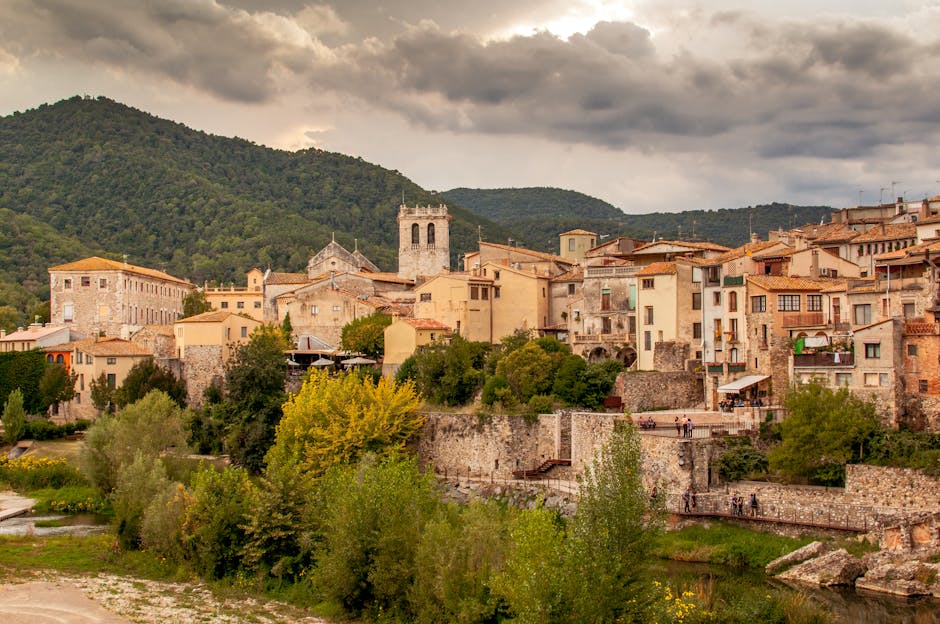






Introduction — Why Rent a Car Around Santiago de Compostela
Renting a car in Santiago de Compostela turns a pilgrimage trip into a flexible road adventure across Galician villages that are often hard to reach by direct public transport. Santiago is a practical hub: its airport (Aeropuerto de Santiago-Rosalía de Castro), train station and bus terminal all give easy access to rental counters. With a car you can combine Atlantic coasts, inland countryside, medieval hamlets and mountain viewpoints in a single trip, changing plans on the fly depending on the weather and your mood.
This hands-on, step-by-step guide gives you everything you need to rent a car in and around Santiago de Compostela and visit iconic villages — Combarro, Padrón, Portomarín, O Cebreiro, Fisterra (Finisterre), Muxía and Muros — while minimizing risks, surprise costs and wasted time. You’ll find exact addresses, opening hours, indicative prices (in euros), local tips, printable checklists and concrete day-by-day itineraries. The goal: that from the moment you arrive you can pick up your car, load your bags and set off with confidence.
Before diving into details, keep three simple rules in mind: 1) book ahead for weekends / summer or Semana Santa; 2) inspect and document the car at pick-up; 3) adapt your insurance locally (excess, glass and undercarriage coverage). This guide includes key phrases to show rental desks, inspection checklists to print and practical one-day route options to squeeze the most out of every euro.
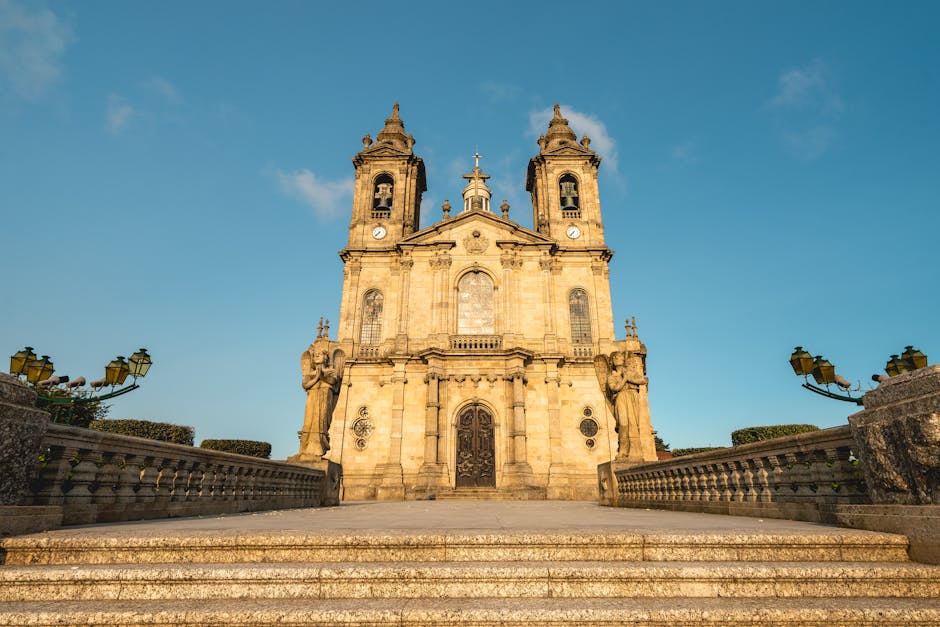
Section 1 — Where and How to Rent a Car in Santiago: Addresses, Hours, Rates and Practical Tips
Where to rent: two convenient options. (A) At Santiago-Rosalía de Castro Airport (Lavacolla): ideal if you fly in. Address: Aeropuerto de Santiago-Rosalía de Castro, 15820 Lavacolla, Santiago de Compostela, A Coruña. Major desks (Avis, Hertz, Europcar, Sixt, OK Mobility) are either in the arrivals hall or in the airport car park (free shuttle 3–5 min). Hours: most open 07:00–23:00; some offer 24-hour service on request (night fee ~€25).
(B) In the city center: pick up at the train station (Estación de Santiago de Compostela) or at a downtown office. Train station address: Estación de Santiago de Compostela, Praza de Galicia, s/n, 15702 Santiago de Compostela. Bus station address: Estación de Autobuses de Santiago, Rúa da Rosa 12, 15702 Santiago de Compostela. Advantage: you can return the car in town and avoid airport parking fees.
Indicative rates (2026): city car (Ford Fiesta / Opel Corsa equivalents) ~€30–40/day; compact (VW Golf) ~€45–60/day; 5-seater minivan ~€70–95/day; compact SUV ~€75–110/day. Rates vary with season, rental length and insurance. Fuel: expect ~€1.60–1.90/l (unleaded95 or diesel). Common extra fees: young driver (<25) +€15–30/day, GPS ~€8–12/day (prefer offline Google Maps), child seat ~€6–10/day, additional driver ~€5–10/day. Fuel policy: full-to-full is the fairest.
Required documents: valid driving licence (EU or international if outside the EU), credit card in the driver’s name (for the security hold), passport or ID card. Ask for these specifics: unlimited mileage, excess policy (e.g. standard excess €800), coverage for glass and key loss (extra ~€6–12/day). To negotiate: show a cheaper online booking (proof) and ask the counter for the same rate — sometimes they match it, sometimes they won’t.
- Pick-up checklist: licence, credit card, reservation confirmation, proof of insurance (if bought elsewhere), photo ID.
- Inspection checklist: scratches, dents, tyre condition, oil and washer fluid levels, headlights and wipers — photograph everything with date/time stamps.
- Travel-kit checklist: ask for a smartphone cable, 12V cigarette-lighter adapter, pouch for documents, Galician road map (useful where mobile coverage is patchy).
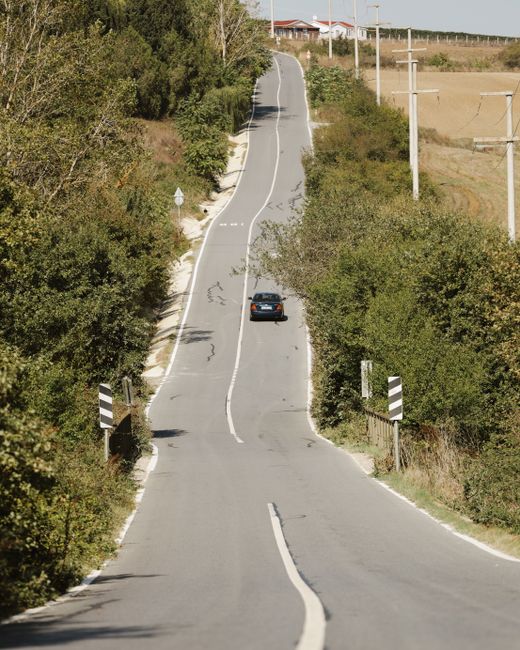
Section 2 — Day-by-Day Itineraries: 3 Village Excursions from Santiago (distances, times, addresses, hours, prices)
I suggest three detailed day trips (one per day or combine them depending on your pace). Each trip includes routes, exact addresses, recommended timings, activities and parking tips.
Excursion A — Combarro + Pontevedra (rias coastline):
- Depart 08:00 from Santiago. Route: A-9 toward Pontevedra, take the O Salnés/Combarro exit. Drive time ~1h05, distance ~85 km.
- Arrive in Combarro (Paseo Marítimo, 36970 Combarro, Pontevedra). Parking: municipal lot near the harbor (Rúa do Camiño Real) €1.00–1.50/h (paid blue zones). Things to do: stroll the seaside paseo, admire the rías and the hórreos by the water.
- Lunch: recommended restaurants — O Xantar da Ría (Rúa da Ponte 12, 36970 Combarro), menu ~€18–25 per main + drink.
- Afternoon: 30-minute drive to Pontevedra (Plaza de la Peregrina, 36002 Pontevedra). Visit the Museo de Pontevedra (Praza das Tendais, 36002), hours 10:00–19:00, entry ~€3–€5.
- Return to Santiago around 18:00.
Excursion B — Padrón + Muros (coastline + pimiento culture):
- Santiago → Padrón (A-54 then PO-548) Drive time ~30–40 min, distance ~55 km.
- In Padrón, stop at the Casa-Museo de Rosalía (Rúa do Vilar 6, 15900 Padrón) — hours 10:00–14:00 / 16:00–19:00, closed Mondays, entry ~€2.50. Lunch at A Furna (Rúa do Vilar 18), specialties: pulpo a feira and Padrón peppers.
- Continue to Muros (coast), drive ~55 min, distance ~70 km. Old harbor of Muros (Rúa do Cantón 1, 15900 Muros). Seaside parking is often free depending on the season. Walk the harbor, hit the beach, sample fresh seafood; local morning markets are worth a visit.
- Return to Santiago around 19:00.
Excursion C — Portomarín + O Cebreiro (inland, Camino heritage):
- Santiago → Portomarín (LU-633/OU-540) Drive time ~1h10, distance ~85 km. Stop at Iglesia de San Nicolás, Rúa da Igrexa, 27140 Portomarín (a Romanesque church relocated due to a dam). Exterior visit is free; grab a coffee and try a slice of empanada gallega at a local café.
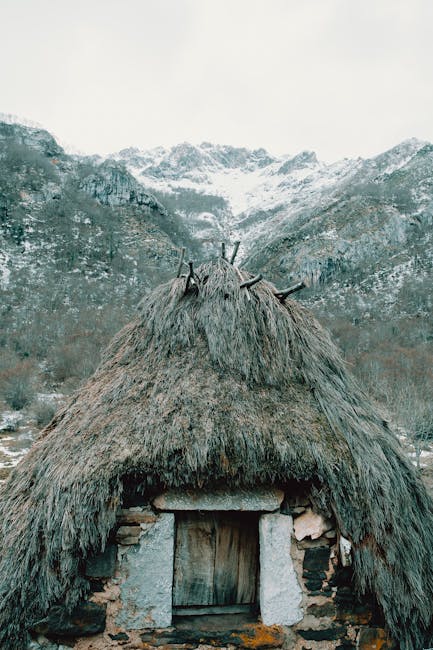
- Then Portomarín → O Cebreiro (Lugo, N-540) Drive time ~1h10–1h30, distance ~60–75 km. Arrive in O Cebreiro, famed for its pallozas (traditional stone thatched houses), 27860 O Cebreiro. Check out the Museo Etnográfico and nearby viewpoints: Museo Etnográfico (Praza do Calvario). Seasonal hours roughly 10:00–18:00, entry ~€2–5.
- Return via the N-120 and A-6, drive time ~1h30–1h45.
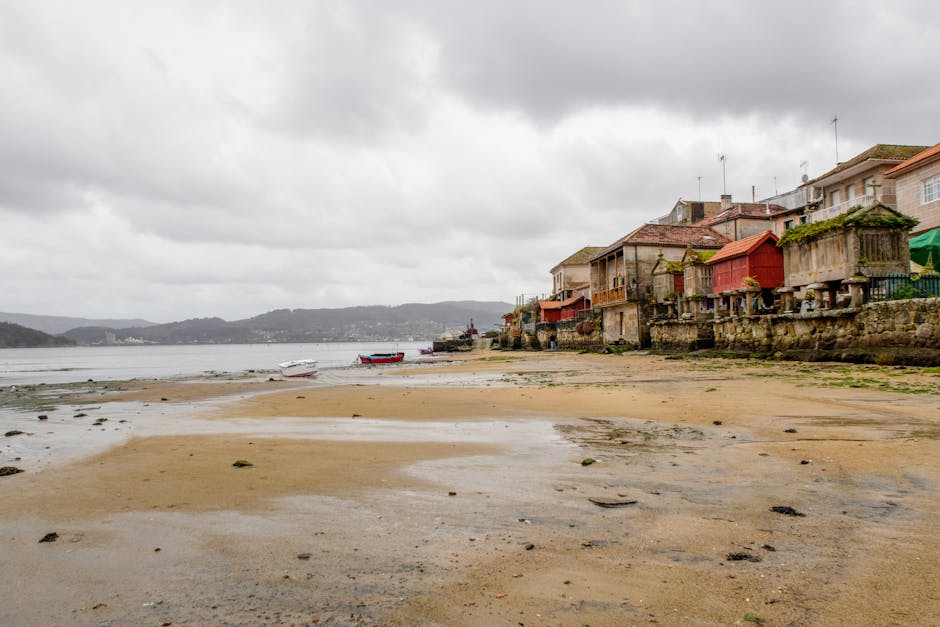
Section 3 — Driving in Galicia: Rules, Parking, Tolls, Safety and Local Tips
Driving in Galicia is generally straightforward but requires care: narrow secondary roads, uneven surfaces in villages and frequent coastal fog. Here are very practical rules and tips:
- Speed limits: urban areas 50 km/h, secondary roads 90 km/h unless otherwise signed, highways 120 km/h. Speed checks are common: fixed radars and speed cameras. Fines: €100–600 depending on the offense.
- Tolls: the main AP-9 motorway in Galicia has toll sections; costs depend on direction. Estimated: Santiago → A Coruña via AP-9 ~€6–€10; Santiago → Pontevedra via AP-9 ~€7–€11. Check alternative non-toll routes (N-550) if you want to avoid tolls, but add +20–40 minutes.
- Parking in Santiago: blue zone (ORA) downtown: 08:00–14:00 and 16:00–20:00, rate ~€0.82–1.10/h; some underground car parks (Parking Praza de Galicia) cost ~€1.50–2.50/h. Tip: park at the bus station (daily rates ~€6–€12) and walk into the center.
- Fuel: 24-hour stations on the A-9 and main roads; look for Repsol, Cepsa, Galp. Average prices ~€1.60–1.90/l. For best value, fill up at a large urban station rather than in a tiny village.
- Insurance & incidents: in case of an incident: notify local police (Policía Local or Guardia Civil depending on location), fill in the European accident statement, call your rental company and take photos of everything. Emergency number in Spain: 112.
Practical local tips:
- Avoid main roads only if you aren’t in a hurry; country lanes are scenic but slower.
- Carry small change for rural parking (some municipal lots accept coins or on-site payment only).
- For mountain driving (O Cebreiro), choose a car with reliable brakes, avoid heavy loads, slow down on tight bends and watch for livestock on the road.
- Respect pedestrian zones around Praza do Obradoiro; many central streets are off-limits to non-resident vehicles.
Section 4 — Return Tips, Savings and Bonus Routes: Muxía, Fisterra and Local Tastings
Returning the car: plan to drop it off the day before if you have an early flight. If you return to the airport desk outside opening hours, ask for the “after-hours drop-off” option: you’ll usually be asked to leave the keys in a box and park in a designated area (photograph mileage and car condition). Check for late fees: ~€25–40 if not prearranged.
Concrete ways to save:
- Book 7+ days to get a lower daily rate (discounts often apply automatically).
- Buy CDW/TP insurance without duplication: if your credit card already offers rental coverage, print proof and decline the agency’s duplicate. If you purchase the agency insurance, negotiate a reduced excess (e.g. €300 instead of €800) for +€8–12/day.
- Compare return locations: returning downtown can sometimes be cheaper than the airport when you factor extra fees.
Bonus coastal route (day trip) — Santiago → Muxía → Fisterra:
- Depart early (07:30); Santiago → Muxía: A-6 then AC-550, drive time ~1h05–1h20, distance ~90 km. Stop at the Santuario da Virxe da Barca, Rúa da Barca, 15124 Muxía. Visit the sanctuary and the coastline; parking is usually free near the sanctuary depending on season.
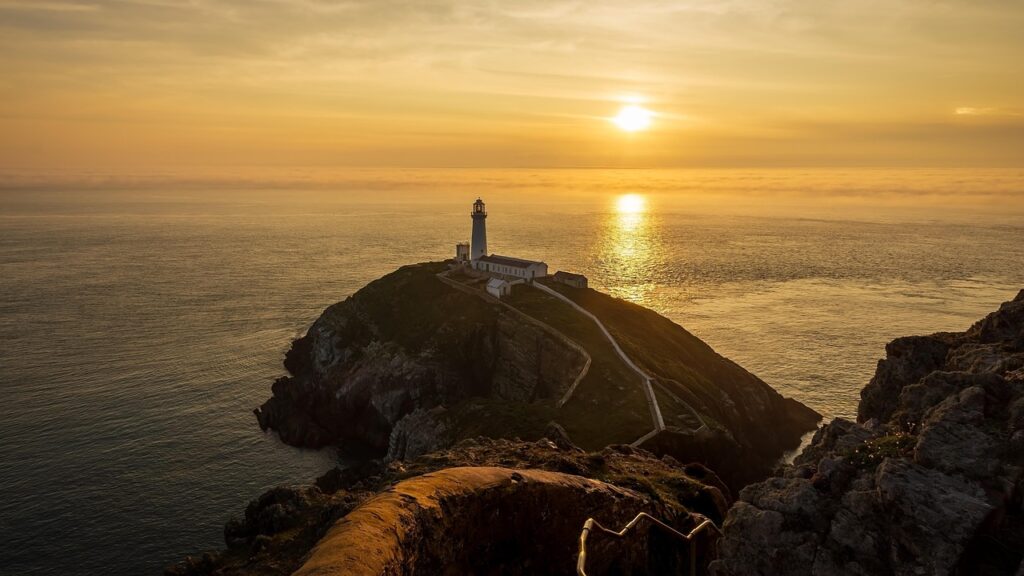
- Drive on to Fisterra (Faro de Fisterra, O Centolo, 15155 Fisterra): drive time ~35–45 min, distance ~35–40 km. Climb up to the lighthouse, walk the cliffs, lunch at Restaurante O Centolo (Av. do Porto 14), mains ~€15–€25.
- Return to Santiago via N-547 and A-54, drive time ~1h30–1h45. Tip: staying until evening often rewards you with a spectacular sunset from the Fisterra lighthouse.
Local tastes you shouldn’t miss:
- Pimientos de Padrón (small green peppers), served as tapas, ~€5–8 a portion.
- Pulpo a la gallega (octopus): portion ~€12–18.
- Mariscos (fresh seafood) on the coast: prices vary, lunch for two ~€35–70 depending on the restaurant.
Conclusion — Summary and a Concrete Action Plan to Get Going Tomorrow
In short: start by booking the right car (city car for town use + compact if you plan mountain drives), prefer airport pick-up if you fly in, otherwise pick up downtown to avoid airport surcharges. Before signing, double-check the insurance policy and excesses, inspect and document the car’s condition and get written confirmation for any extras. Bring your licence, credit card and insurance proofs, and always leave wiggle room in your schedule to enjoy villages, photo stops and local food breaks.
Ready-to-use action plan:
- Day J-3: compare and book (comparison site + direct agency booking); choose full-to-full fuel policy.
- Day J-1: download offline maps (Google Maps / Maps.me), print rental confirmation and insurance proof.
- Day J (pick-up): at the counter, present the checklist, inspect the car (photos), ask for the final printed contract and note a 24h contact. Fill out the condition form with the agent.
- On the road: follow the suggested routes, obey speed limits and toll signs, park in recommended lots to avoid fines.
- Return: photograph odometer and car condition, ask for a signed summary, and expect the security deposit back within 7–30 days depending on your bank.
With these steps, addresses, hours and practical tips you’re ready to rent a car and explore the villages around Santiago de Compostela with peace of mind. Safe travels, take care on Galicia’s narrow roads and enjoy the scenery, the food and the warm local welcome.