





Introduction — Sleeping in Santiago de Compostela’s historic center: a choice steeped in history and feeling
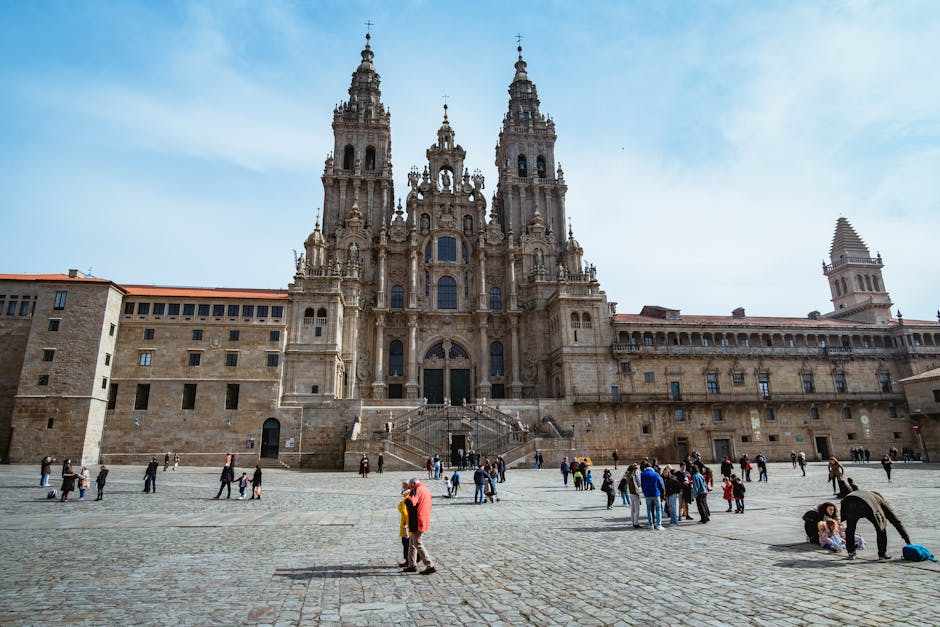
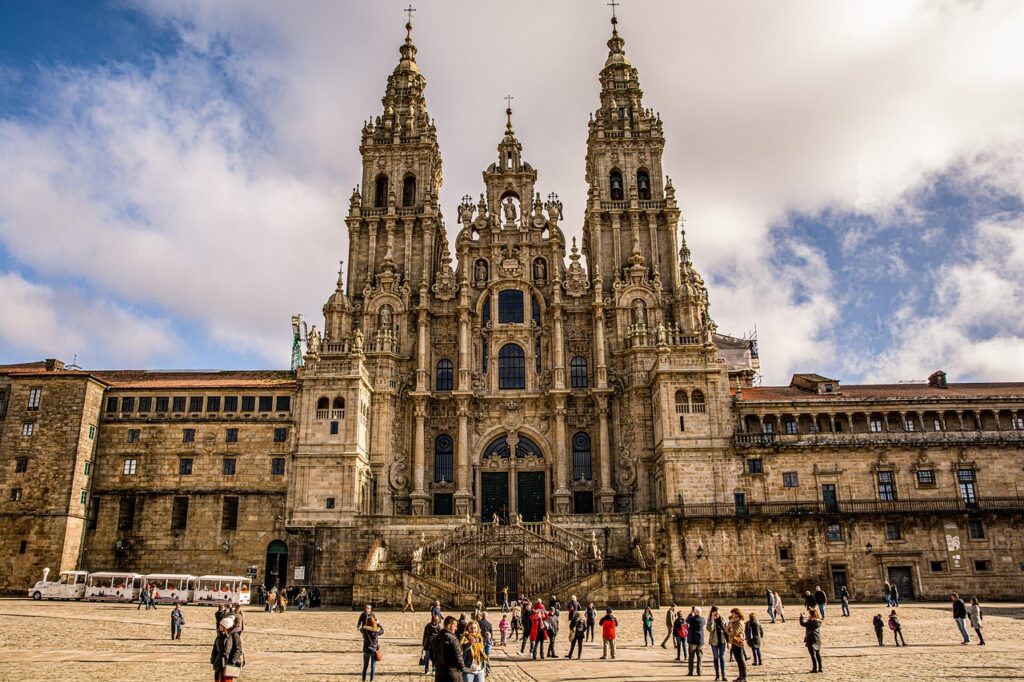
Sleeping in the heart of Santiago de Compostela’s historic center is an experience many travelers put at the top of their Galician trip. The old town, a UNESCO World Heritage Site, is packed with medieval landmarks, cobbled lanes, stone façades and a unique pilgrimage atmosphere you feel the moment you step out of a guesthouse or hotel. Choosing accommodation in this casco histórico means being literally steps away from the Cathedral of Santiago de Compostela (Catedral de Santiago de Compostela), Plaza del Obradoiro and the cloisters where pilgrims’ songs still linger. Mornings are filled with bells, evenings with chants and multilingual conversations, and nighttime walks feel like stepping into a city paused in time.
But that charm comes with a cost — sometimes literally — and practical downsides worth weighing before you book: tourist and service noise, parking and access restrictions, higher rates for historic hotels and tight spaces in old buildings. This pragmatic, professional and detailed guide gives you a clear overview: benefits, drawbacks, standout addresses, indicative prices in euros, usual schedules, immersive descriptions and local tips to sleep well — and make the most of — Santiago’s historic core.
We’ll cover several accommodation types (character hotels, paradores, pensions, albergues, holiday apartments) around the main squares and streets: Praza do Obradoiro, Praza da Quintana, Rúa do Franco, Rúa do Vilar, and near Parque da Alameda. I’ll list exact addresses, price ranges (noting peak and low seasons), common hours (check-in/check-out, opening times for nearby monuments), and practical advice — how to avoid noisy nights, where to book for the best sun exposure, which rooms to pick for accessibility or a cathedral view.
Finally, the guide includes recommendations on pacing your stay in the old town: when to visit the Cathedral of Santiago de Compostela (Praza do Obradoiro, s/n, 15705 Santiago de Compostela, A Coruña), attend the pilgrim’s mass on weekdays, buy octopus at the Plaza de Abastos (Mercado de Abastos de Santiago, Praza de Abastos s/n, 15704) or escape to the Alameda for a sweeping view over the old town. You’ll also find useful practical tips (book well in advance during summer and feast days, which accommodation types suit families, and how to manage mobility in narrow streets with no private parking).
Benefits of sleeping in the casco histórico: full immersion, unbeatable proximity and living the history
One of the main perks of staying in Santiago’s historic center is instant immersion in Galician history and culture. Book a room on Praza do Obradoiro or two streets from the cathedral and you have nearly immediate access to the city’s landmarks without wasting time commuting. For example: Hostal dos Reis Católicos — now run as a Parador, Parador de Santiago – Hostal dos Reis Católicos, Praza do Obradoiro, 1, 15705 Santiago de Compostela — sits literally opposite the cathedral’s baroque façade. The rooms have a solemn feel and the service often includes hearty breakfasts; average double-room rates range from €220 to €450 per night depending on season (summer high season and religious festivals are the most expensive). Typical hours are check-in at 14:00 and check-out at 12:00, and reception is usually open 24/7. This kind of place lets you wake to the peal of bells and step out directly to attend the pilgrim’s mass (times vary, generally late afternoon on certain days — check with the Cathedral).
That central location also makes walking day trips effortless. From the old town you can reach the Mercado de Abastos de Santiago, Praza de Abastos s/n, 15704 Santiago de Compostela in a few minutes (generally open Monday to Saturday, from 08:00 to 15:00), where you can buy fresh produce and sample Galician octopus (pulpo a la gallega) at reasonable prices (a shareable portion from about €7 to €15 depending on the stall). The restaurants on Rúa do Franco (Rúa do Franco, 15704 Santiago de Compostela) are walkable day and night: seafood dishes, tapas and local specialties — budget roughly €15–30 per person for a decent dinner.
The central location is also a big practical plus for pilgrims or visitors with limited time. Train stations (Estación de Santiago de Compostela, Rúa da Estación, s/n) and bus stops are within a reasonable distance if you prefer public transport, but for very early or late trips note that some streets in the historic center are pedestrian-only or have restricted vehicle access, so check whether your hotel allows luggage drop-off. Finally, staying in the center often feels safer and more convenient: well-lit streets at night, a steady flow of people, and cafés opening early for a quick morning coffee before you set out.
Drawbacks and practical limitations: noise, cost, accessibility and logistical issues
Despite its appeal, staying in the old center brings real downsides. The most common is noise: the Cathedral draws thousands of visitors every day, and services, concerts and processions can start early in the morning or late at night. The cobbles often amplify sound — rolling suitcases, tour groups, bells and religious events — and windows in historic buildings can be old and not very soundproof. If you’re noise-sensitive, ask for a room facing an interior courtyard rather than Plaza del Obradoiro or Rúa do Franco, and check whether the hotel has double-glazed windows or offers earplugs.
Price is another factor: the top-tier option — Parador de Santiago – Hostal dos Reis Católicos (Praza do Obradoiro, 1) — can reach €300–450 per night in high season. Small character hotels and pensions around Praza da Quintana and Rúa do Vilar offer double rooms between €70 and €180, but rates spike during Semana Santa, the Festa do Apóstolo (July 25) and the summer months. For tight budgets, albergues (pilgrim hostels) remain an economical choice: municipal and private albergues inside the casco histórico offer dorm beds for roughly €8–20 per night, though they usually have strict rules, limited comfort and shared facilities.
Accessibility and parking are also real concerns. Many streets are pedestrian-only; vehicle access is limited and nearby public parking is scarce and pricey. Parking options like Parking de la Plaza de Galicia (Praza de Galicia, 1, 15702) and the Estación parking exist, but it’s best to park on the outskirts and walk or take public transport into the center. Old buildings can also present challenges: narrow staircases, no elevator or elevators unsuitable for mobility aids. If accessibility matters, specifically request an accessible room or prioritize hotels that list services for guests with reduced mobility.
Finally, heritage conservation limits modernization: rooms may be smaller, bathrooms quirky and air-conditioning not always available or efficient. If you travel in summer, check whether the property has AC or fans, because nights can get sticky despite the Atlantic’s proximity. Another downside: limited late-night availability of supermarkets and pharmacies in some central streets; for last-minute needs, identify shops before they close (pharmacies rotate on duty — ask reception for the current on-call pharmacy).
Accommodation types and practical recommendations: where to stay depending on your priorities
The historic center offers a wide range of places to stay. Below I outline the main formats with recommendations, addresses, price ranges and practical tips to help you choose based on your travel profile.
Parador and upscale hotels
- Parador de Santiago – Hostal dos Reis Católicos, Praza do Obradoiro, 1, 15705 Santiago de Compostela. Approximate rates: €220–450 / night (season dependent). Check-in: 14:00, check-out: 12:00. Pros: unique location, high-end service, buffet breakfast and quality restaurants. Ideal for travelers seeking comfort and history. Book several months ahead for high season.
Pensions and small boutique hotels
- Typical example: a pension or hostal on Rúa do Vilar or Praza da Quintana. Rates: €70–150 / night. These places often offer rooms with historic character—sometimes small but traditionally decorated. Perks: immediate proximity to attractions and a local vibe. Tip: ask for a courtyard-facing room to cut down on noise.
Pilgrim hostels (albergues)
- Municipal and private albergues in the casco histórico: indicative prices €8–20 / dorm bed. These are practical for pilgrims or ultra-light travelers. Hours: variable check-in, often possible in the afternoon; strict quiet rules after 22:00. Pros: meet fellow pilgrims, low cost. Cons: limited comfort.
Holiday apartments and short-term rentals
- Short-term rentals in historic buildings, often on Rúa do Franco, Rúa do Vilar or Praza da Quintana. Prices: €80–200 / night depending on size and location. Perfect for families or longer stays needing a kitchen. Practical tip: check whether the apartment has an elevator or note if it’s on a high floor with no lift.
Concrete booking tips: compare rates across platforms, read reviews about soundproofing and accessibility, and contact the property to confirm the exact location of your room (street-facing vs courtyard). If you arrive by car, ask the hotel about luggage drop-off before you park, and note recommended parking like Parking de la Estación (Rúa da Estación).
Essential local tips: when to book, how to sleep better and small Galician hacks
Here are practical tips gathered from observation and feedback from travelers and locals:
- Book well in advance: for June to September, during Semana Santa and around July 25 (Festa do Apóstolo), reserve several months ahead. Paradores and hotels near the cathedral often sell out early.
- Pick the right side: request a courtyard-facing room if you’re noise-sensitive. A room with a view over Plaza do Obradoiro is spectacular but noisier and pricier.
- Check insulation: ask about double glazing and air-conditioning if you travel in summer. Earplugs are a simple fix for dorms or older rooms.
- Monument hours: the Cathedral of Santiago de Compostela opens early (usually around 07:00) and closes late (around 20:00–21:00 depending on season). The Museo Catedralicio often shows visitors from 10:00 to 20:00, but verify on the official site before you go. Arrive 30–45 minutes early for the Missa do Peregrino to secure a seat.
- Buy supplies: Mercado de Abastos (Praza de Abastos s/n) is the place for local products (fish, cheeses, bread). Best time: early morning for the freshest catch.
- Getting around: the old town is best on foot. For longer day trips, the train station (Estación de Santiago de Compostela) is nearby; check train and bus timetables. Bike rental is not recommended in narrow, cobbled streets of the centro histórico.
- Health and services: locate the on-duty pharmacy and nearest hospital in case of emergency. The closest pharmacy to Praza do Obradoiro changes with the rota; ask your accommodation’s reception.
Photography tip: the best time for crowd-free shots of the Cathedral is early morning (before 09:00) or late evening. For a panoramic view, head up to the Parque da Alameda viewpoint (Parque da Alameda, 15705) at sunset for an incredible perspective over the old town roofs.

Conclusion — Weigh the pros and cons before you book
Staying in the historic center of Santiago de Compostela offers a strong emotional and practical payoff: living among architecture and history, proximity to rituals and easy access to major sights. For many, waking up to a view of the cathedral’s baroque façade (Praza do Obradoiro, s/n, 15705) alone justifies the extra cost and logistical trade-offs. Paradores and upscale hotels guarantee comfort and service, while character pensions and apartments offer a more local immersion at a lower cost. Albergues preserve the spirit of pilgrimage for budget travelers and walkers.
That said, be aware of the downsides: noise, high prices, limited car access, sometimes tight spaces and variable comfort in old buildings. If you have strict needs around soundproofing, accessibility or space, state them clearly when booking; favor courtyard-facing rooms or places that advertise modern amenities (elevator, AC, double glazing). For short stays or busy itineraries, the casco histórico’s centrality is a major advantage. For longer trips or if you want a very quiet base, consider staying on the nearby outskirts (areas like Ensanche or Rúa de San Pedro) with easy access to the center.
In short: pick your accommodation based on your priorities — authenticity and historic immersion (old town), comfort and high-end services (Parador/5*), tight budget (albergue/pensión), or family convenience (nearby apartment). Book early for peak periods, ask about practical details (car access, elevator, soundproofing) and plan a few local tricks (market for lunch, peripheral parking, best times to visit the cathedral). That way you’ll make the most of the unique experience of sleeping in one of Spain’s most meaningful cities: Santiago de Compostela.