





Introduction — Skip the Cathedral? Why Rethink Santiago de Compostela
Santiago de Compostela breathes stone and pilgrimage. For many, the main square, the crowd pressed in front of the Cathedral’s baroque façade, the portals and the apostle’s tomb make up the city’s ‘‘must-see’’ experience. Yet that postcard — undeniably iconic — has become shorthand for a standardized kind of tourism: long queues, souvenir stalls, conveyor-belt photos and an experience that often flattens the cultural complexity of Galicia into a single image. If you’re tired of copy-paste itineraries and want something deeper, you’re in the right place.
This article is an anti-guide: it doesn’t demonize the Cathedral — its religious, artistic and historical importance is unquestionable — but it offers a different take. Why settle for the brightest display when Santiago is full of quieter, less-visited spaces that often say more about Galician identity? Intimate museums, contemporary art centers, places of popular memory: these alternatives help you understand the city in other ways — its struggles, modern art, traditions, its bond with the sea and the landscape. They also offer calmer visits, less kitschy stories and more genuine human encounters.
Each section starts by naming the common belief (the Cathedral, the square, the ritual), explains why that spot can be overrated on a short trip, then proposes a concrete alternative: the exact name of the museum or cultural center, the precise address, price in euros, current opening hours (check before you go, exhibitions change) and practical tips to make the most of the visit. My aim is honest and balanced: I’m not telling you to ignore the Cathedral, but to reallocate your time and attention to where the city reveals less visible layers.
Expect walks that mix contemporary architecture and popular heritage, workshops, social museums and art centers, all reachable from the historic center — some a few minutes’ walk, others a gentle climb toward Monte do Gozo or the Cidade da Cultura. Bonus: insider tips on quiet hours, combined tickets, and the best way to listen to Galician stories. And to accompany the reading, I’ve added visual cues 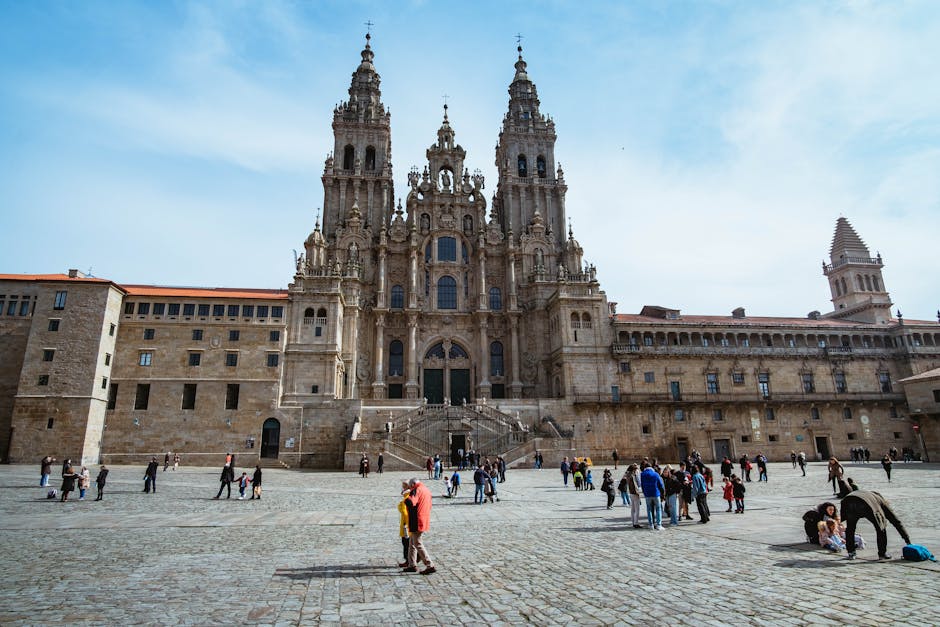 so you can picture these atmospheres before you get there.
1) Why the Cathedral Crowd Doesn’t Tell the Whole Story — Alternative: Museo do Pobo Galego
The Cathedral draws people for good reasons: it’s the Camino’s end point, a masterpiece of Romanesque and Baroque art, and a place of devotion. Still, limiting yourself to it risks missing the real Galicia: its language, costumes, music, rural and maritime traditions. The Cathedral shows the public, monumental face; the Museo do Pobo Galego (Galician People’s Museum) reveals the intimate, living side. If you want to understand where the songs come from, why houses are laid out as they are, or how rural life shaped the landscape, this is the place.
Concrete alternative:
- Name: Museo do Pobo Galego (Galician People’s Museum)
- Address: Rúa de San Domingos de Bonaval, s/n, 15703 Santiago de Compostela
- Price: Around €3 for a standard ticket; free some Sunday mornings (check locally)
- Opening hours: Typically Tuesday–Sunday 10:00–14:00 and 16:00–20:00; closed Mondays (hours vary by season)
Why go? The museum occupies the handsome Convento de Santo Domingo de Bonaval complex, with a panoramic view of the old town and a garden where you can breathe. Collections include traditional costumes, musical instruments (gaitas), farming tools and boat models. The displays are understated: you’ll leave with a sensory understanding of rural Galicia rather than a shallow tourist snapshot. Local tip: visit in the late afternoon to enjoy the light over the city from Bonaval hill and combine it with the nearby Panteón de Galegos Ilustres.
2) If You Think Santiago Is Only Baroque — Alternative: CGAC (Centro Galego de Arte Contemporánea)
Many visitors associate Santiago with ancient stones and gilded altarpieces. Yet the city is also alive with contemporary artistic energy. Contemporary art museums are often skipped for fear of encountering something obscure. That’s a mistake: contemporary art tells the story of tensions, identity questions and modern ruptures in Galicia — an essential complement to the Cathedral’s historical narrative.
Concrete alternative:
- Name: Centro Galego de Arte Contemporánea (CGAC)
- Address: Rúa Ramón Cabanillas, s/n, Cidade da Cultura, 15707 Santiago de Compostela
- Price: Permanent exhibitions are often free; temporary shows usually cost between €3–5
- Opening hours: Generally Tuesday–Saturday 10:00–14:00 and 16:00–20:00; Sunday 10:00–14:00; closed Mondays. Check program online.
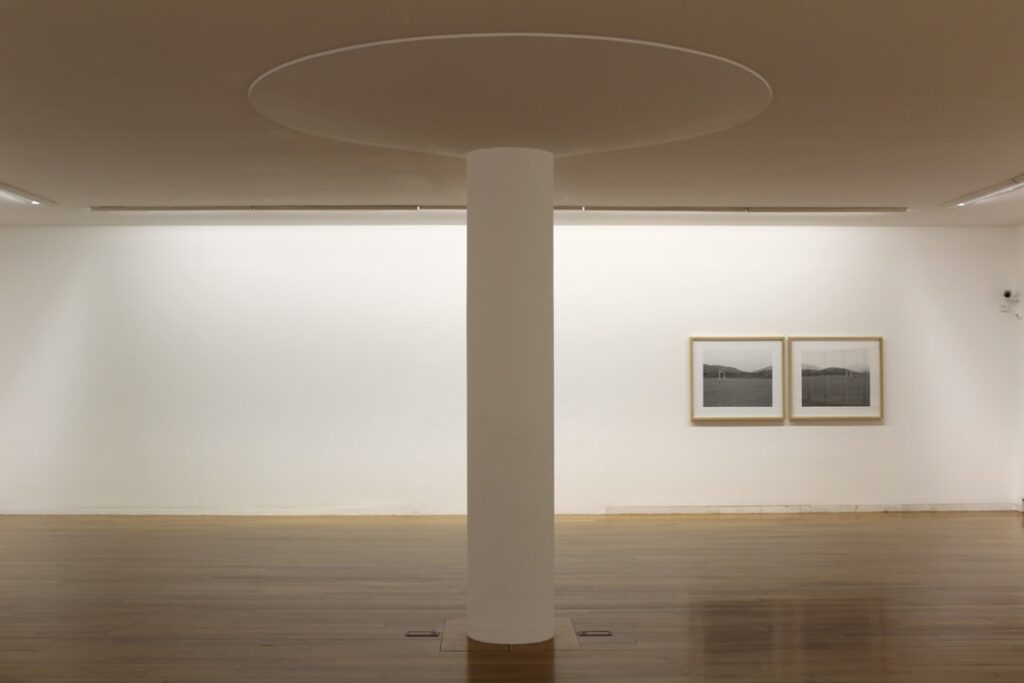
Why go? The CGAC, with interventions by architect Álvaro Siza across the Cidade da Cultura complex, offers large rooms, international exhibitions and work by contemporary Galician artists. The pieces confront tradition and globalization, and the space itself invites contemplation. Practical tip: follow your visit with a climb to the Cidade da Cultura terraces for a modern urban panorama and photograph the building’s minimalist lines in evening light.
3) Tide, Memory and Maritime Culture — Alternative: Museo do Mar de Galicia (in Vigo, a short trip from Santiago)
The Cathedral points to a terrestrial, religious history. But Galicia is a maritime region: fishing, ports, wooden hulls and storms have shaped its culture. If you’re up for an hour by train or bus, the Museo do Mar de Galicia in Vigo offers a full immersion into Galician maritime identity — a side often missing from itineraries focused on the old town.
Concrete alternative:
- Name: Museo do Mar de Galicia
- Address: Rúa Doutor Cadaval, 24, 36202 Vigo, Pontevedra (Vigo)
- Price: Around €4–6 depending on exhibitions; discounts for students and seniors
- Opening hours: Typically Tuesday–Sunday 10:00–14:00 and 16:00–20:00; closed Mondays (check seasonality)
Why go? Large ship models, displays on the fishing economy, exhibitions about seafood cuisine and the role of canneries help you understand the ties between land and sea. Tip: pair the visit with a walk along Vigo’s port and a seafood lunch — the contrast between the Cathedral’s solemnity and port life’s energy is fascinating.
4) Hear Pilgrims’ Voices in a Different Way — Alternative: Museo das Peregrinacións e de Santiago
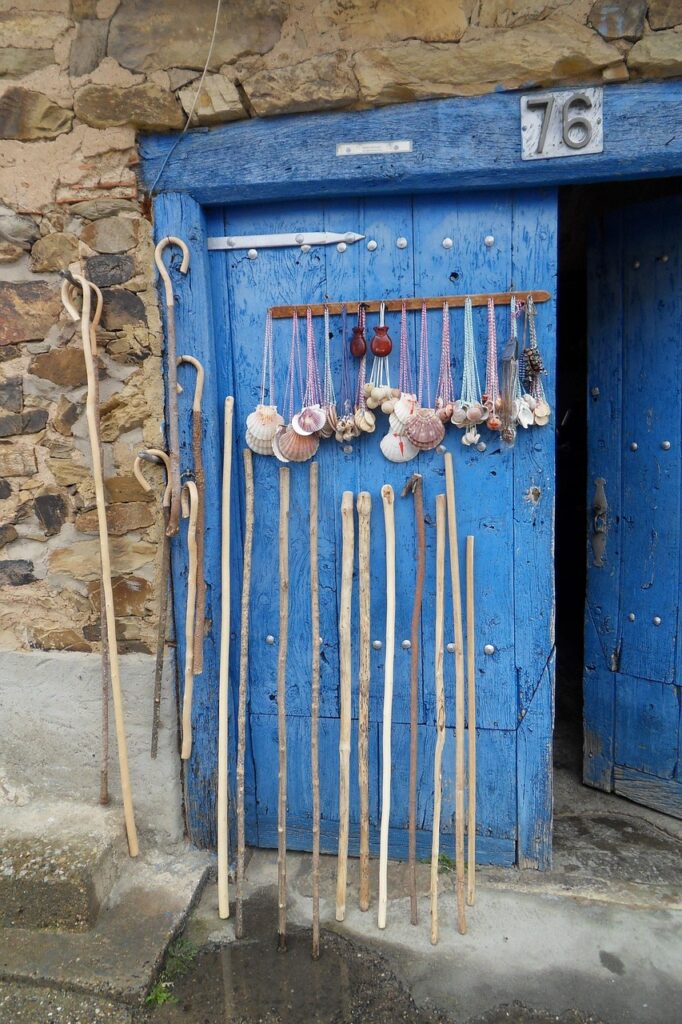
The Cathedral is the pilgrimage’s climax, but it says little about the routes, individual stories and the Camino’s evolution. The Museo das Peregrinacións e de Santiago, dedicated to exploring the variety of routes, pilgrimage objects and personal narratives, offers an immersion that contextualizes arriving at the Cathedral without reducing it to a mere photo trophy.
Concrete alternative:
- Name: Museo das Peregrinacións e de Santiago
- Address: Rúa do Vilar 63 (or the historic-center building dedicated to pilgrims — check exact location on arrival)
- Price: Around €2–4 (reduced rates for groups and students)
- Opening hours: Generally 10:00–14:00 and 16:00–19:00; hours may shift because of liturgical events and temporary exhibitions
Why go? More than a museum, it’s a place of stories: travel journals, objects left by pilgrims and multimedia installations narrate the effort, faith and anticipation. Practical tip: listen to the recorded testimonies and visit off-season for a more intimate experience; bring your own notebook to jot down impressions.
5) Architectures of Power and Places of Learning — Alternative: Centro de Interpretación da Cidade (Casa do Cabildo / Pazo de Xelmírez)
Tourists flock to Obradoiro Square to see the Cathedral; yet few take the time to understand the city’s institutional history: the founding of colleges, episcopal palaces, and ecclesiastical and university governance. These themes are better read in local interpretation centers, often housed in lesser-visited historic palaces.
Concrete alternative:
- Name: Centro de Interpretación da Cidade / Pazo de Xelmírez (interpretive center in a historic palace)
- Address: Praza do Obradoiro / Pazo de Xelmírez, Praza da Inmaculada 1, 15704 Santiago de Compostela (check the dedicated entrance)
- Price: €2–3; combined tickets may be available with other monuments
- Opening hours: Hours vary with seasons and religious services; generally 10:00–18:00
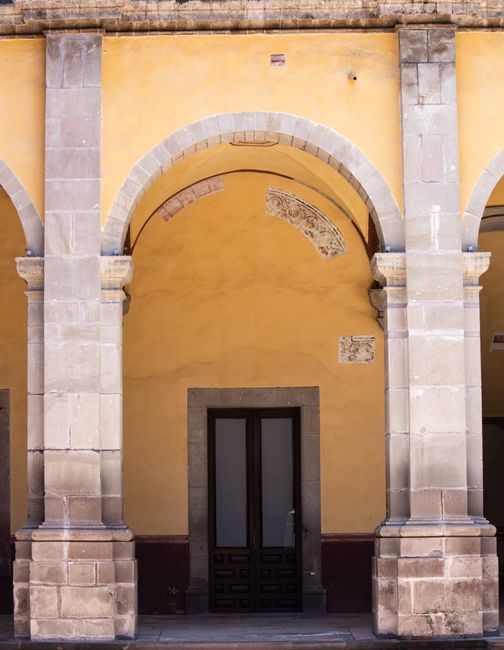
Why go? The Pazo de Xelmírez tells the story of urban planning, the constitution of power and medieval rivalries. You’ll better understand why the Cathedral became so central and how the city organized itself around the sacred. Tip: choose a morning visit to enjoy architectural details and quiet inner courtyards.
6) Music, Dance and Popular Memory — Alternative: Casa-Museo de Rosalía de Castro (Padrón) and Galician music centers
The Cathedral speaks of ceremonies, but not of the words and languages that make the collective heart beat. Rosalía de Castro, a major figure in Galician literature, is a great starting point for understanding the language, poetry and popular sensibility. The house-museum dedicated to her life, as well as small centers focused on traditional music, provide a living portrait of intangible culture.
Concrete alternative:
- Name: Casa-Museo Rosalía de Castro (Rosalía House-Museum)
- Address: Plaza de Neira Vilas, 1, 15900 Padrón, A Coruña (Padrón, about 20 minutes by car/bus from Santiago)
- Price: Around €2–4; reduced rates available
- Opening hours: Variable; often open Tuesday–Sunday 10:00–14:00 and 16:00–19:00
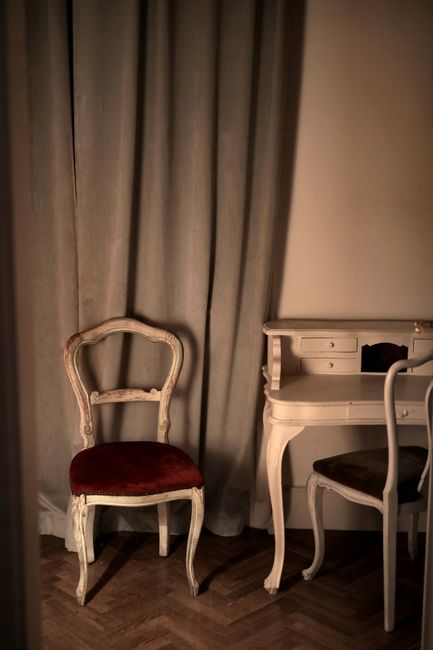
Why go? Rosalía helped revive the Galician language and her writings evoke landscapes, rituals and collective sorrows. The visit blends period rooms, manuscripts and biographical context. Tip: combine it with a small concert or a traditional music session at local cultural centers; a gaitada (bagpipe concert) delivers a truer emotional punch than any Cathedral photo.
7) Contemporary Sites, Gardens and Panoramas — Alternative: Cidade da Cultura and its outdoor exhibits
Visitors squeeze into the old town, but the outskirts tell a story of recent transformation: ambitious architectural projects, gardens and viewpoints. The Cidade da Cultura, designed by Peter Eisenman and hosting various institutions, is often criticized for its scale, but it offers temporary exhibitions, landscaped walks and views over the city that rebalance the urban story.
Concrete alternative:
- Name: Cidade da Cultura de Galicia (complex including exhibition halls and terraces)
- Address: Monte Gaiás, Rúa Cidade da Cultura, s/n, 15707 Santiago de Compostela
- Price: Free access to outdoor areas; indoor exhibitions €0–6 depending on the program
- Opening hours: Outdoor spaces accessible all day; exhibition halls often open 10:00–20:00 (check the agenda)
Why go? It’s an antidote to crowded alleys: walking the terraces, the concrete structures and contemporary gardens gives you a different view of urbanism. Practical tip: bring a windbreaker and plan the visit for late afternoon for golden light; finish with a local beer on a terrace while watching the sunset.
Conclusion — Redefine Your Santiago Itinerary: Quality Over Quantity
Refusing the tyranny of the quick Cathedral snapshot isn’t the same as disparaging it: it’s about choosing depth over tourist performance. The seven alternatives offered here are gateways to complementary stories — people, contemporary art, maritime memory, lived pilgrimage, urban institutions, popular poetry and contemporary architecture. They turn Santiago into not just an arrival point, but a place for cultural conversation.
Final practical tips: prioritize according to your interests (ethnography, art, sea, literature), always check opening hours and prices online before you go — local museums often adapt schedules to seasons and events — and look into combined tickets (some centers offer discounts for students, seniors or groups). Lastly, take your time: two or three well-chosen alternative visits are worth more than a monument marathon of one-hour drop-ins. You’ll leave with more nuanced images, stronger knowledge and, often, more meaningful encounters.
Santiago deserves to be experienced through its contrasts. Let the Cathedral keep its sacred place, but give yourself permission to look elsewhere — in intimate museums, art centers, writers’ houses and modern terraces — so the city can speak to you in a quieter voice.