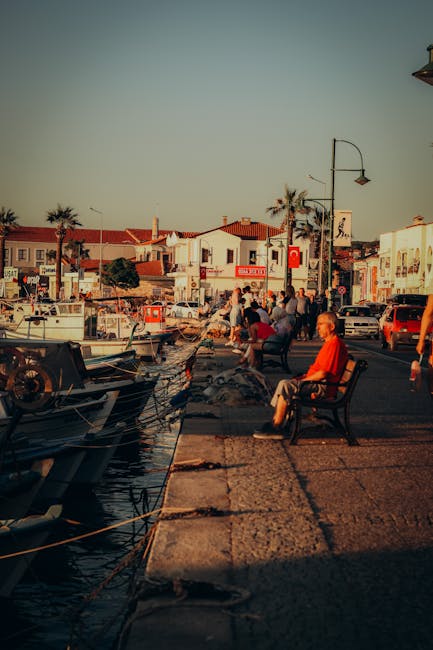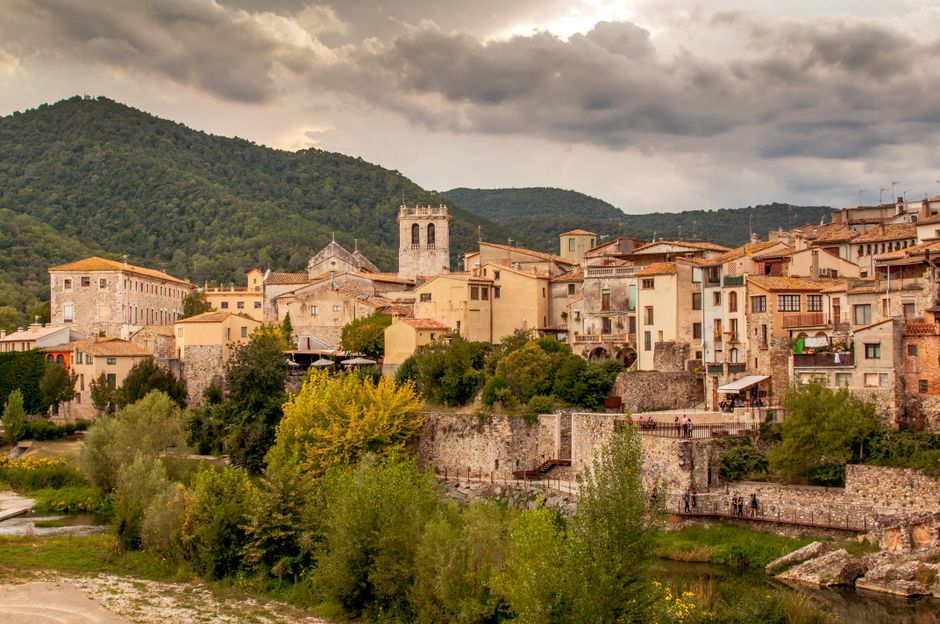






Introduction — Forget the Rías Baixas: why these villages near Santiago are worth more of your time
When people talk about Galicia and its coastal landscapes, the Rías Baixas often pop up as the must-see postcard: Albariño vineyards, beaches packed in summer, photogenic fishing boats. But the massive pull of the Rías Baixas — fueled by blogs, Instagram and package tours — has created a tourist bubble that flattens the region’s real complexity and variety. If your trip starts and ends in Santiago de Compostela, it’s worth asking whether you’re just following the well-worn trail. Sometimes the best of Galicia is hiding just a few dozen kilometres from Santiago, in villages where time seems to slow down to welcome visitors rather than monetize them.
This piece isn’t an anti-Rías Baixas screed: I’m not denying the beauty of some rías or dismissing whole areas. It’s a practical counter-proposal. The Rías Baixas have become a tourism brand, and like any brand they focus on curated experiences — seafood, beaches, wine cellars — that can disappoint if you’re looking for authenticity, everyday life and alleys where the local accent blends with the smell of fresh bread. Right next to Santiago de Compostela there are lesser-known villages often overlooked because they don’t fit the glamorous coastal story. These places, however, offer rich heritage, lively ports, local markets and a relationship with sea and time that isn’t dictated by the tourist season.
Think of this as an anti-guide: first we’ll unpack the clichés that make the Rías Baixas overhyped for travellers based in Santiago, then we’ll tour four specific villages — Noia, Combarro, Muros and Padrón — each with practical, verifiable alternatives you can use right away (exact address, hours, indicative prices, transport and dining tips). I’ll be blunt: I’m not trying to devalue a region, just to rebalance a traveller’s view and give you tangible options for a few hours or a few days away from the Jacobin capital.
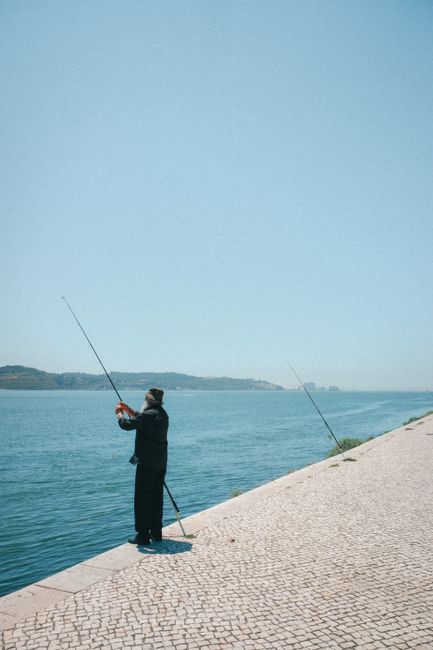
Why the Rías Baixas are overhyped from Santiago (and when to head elsewhere)
The Rías Baixas are seductive: coastline, wine and beaches. But if your base is Santiago de Compostela they can be a poor option for several objective reasons. First, accessibility: some popular rías (like those around Sanxenxo or O Grove) require an hour-and-a-half to two hours’ drive from Santiago, sometimes more in high season. Getting there costs time and can eat a whole day — often just to find crowded beaches and homogenised tourist streets.
Second, seasonality and mass tourism. In summer the Rías Baixas attract intense domestic tourism (Galicians, people from Castilla, Madrid), and businesses maximise flow: tourist menus, long waits at restaurants, packed beaches. The experience becomes a stream of standardised services at the expense of small shops and local traditions. In low season, some places keep the appearance of a village but many businesses shut down — ironically you lose both the crowds and the services.
Third, the postcard image hides inland diversity. Galicia has coastal villages but also inland towns that tell very different stories: rows of hórreos, early-morning fish markets, little squares where the town clock still paces daily life. Starting from Santiago, there are alternatives that offer the same — and often deeper — beauty with shorter journeys, more authentic human contact and lower costs.
Finally, value for money. Guided tours to the Rías Baixas sometimes include winery visits and tastings priced for the tourist market and aimed at mass production. By contrast, villages close to Santiago often have fishermen selling directly on the quay, local markets and family-run taverns where you pay a fair price for quality. In short: if your base is Santiago and you’re after immersion, history and local flavour, it’s often better to skip the hype spots and aim for modest, nearby villages that are lively and genuine.
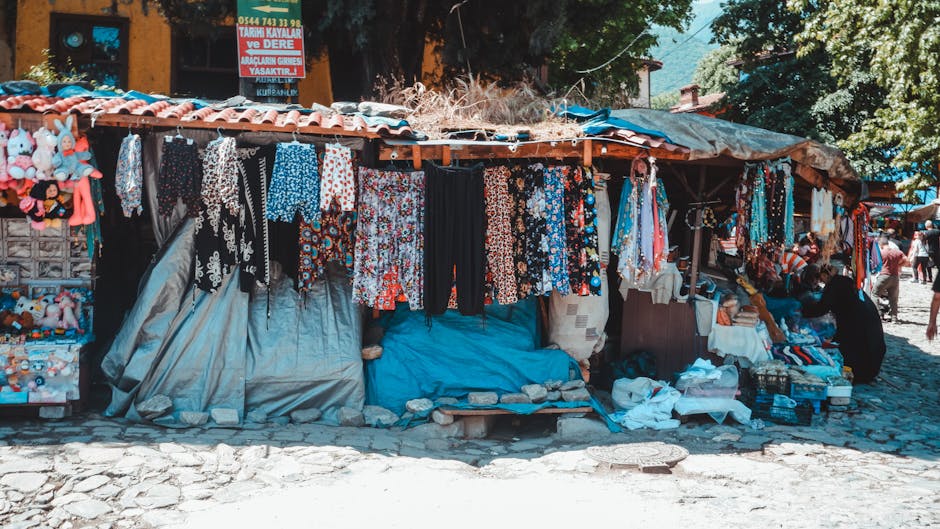
Noia — understated elegance just 30 minutes from Santiago
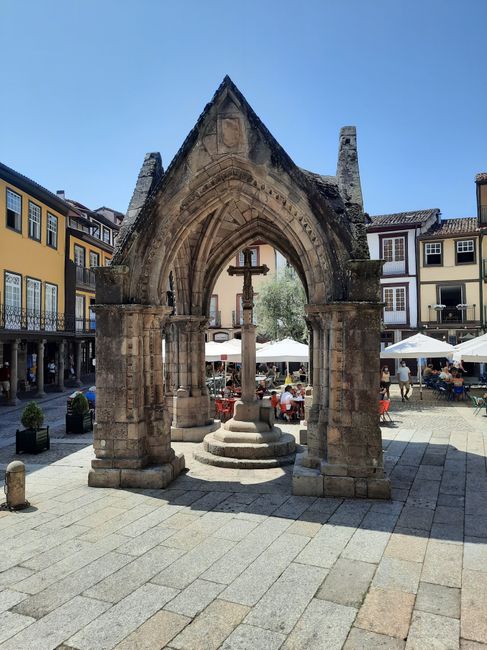
Noia is a small port town 30–40 minutes by car from Santiago de Compostela, or about 50 minutes by Monbus bus (Santiago–Noia line). Often overshadowed by other destinations, Noia has a remarkable historic centre and a working port year-round. The landmark to look for is the Colexiata de Santa María a Nova.
- Recommended site: Colexiata de Santa María a Nova
- Address: Praza da Colexiata 2, 15200 Noia, A Coruña
- Hours (approx.): 10:00–14:00 / 16:00–19:00 (closed Monday morning; seasonal hours)
- Price: free entry, donations accepted (€0–5 suggested to help maintenance)
What strikes you in Noia is the alignment of medieval façades around small squares, alleys where you can hear neighbours chatting, and markets where the fish arrives fresh in the morning. For a solid local meal try O Lar do Cunqueiro (Rúa do Campo 15, 15200 Noia). Daily specials run roughly €12–16; tapas €2.50–4. Tip: get to the municipal market (Praza de Abastos) around 09:00 to watch the small trawlers unload and sell.
Combarro — hórreos in a row and a river that marks the rhythm
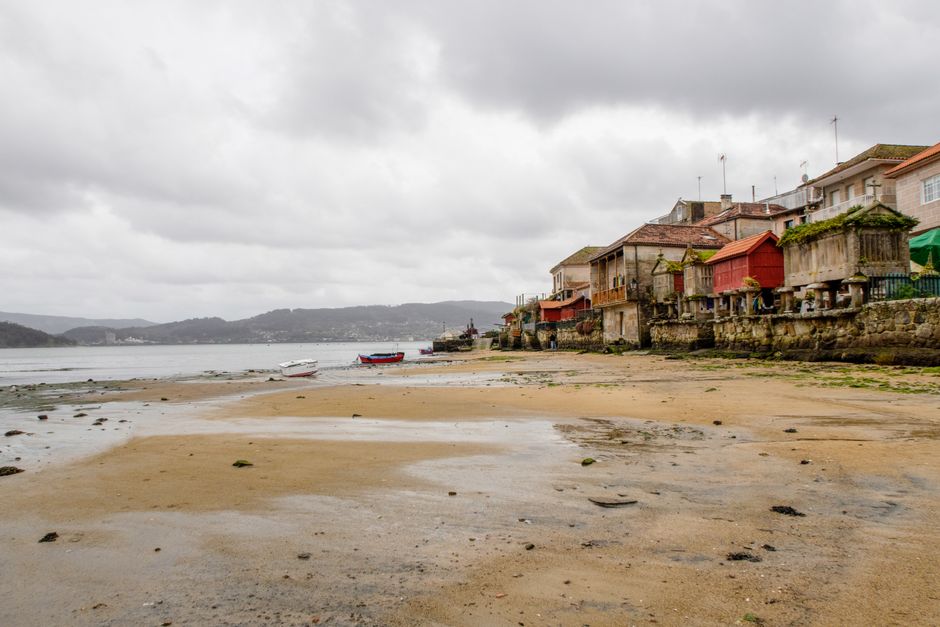
Combarro is often photographed for its hórreos (granaries on stilts) lining the waterfront, but most visitors stop at the viewpoint and leave. If you take your time, Combarro reveals small family-run taverns, tidal esplanades and lanes filled with the smells of bread and grilled fish.
- Recommended site: Rua da Ribeira (waterfront promenade and hórreos)
- Address: Rua da Ribeira, 36970 Combarro, Pontevedra
- Hours: promenade open 24/7; shops and restaurants typically open 12:00–16:00 / 20:00–23:00 (weaker schedules in low season)
- Price: free to access the village; tapas and dishes €8–20 depending on choice (e.g. grilled cuttlefish €12–18)
Practical alternative: to taste local cooking without tourist traps, head to O Xantar da Ría, Rua da Igrexa 5, 36970 Combarro. Hours: 12:30–15:30 / 20:00–23:00; main courses €10–18, tasting menus around €25–35. Local tip: stroll the waterfront at low tide to see the boats resting on the mud — the atmosphere is very different from the Instagram postcard.
Muros and Padrón — living ports and little everyday stories
Muros and Padrón show two complementary sides: Muros, an authentic fishing port west of Noia, and Padrón, an inland town famous for its pimientos and literary links to Camilo José Cela and Rosalía de Castro. Both are worth a visit for different reasons and are easy day trips from Santiago in 40–60 minutes.
- Muros — point of interest: Puerto de Muros
- Address: Puerto de Muros, 15980 Muros, A Coruña
- Hours: active port 06:00–20:00 (early-morning market), bars and marisquerías open 12:00–16:00 / 20:00–23:00
- Price: seafood platter for 2–3 people €35–60 depending on the catch
- Padrón — point of interest: Mercado de Padrón (Praza de Abastos) and the Rosalía de Castro House-Museum
- Address: Praza do Concello 1, 15900 Padrón, A Coruña (central market); Rúa Cruz 12, 15900 Padrón for Casa-Museo
- Hours: market 08:00–14:00; Casa-Museo 10:00–14:00 / 16:00–19:00 (closed Monday)
- Price: market free; Casa-Museo entry about €3–5
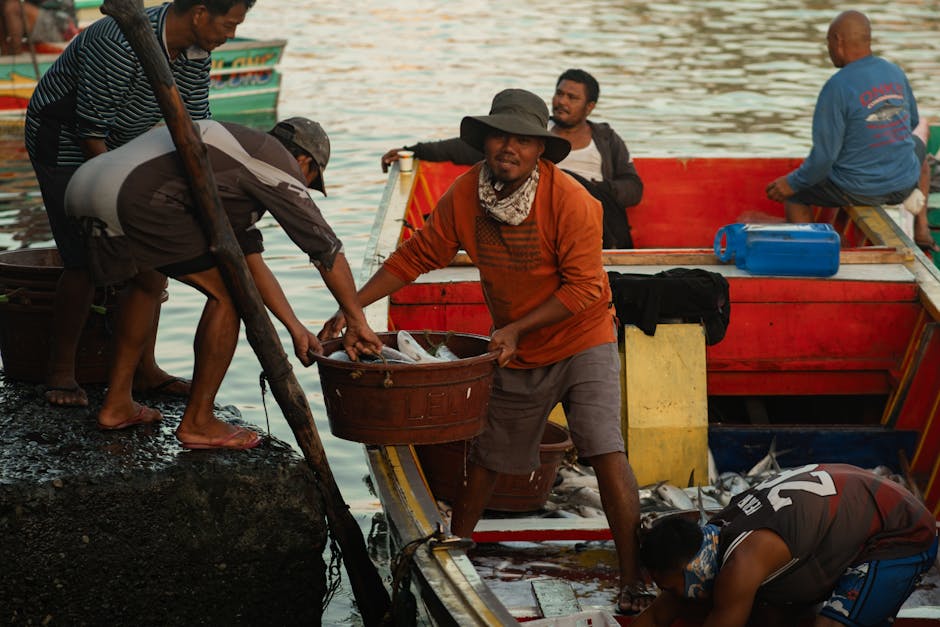
In Muros, go early to watch the fish being unloaded and eat at a local marisquería: Marisquería O Lar (Praza do Campo 4, 15980 Muros) serves octopus tapas and mussels from about €4; seafood platters to share run around €40–50. In Padrón, buy pimientos de Padrón at the Mercado Municipal (Praza de Abastos) and try the little grilled skewers at Casa Pita (Rúa Ferrería 7). Pimientos typically cost €3–5 a portion; the atmosphere is priceless.
Practical tips — how to organise these escapes from Santiago
Transport: the easiest way is regional bus. Monbus and local operators serve Noia, Muros and Padrón from Santiago’s bus station (Rúa de Ramón Cabanillas). Indicative fares: €4–8 one way depending on destination and season. By car expect 30–60 minutes; by taxi prices vary but budget €40–70 one way for Noia or Muros.
Timing: to make the most of a full day, leave early (08:00–09:00): market and port life are at their peak before noon. Eat at a marisquería at lunchtime — the produce is at its freshest and often cheaper than in the evening. If you want to avoid crowds, aim for shoulder seasons (April–May, September–October): the weather is reasonable, prices are softer and essential businesses usually stay open.
Local etiquette: respect mass times if you visit churches, ask permission before taking close-up photos of boats or fishing nets, and buy at the market: a few euros spent locally make a big difference to a family business.
Conclusion — choosing authenticity near Santiago
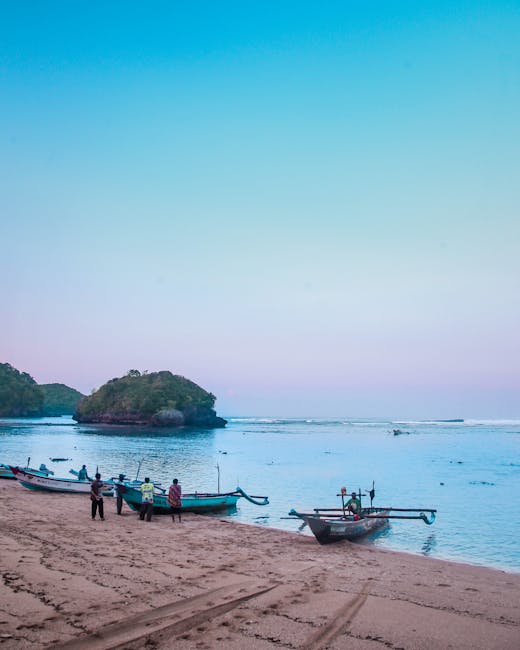
If you’re based in Santiago de Compostela it’s easy to be seduced by the glamorous image of the Rías Baixas. However, the proximity of villages like Noia, Combarro, Muros and Padrón offers a more intimate experience that’s often cheaper and, above all, truer to Galicia’s rhythms. These places provide human exchanges, lively markets, ports where boats really come home every morning, and family tables where you pay for the produce, not the tourist label.
In practice: start with Noia for its low-key elegance and daily port life; move on to Combarro for the hórreos and ría-side walks; add Muros for the intensity of a working fishing port; finish in Padrón for its market and pimientos. Each stop pairs well with a Santiago base and can be done as half-day trips or a single-day excursion without sacrificing quality. The addresses, hours and prices given here are practical reference points — check seasonal schedules if you travel in winter — but the central idea stands: small, well-chosen detours often deliver more than a standard visit to the popular rías.
Bottom line: ditch the automatic itinerary. If your time begins and ends in Santiago de Compostela, think of these villages as micro-destinations — less photographed on Instagram, richer in stories and smells. You’ll leave with something rare: not a set of photos like everyone else’s, but encounters, flavours and images that stick.