





Introduction — Why the Santiago de Compostela Cathedral Is a Must-See
The Santiago de Compostela Cathedral, officially the Catedral de Santiago de Compostela, is one of Europe’s most important spiritual, historical and architectural landmarks. Nestled in the heart of the UNESCO-listed old town, it draws tens of thousands of pilgrims and curious visitors each year who want to grasp the scale of the Camino de Santiago and admire a building that evolved between the 11th and 18th centuries. Visiting isn’t just about a quick photo in front of the façade: it’s a multi-sensory walk through stone, carved wood, gilding, liturgical atmosphere and unbeatable views from the upper parts.
This practical ten-step guide gives you a structured, essential tour of the cathedral and its surroundings: how to enter, what to see inside, how to reach the roofs (the famous « cubiertas »), which exhibitions to visit, where to obtain the Compostelana (the official pilgrim certificate), what opening times and prices to expect, and local tips to enjoy Santiago de Compostela like a regular. The steps include precise addresses — for example the main square Praza do Obradoiro, s/n, 15705 Santiago de Compostela, A Coruña, Spain — plus practical info (indicative euro prices, usual times for services and museums) so you can plan a calm visit.
This guide is aimed at a broad audience: pilgrims, city travelers, lovers of sacred art and families. You’ll find immersive descriptions of the spaces (the Portico of Glory, the baroque high altar, the crypt), tips for attending the Misa del Peregrino, recommendations to avoid the busiest moments, and an explanation of rates and booking procedures for guided tours and paid areas (museum, cubiertas, cathedral-museum). Note that some liturgical elements (like the majestic Botafumeiro) operate on a specific schedule and that prices or opening times can change: always check the official Catedral de Santiago website or contact the Oficina de Turismo de Santiago before you go.
1. Arrival and First Impression: Praza do Obradoiro
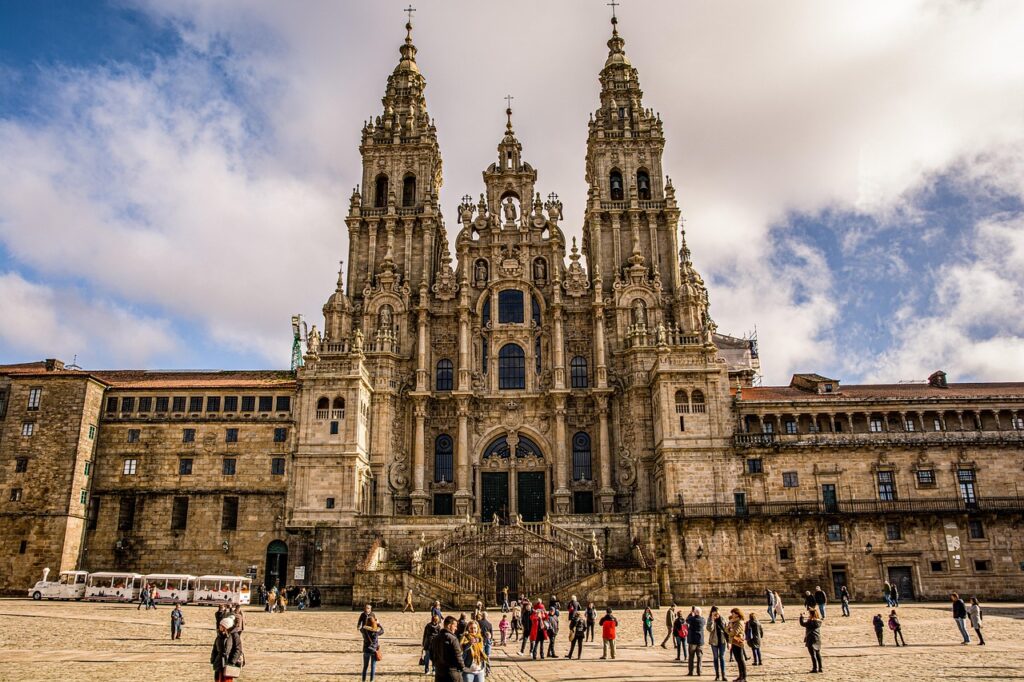
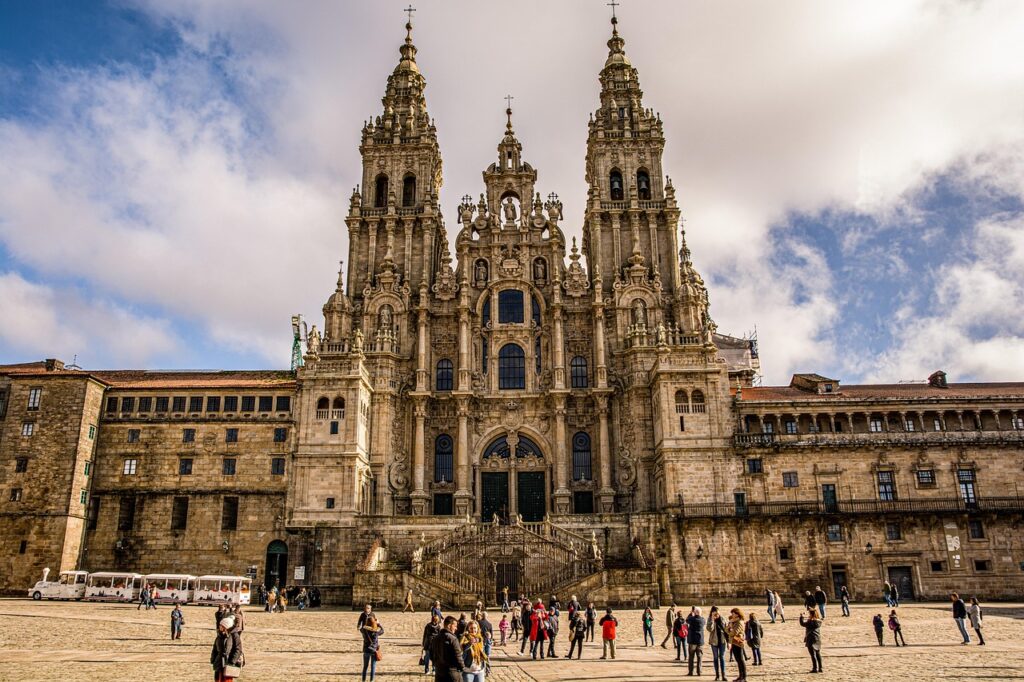
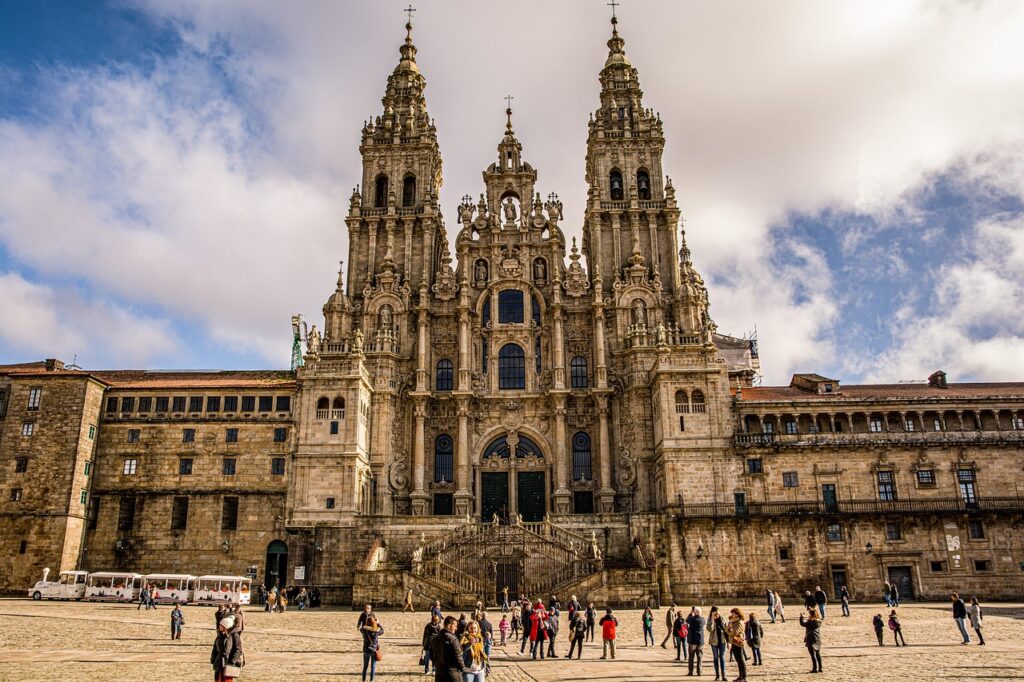
The first image that will stick with you is the vast Praza do Obradoiro, the grand square flanked by the cathedral’s baroque façade, the Parador de los Reyes Católicos and the Raxoi Palace. Exact address: Praza do Obradoiro, s/n, 15705 Santiago de Compostela, A Coruña, Spain. This is the symbolic finishing point for many pilgrims. Arrive early in the morning (between 07:00 and 09:30) to enjoy soft light on the façade and avoid large tour groups. The square is freely accessible and the frontal view of the main elevation is free of charge.
Practical tips: park at the public Parking Cidade da Cultura if you arrive by car (approximate address: Rúa da Senra, 15705 Santiago de Compostela) or use the bus and train hub at Estación de Santiago (Ronda de Don Bosco, s/n, 15704 Santiago de Compostela). The Oficina de Turismo de Santiago is also on the square (Praza do Obradoiro, s/n) and offers maps, plans and practical information. Office hours: typically 09:00–19:00 in high season; information and brochures are free. Photography: follow signage, especially inside the cathedral where flash use may be restricted.
2. Entering the Cathedral: Access, Free Areas and Paid Zones
Access to the main nave and religious services is free: just walk through the main door on Praza do Obradoiro. Official cathedral address: Catedral de Santiago de Compostela, Praza do Obradoiro, s/n, 15705 Santiago de Compostela. Typical public opening hours: Monday to Saturday 07:00–20:30, Sundays and public holidays 07:00–21:00. These times are indicative; temporary closures can occur for liturgical events.
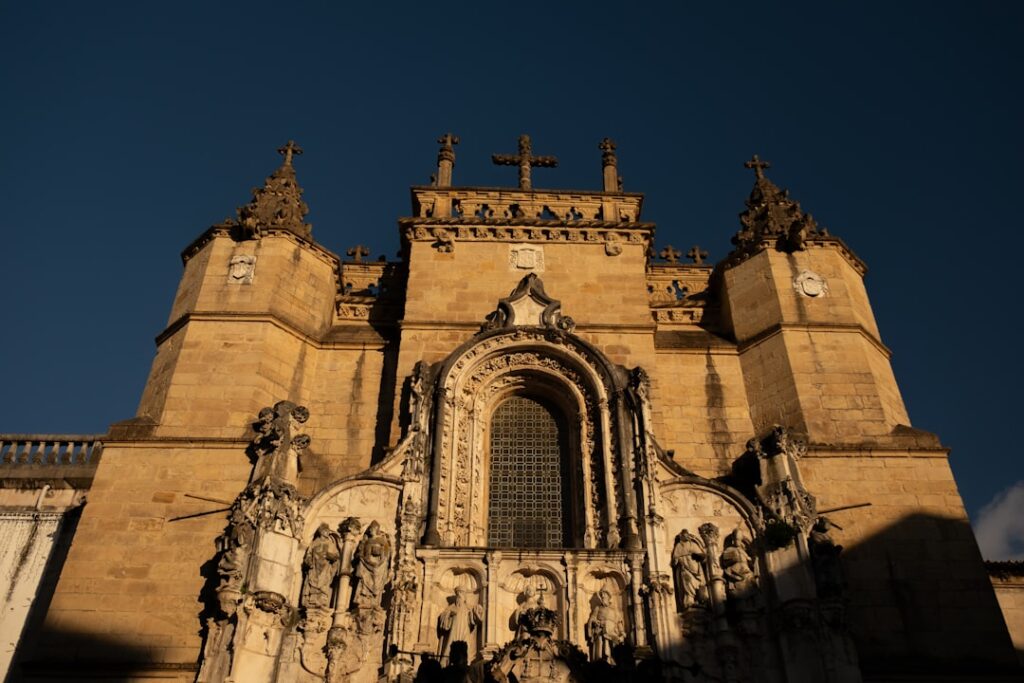
However, several areas and activities require tickets or reservations: the Museo Catedralicio (Cathedral Museum), the visit to the cubiertas (rooftops) and the climb up the Berenguela Tower (sometimes limited). Indicative prices (check before you go): Museo Catedralicio: €6.00 (standard), reduced: €3.00 (youth, seniors, groups); Cubiertas visit: €8.00 (standard), reduced: €4.00. Buy tickets at the official ticket office near the museum entrances or reserve online via the cathedral’s official site. Combined tickets (museum + cubiertas) are sometimes available at a discounted rate.
3. The Portico of Glory and the Nave: Romanesque Art and Emotion
The Portico of Glory (Pórtico de la Gloria) is a masterpiece of Romanesque sculpture, the work of Master Mateo’s workshop (12th century). This monumental portal is one of the visit’s highlights. It’s located inside, at the lower left side of the western façade, and can be admired at eye level from the central nave. Conservation work carried out in 2018 improved lighting and restoration; the resulting presentation makes the sculpted figures — apostles, evangelists, triumphant Christ and a symbolic bestiary — much easier to read.
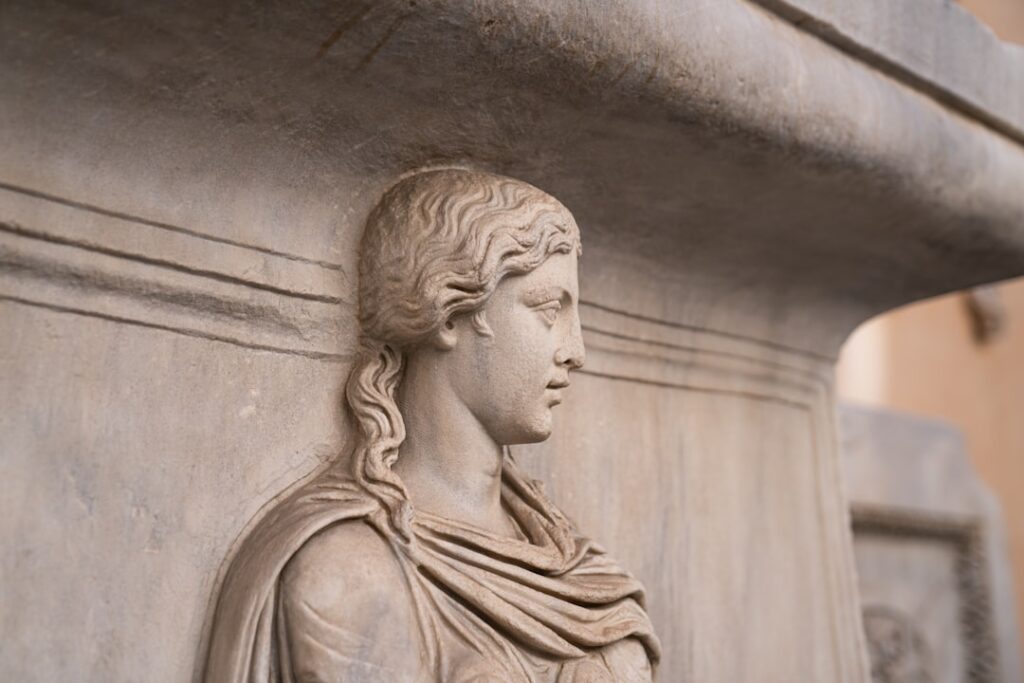
Immersive description: move in slowly, let your eyes follow the carved lines, notice the patina of time, the gestures of the figures and the geometry of the archivolts. The play of shadow and light makes the narrative of this portal almost theatrical. Local tip: visit in the late afternoon for a different quality of light and fewer people. Respect the signage and do not touch the sculptures; human contact accelerates wear and the cathedral staff monitor this carefully.
4. The Crypt and the Tomb of the Apostle James: A Place for Reflection
The crypt housing the tomb of the Apostle Saint James (Santiago) is a core element of the experience. It’s accessed from the central part of the cathedral and the space is designed for devotion and contemplation. This sacred spot is free for most visitors, but strict rules apply: limited photography, silence required and queues are common, especially in spring and summer. The tomb itself is adorned with a baroque canopy and reliquary; the main draw is the emotion of standing above the place that has drawn pilgrims for centuries.
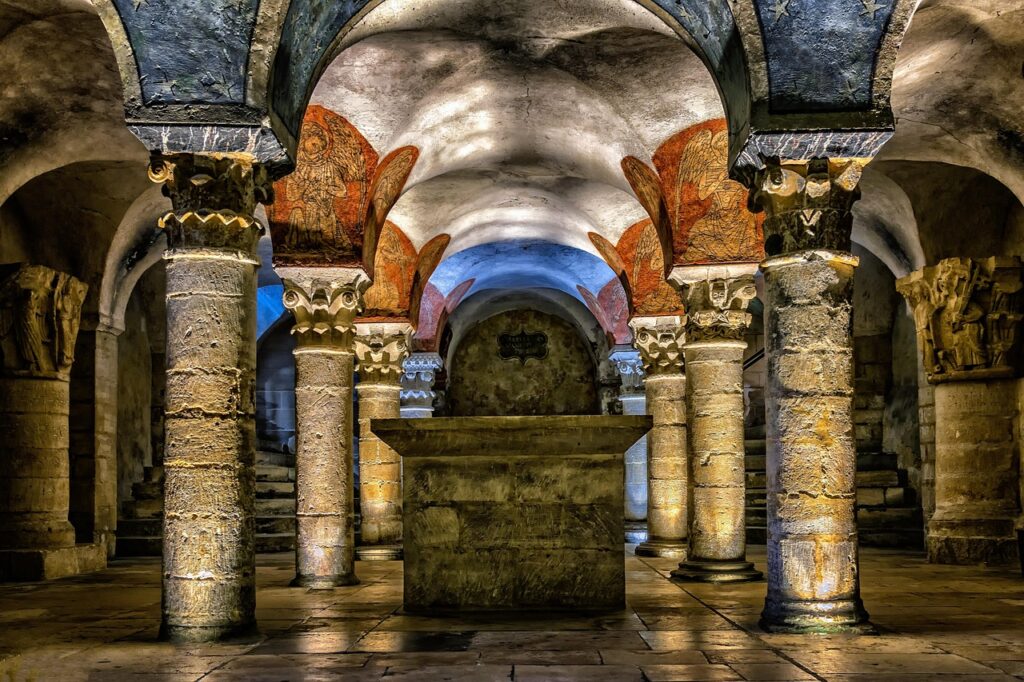
Visiting hours: generally aligned with the cathedral’s opening times (see section 2), but access may be restricted during major liturgical celebrations. Practical tip: if you’re a pilgrim with the « Credencial del Peregrino » (pilgrim’s credential), present it at the entrance and ask about receiving the Compostelana, the official certificate issued by the Cathedral. That administrative procedure is usually carried out at the pilgrims’ office nearby (Oficina del Peregrino, address: Rúa Carretas, 33, 15705 Santiago de Compostela), with specific hours (generally 09:00–13:30 and 16:00–19:00), and may be free or involve a small fee for issuing the document.
5. Misa del Peregrino and the Botafumeiro: Experiencing the Liturgy
Attending the Misa del Peregrino (Pilgrim’s Mass), celebrated daily at the Cathedral, is a major experience. The best-known time is the noon mass: 12:00 (in high season this can be confirmed by the cathedral’s office). During this mass, blessings for pilgrims are common and time is often set aside to recognize walkers who completed the Camino. The ceremony is solemn and generally very respectful of tradition.
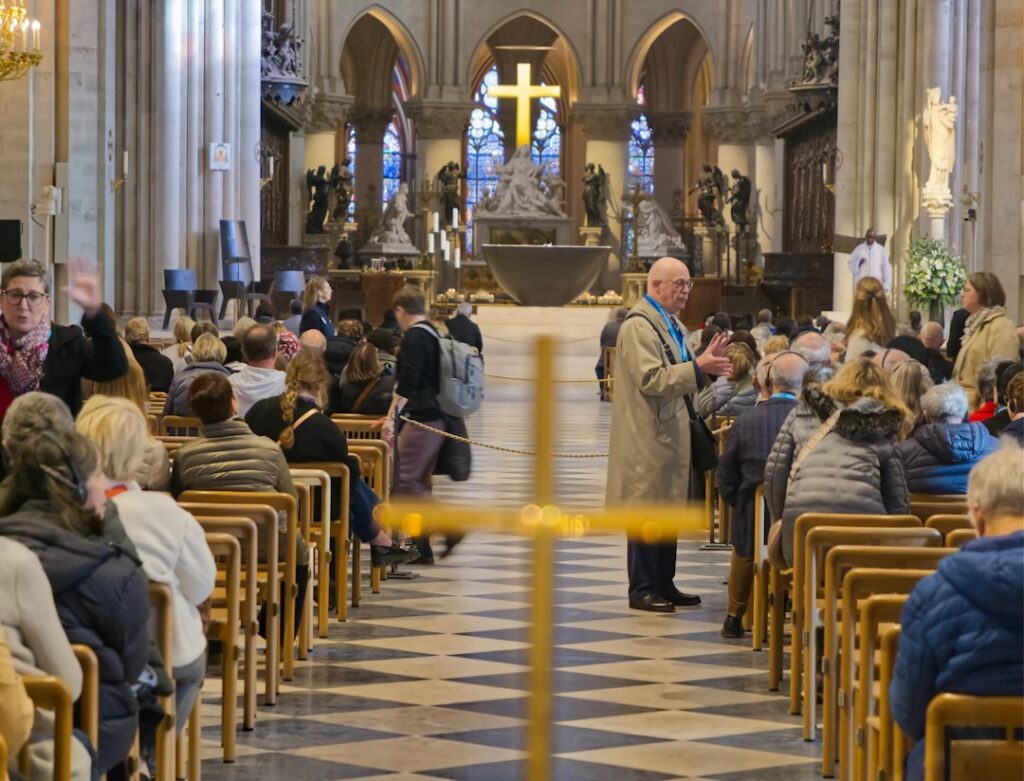
The Botafumeiro — the huge spectacular thurible — is one of Santiago’s iconic symbols. It is operated on certain occasions: traditionally during major feasts (Good Friday, St. James Day on July 25) and on specific dates like some Fridays or at solemn masses. Some services or tourist-oriented ceremonies schedule it. If you want to see it in action, check in advance with the Oficina de Turismo (Praza do Obradoiro) or cathedral staff: the Botafumeiro is not guaranteed to run every day.
6. The Museo Catedralicio: Treasures, Silverwork and Relics
The Museo Catedralicio is next to the cathedral and houses an important collection of silverwork, liturgical objects, relics and archives. Address: Museo Catedralicio, Praza do Obradoiro, s/n, 15705 Santiago de Compostela. Usual opening hours: 10:00–14:00 and 16:00–19:00 (times vary by season). Indicative prices: €6.00 full price, €3.00 reduced. The museum also offers audio guides in several languages.
Immersive description: inside, take a close look at the ornate chalices, embroidered vestments, ancient manuscripts and pieces of sacred furniture. A section presents documentation on the pilgrimage, credentials and historical testimonies. Tips: allow at least 45–60 minutes for the visit, wear comfortable shoes and follow the exhibition’s chronological order to better understand the spiritual and artistic evolution of the site.
7. Climbing to the Cubiertas (Rooftops) and the Berenguela Tower
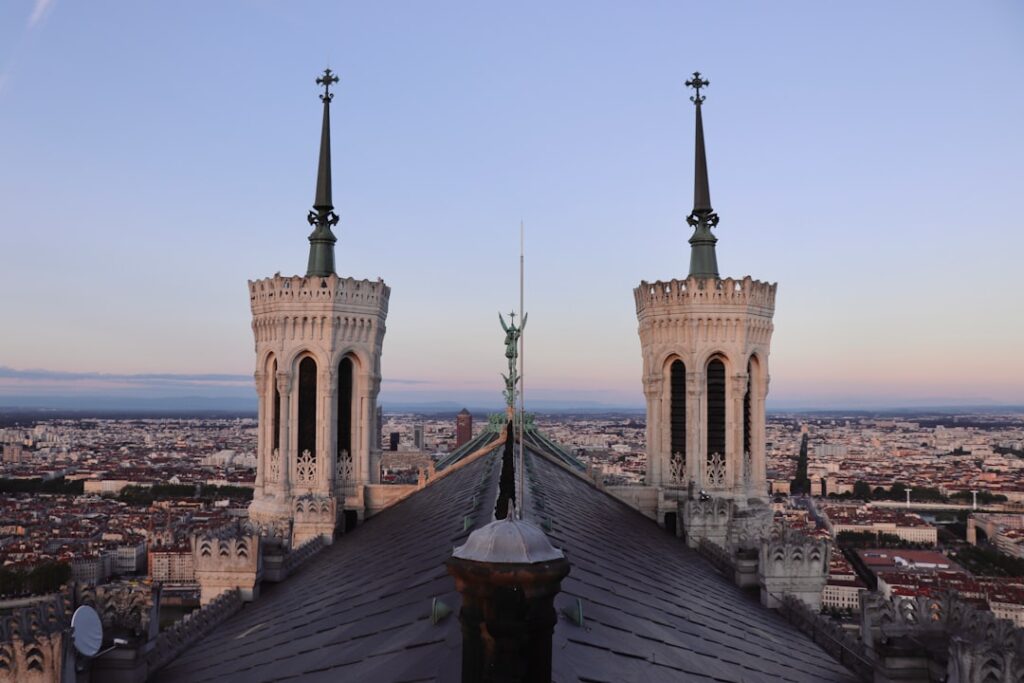
For a different perspective, the cubiertas (rooftops) tour offers panoramic views over the old town and the tangle of Santiago’s roofs. Access is via a guided tour organized by the cathedral: meeting point details are usually given when you book (ticket office near the museum). Indicative prices: €8.00 full price, €4.00 reduced. Duration: about 45 minutes to 1 hour. Age and fitness limits: the route can include narrow stairs and low passages — not recommended for people with reduced mobility.
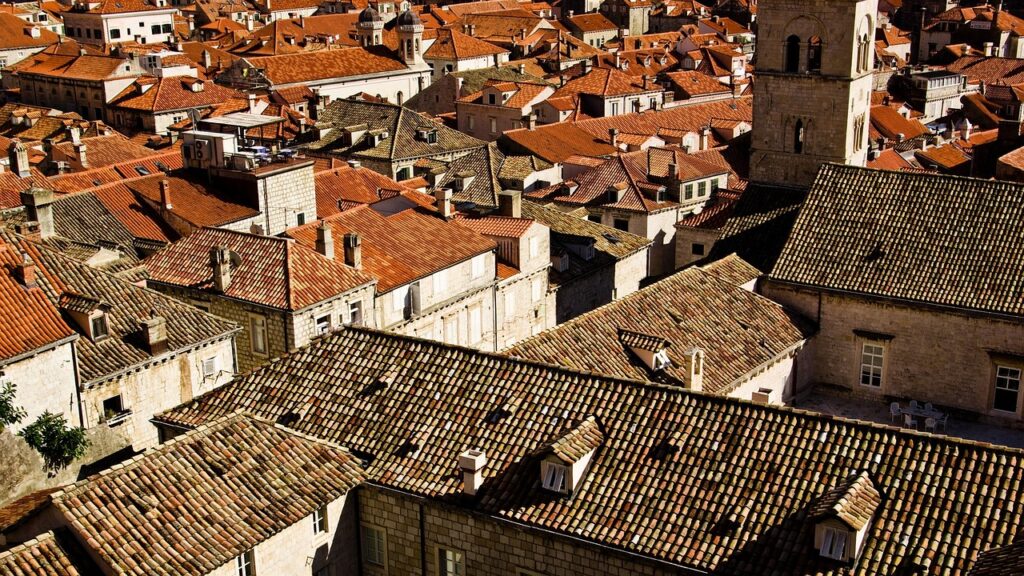
The Berenguela Tower (Torre da Berenguela) also provides elevated views and houses the historic clock. The climb may require a separate reservation depending on the day. Local tip: book early in the morning for clear light and fewer people, or late afternoon for warm sunset tones. Bring water, a hat and a camera with a good wide-angle lens to capture sweeping views.
8. The Surroundings: Monasteries, Alleys and Complementary Museums
Santiago’s old town offers many places to explore after the cathedral. A few steps away, visit the Monasterio de San Martiño Pinario (Praza de San Martiño, s/n, 15704 Santiago de Compostela) for its cloister and baroque architecture. The Centro Galego de Arte Contemporánea (CGAC) is on Rúa Ramón del Valle-Inclán, s/n, 15705 Santiago de Compostela and features an interesting contemporary program. For a food break, wander the alleys such as Rúa do Franco and Rúa da Raíña where taverns and traditional restaurants are concentrated.
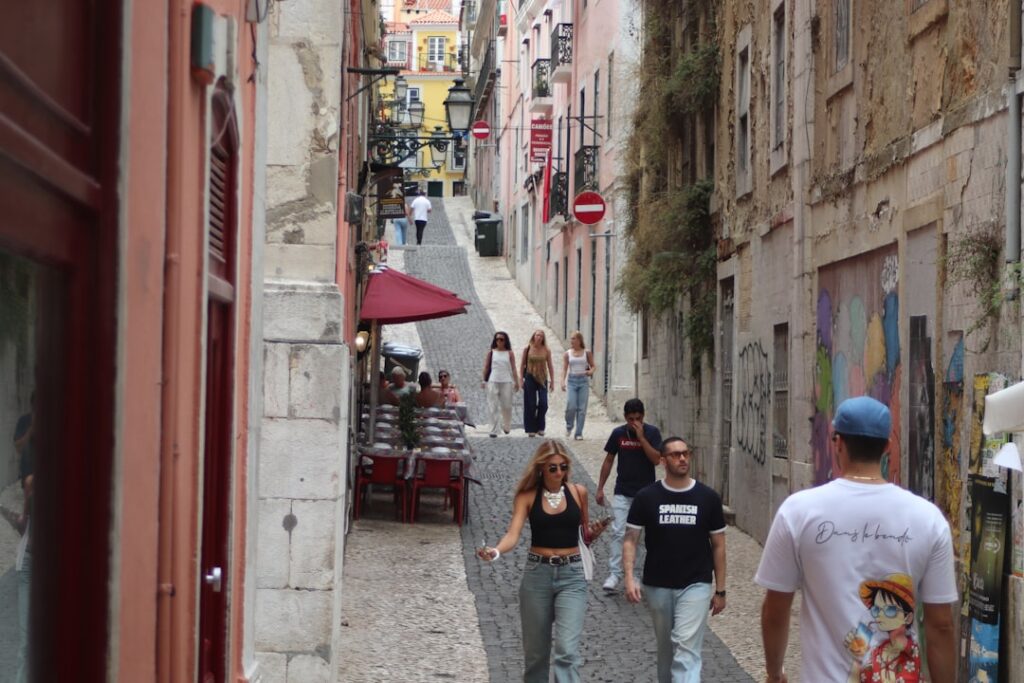
Food recommendations: try Galician specialties like pulpo a la gallega (Galician-style octopus), served at well-known spots such as O Gato Negro (Rúa do Franco, 20) or Casa Marcelo (Rúa das Carretas, 1) — expect main courses from around €12 to €28 depending on the restaurant. Local tip: avoid the most touristy alleys at peak times and look for small taverns frequented by locals for better value and quality.
9. Practical Services: Tickets, Exact Times and Useful Contacts
Tickets and reservations: the official Catedral de Santiago ticket office is located near the museum (Praza do Obradoiro, s/n). For issuing the Compostelana and other pilgrim services, go to the Oficina del Peregrino, address: Rúa Carretas, 33, 15705 Santiago de Compostela. Oficina del Peregrino hours: generally 09:00–13:30 and 16:00–19:00 (check seasonally). For themed guided tours, consult the cathedral’s official website or contact the Oficina de Turismo de Santiago (Praza do Obradoiro).
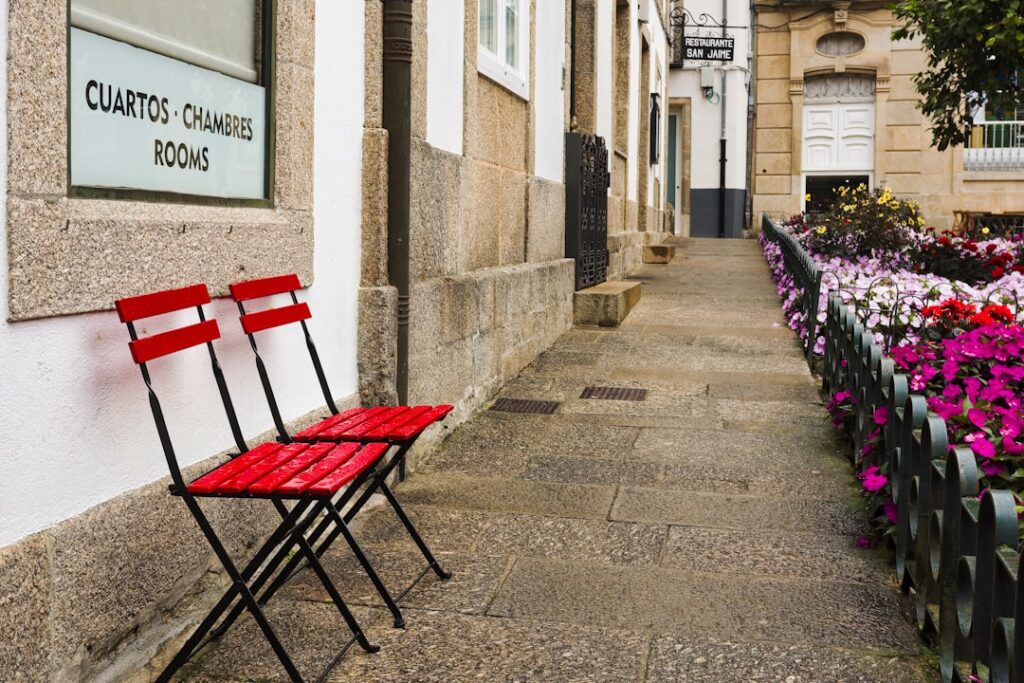
Summary of indicative fees (to confirm): cathedral nave entrance free; Museo Catedralicio: €6.00 / reduced €3.00; Cubiertas: €8.00 / reduced €4.00; special guided visits and combined tours: variable (€10.00–€20.00). Payment methods: the ticket office generally accepts cards and cash, but carry some cash for small purchases. Useful phone: +34 981 56 30 70 (indicative cathedral/office number, verify before calling). Tip: check official pages or call ahead to confirm opening hours and availability, especially off-season or on religious holidays.
10. Local Tips, Safety and Respect for the Site
Behavior and respect: the Cathedral is an active place of worship — keep noise to a minimum, avoid phone calls inside and follow staff instructions. If you attend a service, dress modestly (avoid very short shorts and bare shoulders). Photograph discreetly: some areas limit photography or forbid flash. Safety: the old town is generally safe, but keep an eye on your belongings in crowded spots.
Recommended times to visit: early morning (07:00–09:30) for good light and fewer people; late afternoon (17:00–19:30) for beautiful colors and the chance to combine sightseeing with dinner. Local transport: city buses (Empresa de Transportes de Santiago) and taxis are available around Praza da Estación. Accommodation: options range from the historic Parador de los Reyes Católicos (Praza do Obradoiro, s/n) for a premium experience, to many pilgrim hostels and budget stays in the center with prices from about €20 (hostels) to €200+ (parador) depending on season.
Conclusion — A Visit That Touches Mind and Senses
The Santiago de Compostela Cathedral is more than a building: it’s a living place full of history, art and devotion. With these ten structured steps — from arriving at Praza do Obradoiro to climbing roofs and visiting museums — you now have a roadmap to plan a full and memorable visit. Each step reveals a different facet: the baroque scale of the façade, the intimacy of the crypt, the narrative strength of the Portico of Glory, the majesty of the Botafumeiro and the surprise of panoramic views from the cubiertas.
Practical and sustainable: plan ahead for paid visits (Museum, Cubiertas), check service times if you want to attend the Misa del Peregrino or see the Botafumeiro in action, and inquire about receiving the Compostelana if you’re a pilgrim. Don’t forget to enjoy the alleys and Galician cuisine, and to respect conservation and worship rules. Above all, allow time for the quiet emotion this place evokes: let the incense, the play of light on stone and the slow presence of generations who’ve passed through here soak in.
Safe travels — may your visit to the Catedral de Santiago de Compostela become a moment rich in discovery and reflection, whether it’s the culmination of a pilgrimage or a cultural stop on your trip through Galicia. For the latest information (exact prices, exceptional opening hours, special reservations), check the cathedral’s official website or contact the Oficina de Turismo de Santiago before you leave.