





Introduction — Rural heritage near Santiago de Compostela: why these gems are worth a detour
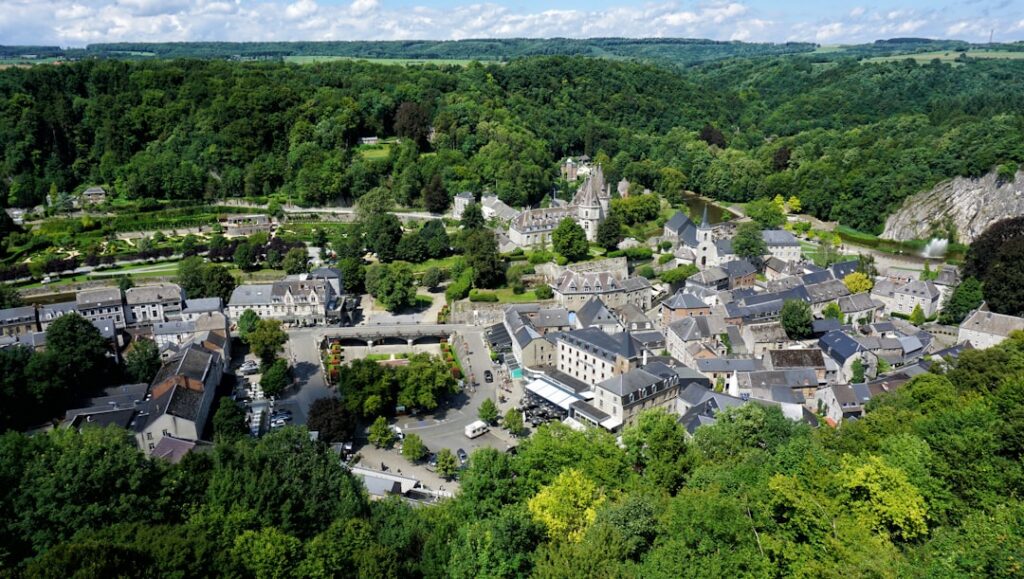
Santiago de Compostela is best known for its cathedral, the tomb of the apostle, and the steady stream of pilgrims. But within an hour or two of the city, a different Galicia unfolds: rural landscapes, manor houses (pazos), monasteries, megalithic sites and millennia‑old villages that tell a quieter, more intimate story. This guide highlights seven rural heritage gems reachable from Santiago de Compostela, chosen for their historical interest, state of preservation and the immersive experiences they offer curious visitors.
Each stop below includes the exact address, typical opening hours, entrance fees where applicable, a detailed description and local tips (best times to visit, access by car or public transport, recommended gear and visit duration). The goal is to help travelers plan easy day trips or short off‑the‑beaten‑path stays away from the Camino’s busiest routes. You’ll also find nearby food recommendations, photo tips and practical notes (parking, accessibility, seasonal crowds).
In Galicia, rural heritage is often closely tied to the land: pazos and their gardens, monasteries surrounded by woods, castros overlooking the sea and dolmens set in hedged farmland. These places aren’t mere curiosities; they bear witness to cultural exchanges, agricultural change and a popular spirituality that shaped rural life for centuries. You’ll spot Romanesque, Gothic and Baroque traces, alongside megalithic structures whose roots reach into prehistory. The charm lies in the details: wrought iron gates, the inner courtyards of pazos, garden perspectives, the texture of mossy stones and the way Galician light shifts the landscape’s colors throughout the day.
Before you go, note that some private properties only allow visits by appointment or during a limited tourist season. Other sites charge a symbolic fee to maintain gardens and buildings. This guide will help you optimize routes from Santiago by combining heritage stops with culinary breaks and nature walks. Look out for the « local » tips to make the most of these rural treasures: least‑crowded hours, side paths, farm products to taste and artisans to meet.
1. Pazo de Oca — Galicia’s “Versailles” and its historic gardens (A Estrada)
Name: Pazo de Oca
Address: Pazo de Oca, San Miguel de Bogo, 36680 A Estrada, Pontevedra, Spain
Price: Garden visit: €6.00 (adults), €3.50 (children 6–12), free for under 6. Prices may vary in high season; group rates and guided tours available by reservation.
Hours: Generally open April to October, 10:00–19:00 (last entry 18:00). In low season, visits by appointment—check the official site or call the concierge.
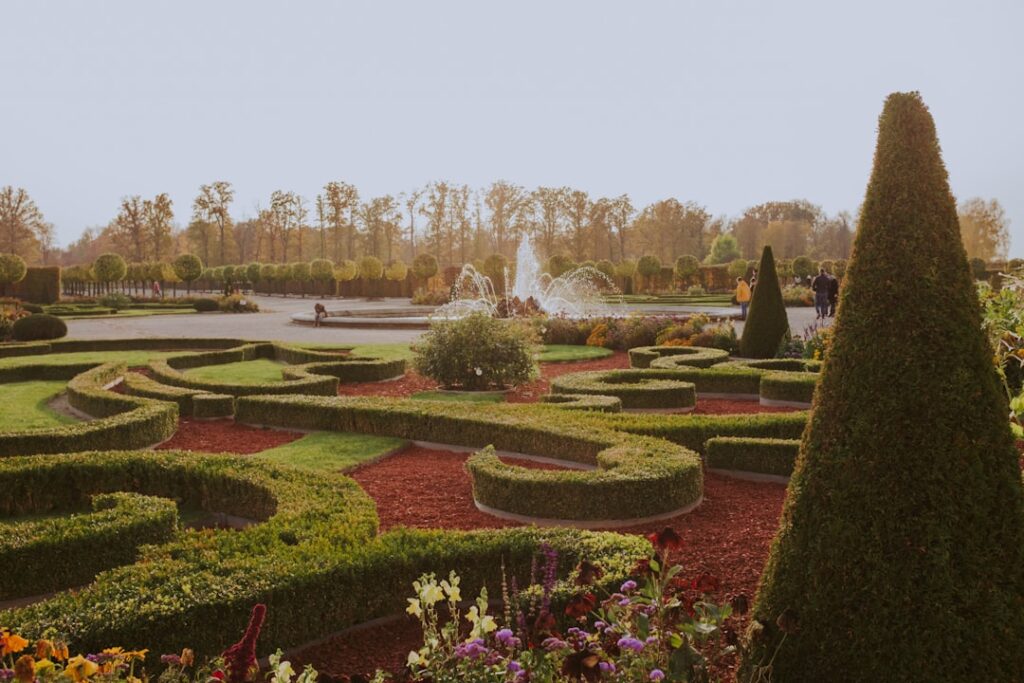
The Pazo de Oca is often called Galicia’s « Versailles » for its formal French‑style gardens paired with shaded avenues, ponds and aligned groves. The main 18th‑century house, flanked by low towers, shows the sober granite façade typical of rural pazos, while the terraced gardens are a fine example of classical landscaping adapted to an Atlantic setting. Stroll the clipped hedges and admire the rhododendron and azalea collections that explode with color in spring.
Local tips: arrive early on a weekday to avoid school groups and enjoy the soft morning light. Allow at least 1h30 for a full visit (gardens + exterior views). Parking is free but limited; for a combined outing, follow the nearby rural bridges route toward A Estrada and stop at the Sunday market for tetilla cheese or country bread.
2. Monasterio de San Lourenzo de Carboeiro — power, retreat and mystery (Silleda)
Name: Monasterio de San Lourenzo de Carboeiro
Address: Monasterio de Carboeiro, Laroá, 36540 Silleda, Pontevedra, Spain
Price: Free access to the outer enclosure; guided interior and chapel visits €3.00–€5.00 depending on the season. Some areas are managed by a local body and suggest a contribution for conservation.
Hours: Usually open to the public 10:00–14:00 and 16:00–19:00; closed Monday mornings off‑season. Religious services follow variable schedules—check if you plan to attend mass.
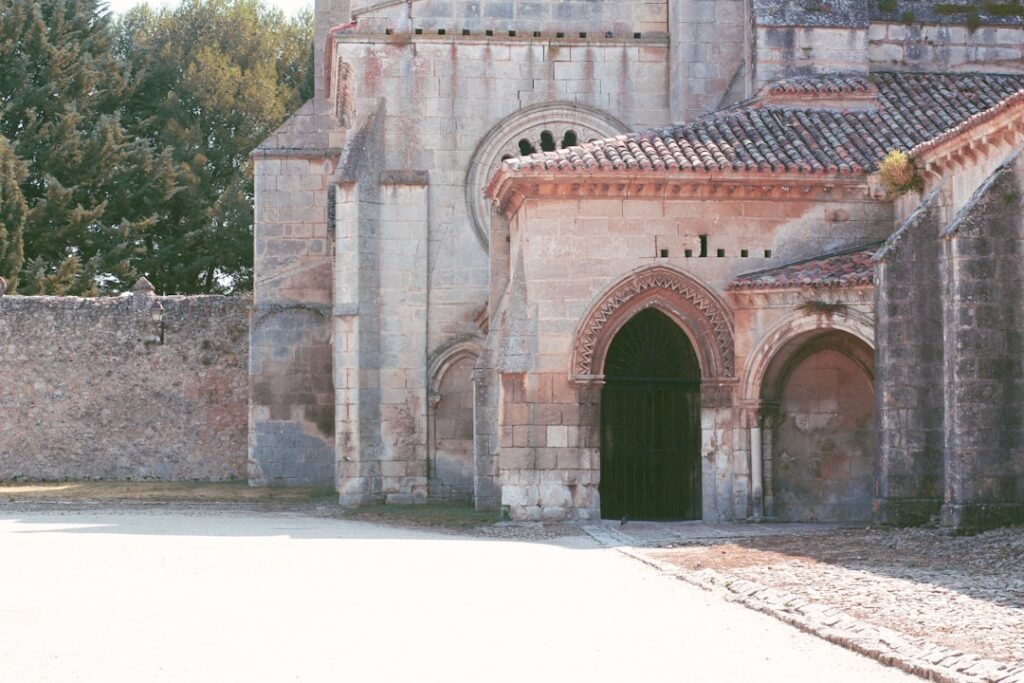
Recognized as a masterpiece of Cluniac and late Romanesque art, Carboeiro sits in a wooded valley surrounded by grazing Galician cows. Its nave and vaults retain an intimate atmosphere, intensified by damp stone and colored glass. Restored ruins mingle polished surfaces and lichen‑covered walls, creating striking photographic contrasts for lovers of sacred architecture.
Local tips: late afternoon light (17:00–19:00) brings warm tones to the stone. The path from the parking lot to the building crosses a small woodland—wear sturdy shoes if the ground is wet. The country roads to Carboeiro offer scenic valley viewpoints; consider stopping at a local bar‑restaurant in Silleda for a traditional almuerzo (lunch menu) after your visit.
3. Monasterio de Santa María de Sobrado dos Monxes — monastic grandeur and cloister calm (Sobrado)
Name: Monasterio de Santa María de Sobrado dos Monxes
Address: Monasterio de Sobrado dos Monxes, 15613 Sobrado, A Coruña, Spain
Price: General admission: €4.00 (adults), €2.00 (students/seniors). Guided tours in Spanish and English possible by reservation (supplement applies).
Hours: Open 10:00–14:00 and 16:00–20:00 in high season; reduced hours off‑season. Public liturgical offices generally on Sunday mornings.
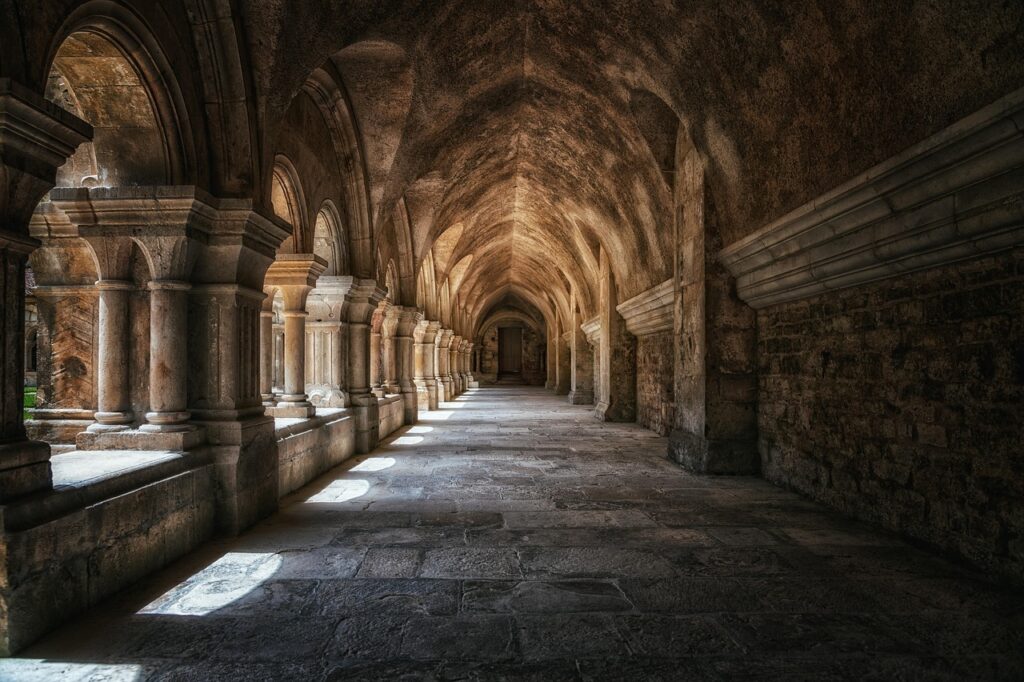
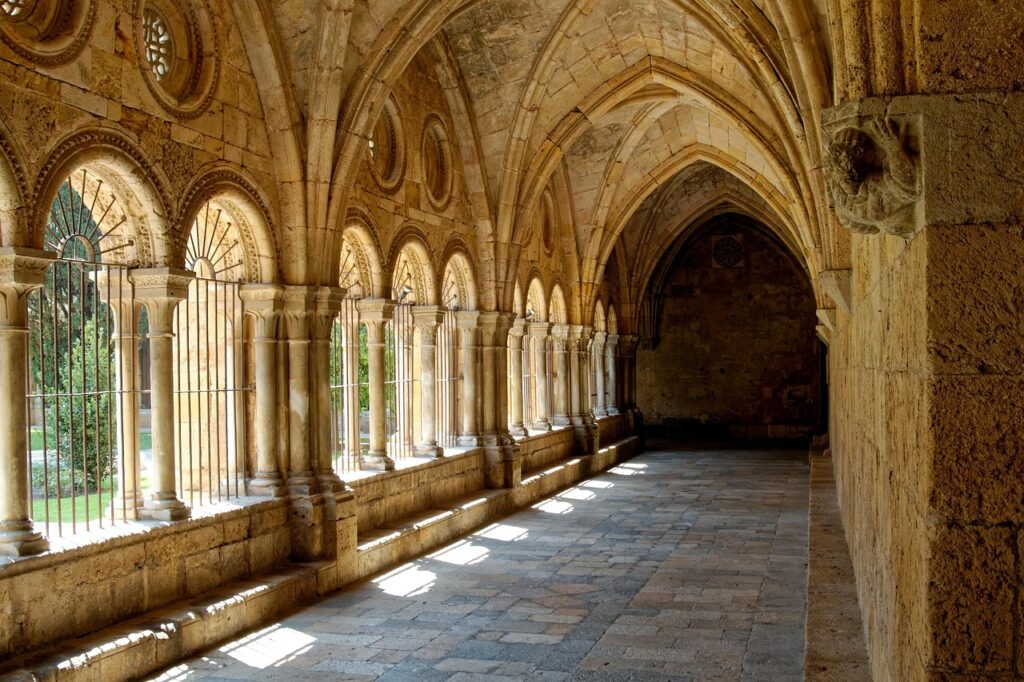
Sobrado dos Monxes is one of Galicia’s major Cistercian monasteries, carefully restored. The complex includes an abbey church, a serene cloister, side chapels and kitchen gardens that once fed the community. The harmony of proportions and the filtered light in the cloister create a contemplative atmosphere. The preservation of woodwork, Baroque altarpieces and archival registers makes it a site of high cultural and historical value.
Local tips: combine your visit with a walk on a section of the Camino Portugués or Camino del Norte that passes nearby. The village bar serves raciones and a strong coffee—perfect for a break after exploring. Paid parking is limited; aim to arrive in early afternoon to avoid tourist coaches.
4. O Cebreiro — pallozas, transhumance routes and panoramic Roman road views
Name: O Cebreiro (palloza village)
Address: O Cebreiro, 27610 O Cebreiro, Province of Lugo, Spain
Price: The village and the pallozas are freely accessible; the Ethnographic Museum and some museumized pallozas: €2.50–€4.00 (depending on the exhibition).
Hours: Open year‑round, though museum hours vary: typically 10:30–14:00 and 16:00–19:00 in high season. In winter, snow can affect road access—check conditions before heading up.
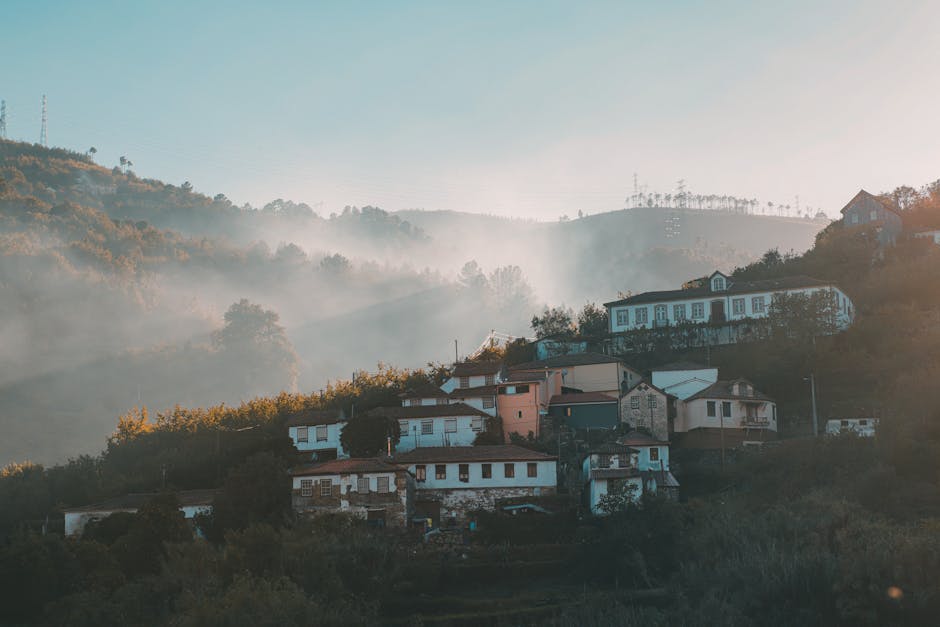
O Cebreiro is a mountain village famous on the Camino Francés, noted for its pallozas—round thatched structures dating back to protohistoric and medieval times. The site blends living rural traditions, the Romanesque chapel of Santa María la Real and sweeping views of Galician hills. Nearby trails trace old transhumance corridors and viewpoints where pilgrims traditionally marked key stages.
Local tips: arrive early to enjoy the quiet and morning mists that wrap the pallozas—great for photos. Dress warmly even in summer because of wind and altitude. The village albergue and the small local museum explain thatch architecture and former rural life. From Santiago, allow 1h30–2h00 by car depending on traffic and weather.
5. Castro de Baroña — a Celtic fortress by the sea (Porto do Son)
Name: Castro de Baroña
Address: Castro de Baroña, Lugar de San Lourenzo, 15965 Porto do Son, A Coruña, Spain
Price: Free access; a small paid parking area may operate in high season (€1.50–€3.00 depending on the day).
Hours: Natural site open year‑round, 24/7; occasional guided visits available through Porto do Son tourist office. Trails can be slippery after rain.
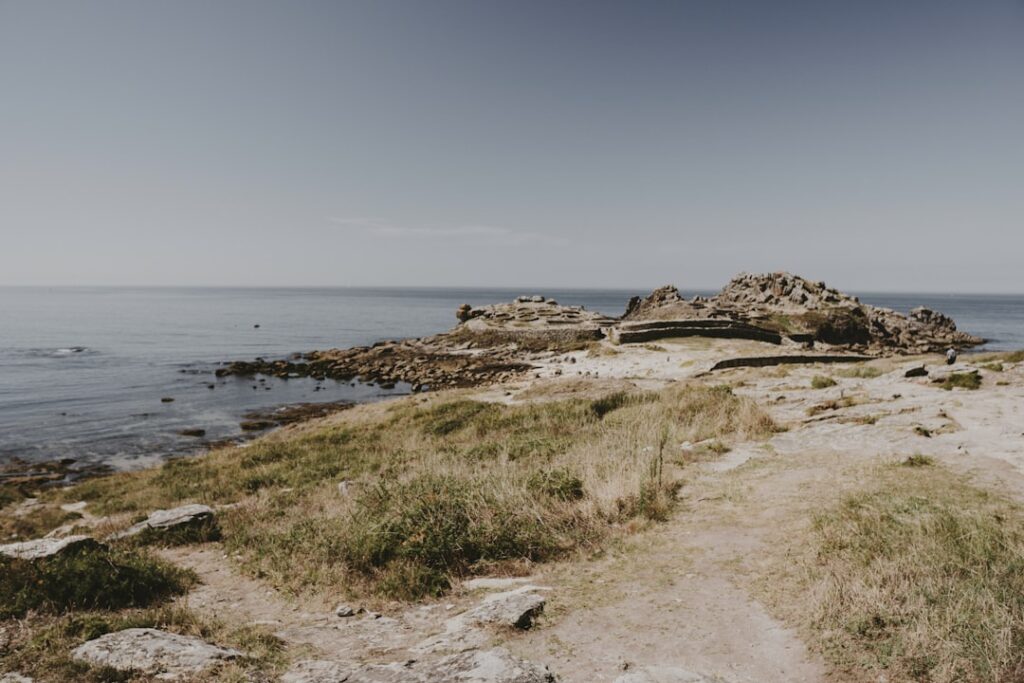
Perched on a rocky spit reaching into the Atlantic, Castro de Baroña is an impressive example of a fortified settlement from the late Iron Age (first millennium BCE to 1st century CE). Its rounded walls, circular house remains and immediate proximity to the sea create a wild, grand atmosphere. Tides, wind and marine light constantly reshape the setting—an ideal spot to witness the interplay of heritage and nature.
Local tips: visit in the late afternoon for beautiful sunset colors (very popular in July–August). Wear hiking shoes and avoid cliff edges in strong winds. Coastal trails connect the castro to quiet beaches—set aside a half day to explore the surroundings.
6. Dolmen de Axeitos — megalith and farming landscape (A Pobra do Caramiñal / Rianxo)
Name: Dolmen de Axeitos (Allariz / Axeitos)
Address: Dolmen de Axeitos, Lugar de Axeitos, 15930 Rianxo, A Coruña, Spain (access coordinates may vary depending on local route)
Price: Free access; voluntary contributions for maintenance may be requested by the municipality.
Hours: Outdoor site accessible year‑round; best visited in the morning to avoid muddy ground after rain.
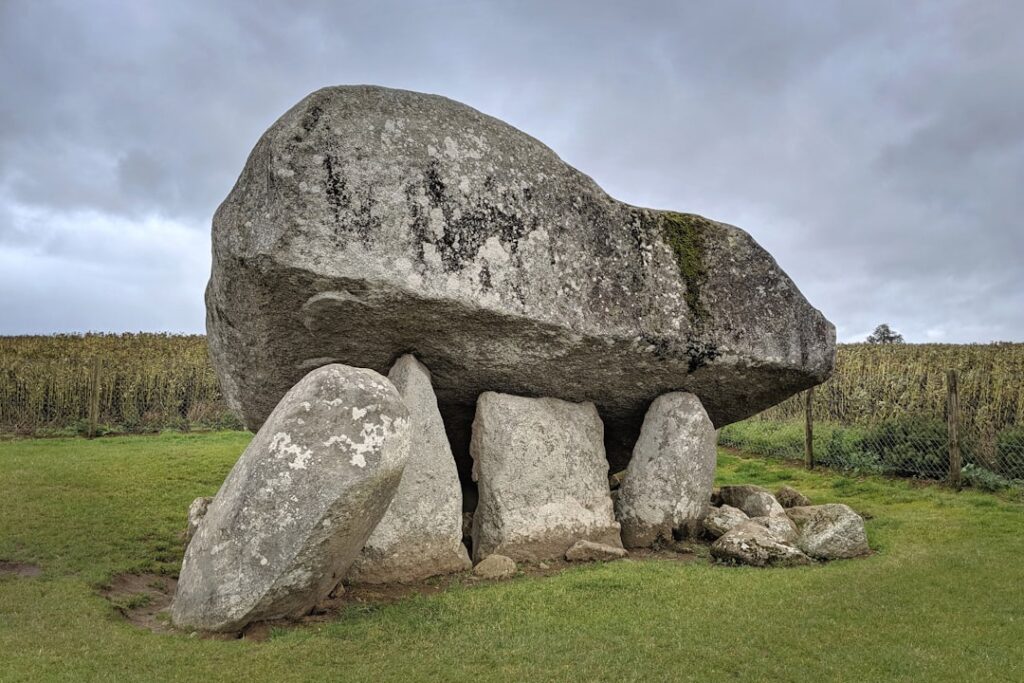
Dolmens like Axeitos sit within Galicia’s bocage—fields, stone walls and farm tracks. These Neolithic burial chambers offer a direct link to the funerary and ritual practices of the peninsula’s earliest farming communities. The dolmen is especially moving because the surrounding landscape remains actively farmed today: cows, hedges and small plots give a sense of continuity through the ages.
Local tips: ask the town hall or tourist office in Rianxo/A Pobra for the best access—some approaches run along small private lanes. Respect the site: don’t climb on the slabs or remove stones. Bring a picnic basket and combine the visit with a stop at a village restaurant to sample local seafood and artisan preserves, common specialties along the nearby coast.
7. Ponte Maceira — medieval village, Roman bridge and restored mills (Boqueixón)
Name: Ponte Maceira
Address: Ponte Maceira, 15820 Boqueixón, A Coruña, Spain
Price: Free; some local museums/workshops may charge a small entrance fee (€1–€3).
Hours: The village is accessible year‑round; shop and restaurant hours vary (meals mainly at midday and in the evening depending on the season).
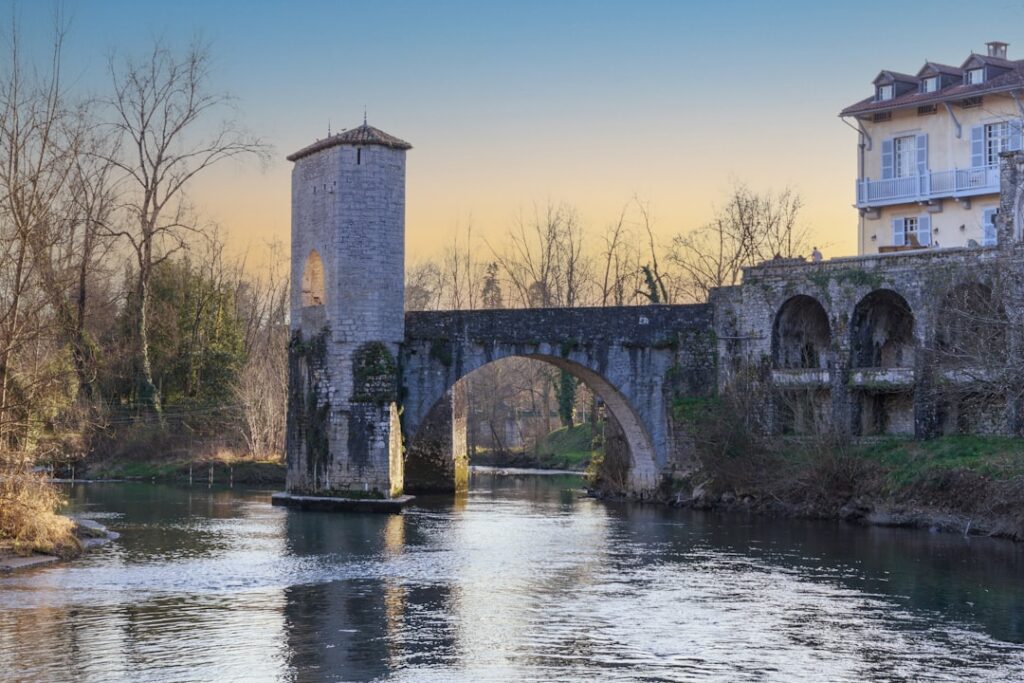
Ponte Maceira is the archetype of a small medieval village crossed by a historic bridge—often called one of the most beautiful villages in Galicia. The Roman‑origin bridge, remodeled in the Middle Ages, spans the Tambre River and is surrounded by mills, granite houses and shaded squares. The atmosphere is entirely rural: mornings bring birdsong and the sound of water, while evenings highlight the wet stone textures under street lamps.
Local tips: ideal for a short trip from Santiago (30–40 minutes by car). Enjoy lunch in a local tavern featuring land‑based dishes: soups, slow‑cooked meats and local cheeses. Walk the riverside paths; autumn colors are spectacular. Public parking near the bridge is limited in high season—consider exploring the surrounding secondary roads by bike for a longer immersion.
Conclusion — Planning your excursions from Santiago de Compostela
These seven rural heritage gems around Santiago de Compostela showcase the cultural, historical and landscape diversity Galicia preserves outside its urban centers. From the refined gardens of Pazo de Oca to the mystery of dolmens, each site offers a distinct experience: contemplative walks, immersion in monastic life, coastal panoramas or archaeological discoveries. To make the most of your time, cluster nearby visits: for example, combine Pazo de Oca and Monasterio de Carboeiro in the same day from Santiago, or pair Castro de Baroña with Dolmen de Axeitos on a coastal route.
Practical final tips: always check opening hours in advance—many of these sites have seasonal or limited winter schedules; favor early morning or late afternoon visits to avoid crowds and capture the best photographic light; bring appropriate footwear and a rain jacket, as the oceanic climate can change quickly. Respect the heritage: don’t climb on fragile structures, take your trash with you and stick to marked paths. For deeper exploration, contact local tourist offices (A Estrada, Silleda, Porto do Son, Rianxo, Boqueixón, Sobrado) which often offer themed guided tours, detailed maps and contacts for artisans and restaurateurs to round out your visit.
Finally, leave time for encounters: rural Galician heritage lives through its people—farmers, parish priests and artisans who keep traditions alive. A conversation in a village bar or a tasting at a local producer can turn a visit into a lasting memory. From Santiago de Compostela, these excursions are rich, complementary interludes—an ideal way to discover deep Galicia amid stone, wood, ocean and memory.