





Introduction: a cultural day in Santiago de Compostela
Santiago de Compostela is a compact city where history, faith and artistic heritage are concentrated in a remarkably small area. As the final destination of the famous Way of St. James, the city has preserved a medieval urban core with arcaded squares, monasteries, museums and a warm local life. This one-day itinerary walks you through the must-see highlights and a few lesser-known gems: the cathedral, theme museums, the market, cloisters and the best viewpoints to capture the spirit of the city. The plan is realistic, with precise addresses, opening times, prices and local tips to help you make the most of your visit without rushing.
This day is designed for a culturally curious traveler (not necessarily a pilgrim) who wants to soak up both the sacred side of the place and its everyday urban life: to take in Romanesque and Baroque architecture, understand Galician history through its museums, taste local food in a lively square and observe the city from its roofs and lookouts. You’ll alternate indoor visits (museums and churches), outdoor strolling (medieval streets, plazas) and tasty breaks (the market, traditional cafés). Each stop includes practical info: exact address, typical opening hours, admission prices, an immersive description and tips to avoid queues or enjoy a more authentic experience.
Before you start the route, keep a few general tips in mind: the old town is mostly pedestrian and cobbled, so comfortable shoes are essential; the area around the cathedral can be very busy during services and at peak pilgrimage times; and many cultural sites offer discounts for students, seniors or groups, so bring ID. The hours below are typical but can change with the season, religious festivals or renovation work: check online or call the day before your visit.
Morning: start at Praza do Obradoiro and visit the Cathedral
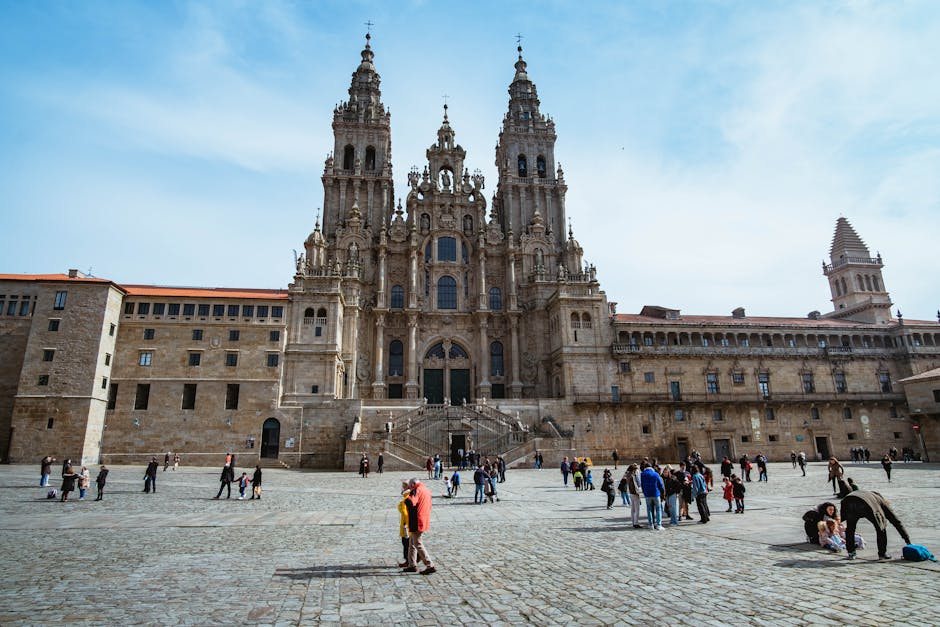
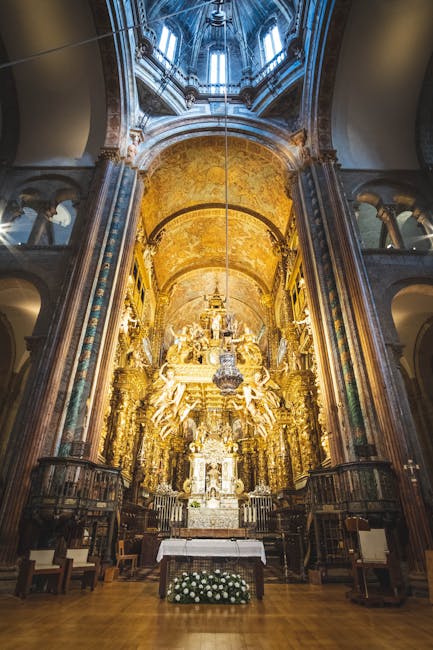
Begin your day right in the heart of the city at Praza do Obradoiro, the grand square facing the Cathedral of Santiago de Compostela. Address: Praza do Obradoiro, s/n, 15705 Santiago de Compostela, A Coruña, Spain. The square is flanked by the Pazo de Raxoi, the San Francisco hotel and the Pazo de Fonseca, and it gives an immediate sense of the site’s architectural and symbolic importance. Arrive early, ideally when the cathedral opens, to avoid crowds and enjoy the morning light on Fernando de Casas Novoa’s Baroque façade.
Cathedral opening hours: generally open from 07:00 to 21:00 (times may vary by season). Canonical contact/address for information: Catedral de Santiago, Praza do Obradoiro, s/n, 15705 Santiago de Compostela. Cost: entry to the main nave is free; guided tours, access to the museum or specific areas (crypt, pilgrimage relics, roof tour) have variable fees. For example, the Museu da Catedral (Cathedral Museum) often charges around €6–8 for adults (indicative), and access to the cubiertas (roofs) can be roughly €8–10 depending on season and ticket type. Check the ticket offices or the official website for exact rates and service times.
What to see inside: the Portada do Paraíso (the Romanesque main portal), the Pórtico de la Gloria (original housed in the museum, with a replica on the façade), the Baroque high altar with the statue of the Apostle, the Capela Maior and the crypt where the relics of St. James traditionally rest. The Museu da Catedral preserves liturgical vestments, medieval manuscripts and pilgrimage objects. A highlight: the Meseta dos Peregrinos, and if you’re lucky (or if you book ahead), attend the Misa del Peregrino (Pilgrim’s Mass), usually held at 12:00 (11:00 or 12:00 depending on season) — admission is free, it’s very popular and, on special feast days, may be followed by the swinging of the Botafumeiro.
Local tip: for a classic photo of the cathedral, position yourself on the western edge of Praza do Obradoiro between 08:00 and 09:30 when the light flatters the façade. If you want to climb the bell tower or visit the roofs for panoramic views, book your time slot in the morning or late afternoon; visits are limited and can sell out in high season. Look for combined tickets (cathedral + museums) if available to save time.
Late morning: Mercado de Abastos and Galician flavors
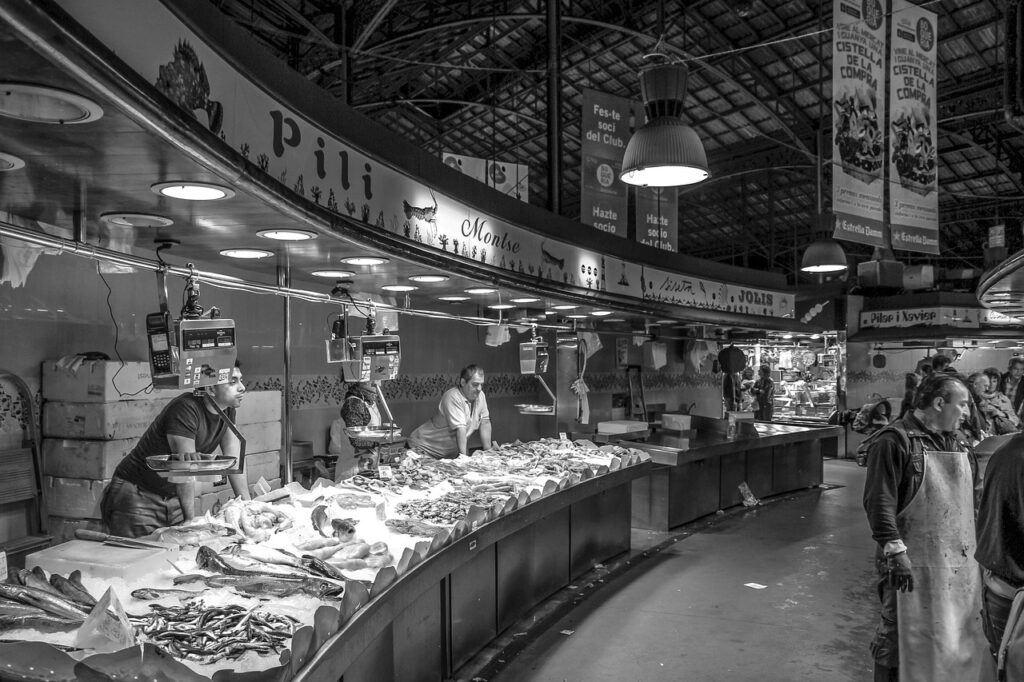
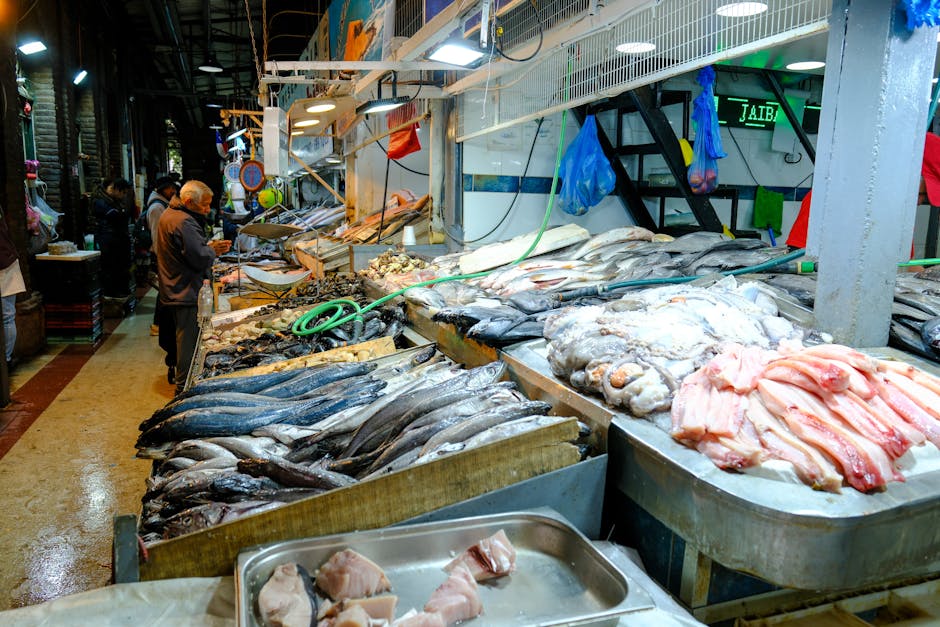
After visiting the cathedral, walk down to the Mercado de Abastos de Santiago (Address: Rúa da Senra, s/n, 15704 Santiago de Compostela). The market, about a 5–10 minute walk from the main square, is the city’s second most visited site and the perfect place to understand Galician food culture. Hours: typically open Monday to Saturday, 07:00–15:00 (some stalls close earlier); most stalls are closed on Sunday. Cost: entrance is free, but expect to pay roughly €8–20 for a snack (tapas, seafood), €15–30 for a full meal at a market counter.
Immersive description: when you step inside you’ll be met by a riot of colors and smells — benches of freshly caught fish (hake, octopus, razor clams), piles of shellfish (scallops, percebes), mountains of chorizo and local cheeses, and stands of earthy vegetables. Some stalls serve tapas on the spot, raciones of pulpo a la gallega (Galician octopus) seasoned with paprika and olive oil, and small plates of zamburiñas. It’s an ideal spot for an informal lunch, standing at a counter or seated in one of the little communal areas.
Recommendations: try Pulpo a la Gallega with a glass of Albariño or godello if you prefer a local white wine. Expect €10–15 for a generous portion to share. For an authentic and budget-friendly taste, look for a pulpería or a stall advertising pulpo; names vary day to day — check the stall displays. Many vendors will cook fish and seafood for you or sell it to take away. For a richer cultural experience, strike up a conversation with the seller: Galicians are proud of their produce and often share the stories behind it.
Logistics tip: bring small change for quick purchases and ask for « ración » portions to sample several dishes. The market is busiest at midday; to avoid crowds, arrive between 10:00 and 11:30. After the market, take time to wander nearby alleys like Rúa do Vilar to admire shopfronts and artisan stores.
Afternoon: museums, cloisters and religious heritage
After a market lunch and a quick coffee, spend the afternoon visiting complementary cultural sites: the Museo do Pobo Galego, the Monasterio de San Martín Pinario and, for contemporary art lovers, the Centro Galego de Arte Contemporánea (CGAC).
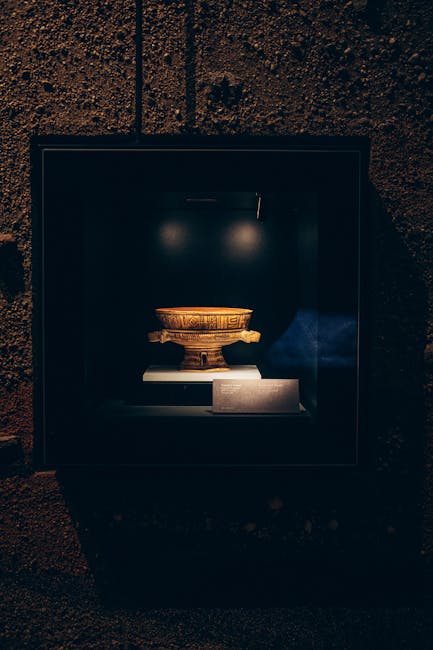
Museo do Pobo Galego — Address: Rúa das Casas Reais, 14, 15704 Santiago de Compostela. Hours: usually open 10:00–14:00 and 16:00–19:00 (closed Mondays for some exhibitions); admission: €3–6 depending on temporary exhibitions or discounts. Housed in the former Convent of Santo Domingo de Bonaval, this museum offers an immersion in Galician culture, traditions, ethnography and history: traditional costumes, musical instruments, farming tools and multimedia exhibits on the Galician language and rural structure. Visiting provides essential context to understand the ties between pilgrimage, land and Galician identity.
Monasterio de San Martín Pinario — Address: Praza da Inmaculada, 1, 15705 Santiago de Compostela. Hours: general visits often from 10:00 to 19:00; admission: guided tours of the convent/museum around €4–6 (variable). A true monastic palace adjoining the cathedral, San Martín Pinario features an impressive cloister, a large Baroque church and richly decorated rooms. The visit conveys a sense of monastic grandeur with massive vaults, woodwork and altarpieces. It’s an excellent follow-up to the cathedral for anyone wanting a deeper look at religious architecture and monastic life.
Centro Galego de Arte Contemporánea (CGAC) — Address: Rúa do Museo, 2, 15704 Santiago de Compostela. Hours: generally open 10:00–14:00 and 16:00–20:00; admission: often free or a token fee (check current exhibitions). The CGAC offers a stimulating contrast to the historic monuments: it presents modern and contemporary visual arts, installations and temporary shows by Galician and international artists. Its contemporary architecture, located a short walk from the Museo do Pobo Galego, creates an interesting dialogue between tradition and innovation.
Routing tips: start with the Museo do Pobo Galego if you want a cultural primer, then head to San Martín Pinario for architectural breadth, and finish at the CGAC if you like to end with contemporary art. Each site has nearby cafés or small gardens for breaks; if you have extra time, the Monte do Gozo viewpoint is an option for panoramic views of the city and surrounding landscapes (note it’s outside the historic center and requires transport).
Evening: tapas, music and viewpoints
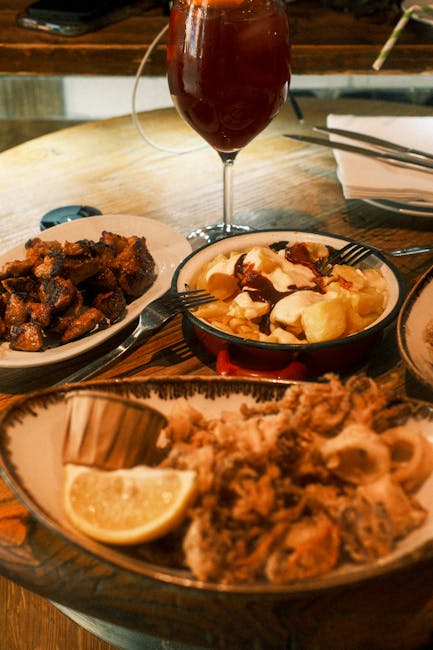
Evenings in Santiago de Compostela are convivial: small wine taverns, fine-dining restaurants and squares where pilgrims and locals mingle. Start by heading to Rúa do Franco, known for its tapas bars and restaurants. General area: Rúa do Franco / Rúa da Raiña, 15705 Santiago de Compostela. Cost: a tapas bite ranges from €2.50 to €6; a good restaurant meal runs €20–50 per person depending on the menu and wine.
Food suggestions: for a full Galician experience, order a ración of zamburiñas (small scallops), percebes if your budget allows (€15–30 per portion depending on season), and finish with a Tarta de Santiago (almond cake) with coffee or a local liqueur. Recommended restaurants (check availability and book if possible): Casa Marcelo (Rúa das Hortas, 1, 15702 Santiago de Compostela) — a tasting-menu restaurant (expect €60–90 per person), and friendly local spots like O Gato Negro (near the market) for budget-friendly, authentic tapas (around €15–25 per person sharing dishes).
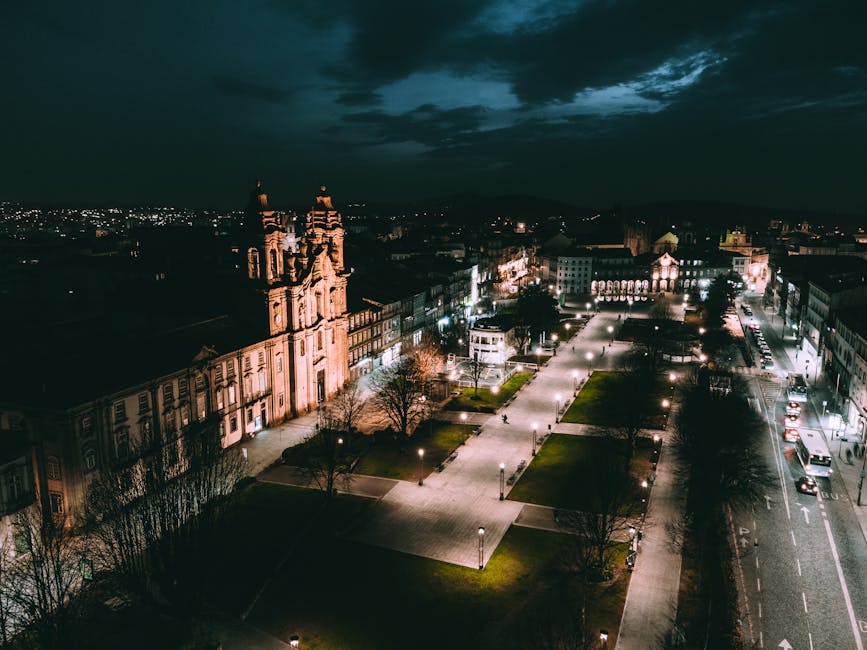
After dinner, stroll through Praza da Quintana and Praza de Platerías: the night lighting gives the city a very different atmosphere from the daytime bustle. For a sunset panorama, walk up to the Parque de la Alameda viewpoint (Address: Parque de la Alameda, 15705 Santiago de Compostela) — about a 10–15 minute walk from the cathedral. The lookout overlooks the old town and offers views of slate roofs, bell towers and the cathedral’s silhouette at dusk.
Music and nightlife: the city often hosts concerts of traditional Galician music in bars or small auditoriums, and the cathedral sometimes offers organ concerts. Check with the tourist office (Oficina de Turismo de Santiago, Plaza de la Quintana, 6, 15705 Santiago de Compostela — hours vary, often 09:00–20:00) for evening events.
Practical tips, transport and useful information
Before wrapping up the day, here are practical details to optimize your visit and avoid common hassles:
- Getting around: the old town is mostly pedestrian; the easiest way to explore is on foot. To reach the city from the airport (Santiago Airport – SCQ), taxis and bus services (lines 1 and 6 in some years) connect the center in 20–30 minutes. Airport address: Aeropuerto de Santiago-Rosalía de Castro, 15820 Santiago de Compostela, A Coruña. Approximate taxi fare airport–center: €20–30.
- Tickets and bookings: for the cathedral, museums and roof tours, book online when possible; tour slots are limited. Local tourist offices can provide combined tickets or updated information (Oficina de Turismo de Santiago, Praza do Obradoiro, s/n).
- Opening hours and holidays: many museums close on Mondays or have reduced hours; religious services and some activities change during religious festivals — always check ahead. Major celebrations (St. James Day on July 25) and summer bring large crowds.
- Average prices: coffee: €1.20–2.50; tapas: €2.50–6 per portion; market meal: €8–25; museums: €3–10; special cathedral visits (Cubiertas, Museum): €6–12 depending on options. Prices are indicative and may vary.
- Safety and respect: the city is generally safe, but watch for pickpockets in crowded areas. Inside places of worship, observe rules on silence, dress and photography as posted.
- Languages: Spanish and Galician are spoken; in tourist areas you’ll often find signs and staff who speak English and French, but a few words of Spanish are appreciated.
Conclusion: one day, many ways to read the city
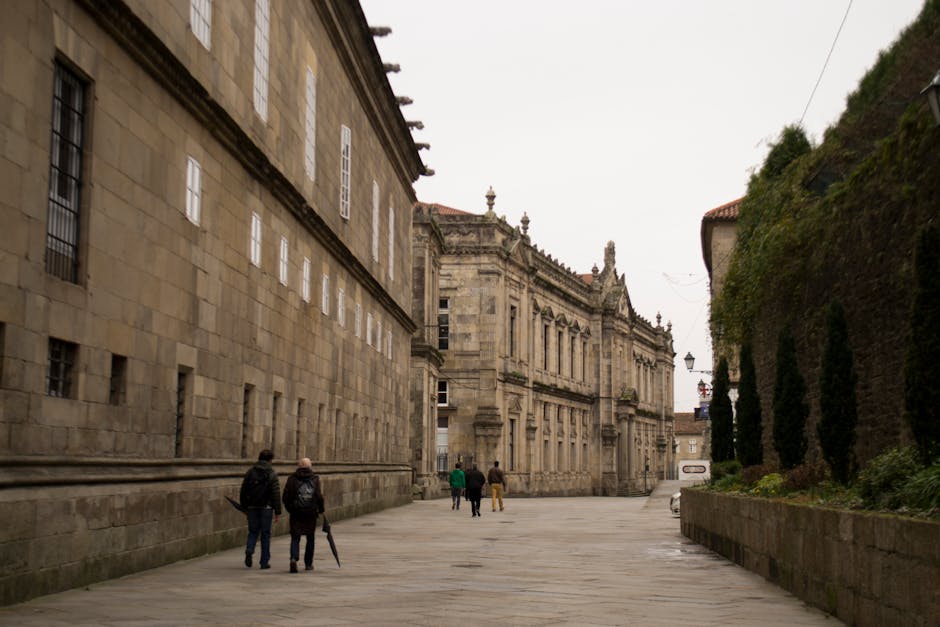
One cultural day in Santiago de Compostela won’t exhaust the city’s richness, but it will let you grasp its essence: the powerful link between the sacred and the everyday, the unmistakable flavor of Galician culture and the encounter between deep history and contemporary expression. By focusing your visit around the cathedral (Praza do Obradoiro, s/n, 15705 Santiago de Compostela), the food market (Rúa da Senra, s/n, 15704 Santiago de Compostela), museums like the Museo do Pobo Galego (Rúa das Casas Reais, 14) and the Monasterio de San Martín Pinario (Praza da Inmaculada, 1), you’ll get a coherent route and a transversal immersion. The opening times and prices given are practical guides — always check official sites for updates, especially during festivals or renovations.
More than a series of visits, the city is read in its pauses: a coffee on a square, a tasting at the market, a chat with a vendor or an artisan. The local tips here (arrive early at the cathedral, book roof tours, favor the market for an authentic lunch and end the day at the Alameda viewpoint) are meant to maximize the quality of your experience. If you have more time, extend your exploration with trips to nearby sites (Rías Baixas, the beaches around A Coruña, villages along the Camino) or by diving deeper into archives and historical libraries.
Finally, keep in mind the spirit of the place: Santiago de Compostela is less of a destination to be hurried through and more a city to listen to. Its pace, its stones and its food tell a chapter of Europe where pilgrimage, regional identity and hospitality meet. Whether you come as a pilgrim, an art lover or a curious traveler, the day you spend here can leave a lasting impression if you take the time to observe, taste and connect. Safe travels, and may your day in Santiago de Compostela be full of discoveries and memorable moments.