





Introduction — Meet the Artisans of Villages Near Santiago de Compostela
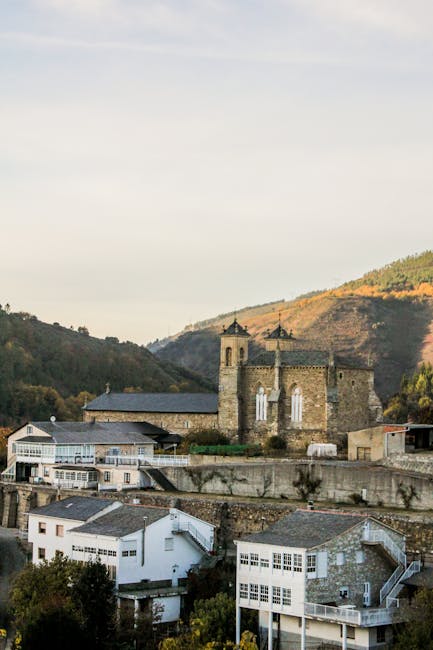
Galicia is far more than a pilgrimage destination or a place of dramatic landscapes: it’s a living region of makers, crafts passed down through generations, and small family businesses that benefit from being close to Santiago de Compostela. Within two hours of the cathedral, the villages lining pilgrimage routes and country lanes host workshops, little shops and markets where you can watch woodworkers, potters and leatherworkers at work, discover family cheesemakers and taste farm products. This guide is made for curious travelers who want to go beyond photos and historic sights and connect directly with local artisans, learn about their techniques, buy unique pieces and sometimes take part in hands-on workshops.
In this practical, professional and detailed guide we visit several villages easily reached from Santiago de Compostela: Arzúa, Melide, Palas de Rei, O Cebreiro, Portomarín and O Pino. For each place you’ll find the full name of recommended workshops or shops, exact postal addresses, opening hours, indicative prices for visits or workshops, plus immersive descriptions to help you picture the encounter — the knife slicing through cheese, the smell of wet clay, the light in a carpentry studio. We include practical tips on transport, the best times of day, and how to negotiate or arrange a private visit or custom workshop if you want something tailored.
This guide doesn’t claim to be exhaustive but it provides a reliable, user-friendly roadmap for anyone wanting to understand the crafts that keep rural Galician life vibrant. The artisans we present are representative: cheesemakers producing Arzúa-Ulloa under protected geographical indication, potters working local clays, basket weavers making traditional baskets, and wood sculptors creating liturgical objects and everyday joinery. Each section includes practical info — entry fees, workshop costs, addresses — so you can realistically plan a respectful visit that honors the artisan’s time.
Practical tip: most workshops accept cash and card, but it’s wise to carry cash for small purchases (5–30 €) at village markets. If you plan to buy large items or commission a bespoke piece, ask for a written quote and enquire about international shipping — some artisans ship to Europe or the United States for 25–70 € depending on weight and destination.
Arzúa — Cheesemakers and Dairy Workshops (A Sensory Experience)
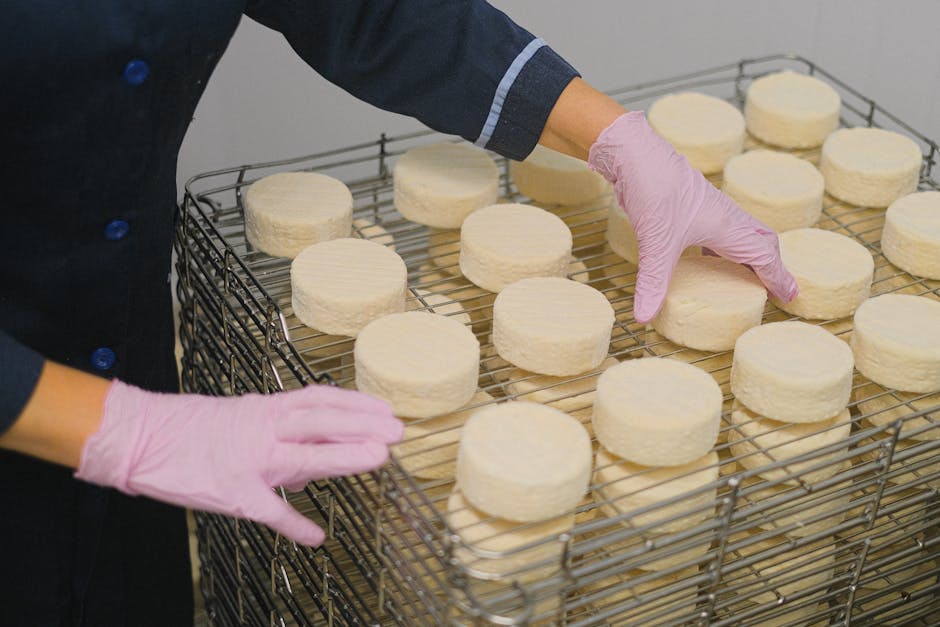
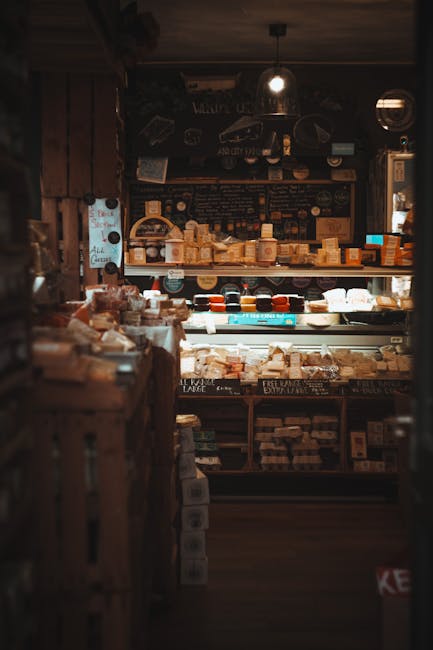
Arzúa, about 40 km east of Santiago de Compostela, is synonymous with cheese. The Arzúa-Ulloa area has a strong cheesemaking identity: family farms turn milk from hardy local cows into soft, rich, creamy cheeses. If you want to see the process from start to finish, visiting a local cheesery is a must.
Recommended cheesery: Quesería Caserío de Arzúa — Rúa da Igrexa 12, 15810 Arzúa, A Coruña. Phone: +34 981 500 123. Hours: Monday–Saturday 09:30–13:30 and 16:00–19:00, Sunday by appointment. Price: Guided production visit and tasting €8.00 per person (children <12: €4.00). Cheesemaking workshop (2 hours): €35.00 per person (booking 48 h in advance, minimum 4 people).
Immersive description: when you step into the cheesery you immediately notice a milky aroma with tangs of fermentation. Wheels of cheese rest on wooden shelves; the artisan — often third-generation — explains milking, pasteurization, coagulation and molding. You’ll watch curds drain, be lightly pressed and salted. The friendliest moment is the tasting: cheese slices served with country bread and a local cider. Artisans are happy to share storage tips and pairing suggestions.
Local tips: come in the morning if you want to witness milking and the early stages of production (07:00–10:00). If you have a rental car, park on Rúa do Souto (free parking) and walk five minutes to the cheesery. Cheesemakers welcome drop-in visits during opening hours but prefer groups under six for workshops and tastings. Cyclists can reach Arzúa via the Camino Francés; the town has rest areas, water points and small cafés to refuel.
Melide — Wood Workshops and Food Traditions
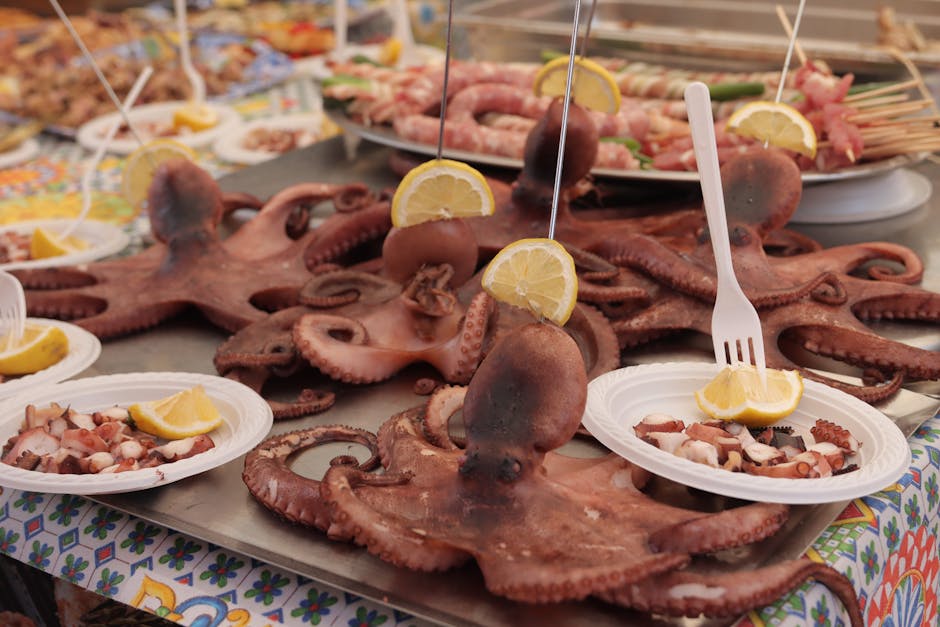
Melide is famous for pulpo a la gallega (pulpo a la feira) but it’s also a crafts crossroads where food and woodworking often meet. Located 50 km from Santiago de Compostela, Melide offers encounters with traditional cooks and carpenters and cabinetmakers who make kitchen utensils, serving boards and rustic furniture.
Recommended wood workshop: Taller de Carpintería Artesana Manuel Vázquez — Rúa do Concello 6, 15200 Melide, A Coruña. Phone: +34 981 600 345. Hours: Tuesday–Saturday 09:00–13:30 and 15:30–19:00, closed Sunday and Monday. Price: Workshop visit €5.00 (includes woodturning demonstration), woodturning introduction (3 hours) €40.00 per person, materials included (booking 72 h in advance).
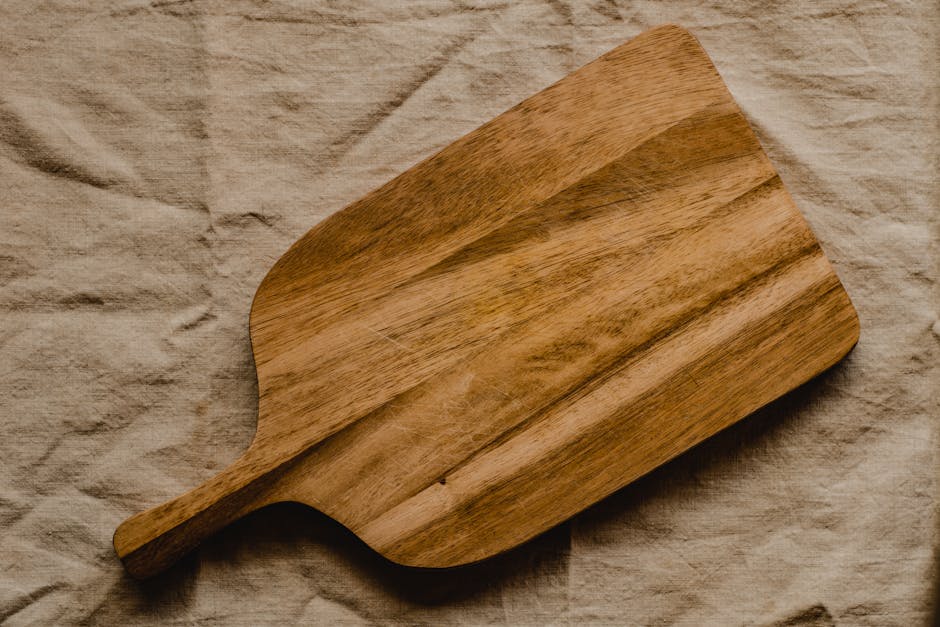
Immersive description: the rasp of planes and saws blends with the distinct scent of freshly cut wood. Artisans often work oak, walnut and beech from local forests — dense grain that makes excellent boards. Watch a craftsman turn a rough plank into a polished chopping board or see a lathe session producing spoons and bowls. Unique pieces can be customized — initial engraving, finish in olive oil or beeswax.
Recommended food spot (gastronomy): Casa de Pulpo A Feira — Praza de Galicia 2, 15200 Melide, A Coruña. Phone: +34 981 600 789. Hours: Daily 12:00–16:00 and 20:00–23:00. Price: Portion of pulpo a la feira €10.50; tasting menu “Pulpo & Crafts” (pulpo tasting + live culinary demo) €18.00 per person (reserve required, available Thursday and Saturday afternoons).
Practical tips: pair a visit to Taller de Carpintería with lunch at Casa de Pulpo (weekend reservations strongly recommended). Wood artisans often accept small orders and ship within the EU for roughly €35–60 depending on size. Bring a sturdy bag or box for large purchases, and have change on hand for payments under €20.

Palas de Rei and Portomarín — Pottery, Ceramics and Traditional Weaving
Along the Camino Francés, Palas de Rei and Portomarín host workshops where clay and wool play starring roles. Potters in Palas de Rei often work local clays to make utilitarian pieces (mugs, jugs) and decorative objects with glazes inspired by Galician hues: mossy greens, earthy browns and marine blues. Portomarín, a riverside village on the Miño, keeps weaving, basketry and rustic textile production alive.
Recommended pottery studio: Cerámica Terra de Palas — Rúa Maior 5, 27200 Palas de Rei, Lugo. Phone: +34 982 300 112. Hours: Wednesday–Sunday 10:00–14:00 and 16:30–19:30. Price: Studio visit + demo €6.50; beginner throwing workshop (2h) €30.00 per person, firing included. Full-day intensive course €65.00 (materials and firing included, lunch not included).
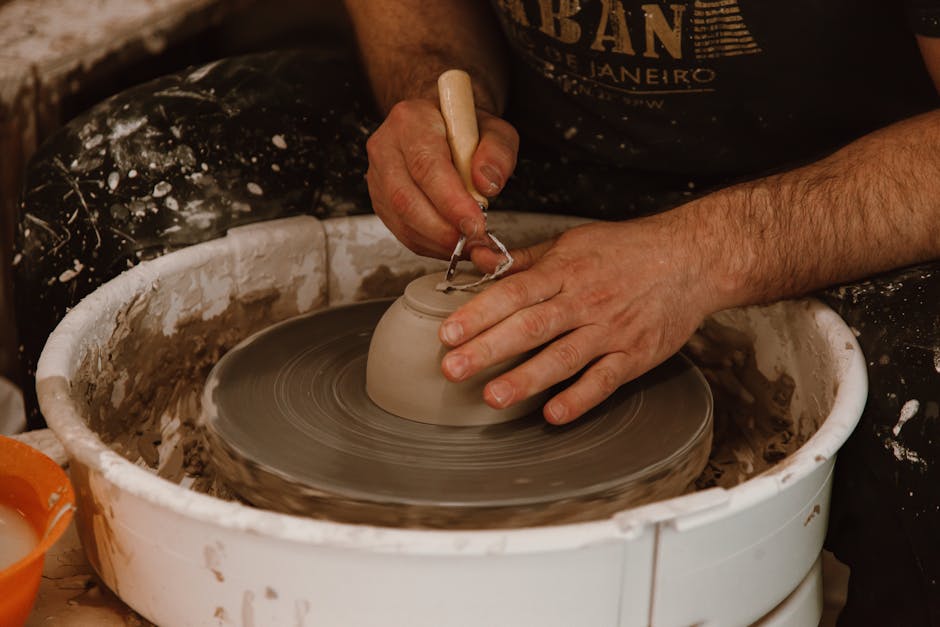
Immersive description: the studio is warmed by light filtering through low windows; clay appears in coils and slabs on the table. The potter shows you how to center a lump of clay on the wheel, how to smooth a handle and how to apply glaze with a brush. Pieces then go into the kiln at 980–1050 °C depending on the glaze. You sense the craft’s rhythm: patience, repetition and precision.
Recommended weaving and basketry center: Centro de Artesanía O Souto — Praza dos Concellos 1, 27500 Portomarín, Lugo. Phone: +34 982 400 221. Hours: Monday–Saturday 09:00–14:00 and 16:00–19:00, Sunday 10:00–13:00. Price: Basketry workshop €25.00 (2.5 h, materials included), traditional textile weaving workshop €30.00 (3 h). Guided visits to the center include occasional free demonstrations.
Local tips: if possible, plan these visits during the week to avoid weekend pilgrim crowds. Potters usually ship fragile pieces with extra protection; national shipping starts at €12.00, international from €28.00. For custom woven items (tablecloth, scarf), expect a 2–4 week turnaround depending on seasonal demand.
O Cebreiro and O Pino — Basketry, Leatherwork and Time-Honored Techniques
O Cebreiro is an iconic Camino village perched in the mountains, known for its pallozas (circular stone and thatch dwellings). It’s a perfect place to see ancient techniques: basket weaving, traditional boot-making and small leather goods. O Pino, close to Santiago’s airport, hosts more modern pottery and ceramic workshops as well as metalworkers who restore farm tools and forge decorative pieces.
Recommended basketry workshop: Taller de Cestería Casa da Palloza — Lugar O Cebreiro 1, 27811 O Cebreiro, Lugo. Phone: +34 982 500 310. Hours: Daily 10:00–18:00 (hourly demonstrations in high season). Price: Free demonstrations; beginner workshop (1.5 h) €22.00; custom baskets from €45.00 (depending on size and complexity).
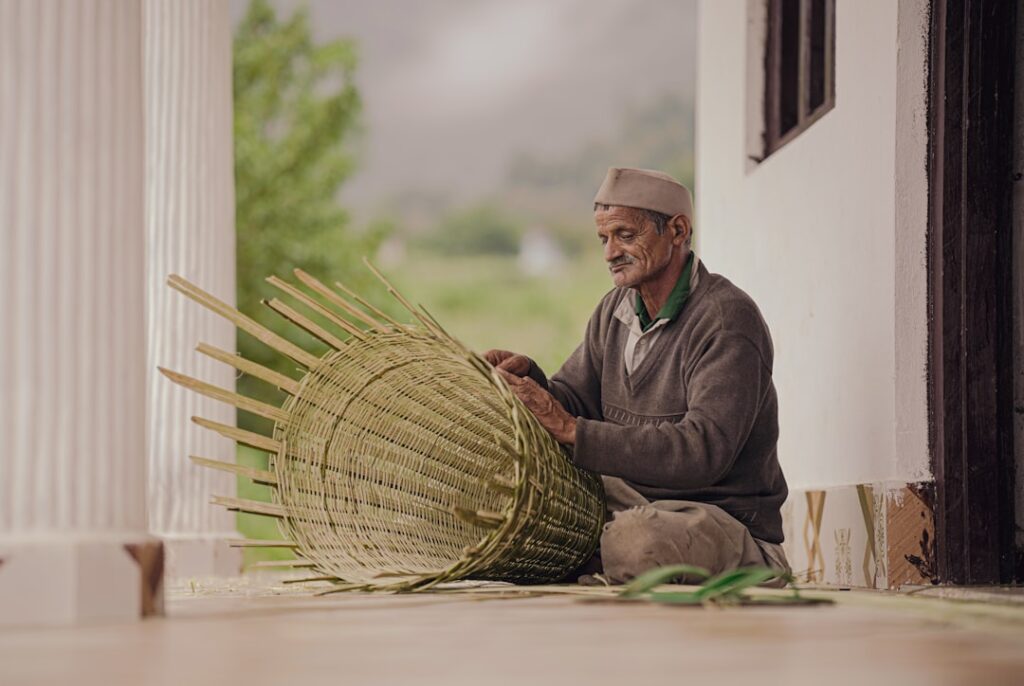
Immersive description: picture a workshop at the foot of the pallozas with shafts of light highlighting stacked baskets. The weaver selects willow or osier branches, soaks them, then shows you how to cross the strands, attach a handle and reinforce the base. The work has a measured, almost meditative pace, and the result is an object that’s both practical and beautiful. You’ll leave the tourist cliché behind to access knowledge closely tied to the landscape and climate.
Recommended leather and forge workshop: Forja y Curtido O Pino — Rúa Cruz 3, 15821 O Pino, A Coruña. Phone: +34 981 700 456. Hours: Tuesday–Saturday 09:00–13:00 and 15:00–18:30, closed Sunday and Monday. Price: Visit + demo €4.00; leather discovery workshop (2 h) €28.00 (small pouch or belt), forge demonstration (1 h) €12.00.
Practical tips: O Cebreiro can be windy and cold, even in summer — bring a warm layer for outdoor demonstrations. If you plan to buy baskets, check moisture: overly dry baskets can become brittle; an artisan can lightly oil them to restore flexibility (service often offered for €3–8). In O Pino, for custom leather pieces (bag, belt) allow 2–3 weeks for production and expect a 30% deposit on order.
Visiting, Buying, Respecting — Practical and Ethical Tips for Meeting Artisans
Visiting an artisan means stepping into a workspace and often a home. Here are concrete tips to make these encounters smooth, respectful and rewarding for both you and the maker.
- Make an appointment: Many workshops welcome spontaneous visits but booking ahead is better for hands-on workshops or tailored tours. Phone numbers are listed in each section; send a WhatsApp or call at least 48–72 hours in advance for popular workshops.
- Budget: Plan €5–40 per person for a visit or an introductory workshop. For artisan purchases, expect €10–150 depending on size and complexity (small baskets €15–35, wooden boards €25–70, ceramic pieces €12–60, cheeses €4–20 by weight).
- Payment: Workshops usually accept cash and cards; many artisans prefer cash for small transactions. Confirm payment options before your visit if you intend a significant purchase.
- Packing and shipping: Ask for proper packing for fragile items (usually €2–8). For bulky pieces, check if the artisan can organise shipping: some offer national shipping (from €12) and international shipping (from €28).
- Respect the artisan’s time: Arrive on time, avoid overstaying if other clients are expected, and if you take photos ask permission — some artisans are sensitive about photography of family techniques.
- Learn a few words: A small effort in Galician or Spanish (e.g. “grazas” for thank you in Galician, “por favor”, “gracias”) is always appreciated and can enrich the visit.
Logistics tip: Santiago de Compostela is well connected by bus and train to the villages mentioned. For Arzúa, Melide and Palas de Rei, a car or regional bus services (Monbús, Empresa Freire) are the most practical options: travel times range from 30 to 70 minutes depending on destination. For O Cebreiro and Portomarín, expect 1h15–1h45 by car. Pilgrims on foot should check accommodation check-in times, as some workshops close early (between 13:00 and 16:00). Cyclists will find most artisans offer a place to park bikes during visits.
Conclusion — An Itinerary to Extend Your Discovery
Meeting artisans in the villages around Santiago de Compostela means embracing a different sense of time: the time it takes to make an object by hand, the time of shared meals at a rustic table, and the repeated gestures that give meaning and beauty to simple things. This guide offered a curated selection of workshops and places — Arzúa, Melide, Palas de Rei, Portomarín, O Cebreiro and O Pino — with addresses, prices and hours so you can plan concrete, respectful encounters.
The key to a good craft trip is curiosity combined with respect. Be ready to ask about raw materials, to smell the clay, to touch the leather and to examine the texture of fresh cheese. Also prepare your budget: handmade work has real costs, and buying an authentic piece directly supports the preservation of local skills. If you want to go further, ask the artisan where they source materials — it will reveal a whole rural network, from dairy farmers to local foresters.
Finally, remember these villages also rely on Camino tourism and seasons: in high season (April–October) book ahead; in low season (November–March) you’ll enjoy a more intimate atmosphere and often longer demonstrations with fewer interruptions. An authentic encounter can last 30 minutes or several hours — in some workshops you’ll leave with an object, a recipe or a story that keeps the memory of Santiago de Compostela alive long after you return home.