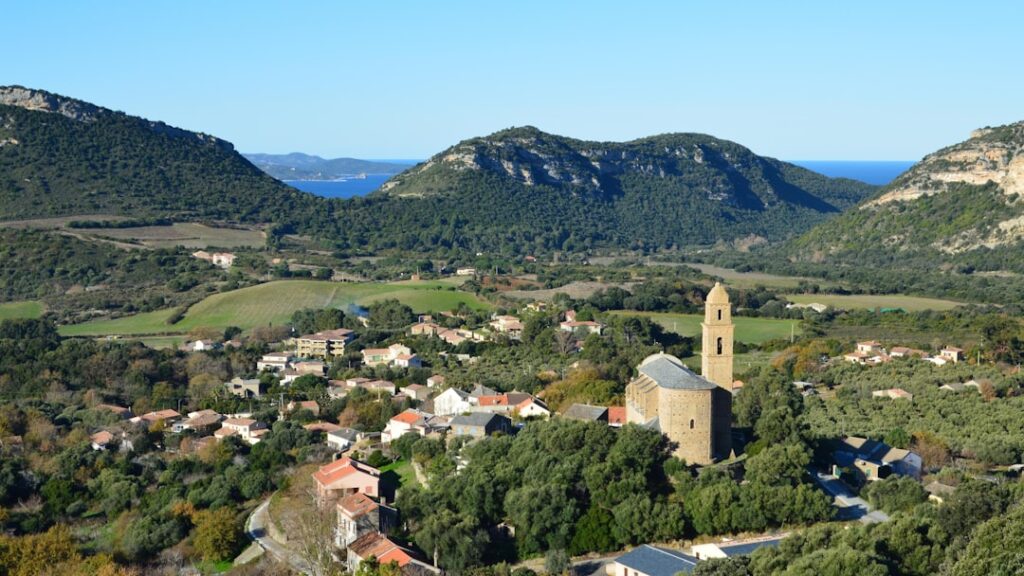






Introduction — Hidden Villages Near Santiago de Compostela You Can’t Miss
The province of A Coruña, the Ría de Arousa and the Costa da Morte are peppered with small villages and hamlets steeped in history, maritime tradition and dramatic coastal scenery — places that are often overshadowed by the worldwide fame of Santiago de Compostela. Yet just one to two hours from the cathedral and the cobbled streets of the old town, you’ll find spots that capture the true Galician spirit: working fishing ports, rows of horreos, Romanesque churches, quays lined with granite houses, and windswept sea views. This guide opens the door to those lesser-known villages, with practical details (full addresses, prices in euros, opening times) and local tips to help you plan half-day or full-day trips from Santiago de Compostela.
We cover five destinations that showcase Galicia’s variety: Combarro, with its famed fisher cottages and horreos right on the shore; Cambados, the albariño wine capital with its stately manor houses; Muros, a port town that still breathes medieval atmosphere; Muxía, a pilgrimage site on the Costa da Morte steeped in maritime legend; and O Cebreiro, a high-altitude village closely tied to the Camino Francés and the traditional pallozas (pre‑Roman homes). For each stop you’ll find immersive descriptions, exact addresses for tourist offices and must-see sites, indicative entry fees or visit prices, usual opening hours, and practical advice: where to eat, when to go to avoid crowds, what to bring for different weather, and how to get there (car, bus or mixed options).
You’ll also find concrete tips for photographing these places, recommendations for tasting local specialties (mariscos, albariño, empanadas, queixo, caldeirada), and suggestions for enjoying a more authentic experience away from tourist circuits. The villages featured here aren’t theme parks — they’re still living communities with markets, local festas (romerías) and residents proud of their heritage. Respecting local customs, taking time to walk rather than stopping only for photos, and trying a terrace at sunset are small gestures that turn a visit into a lasting memory.
This guide was designed to be both comprehensive and practical: you’ll get concrete details (official addresses for tourist points and monuments, prices in euros, typical opening times) plus vivid descriptions to help you anticipate what you’ll experience on site. The addresses correspond to the most visible welcome points or buildings in each village — handy if you’re using GPS. Finally, to enrich your visual reading, we’ve included image markers intended to show the best photographic angle or the atmosphere of each place (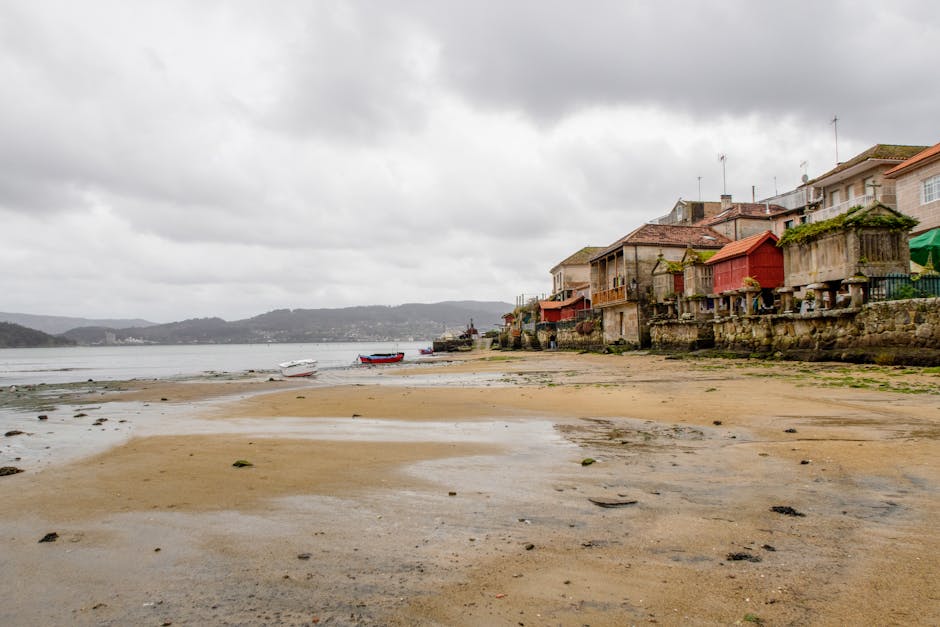 ). Enjoy the read and happy planning for your outings from Santiago de Compostela.
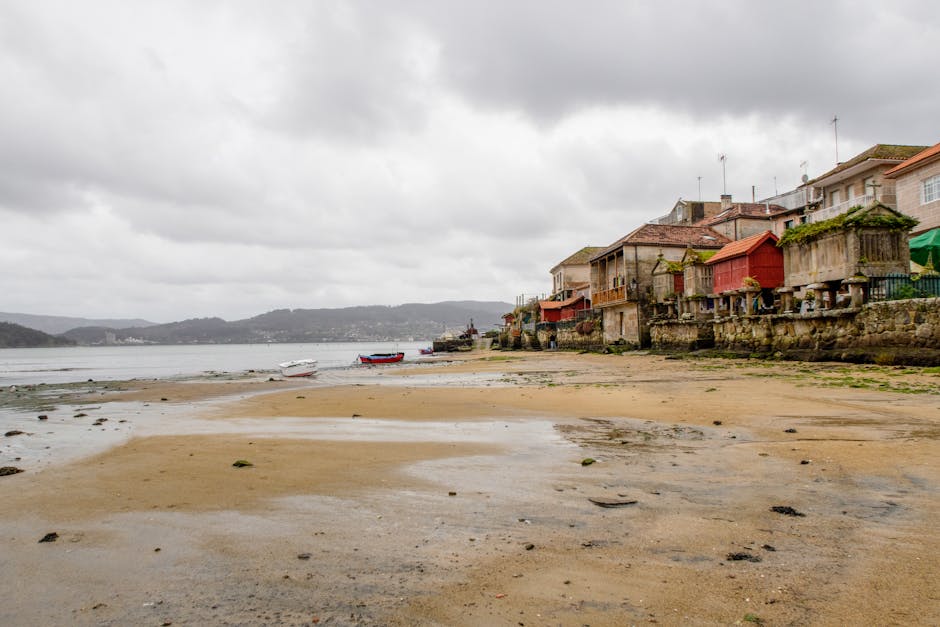
1. Combarro (Pontevedra) — The Village of Horreos by the Sea
Combarro is one of Galicia’s most photogenic coastal villages. About 66 km southwest of Santiago de Compostela by car (roughly 55–70 minutes depending on traffic), this small traditional port belongs to the municipality of Poio in Pontevedra province and offers a unique sight: granite hórreos (elevated storehouses) lined up along the shore, narrow granite-paved lanes, fishers still selling their catch of the day, and facades with wrought-iron balconies.
Address and starting point
- Location: Combarro, Poio, 36993 Pontevedra, Spain
- Tourist office: Oficina de Turismo de Combarro, Rúa da Fonte, s/n, 36993 Poio, Pontevedra
- Tourist office hours: April–September: 10:00–19:00; October–March: 10:00–14:00 (indicative, may vary by season)
- Price: visiting the village is free; paid parking near the harbor: around €1.50/hour (zoned parking — check signs)
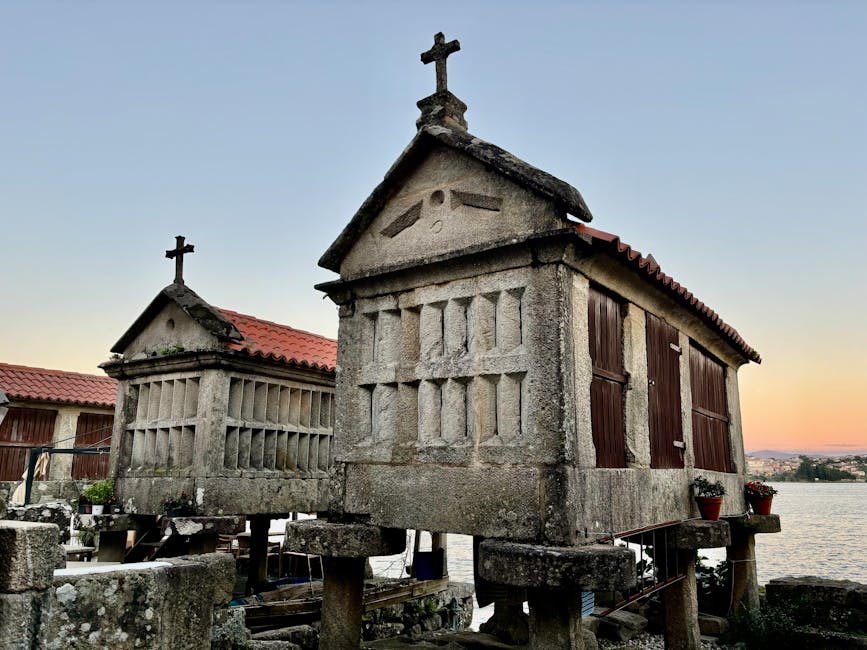
Immersive description: On arrival you’ll hear the quiet lapping of boats and the snap of nets. Combarro’s granite hórreos, sometimes decorated, stand on pillars facing the sea and create a striking scene at sunset. Wander street to street: Rúa do Medio and Rúa da Fonte are the main arteries, with artisan shops, tapas bars and terraces opening onto the ria.
What to see and do
- Igrexa de San Roque — Pl. de San Roque, 36993 Combarro, Poio. A locally baroque-style church, free access; opening times vary with religious services. Free entry.
- Passeio Marítimo de Combarro — Seafront promenade perfect for photographing the hórreos at sunrise or sunset. Open year-round, accessible 24/7.
- Recommended restaurants: Restaurante Casa Solla (for fine dining, 7 km away in Poio — address: Rúa do Souto, 9, 36970 Poio; tasting menus often > €100), or Taberna A Cova do Bruno, Rúa do Medio, Combarro (seafood dishes €12–25).
Local tips: Arrive early in the morning or after 5pm to avoid tourist coaches. Wear shoes with good grip for walking on wet cobbles. If you visit in summer, try a portion of percebes (goose barnacles) if available — pricey (€40–€120/kg), but a quintessential Costa da Morte culinary experience sometimes offered in neighboring ports.
2. Cambados — Albariño Capital and Stately Houses
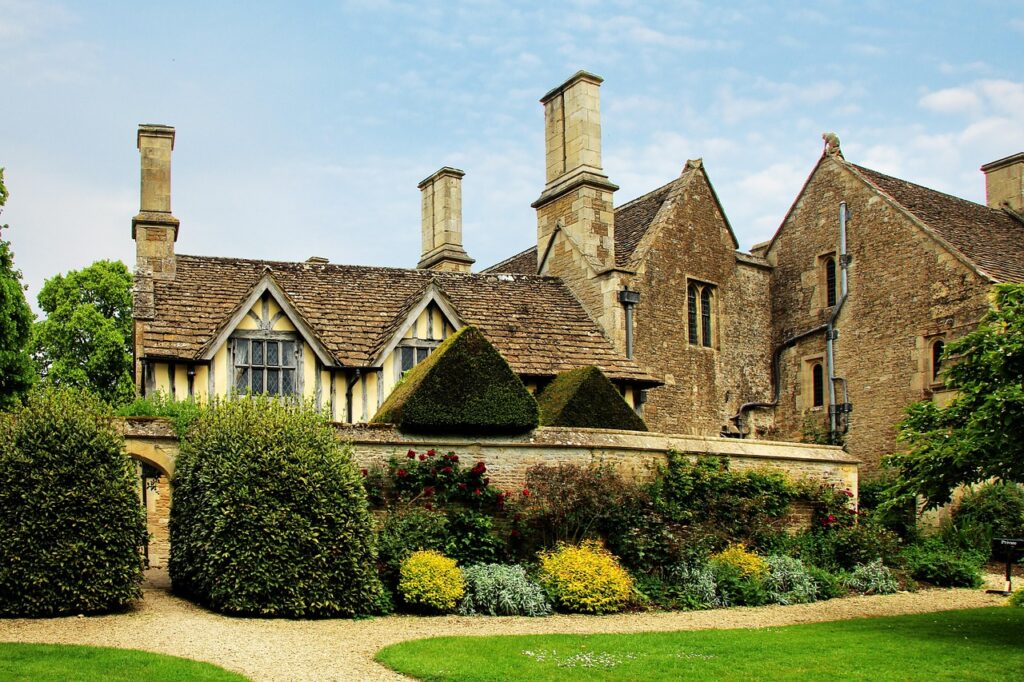
Located near the Ría de Arousa (about 68 km south of Santiago de Compostela, roughly a one-hour drive), Cambados is internationally known for its albariño wine. The town, with numerous manor houses and small shady squares, blends viticultural heritage with Baroque and Renaissance architecture. It’s a perfect stop for wine lovers, history buffs and fans of refined seafood cuisine.
Address and practical info
- Location: Concello de Cambados, Praza Fefiñáns, 1, 36630 Cambados, Pontevedra
- Tourist office: Oficina de Turismo de Cambados, Rua Fefiñáns, 1, 36630 Cambados
- Hours: Low season: 10:00–14:00; High season (June–September): 10:00–14:00 and 16:30–19:30. Sometimes closed Mondays in low season.
- Price: Self-guided visit to the town is free; wine tastings at bodegas: €5–€20 per person for a standard tasting; guided bodega tours: €10–€30 depending on whether tapas are included.
Immersive description: Cambados’ historic center revolves around Praza Fefiñáns, dominated by the Pazo de Fefiñáns (a manor house dating from the 15th–17th centuries). The scents of wine and salt mingle with aromas from restaurants preparing mariscos. The town feels elegantly rustic with stone facades, flowered balconies and sheltered squares. Albariño vineyards stretch across the hills and down to the ria; the bodegas offer a sensory journey among vats, casks and tasting sessions.
What to see and do
- Pazo de Fefiñáns — Praza de Fefiñáns, 1, 36630 Cambados. Exterior access is free; interior visits possible during cultural events. Exterior viewing is free; occasional guided tours €3–€7.
- Bodegas Martín Códax — Rúa da Alende, s/n, 36630 Cambados. Guided tours and tastings: €10–€25; hours usually 10:00–14:00 and 16:00–19:00 (book ahead).
- Museo Etnográfico do Pobo de Cambados — Rúa do Liceo, 3, 36630 Cambados. Entry: around €2–€4; seasonal opening hours — check with the tourist office.
Local tips: Book tastings in advance, especially on weekends or during the Festa do Albariño (mid-August), when demand and prices rise. For an authentic meal, share a mariscada (seafood platter) — expect €30–€60 per person depending on quality and season. If you want to bring back bottles, most bodegas ship internationally but check postage costs.
3. Muros — Medieval Port and Narrow Seaside Lanes
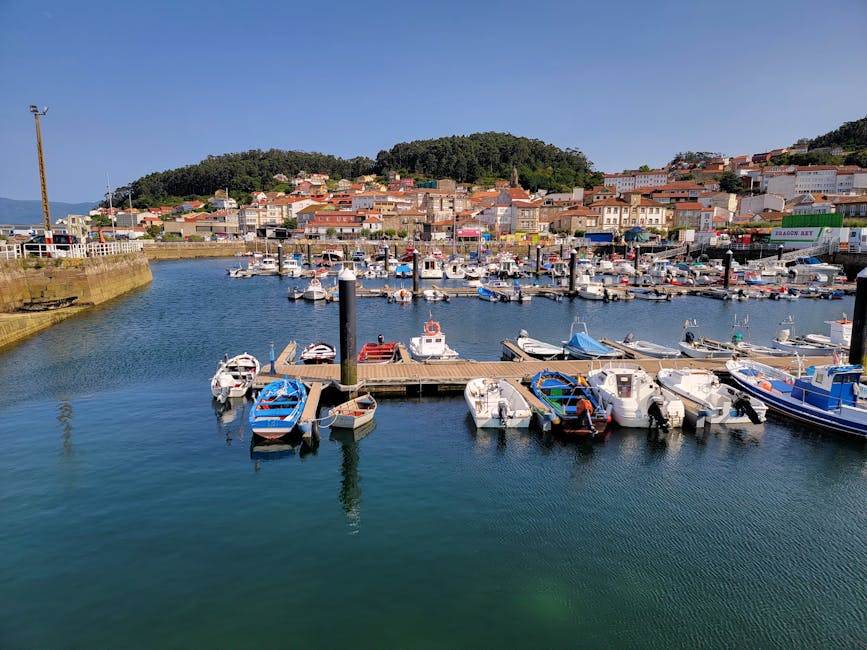
Muros is a historic port town in A Coruña province, situated between the Muros y Noia ria and the Atlantic Ocean, about 70 km northwest of Santiago de Compostela (around 1 hour 15 minutes by car). With its namesake walls (muros), a still-busy harbor and an old town of narrow streets, Muros offers a Mediterranean-like atmosphere transposed to Galicia, where maritime traditions are everywhere.
Address and essential info
- Location: Concello de Muros, Praza da Constitución, 1, 15980 Muros, A Coruña
- Tourist office: Oficina de Turismo de Muros, Rúa do Concello, s/n, 15980 Muros
- Hours: April–September: 10:00–14:00 and 16:00–19:00; October–March: 10:00–14:00. Check seasonal times.
- Price: The historic center is free to explore; guided port tours or local museum entries: €3–€8 depending on the exhibition; parking €1–€2/hour in central zones.
Immersive description: Approaching by the coastal road, you first glimpse church spires and slate roofs. Muros’ harbor is a choreography of buoys, nets and working fishermen. Praza de San Xoán and Praza da Constitución are social hubs filled with bars, traditional bakeries and small grocery shops. The Paseo Marítimo runs along a coastline that’s sometimes rugged, sometimes sheltered — an excellent place to watch the local fleet come and go.
What to see and do
- Igrexa de San Pedro — Rúa Pescadería, 15980 Muros. A church with Romanesque origins and Baroque altarpieces. Free entry, occasional guided visits.
- Museo de Muros — Casa Consistorial, Praza da Constitución, 1, 15980 Muros. Exhibitions on the town’s maritime history. Indicative price: €3–€5.
- Boat trips — Local excursions to nearby islands and coastal sights (operators depart from the harbor). Price: €10–€25 per person for a short trip; book depending on season.
- Recommended restaurants: O Castelo (Rúa de Cervantes, 12) for grilled fish, main courses €12–€25; Taberna A Rula (Rúa da Rula, 4) for tapas and seafood, €10–€22.
Local tips: Morning markets (often between 08:00 and 11:00) are the best place to buy ultra‑fresh fish. For photos, morning light reveals the textures of granite; sunsets are best enjoyed from the harbor. If the weather turns, museums and a cozy tasting in a tavern will still give you an authentic feel for the place without ruining the day.
4. Muxía — Legendary Sites on the Costa da Morte
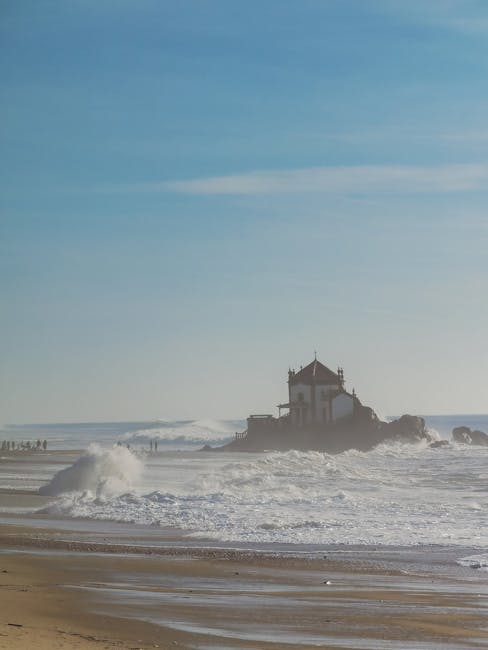
Muxía is one of the emblematic spots on the Costa da Morte (the ‘Coast of Death’), about 90 km northwest of Santiago de Compostela (roughly 1 hour 20–1 hour 40 by car). Famous for dramatic rocks, sanctuaries and sea legends, Muxía is for travelers seeking a raw, spiritual connection with the Atlantic. The Santuario da Virxe da Barca, perched on a rocky headland, is especially photogenic and steeped in maritime and Jacobean tales.
Address and practical info
- Location: Muxía, 15124 Muxía, A Coruña, Spain
- Santuario da Virxe da Barca: Lugar da Barca, 15124 Muxía. The sanctuary is the village’s most famous site.
- Tourist office: Oficina de Turismo de Muxía, Rúa Real, 8, 15124 Muxía
- Hours: Tourist office: 10:00–14:00 and 16:00–19:00 in high season; Santuario: accessible every day, times vary with mass schedules. Exterior site open 24/7.
- Price: Visiting the sanctuary and headland is free; public parking nearby: €1–€2/hour or day rates €5–€10 depending on season.
Immersive description: In Muxía the wind shapes the vegetation and the sea races into rocky coves. The approach to the Santuario da Virxe da Barca usually includes a short walk over rocky paths, passing small shrines and granite crosses. The ocean‑sculpted rocks known as the “Pedras de abalar” (rocks that seem to wobble) and the sanctuary silhouette against the horizon create a striking image, particularly on overcast days or during summer storms — a typical mood for this coastline.
What to see and do
- Santuario da Virxe da Barca — Lugar da Barca, 15124 Muxía. A pilgrimage site, free access. Allow 30–60 minutes for the sanctuary and surrounding walk.
- Cabo Touriñán — The westernmost point of mainland Spain (about 10–15 minutes’ drive from Muxía). Parking available; free access. Great for sunsets and sea panoramas.
- Museo do Mar de Muxía — Rúa da Carreira, s/n, 15124 Muxía. Exhibitions on local fishing and maritime life. Entry: €2–€5.
Local tips: Bring windproof clothing whatever the season — the weather changes fast. For photographers, a tripod and an ND filter will help capture waves crashing on the rocks at dawn. Try a bowl of caldeirada (fish stew) at one of the port taverns — generous portions, €10–€18 per person depending on ingredients. If you’re following a pilgrim route, Muxía is often visited as an extension of the Camino Finisterre‑Muxía, a traditional continuation after Santiago.
5. O Cebreiro — High‑Altitude Village and Celtic Heritage
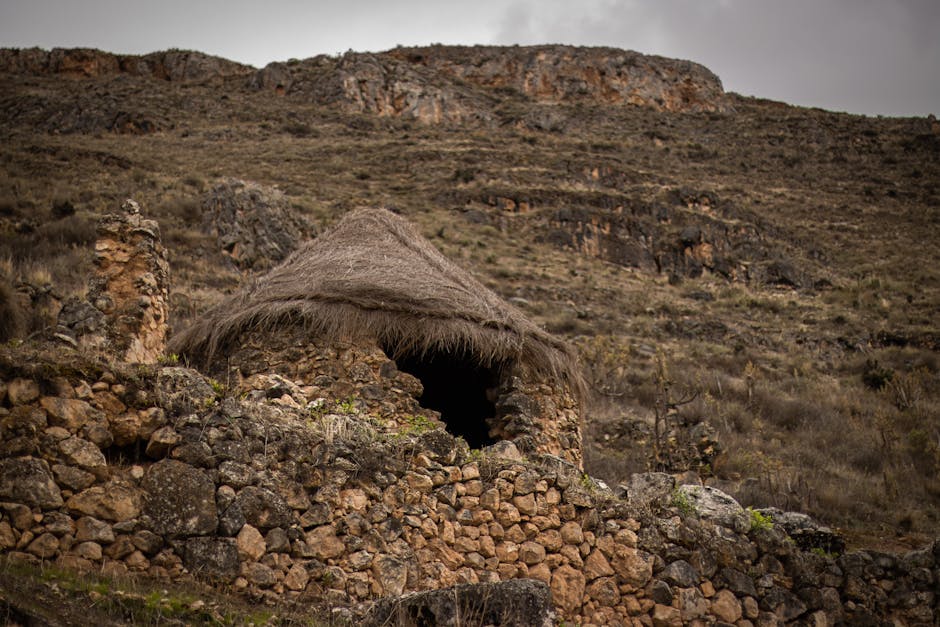
O Cebreiro is a unique village on the Camino Francés in eastern Galicia, within the municipality of Pedrafita do Cebreiro, Lugo province. About 80–110 km northeast of Santiago de Compostela (roughly 1 hour 20–1 hour 50 by car depending on route), O Cebreiro stands out for its pallozas (semi‑circular stone dwellings that once had thatched roofs) and for its high‑altitude atmosphere, often shrouded in mist and swept by cool winds. It’s a symbolic stop for pilgrims.
Address and practical info
- Location: O Cebreiro, 27637 Pedrafita do Cebreiro, Lugo, Spain
- Tourist office: Casa do Outeiro / Centro de Interpretación do Camiño, O Cebreiro, 27637 Pedrafita do Cebreiro
- Hours: Interpretation center: 10:00–14:00 and 16:00–19:00 in tourist season; reduced hours off‑season — check before you go.
- Price: Entry to the interpretation center: €2–€5; guided historical tours: €5–€12 depending on length and language.
Immersive description: Climbing up to O Cebreiro feels like stepping into another world: windswept meadows, granite hamlets and a sense of historical isolation that evokes medieval pilgrimage times. Restored pallozas sometimes house ethnographic displays explaining traditional rural life: tools, cooking habits and costumes. The church of Santa María la Real, with its relics (the local claim to a Holy Grail in the form of a sacred stone and a medieval chalice according to legend), is a must for visitors and pilgrims.
What to see and do
- Igrexa de Santa María a Real — Praza das Fontes, O Cebreiro, 27637 Pedrafita do Cebreiro. Romanesque church with pre‑Romanesque elements; free access, visits possible during services.
- Pallozas and Interpretation Center — Casa do Outeiro, O Cebreiro. Price: €2–€5; hours: 10:00–14:00 and 16:00–19:00 in high season.
- Hiking — Short walks around the village with mountain views. Easy walks from 30 to 120 minutes depending on the trail.
Local tips: In winter roads can be snowy — check road conditions and weather before leaving. Bring warm, waterproof clothing even in summer. For a taste of tradition, order a dish with queixo tetilla (cheese) and a hot caldo gallego (soup) at one of the small village restaurants; meal prices €8–€18 per person. Pilgrims should remember to get their credential stamped at a bar or the tourist office — a respected and symbolic tradition.
Conclusion — How to Plan Your Outings and Final Tips
The villages in this guide — Combarro, Cambados, Muros, Muxía and O Cebreiro — provide a broad picture of what Galicia around Santiago de Compostela has to offer: picturesque coastline, renowned wines, lively ports, marine sanctuaries and mountain heritage tied to the Camino. To get the most from your visits, here are practical recommendations to turn these excursions into memorable experiences:
- Planning and distances: Most villages are one to one‑and‑a‑half hours’ drive from Santiago de Compostela. Renting a car gives you the greatest flexibility to combine stops in a single day (for example Combarro + Cambados), while regional buses (monobus and inter‑municipal lines) are cheaper but more limiting due to schedules.
- Best time to visit: May to September brings the mildest weather and most tourist services open continuously. Summer is busiest; spring (April–June) and autumn (September–October) offer better light and fewer crowds.
- Indicative budget: Plan a daily budget that varies with your style: €20–€40 for a budget day (local transport, coffee, museum entry), €40–€80 for a comfortable day with lunch and a wine tasting, and €100+ for gourmet experiences or private guided tours.
- Respect and local interactions: These villages are inhabited and rely on fishing, viticulture and tourism. Learn a few words of Spanish or Galician (hello — “ola”, thank you — “grazas”), respect church and market hours, and avoid intrusive photography during meals or around fishing operations.
- Photographic visits: For the best shots, favor sunrise for ports (soft light) and sunset for coastal panoramas. Bring a lightweight tripod and protect your gear from salt spray and wind.
- Health and safety: Walks around Muxía or O Cebreiro require appropriate footwear and water; check weather conditions. On the Costa da Morte, heed barriers and safety warnings when winds are strong.
Ultimately, Galicia’s charm lies in its capacity to surprise: a modest village might offer an unforgettable tasting, a knowing glance from a fisherman, or a miraculously preserved chapel. From Santiago de Compostela, take the time to listen, taste and walk — the region reveals itself as much through its flavors as through its landscapes. If you take only one piece of advice from this guide: go slow, favor family‑run places and be open to local hospitality — you’ll leave with images, flavors and encounters that last well beyond any postcard.
Safe travels and enjoy discovering the villages around Santiago de Compostela.