





Introduction — Why explore the villages around Santiago de Compostela
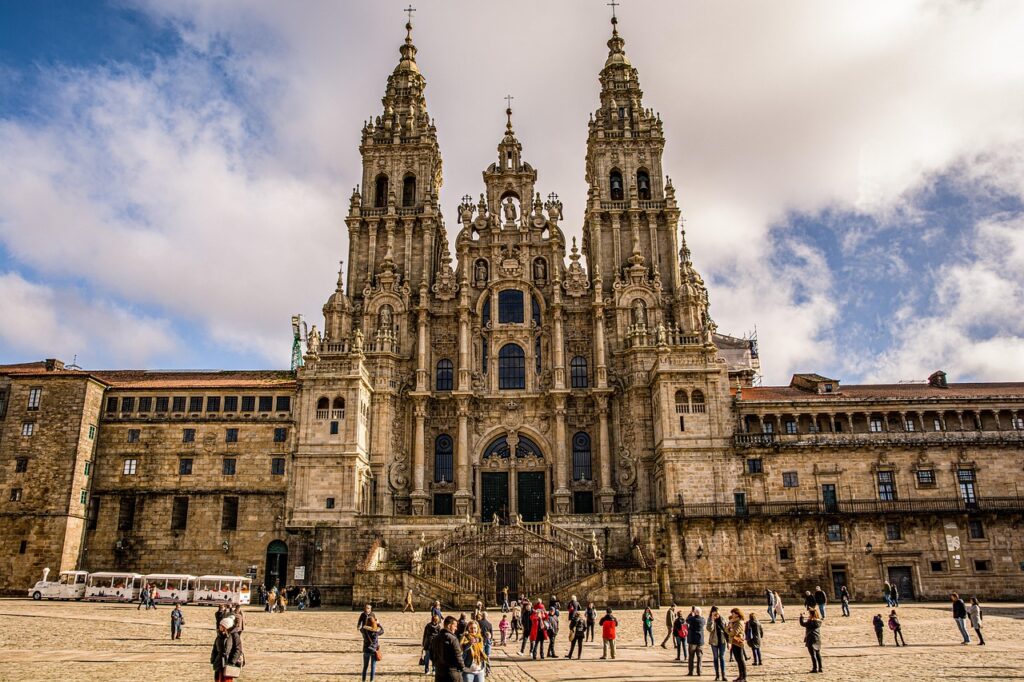
Santiago de Compostela is a major destination for pilgrims and travelers drawn to its impressive cathedral and Jacobite heritage. But staying only in the old town — however captivating — means missing another side of the region: the nearby villages, true showcases of Galician culture, coastal scenery and cuisine rooted in both sea and land. These villages are often less than an hour by car, train or bus from the Galician capital and make excellent half-day trips, full-day excursions or short stays.
This guide offers easy, practical itineraries for exploring the villages around Santiago. Each suggestion includes exact addresses, indicative opening times, approximate prices, immersive descriptions and local tips to help you make the most of your time and enjoy Galicia’s authenticity. Whether you’re a photographer chasing maritime light, a gentle-hiking enthusiast, a curious foodie or a culture traveler, you’ll find routes doable by public transport or rental car.
Among the places featured you’ll find historic fishing ports, seaside towns with granite houses, villages with raised granaries along estuaries, and coastal sanctuaries steeped in legend. Each spot has its own architecture, distinctive landscape and seasonal calendar of activities (festivals, markets, religious services). The routes are planned to be accessible: transfer times, best visiting hours to avoid crowds, dining options and tourist offices for on-site information are all indicated.
Before you go: check seasonal opening hours (many museums and tourist offices close on Mondays or change hours off-season), bring a windbreaker (Atlantic winds can be strong even in summer), and book seaside restaurants for weekend evenings. This guide also gives alternatives if bad weather prevents coastal views. Prices mentioned are indicative as of writing (indicative 2026 rates) and may change: check official sites or the listed tourist offices before you travel.
1. Padrón — Literary history and riverside strolls on the Sar
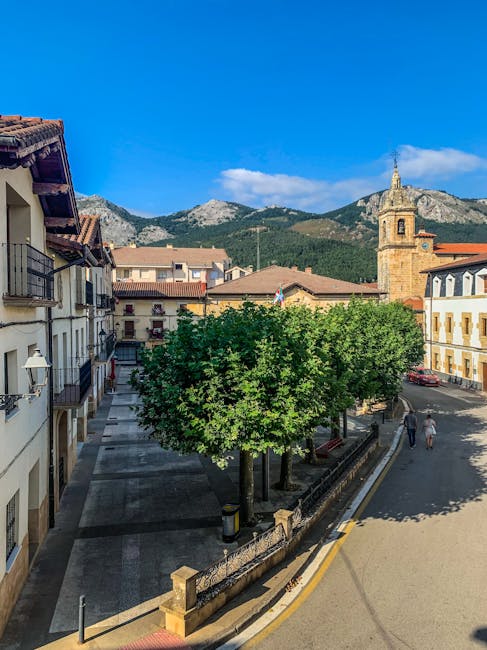
Padrón is often linked to Rosalía de Castro, the great Galician writer, and to the famous Padrón peppers (Pimientos de Padrón), some of which are spicy and some not. The town sits about 25 km southeast of Santiago de Compostela and makes for an easy trip by car (around 30 minutes) or by intercity bus (Compañía Monbús or Alsa depending on schedules). Padrón is perfect for a half-day or a full day combining heritage, food and riverside wandering.
What to see and do
- Colegiata de Santa María la Mayor — Praza do Concello, 1, 15900 Padrón, A Coruña. The main church with a beautiful façade and cloister. Opening times: 10:00–13:00 and 17:00–20:00 (indicative, may be closed Monday mornings). Free entry. Tip: climb the forecourt for a view over the río Sar.
- Casa-Museo de Rosalía de Castro — Rúa da Tinería, s/n, 15900 Padrón, A Coruña. Museum dedicated to the life and work of the writer. Hours: 10:00–14:00, 16:00–19:00 (closed Monday). Price: around €2–3 (indicative). Inside: reconstructed rooms, manuscripts and rotating exhibitions.
- Río Sar and Paseo del Espolón — a walk along the riverbanks with benches, sculptures and photo spots. Ideal in the late afternoon for soft light.
Food tip: stop at Mesón O Pote — Rúa da Esperanza, 7, 15900 Padrón — to try grilled Padrón peppers (average tapa price: €3–6) and fresh fish dishes. Weekend reservations recommended (tel. +34 981 81 80 12).
Local tip: the municipal market takes place several mornings a week in Praza de España — perfect for buying local cheeses, canned ria fish and fresh peppers. If you have time, continue upriver to visit the old water mills for a peaceful walk.

2. Combarro and its waterfront hórreos — Photography and seafood
Combarro is arguably one of the most photogenic villages on the Ría de Pontevedra: rows of hórreos (raised stone granaries), narrow granite streets and small taverns overlooking the estuary. About 60 km southwest of Santiago, Combarro is 50–70 minutes by car or reachable via a combination of train and bus from Pontevedra station. It’s a perfect outing for photography fans, vernacular architecture lovers and seafood aficionados.
Highlights and practical addresses
- Paseo Marítimo de Combarro — Rúa da Fonte, 36990 Combarro, Pontevedra. Coastal promenade lined with hórreos and old houses. Best light: sunrise and sunset.
- Igrexa de San Roque — Rúa de San Roque, 36990 Combarro. Small village church with a charming square in front. Hours: 09:00–13:30 / 17:00–20:00 (indicative).
- Restaurante O Muíño de Combarro — Rúa da Igrexa, 2, 36990 Combarro. Specialties: mariscos (shellfish), arroz con bogavante. Price range: main courses €12–30. Reservation recommended (tel. +34 986 85 03 45).
Immersive description: the salty air, cobbles gleaming after rain, hórreos lined up like silhouettes at water level — Combarro feels sculpted by the sea. The lanes are narrow and parking can be scarce in high season: use peripheral car parks and walk in. The small local museum tells the story of fishermen and canneries, often free or for a symbolic fee (€1–2).
Local tip: wear shoes with good grip if you explore the rocky shoreline. The best oysters and mussels are usually enjoyed in the afternoon at tiny taverns, often paired with a glass of Albariño (local white wine). Craft shops sell pottery and canned seafood products (prices €3–15 depending on the item).
3. Muros and Noia — Medieval harbors and traditional markets
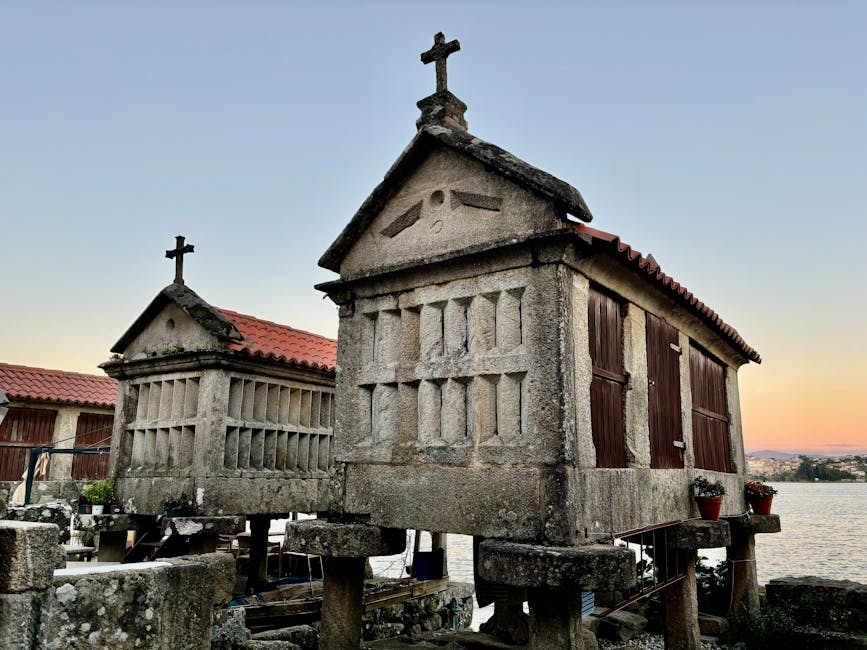
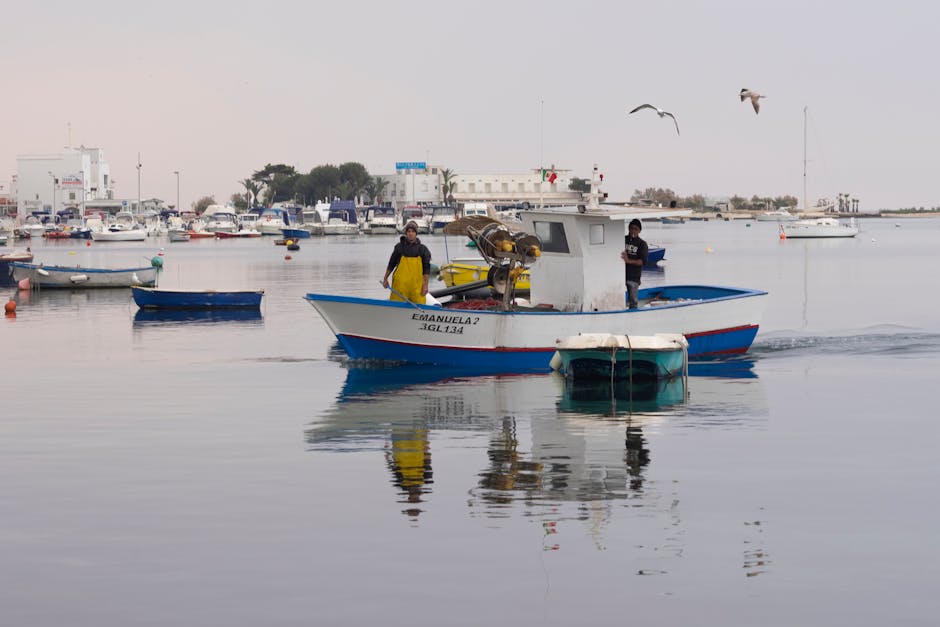
Muros and Noia, two coastal towns west of Santiago, capture the charm of Galician medieval ports. Muros (about 60 km west of Santiago) is known for its active harbor and maritime architecture, while Noia (around 50 km) offers medieval lanes and a rich calendar of religious and popular festivals. Both towns can be combined into a full-day trip by car or public transport for a complete immersion: markets, churches, waterfronts and seafood restaurants.
Muros — addresses and visits
- Port of Muros — Muelle da Ribeira, 15110 Muros, A Coruña. Lively fishing activity and fresh fish sales on certain mornings.
- Igrexa de San Pedro — Praza de San Pedro, 15110 Muros. Historic church overlooking the main square. Hours: 10:00–13:00 and 16:30–19:00 (indicative).
- Muros Tourist Office — Rúa Castelao, 27, 15110 Muros. Hours: 09:30–14:00 / 16:00–19:00. Info on coastal walks and tourist boat trips (tel. +34 981 74 90 10).
Muros is ideal for grilled fish and raciones (€6–18), with a very authentic harbor atmosphere. Stroll the quays to watch small fishing boats return.
Noia — addresses and atmosphere
- Praza do Tapal — 15100 Noia, A Coruña. Central square lined with cafés, starting point for walking tours.
- Noia Tourist Office — Praza do Concello, s/n, 15100 Noia. Hours: 10:00–14:00 / 16:00–19:00. Info on historic routes and museums (tel. +34 981 86 20 33).
- Igrexa Colexial de Santa María a Nova — Rúa da Colexiata, 15100 Noia. A major Gothic–Renaissance monument. Guided tour price: €3–5 (indicative). Hours: 10:00–13:30 / 15:30–19:00 (seasonal).
Immersive description: wandering through Noia feels like entering a small stone labyrinth with ornate façades, wrought-iron balconies and cafés where locals still chat about the day’s catch. The weekly market is the perfect place to buy artisan preserves, local cheese and Galician pastries (prices €2–8).
Combination tip: start in Muros in the morning to catch the boats coming in, enjoy a seafood lunch, then head to Noia in the afternoon for its collegiate church and local crafts. If you have a full day, add Carnota beach (nearby) for a walk along one of Galicia’s longest shorelines.
4. Muxía and the Santuario da Virxe da Barca — Legends and wild cliffs
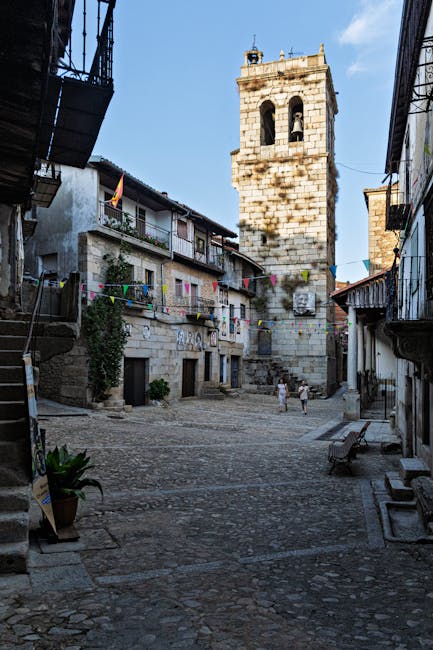
Muxía is a coastal pilgrimage site famous for its sanctuary and spectacular Atlantic views. About 95 km (roughly 90 minutes) from Santiago, Muxía rewards the traveler with dramatic seascapes, legendary stories tied to the Virgen da Barca and coastal hiking trails. It’s an excellent day trip if you have a car, or can be combined with other Costa da Morte stops.
Santuary and beach
- Santuario da Virxe da Barca — Praza da Barca, 15124 Muxía, A Coruña. Sanctuary on a rocky headland, decorated with large granite sculptures and crosses. Hours: 09:00–20:00 (seasonal). Free entry; access to the headland is unrestricted.
- Muxía Tourist Office — Praza do Concello, 1, 15124 Muxía. Hours: 10:00–14:00 / 16:00–18:00. Information on hikes and marine life (tel. +34 981 76 00 14).
- Praia da Lagoa — a wild beach a few minutes’ walk from the sanctuary; ideal for dramatic wave-watching and photos.
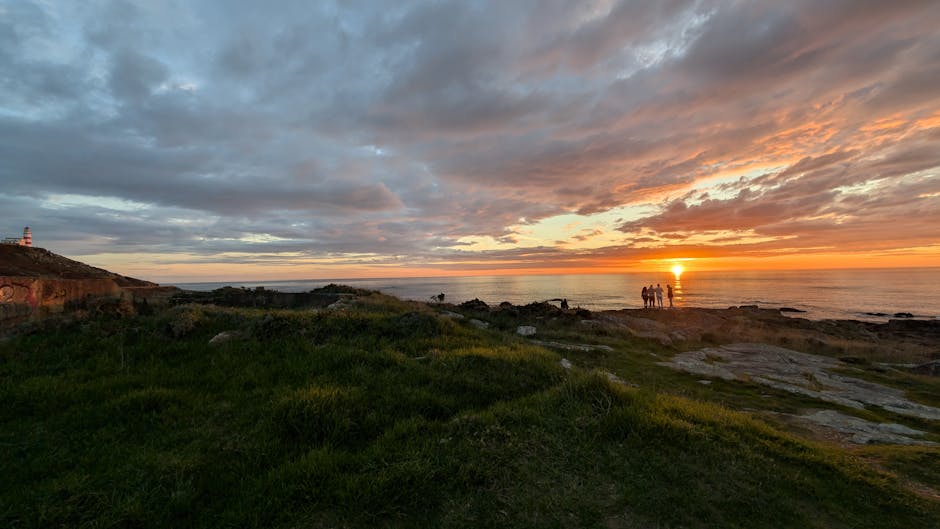
Immersive description: salty wind, waves smashing against monumental rocks, the cry of gulls and the sanctuary’s silhouette above the ocean — Muxía feels almost mythic. The headland at sunset paints ochre and blue tones perfect for photography. Contemporary granite sculptures add an artistic layer to this sacred landscape.
Practical tips: bring warm, waterproof clothing even in summer, as weather can change quickly. Trails can be slippery — wear sturdy shoes. For lunch try Restaurante O Peiraño — Rúa da Rúa, 12, 15124 Muxía — for fresh fish dishes (mains €12–25). Phone: +34 981 73 00 33. If you prefer a guide, the tourist office occasionally offers coastal guided walks (indicative price €8–12 per person).
5. Pontevedra — provincial capital with calm charm and walking routes
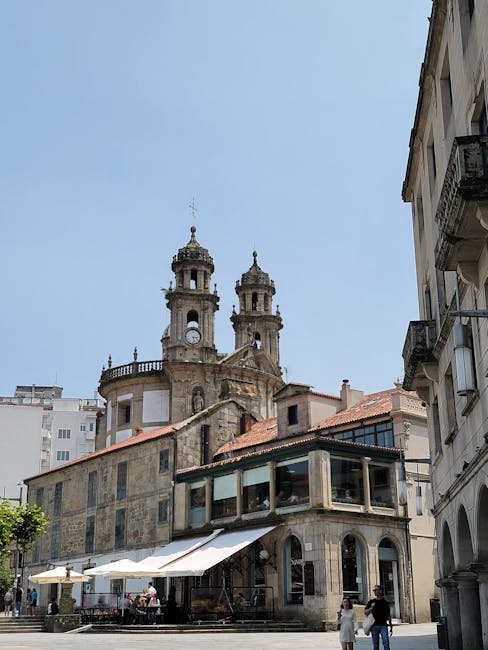
Pontevedra, about 60 km south of Santiago (roughly 45–60 minutes by car or 40–70 minutes by train depending on the service), is a larger town but keeps a compact old quarter and characterful suburbs within easy reach. Pontevedra’s pedestrianized historic center is a successful example of urban renewal, with lively squares, churches and riverside walks. It’s a great base for exploring the Ría de Pontevedra and nearby villages (Combarro, Raxó).
What to visit in Pontevedra
- Basilica de Santa María la Mayor — Praza da Ferraría, s/n, 36002 Pontevedra. A Gothic monument with an outstanding altarpiece. Hours: 10:00–14:00 / 17:00–20:00 (off-season). Free entry; guided visits possible (indicative price €3–6).
- Praza do Teucro — Tourist Office — Praza do Teucro, 1, 36001 Pontevedra. Main information point. Hours: 09:30–14:00 / 16:00–19:00 (tel. +34 986 85 09 11).
- Paseo Marítimo and the Lérez riverbank — landscaped promenades, parks and historic bridges. Ideal for an evening stroll.
Local experience: Pontevedra is naturally walkable: squares like Plaza de la Peregrina and Plaza de la Verdura host cafés perfect for people-watching. Restaurants serve excellent fish dishes and modern tapas. Dining budget: daily menus €10–18, à la carte mains €12–28.
Itinerary tip: pair Pontevedra with a morning visit to Combarro (15–20 minutes by car) and return to Pontevedra in the afternoon to wander the old town, visit the provincial museum (Museo Provincial de Pontevedra — Praza de San Domingo, 5, 36002 Pontevedra; hours 10:00–14:00 / 16:00–19:00; indicative price €2–4) and enjoy a relaxed evening.
Conclusion — Practical tips for planning your routes from Santiago
Exploring the villages around Santiago de Compostela combines religious and civil heritage, coastal scenery and culinary terroir. The suggested routes are designed to be easy to implement, even for travelers short on time. To make your excursions smoother:
- Transport: a car gives the most flexibility (rentals available at Santiago Airport — Aeropuerto de Santiago-Rosalía de Castro, Rúa do Aeroporto, 15820 Santiago de Compostela). Bus and train connections work well: check Monbús, Alsa and Renfe for real-time schedules. Allow 1–2 hours buffer for tight connections.
- Opening hours: many tourist offices and small museums close on Mondays or reduce hours off-season; check online or call ahead. Village restaurants sometimes close in the late afternoon between 15:00 and 17:00.
- Budget: prices in this guide are estimates (indicative 2026 rates). Expect roughly €10–30 for a main meal, €2–6 for small museum entries, and €0–12 for local guided tours depending on duration.
- Weather: Galicia is known for changeable weather — bring a waterproof jacket and warm layers, especially for coastal outings. Best times to visit are spring and early autumn when light is soft and crowds are smaller.
- Local respect: favor local products (regional cheeses, artisan preserves, Albariño wines); when visiting sanctuaries, respect service times and local rules.
By combining a day in Padrón, an afternoon in Combarro and visits to the sanctuaries of Muxía or the ports of Muros and Noia, you’ll get a broad view of rural and coastal Galicia while easily returning to Santiago in the evening to enjoy its nightlife and historic setting. Feel free to adapt routes to your interests: hiking, photography, gastronomy or historical research. The tourist offices listed are good starting points for maps, brochures and updated schedules.
Finally, leave time to just wander: often it’s the narrow lanes, a chat with a fisherman or buying a local preserve that turns a trip into a lasting memory. Safe travels and happy discoveries around Santiago de Compostela!