





Introduction — Why the exterior doesn’t tell the whole story: challenging the obsession with Santiago de Compostela’s façade
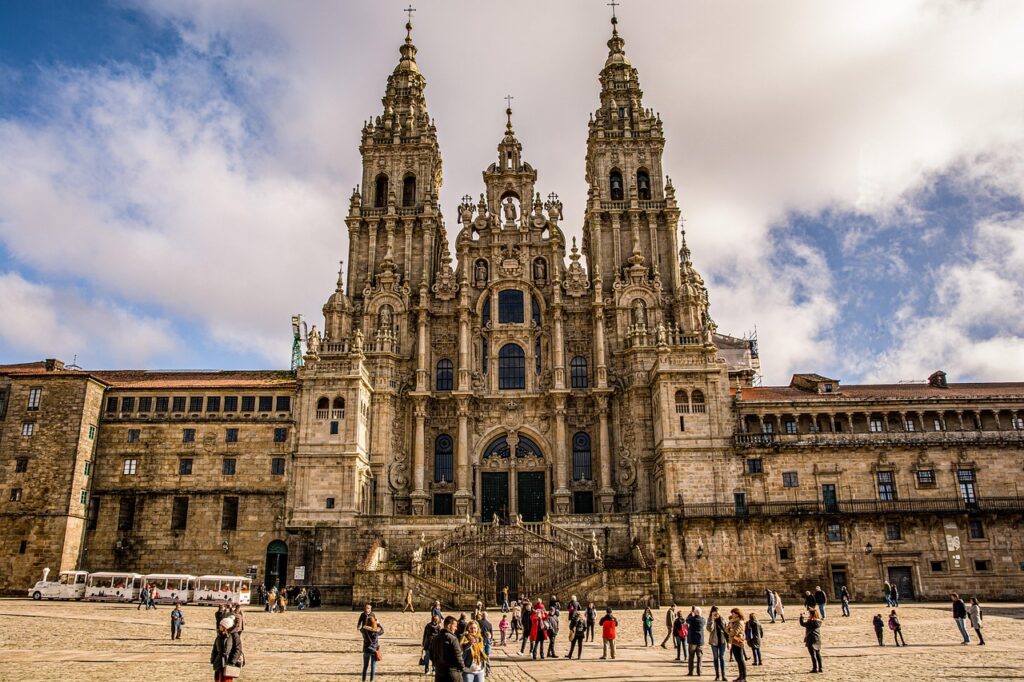
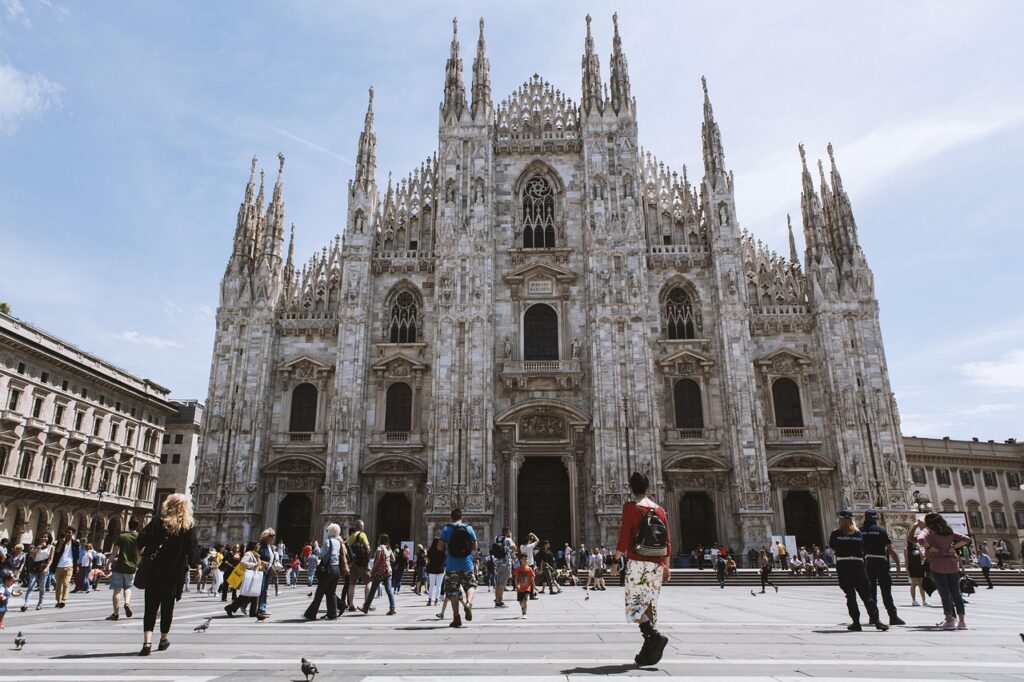
The Cathedral of Santiago de Compostela (Catedral de Santiago de Compostela) is, for many, instantly identified by its massive Baroque façade on the Praza do Obradoiro. Hundreds of thousands of pilgrims and tourists flock there each year for the obligatory shot in front of the Obradoiro, often snapping photos without even stepping inside. It has become a visual ritual: the façade = the cathedral = the destination. But reducing Santiago to its frontage misses the point. This piece isn’t meant to belittle the building — it is, and will remain, a treasure — but to question a tourist logic that turns living heritage into interchangeable scenery.
The Obradoiro façade is spectacular, striking, and supremely photogenic. It will polish your social feed and meet cultural expectations. Yet the historical scholarship, plural spirituality, architectural complexity and everyday life of Santiago all play out off-camera: in the worn stone inside, in the side chapels, in the Pórtico da Gloria, on the roofs, in the cloisters, at the Mercado de Abastos, and in the way light shifts through hours and seasons. The monumental exterior exerts a mechanical pull, concentrates flows of people and creates a homogenizing tourist bubble — which warps how the site is read and impoverishes the experience.
This text offers a critical but constructive reading. First, it explains why the façade obsession is a false lead: historical distortion, a standardized experience, the loss of essential details, and human saturation. Then it gives precise, practical alternatives — places, addresses, prices, opening times — to enrich a visit and unmask the spectacle. Finally, it offers approach tips for those who want to grasp the cathedral beyond the selfie. The tone is honest and balanced: no gratuitous judgment, just keys to enjoy the place differently and to access its deeper layers.
This counter-guide is aimed at three groups: the pilgrim seeking meaning, the curious traveler who wants to avoid mass tourism, and the local or semi-local rediscovering their city. It invites you to slow down, listen to the stones, visit away from the façade madness, and accept that what matters most is often invisible at first glance.
1) Why the façade is overrated: spectacle vs substance
The Obradoiro façade was reshaped in the 17th–18th centuries, adopting a flamboyant Baroque language designed to impose grandeur and authority on visitors. It’s beautiful, dramatic and extremely photogenic. But the Baroque staging served specific representational needs: asserting the Church and the city, organizing the view from the square, and channeling pilgrims’ arrivals. Today, that same device is amplified by the economy of Instagrammable tourism: people are hunting for the « perfect photo, » not necessarily for deeper understanding. As a result, crowds pile up on the Praza do Obradoiro, slowing access, creating noise, and turning the encounter into more of a spectacle than an act of contemplation.
Historical overvaluation: the façade isn’t the sole valid record of the site’s millennia of history. The Cathedral has multiple layers — Romanesque, Gothic, Baroque — but the Pórtico da Gloria (12th century), Master Mateo’s masterwork and the centerpiece of the cathedral’s artistic and historical story, sits inside. If you never move beyond the visual frame set by the façade, you miss the intellectual and spiritual heart of the monument. Emotional overvaluation: the selfie in front of the Obradoiro delivers an instant thrill, often fleeting. The true emotion tied to Santiago builds over time: attending a mass, seeing the Botafumeiro swing, touching the stone of the tomb and understanding the succession of human gestures since the Middle Ages.
Social and economic overvaluation: the concentration of tourist actors around the façade (rush guides, souvenir sellers, low-quality tourist eateries) creates a façade economy. This drives up the price of a standardized experience and reduces the quality of the city’s wider offerings. Moral: judging Santiago solely by its façade is to accept a commercial, impoverished version of the visit.
2) What the façade hides: invisible treasures and the interior experience
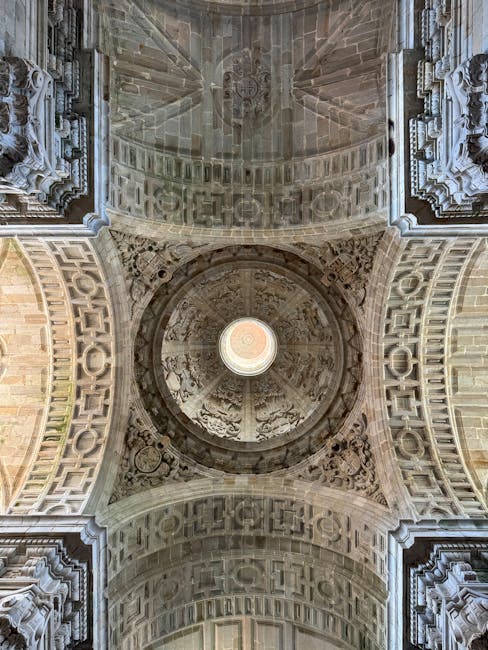
To truly understand Santiago you have to cross the threshold and follow less obvious routes. Inside, the Pórtico da Gloria (Portico of Glory) is a Romanesque masterpiece carved by Master Mateo in the 12th century. Long obscured and patiently restored, it concentrates iconography, theology and craftsmanship. Appreciating it takes time, proximity, and interpretation — a paper guide or an audio guide will unlock the richness of the sculpted figures, medieval cosmology, and the relationship to pilgrims. The crypt and the tomb of the Apostle Saint James are other places where dense symbolism is conveyed through gesture: prayer, silence and attention.
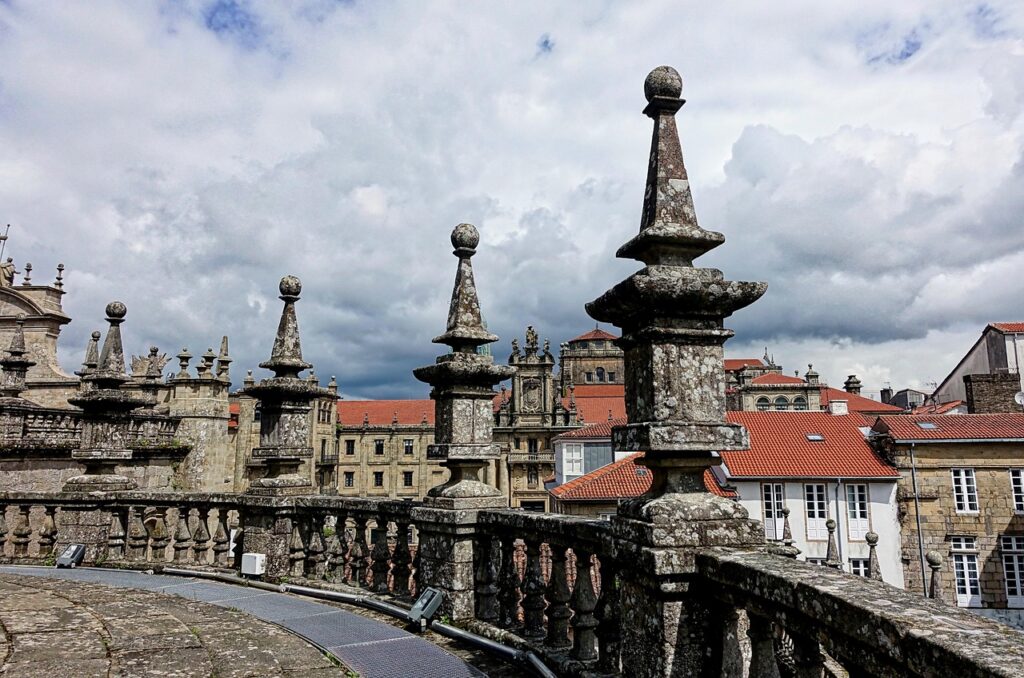
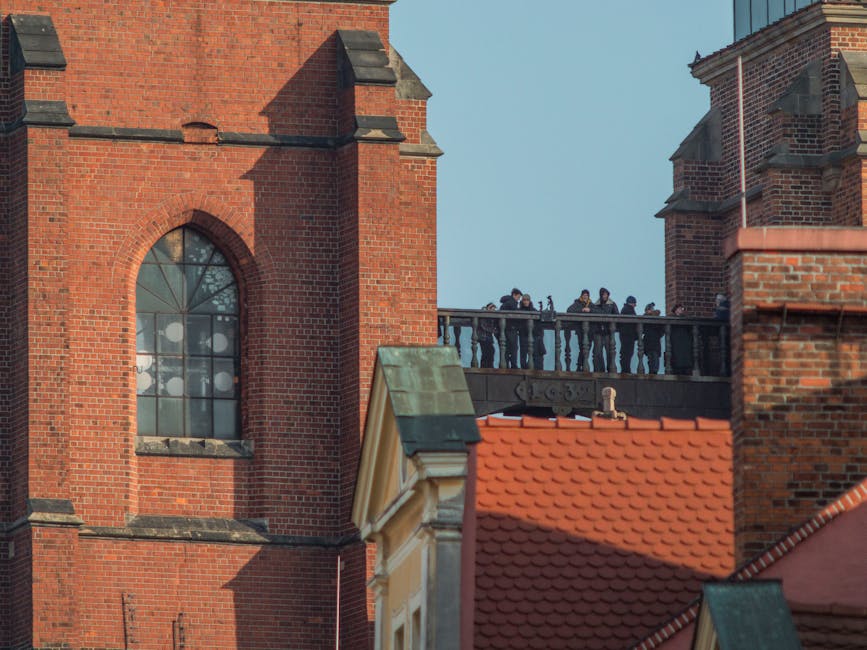
The often-overlooked side chapels hide Baroque altarpieces, paintings and reliquaries that, while less exposed than the main tomb, are equally meaningful. The choir, the stalls and the sacristy offer a different artistic and liturgical register. The rooftop tour (the « Cubiertas de la Catedral ») — which requires booking — reveals an extraordinary topographic perspective: slates, water spouts, gargoyles, and a city view the façade cannot provide. The roofs tell the story of centuries of maintenance and give a concrete sense of how a major cathedral functions.
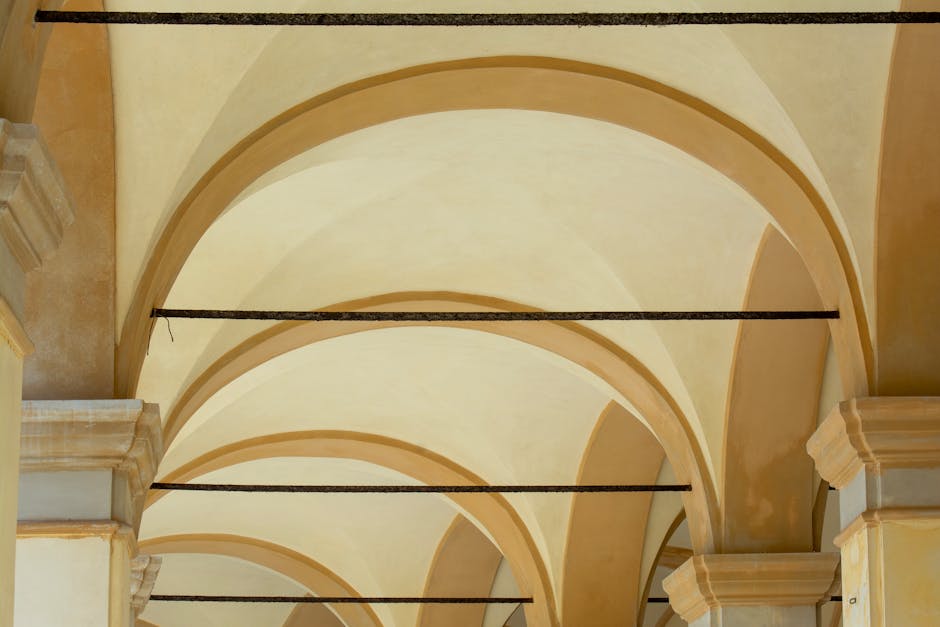
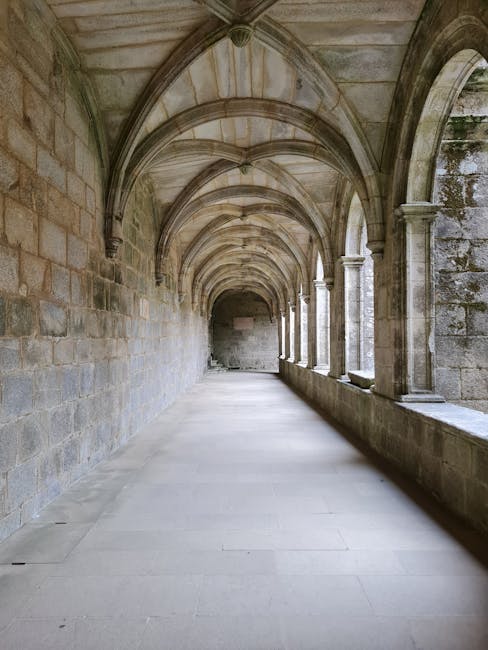
Finally, the cloister of the Monastery of San Martiño Pinario, right next door, presents another narrative — that of monastic life, architectural transformations and religious and social usages. Exploring these spaces places the façade within a network of meanings and uses. Without bridges to these interior elements, the façade remains a mute set piece.
3) Concrete quality alternatives: where to go instead of lingering on the square
Rather than posing for a photo, here are concrete alternatives — with addresses, prices and opening times — to enrich your stay in Santiago. These suggestions favor depth, encounters with local life, and a fuller understanding of the heritage.
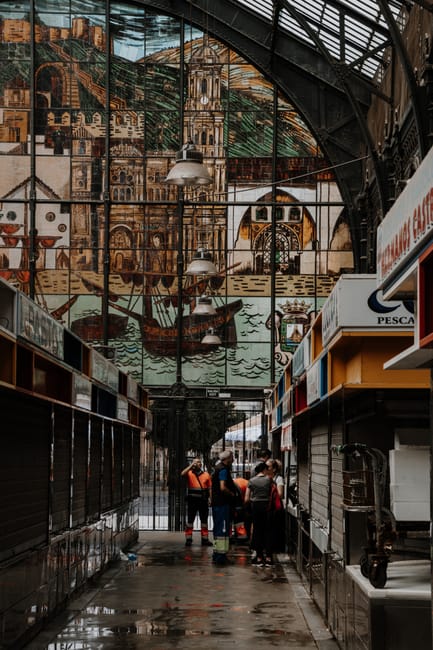
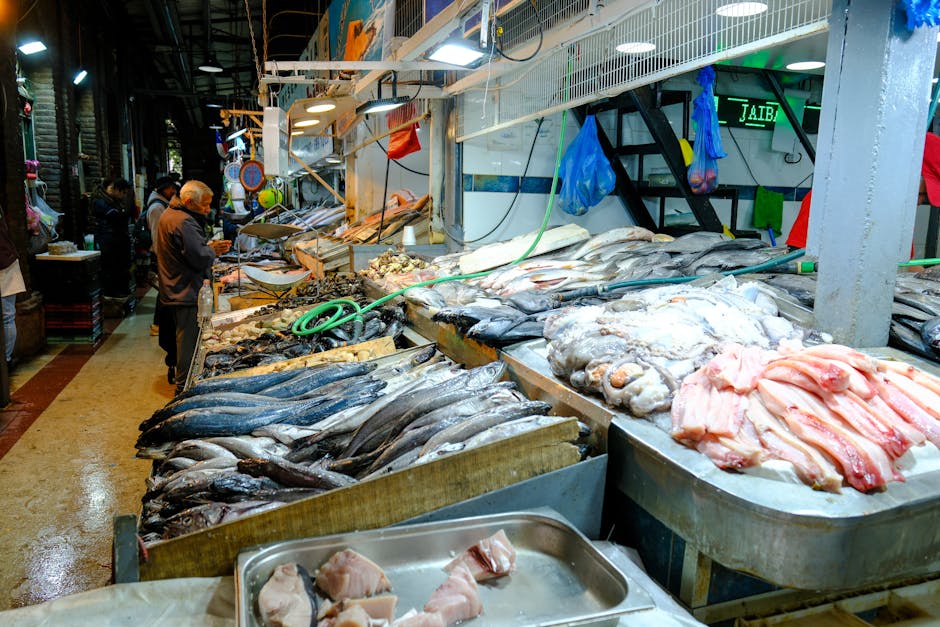
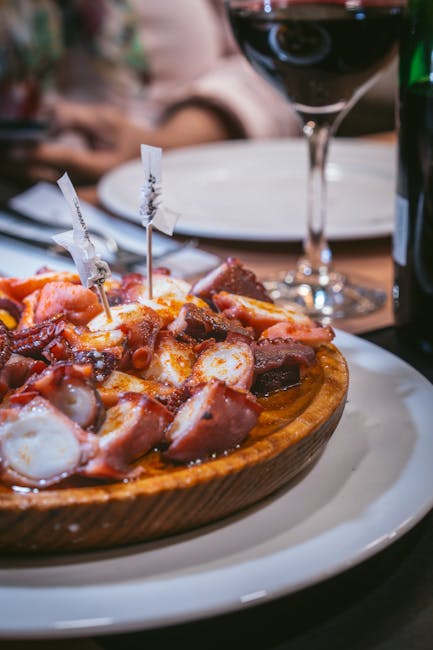
- Mercado de Abastos de Santiago — Rúa de Franco, s/n, 15704 Santiago de Compostela. Free to enter; tasting on site depends on purchases. Opening hours: Tuesday to Saturday 07:00–15:00 (stalls close early afternoon), typically closed Sunday and Monday (check season and holidays). Why go: it’s the beating heart of the local gastronomy. Let fishmongers guide you, try a ración of pulpo, buy Tetilla cheese or simply watch the ebb and flow of local « taperos » and residents. Authentic atmosphere, Galician produce.
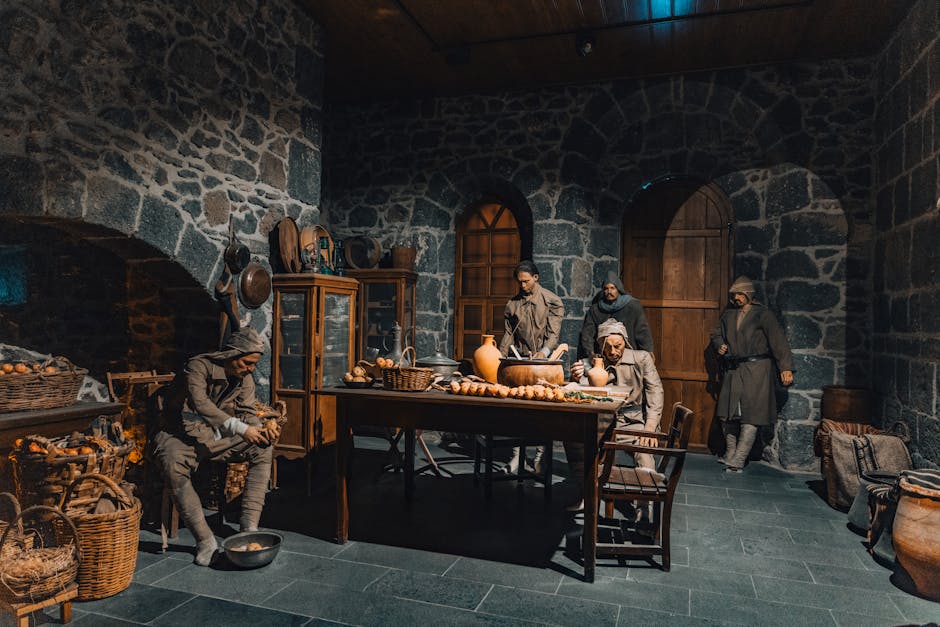
- Museo do Pobo Galego (Galician People’s Museum) — Rúa de San Domingos de Bonaval, s/n, 15703 Santiago de Compostela. Fee: about €3.50 (reduced rates and free admission for certain groups; check on the day). Hours: Tuesday–Saturday 10:00–19:00, Sunday 10:00–14:00, closed Monday (hours may vary). Why go: the museum offers a social and ethnographic reading of Galicia — costumes, tools, traditional music — which places the cathedral in its regional context. The building adjoins the beautiful Parque de Bonaval and the viewpoint on the cathedral from the Alameda.
- Cubiertas de la Catedral (Rooftop tour of Cathedral) — Departure: Praza do Obradoiro, access via the Cathedral ticket office or Fundación Catedral office. Fee: around €8–10 (varies by season). Booking recommended: cathedral office or official site (check availability). Hours: guided tours usually offered in the morning and late afternoon (seasonal variations). Why go: see the cathedral « from itself, » understand the materials (slate, lead), conservation interventions, and get a panoramic view of Santiago’s urban fabric. A rewarding physical and intellectual experience, far from the façade selfie.
- Monasterio y Colegio de San Martín Pinario — Rúa do Franco, s/n, 15704 Santiago de Compostela (main entrance on Praza da Inmaculada). Fee: variable exhibitions and sections, around €6–8 for a combined visit (check locally). Hours: generally 10:00–14:00 and 16:00–19:00 (variable; closed some days). Why go: it’s the largest monastery after the Prado in Galicia, with an impressive cloister and internal museums — perfect to understand the conventual dimension and the relationships between institutional Church and city.
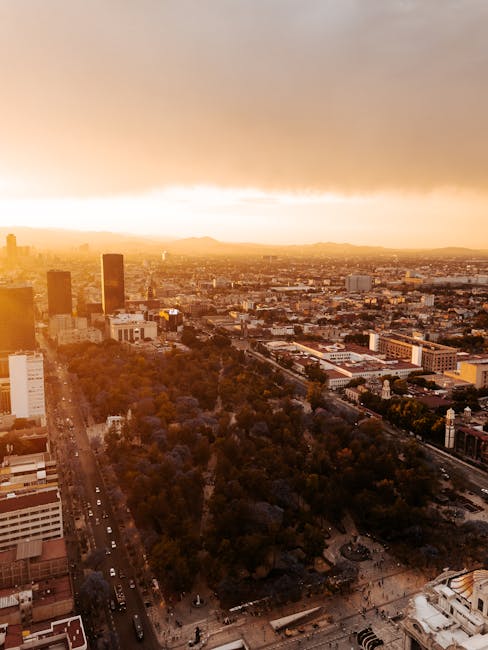
- Parque da Alameda — viewpoint — Alameda, Santiago de Compostela (esplanade above the old town). Free. Hours: public space, accessible any time (prefer sunrise or sunset). Why go: it offers the most moving panorama of the cathedral away from the crowds: silhouettes, slanting light, occasional puppet workshops, benches to sit and watch the city.
4) Anti-crowd half-day itinerary: a precise route for a richer experience
Here’s a practical 4–5 hour itinerary designed to dodge the crowds and take in the essentials beyond the typical tourist images. Start early, keep a slow pace, enjoy local tastings and architectural discoveries.
Morning — 08:00: Mercado de Abastos (Rúa de Franco, s/n). Arrive at opening if possible (07:00–08:00) to watch stall deliveries. Have a Galician breakfast: coffee, a ración of tortilla or a piece of local empanada (approx €2–6 depending on choice). Spend time chatting with a fishmonger or butcher — quick conversations often lead to tips for authentic restaurants away from tourist streets.
Late morning — 09:30: stroll to the Museo do Pobo Galego (Rúa de San Domingos de Bonaval, s/n). Entry around €3.50. Allow 1h30 for the visit. The exhibition will help you understand migration patterns, music and Galician popular art. Then climb up to the Alameda for the panoramic view — a reading break on a bench can be worth more than any line.
Noon — 12:30: lunch on Rua do Franco but choose a spot recommended by a market vendor (avoid restaurants with menus in a dozen languages). You can find a good ración of mariscos or a set lunch for €12–20. After lunch, make a short interior visit to the Cathedral but focus on the Pórtico da Gloria and the crypt. Buy a basic interior ticket if you want access to the museum areas (tickets vary, budget €6–10).
Afternoon — 15:00: book (if available) the Cubiertas de la Catedral tour (around €8–10) to finish with a full view of the city and the cathedral from above. If that’s unavailable, opt for the Monasterio de San Martiño Pinario (entry ~€6–8). Finish with a tea or coffee at a small café on Rúa Nova or Rúa da Raiña, away from the main flow of people.
5) Local, practical tips to skirt the façade without missing the essence
Some concrete tips for a successful and respectful visit:
- Timing: Praza do Obradoiro is busiest between 11:00 and 15:00. Aim for early morning (before 09:30) or late afternoon (after 17:00) for a calmer atmosphere — evening light is great for photos but watch out for group tours.
- Bookings: for the Cubiertas de la Catedral and certain interior guided visits, book online or at the cathedral office. Spots are often limited and taken by groups.
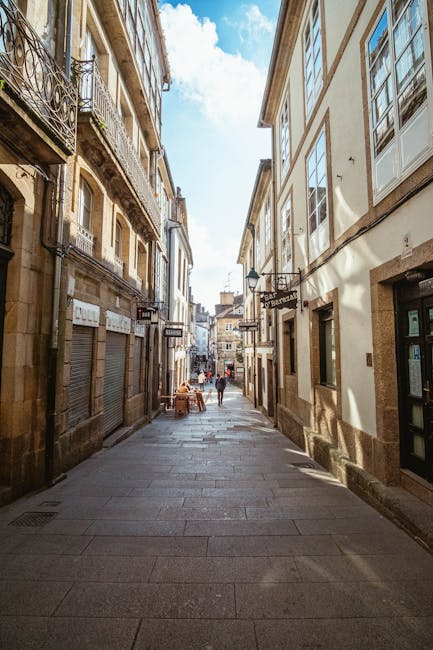
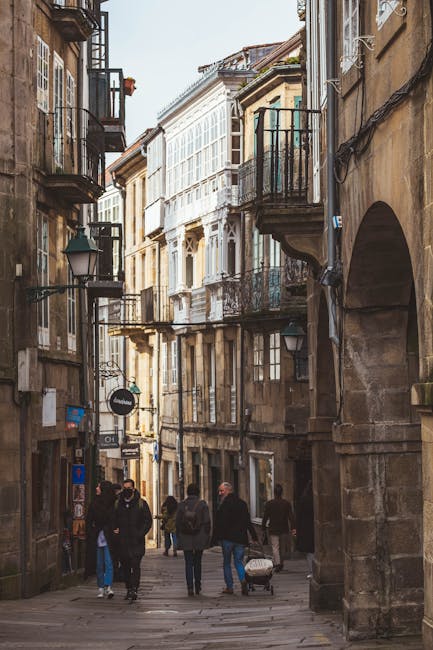
- Lose yourself on purpose: pick up a map and wander the Alameda, Rúa do Franco (steer clear of overly touristy spots), Rúa da Raiña and the Bonaval quarter. Small lanes reveal workshops, bookstores, little taverns and patisseries.
- Meet locals: the Mercado de Abastos is the best place. If you can, buy cheese and bread and picnic by the square. Conversations there are often more rewarding than any guided tour.
- Respect: remember this is an active place of worship. Keep quiet and dress appropriately in liturgical areas. Photographing the façade is allowed, but inside, respect no-photo signs.
Conclusion — Don’t let the façade dictate your visit: tips for a truer trip
Reducing the Cathedral of Santiago de Compostela to its façade is to accept a shallow reading of a multifaceted heritage. The façade is a spectacular entry point — useful and necessary. But to truly understand Santiago, you must spend time inside, explore museums and markets, climb onto the roofs and listen to the city. The most meaningful treasures are rarely the ones most visible from the outside.
This counter-guide has offered a methodology: question the standard image, favor depth over instant gratification, choose concrete alternatives (Mercado de Abastos — Rúa de Franco, s/n; Museo do Pobo Galego — Rúa de San Domingos de Bonaval, s/n; Cubiertas de la Catedral — book via the Cathedral office; Monasterio de San Martiño Pinario — Rúa do Franco, s/n). It gave a half-day itinerary to maximize quality and meaning, plus practical tips to avoid crowds without giving up beauty. The prices listed (museum ~€3.50, roofs ~€8–10, monastery ~€6–8) are guidelines to verify in real time depending on season and operational changes — but they’re enough to plan an alternative visit to the obsession with the perfect shot.
In conclusion, whether you’re a pilgrim, a curious traveler or a resident, give yourself the luxury of slowness: cross the square, go inside, touch the stones, attend a mass, chat with a fishmonger at the Mercado de Abastos, climb a roof, and look at the city from the Alameda. You’ll find that the cathedral lives elsewhere than on its welcome screen: in its cracks, its patina, its daily uses and in the way people inhabit it. That’s where the truth and depth of Santiago de Compostela lie — often free or inexpensive, but always rich in human experience.