





Introduction — Plan 120 unforgettable minutes at Santiago de Compostela Cathedral
The Santiago de Compostela Cathedral (Catedral de Santiago de Compostela) is one of Europe’s most important spiritual and cultural landmarks, the end point of the famous Camino de Santiago. Located at Praza do Obradoiro, s/n, 15705 Santiago de Compostela, A Coruña, España, it blends Romanesque, Gothic and Baroque architecture, liturgical treasures, works of art and living traditions. If you only have two hours to visit this major site, you need a clear plan, priorities and practical info about access, opening times and typical prices. This guide gives you a focused 120-minute cultural route designed to maximize your experience — a mix of historical immersion, moments for quiet reflection and practical tips to help you avoid queues.
Unlike a full, in-depth visit that can take several hours, the two-hour itinerary focuses on the essentials: the monumental exterior (Praza do Obradoiro), the Baroque façade by Fernando de Casas Novoa, the Pórtico de la Gloria inside, the main nave, the high altar and the chapel of the presumed tomb of the Apostle Saint James. It also includes a quick stop at the Museo Catedralicio if time allows, plus advice on how to catch the famous Botafumeiro in action. Below you’ll find exact addresses, indicative opening hours and common prices, together with local tips on buying tickets, finding your way inside the building and getting the best light for photos.
Planning a two-hour visit also means knowing about restrictions during religious services and special events: some areas may be temporarily closed for masses, processions or the Botafumeiro maneuver. Rooftop (Azotea) and museum entries often require a separate ticket and have specific schedules. We outline the must-see points below, the usual opening hours and typical prices for main services, but we recommend checking details a few days before your trip via the official Santiago de Compostela Cathedral website or the Santiago Tourist Office (Oficina de Información y Turismo), located at Praza do Obradoiro, phone +34 981 555 999 (hours vary).
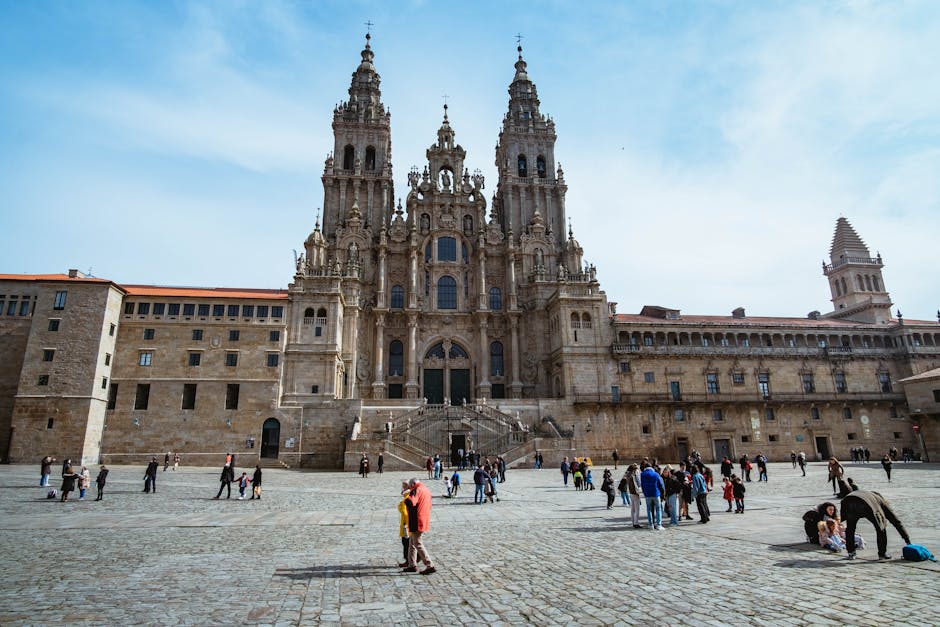
1. First hour — Exterior, Praza do Obradoiro and main entrance (0–60 minutes)
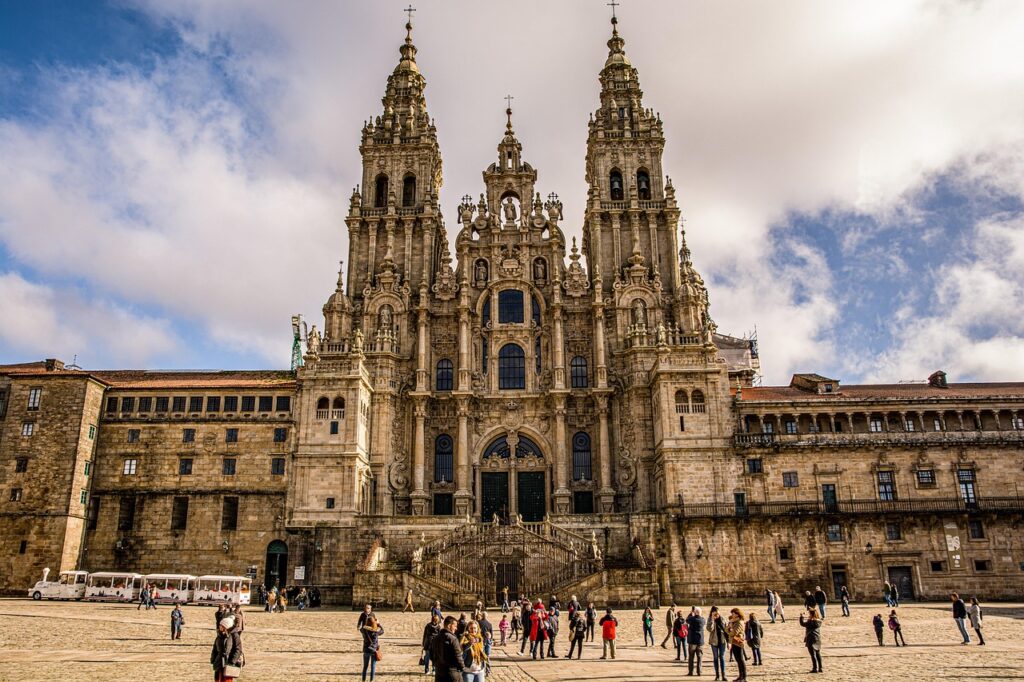
Start your visit at the Praza do Obradoiro, the main square that fronts the cathedral’s western façade. Address: Praza do Obradoiro, s/n, 15705 Santiago de Compostela, A Coruña, España. This is the perfect spot to get your bearings: in front of you stands the building’s Baroque façade (17th–18th centuries), the signature work of Fernando de Casas Novoa, flanked by the Palacio de Raxoi (the city hall) on the right and the Hostal dos Reis Católicos (the historic parador) on the left.
Practical tips:
- Access: The main entrance is at the western façade. To beat the crowds, arrive early in the morning (or late afternoon in low season).
- Indicative opening times: The cathedral grounds are accessible continuously but interior visits follow worship schedules — typical public opening: 07:00–20:30 (times vary by season and services). Pick up a map at the Tourist Office if you need one.
- Cost: Entry to the cathedral for worship is free. However, access to certain areas (Museum, Treasury Chapel, Rooftop/Azotea) is paid — see the next section.
Walk around the square to appreciate the urban composition: the paving and central fountain, the façades of the historic buildings and the views of the cathedral towers. Take time to study the sculptures, balconies and decorative details that tell the city’s religious and civic story.
If you plan to see the Pórtico de la Gloria (the Romanesque portal sculpted by Master Mateo in the 12th century) under the best conditions, book your interior visit and set aside about 30–40 minutes for this section (queues are common, especially in high season). Organized groups and services can limit free access; opt for a guided visit that includes a commentary-led stop at the Pórtico.
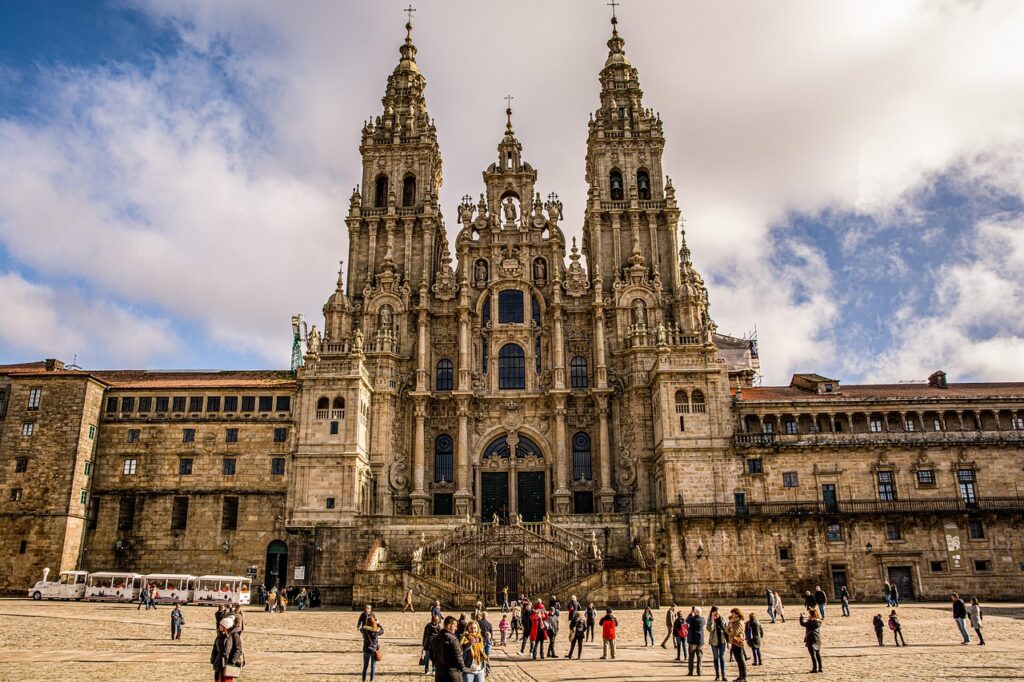
2. Second hour — Interior, Pórtico de la Gloria, Treasury and quick options (60–120 minutes)
Once inside, focus on the cathedral’s must-see features. General interior address: Catedral de Santiago de Compostela, Praza do Obradoiro, s/n, 15705 Santiago de Compostela. Here’s the recommended order to make the most of 60 minutes indoors:
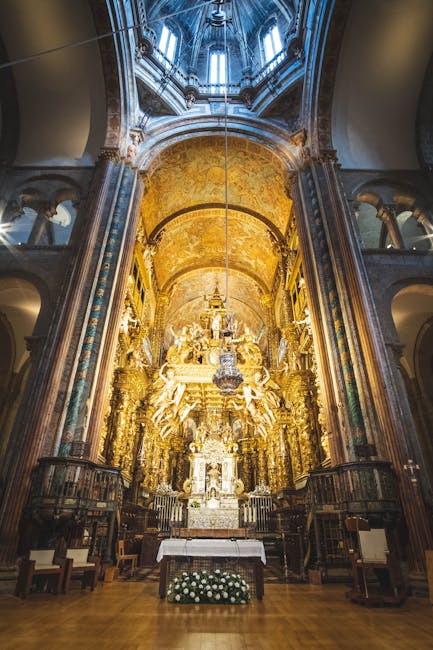
- The main nave and high altar: Take in the height of the nave, the light filtering through the stained glass and the richly decorated Baroque high altar. The presumed tomb of the Apostle James lies partially beneath the altar — a focal point of veneration and pilgrimage.
- The Pórtico de la Gloria: Allow 20–30 minutes for this Romanesque portal; look closely at the apostles’ statues, Christ in majesty and the biblical scenes carved by Master Mateo. An audio guide or a guided tour helps you quickly understand the iconography.
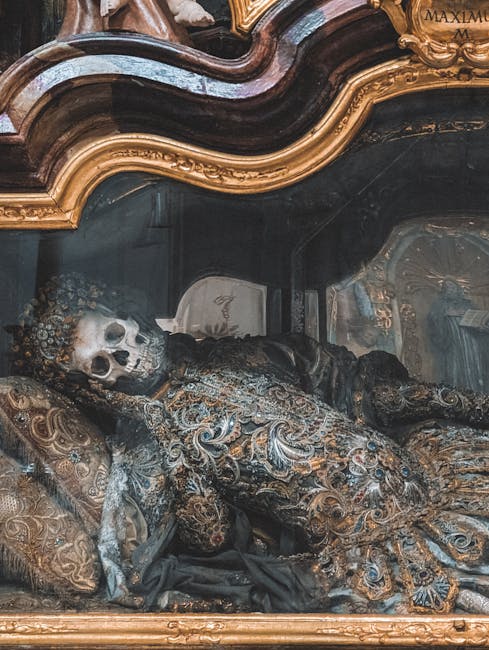
- The Treasury and the Museo Catedralicio: If time permits, make a fast stop at the treasury to see relics, fine metalwork and liturgical garments. Practical info: Museo Catedralicio de Santiago is sometimes housed within the cathedral complex — separate tickets apply. Indicative price: between €6 and €12 depending on options (prices can change; check ticketing). Usual museum hours: 09:30–19:30 (in season), with reduced hours off season.
Fees and reservations (indicative):
- General cathedral entry (for worship): free
- Museo Catedralicio / Treasury ticket: around €8 (reduced ~€5 for students/seniors, free for children < 10 under certain conditions).
- Rooftop / Azotea visit: often offered at about €10–12, duration 30–40 minutes, limited access and by reservation.
- Official guided tours: vary, typically from €6 to €15 depending on length and inclusions (Pórtico, museums, rooftop).
Service hours and the Botafumeiro: the Botafumeiro (the monumental thurible) is a spectacular highlight but it isn’t used daily. It’s usually swung during solemn masses and certain celebrations (notably major feast days and some weekend or weekly services). Pilgrim Mass times can draw big crowds: the Pilgrim Mass often takes place at 12:00 in high season; the best way to know if the Botafumeiro will be used is to check the liturgical calendar posted at the entrance or on the official website. If seeing it is a must for you, ask at the Tourist Office or the sacristy on the day of your visit.
Local tips and quick logistics
– Buy museum or rooftop tickets online if possible to secure a time slot and avoid queues. – Respect service times: some areas may be closed during mass; have a backup plan (e.g., visit the museum or stroll the surroundings). – Wear good shoes: stone floors and staircases can be slippery. – Photography: photos are generally allowed without flash, but follow signs and respect restricted areas. – Safety and belongings: Praza do Obradoiro is very busy; watch your personal items as you would in any tourist hotspot.
Conclusion — Savor the spirit of the place in 120 minutes
Two hours at the Santiago de Compostela Cathedral can offer an intense, memorable experience if you follow a structured route: start at the majestic Praza do Obradoiro to understand the urban context, then focus on key interior spots like the nave, the Pórtico de la Gloria and, if time allows, the treasury or museum. These 120 minutes blend emotion — architectural grandeur, ongoing ritual life and the historical continuity that make Santiago a unique pilgrimage site.
Keep in mind that the times and prices mentioned are typical estimates: entry for worship is free, but guided tours, the museum and rooftop access are often ticketed (indicative prices: museum ~€6–€12, rooftop ~€10–12). To enjoy a stress-free visit, arrive 15–20 minutes before your planned time, buy tickets online when available, and check with the local tourist office (Praza do Obradoiro) for special events such as the Botafumeiro ceremony. If you can, extend your visit by wandering the narrow streets of Santiago’s old town (Casco Histórico), a UNESCO World Heritage area, to round out the cultural experience.
If you’re staying longer, consider a deeper exploration of the Museo Catedralicio, a rooftop ascent and attending a mass to fully feel the spiritual dimension of the site. In two hours, though, you’ll capture the essentials: the history, the art and the sacred atmosphere that make the cathedral a living symbol of the Camino de Santiago.