





Introduction — A Journey Back in Time to Santiago de Compostela Cathedral
The Cathedral of Santiago de Compostela (in Spanish Catedral de Santiago de Compostela) is far more than a religious monument: it’s the historic, cultural and spiritual heart of Galicia and one of the major destinations of the European Christian pilgrimage. Sitting on the famous Plaza del Obradoiro, it dominates the UNESCO-listed old town and has welcomed pilgrims, travelers and the curious for centuries. For today’s visitor, the cathedral offers a unique mix of Romanesque, Gothic and Baroque architecture, richly symbolic sculpture, and a layered history that’s worth condensing and explaining in practical terms.
This article is written as a general, practical guide for travelers: it condenses the essential history, highlights the main architectural elements, provides practical information — exact addresses, opening hours, prices in euros — and shares local tips to enrich your visit. Whether you arrive as a pilgrim via the Camino Francés or are stopping by as a tourist for a half-day, you’ll find here the key points to understand this monument and make the most of your time.
The cathedral is not limited to its impressive façade: its portals, interior, museum, treasures and even its rooftop tell centuries of political and religious history. Every stone has a story: a 9th-century foundation linked to the supposed tomb of the Apostle James (Santiago), a Romanesque rebuild in the 11th–12th centuries, later Gothic additions and Baroque façades in the 16th–18th centuries. Beyond history, the cathedral remains a living place: regular services, pilgrim masses, demonstrations of the famous botafumeiro and organized tourist services take place there.
In this overview I propose a structured read: a condensed historical summary, a guide to the architectural elements not to miss, practical information (exact addresses, opening hours, indicative prices, useful contacts) and a section dedicated to the pilgrim experience with local tips to get the most out of your visit. The descriptions aim to be immersive to help you visualize each space and plan your route, and visual markers 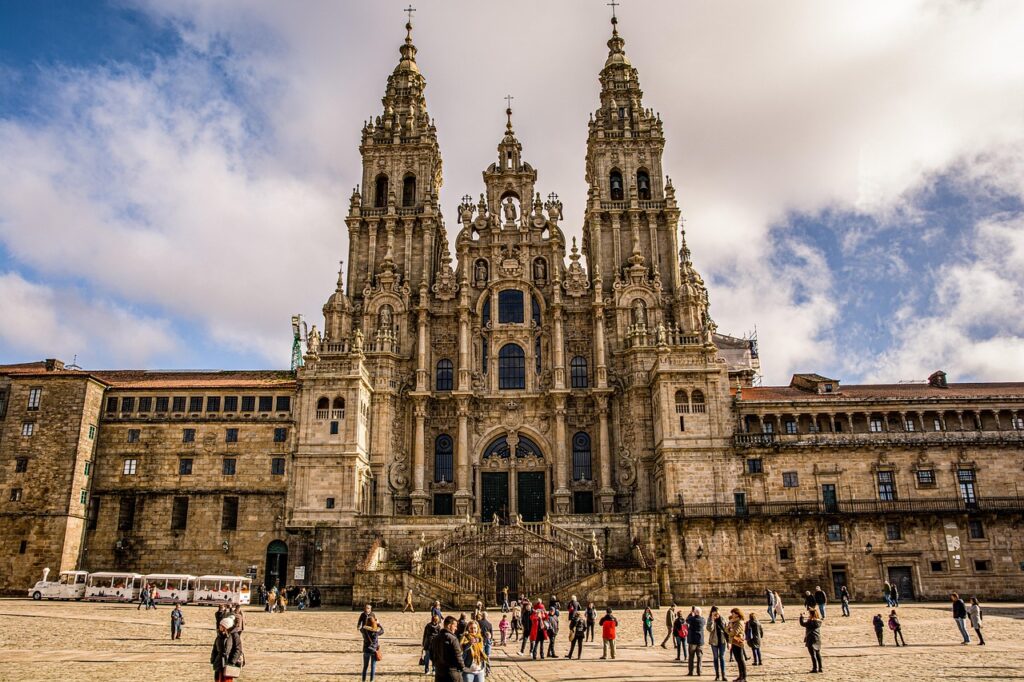 are included to inspire your photography. Get ready to travel back in time — from the discovery of the apostle’s tomb to the emotional crowds on the Praza do Obradoiro — and to understand why Santiago de Compostela Cathedral remains a must-see for travelers from around the world.
1. Condensed History: From Legendary Origins to the Medieval Center of Pilgrimage
The founding legend dates to the 9th century: it is said that in 813 the body attributed to the Apostle James the Greater (Santiago) was discovered in a forest near the present town. This account quickly sparked a wave of devotion that transformed the site into a major pilgrimage destination. The first church was built to house the tomb, but it was especially from the 11th century that the city and the cathedral took real shape with the construction of the monumental Romanesque building we associate with the medieval golden age of pilgrimage.
The Romanesque construction stretched over several decades under influential bishops and with funding from the kings of León and Galicia. Pilgrimages brought wealth, influence and cultural exchange to the town: convents, hospitals for pilgrims, inns and routes — which would later become the famous Caminos (Ways) — multiplied. The original Romanesque cathedral already included features designed to handle large numbers of worshippers: wide transepts, long naves and an ambulatory that allowed circulation around the choir and the relics.
Over the centuries the building evolved: Gothic elements were added in the 13th century, while Baroque exuberance particularly marked the west façade in the 17th–18th centuries with the celebrated Pórtico da Gloria (Portico of Glory) and especially the Baroque Obradoiro façade designed by Fernando de Casas Novoa in the 18th century. The mix of styles reflects not only changing aesthetics but political history as well: Santiago became a symbol of religious power and royal prestige. The medieval pilgrimage was an initiatory journey where canons, kings and pilgrims converged on the tomb.
An essential element of the site’s history is the development of the Compostelan ritual — the issuing of the « Compostela » (pilgrimage certificate) by the Oficina del Peregrino. Since the Middle Ages this certification has institutionalized the pilgrim experience and reinforced the site’s importance. In modern centuries the cathedral has undergone major restorations, protection as a national monument and, more recently, ongoing rehabilitation to preserve its sculptures, altarpieces and roof.
The international dimension of the site is visible today: pilgrims from around the world, conservation specialists, archaeologists and tourists come here not only for faith but for history. Walking through the crypts, admiring the Pórtico da Gloria or listening to the organs connects you to a historical continuity that runs from the medieval pilgrim to the contemporary visitor. This explains why the site is among Spain’s most visited and why a compact but precise overview is useful for any traveler who wants to grasp the essentials quickly.
2. Architecture and Must-See Elements Inside the Cathedral
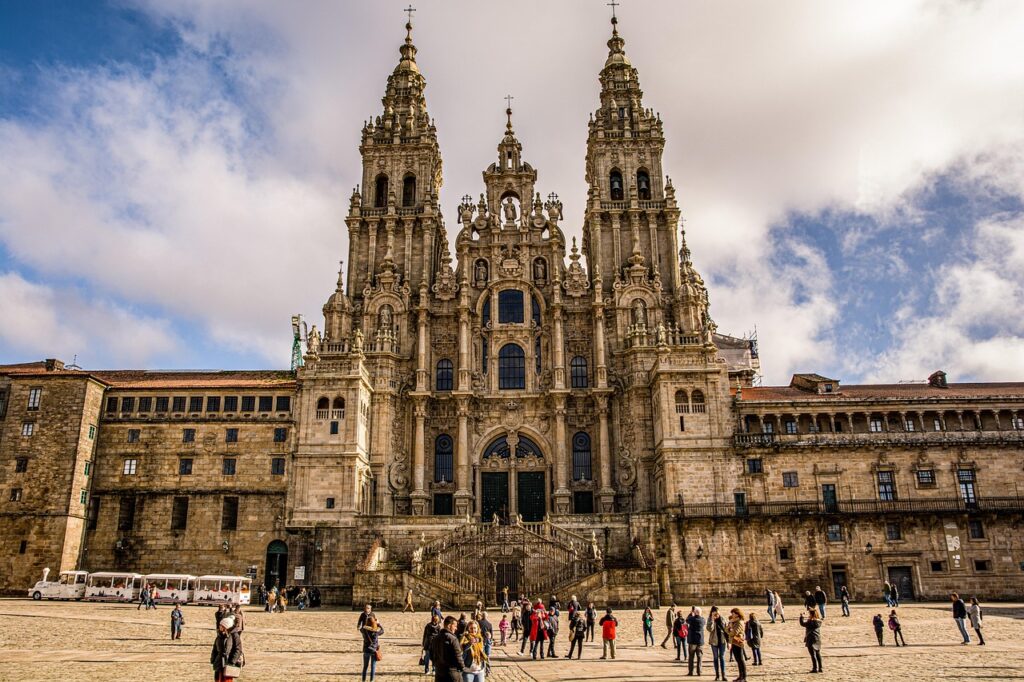
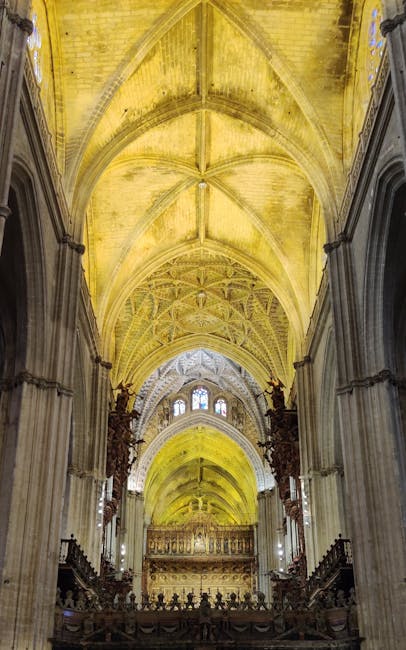
The architectural richness of Santiago de Compostela Cathedral is an open book on the evolution of European styles. Entering from Plaza del Obradoiro (Praza do Obradoiro, s/n, 15705 Santiago de Compostela, A Coruña, Spain), visitors are first confronted by the majestic Baroque façade by Fernando de Casas Novoa (18th century), which partly conceals the underlying Romanesque structure. The visual impact is immediate: columns, statues of saints, balustrades and a profusion of carved stone create a sense of theatrical power — perfect for sunrise or sunset photos.
Don’t miss the Pórtico da Gloria (Portico of Glory), a Romanesque masterpiece sculpted by Master Mateo between 1168 and 1188. Located inside, it depicts scenes of the Last Judgment, apostles, prophets and evangelic symbols carved with remarkable expressiveness. The light filtering through the arches brings the faces to life and makes you feel like you’re witnessing a living scene. Since its recent restoration, access to the Pórtico da Gloria is regulated; a guided experience or an audio guide helps decode the complex symbolism of the scenes, motifs and inscriptions.
Among other highlights: the Botafumeiro, the enormous swinging thurible suspended in the nave that, on special occasions or major feasts, is swung by eight men (the « tiraboleiros ») above the crowd. Seeing the Botafumeiro in motion is a sensory experience — incense scent, metallic clatter and an almost acrobatic swing — but note it is not operated daily: check ahead. There is also the crypt and the « Tumba del Apóstol » (Apostle’s Tomb), accessible during guided visits or specific opening hours.
The cathedral treasury and museum (Museo Catedralicio de Santiago) house liturgical pieces, vestments, manuscripts and sacred art that tell the material history of the institution. Address: Museo Catedralicio, Praza das Praterías, s/n, 15704 Santiago de Compostela. Visitors will also find models of the cathedral and multilingual explanatory panels; these collections help visually place the building’s architectural transformations across the centuries.
Finally, don’t miss the view from the roofs (Cubierta). The rooftop visit offers a unique perspective on the structure and the old town: cathedral roofs, bell towers, medieval lanes and the Galician countryside in the distance. Access is limited and generally ticketed — it’s a rewarding experience for those who want to understand the building stone by stone. Carved details, gargoyles and structural supports become much more meaningful when you’re level with their lines of force.
3. Practical Information for Visiting: Addresses, Hours, Prices and Contacts
To plan your visit, here are the practical, up-to-date details to know. Main cathedral address: Catedral de Santiago de Compostela, Praza do Obradoiro, s/n, 15705 Santiago de Compostela, A Coruña, Spain. The historic core (Praza do Obradoiro) is pedestrianized, making it easy to reach on foot from most centrally located hotels.
- General opening hours: The cathedral is a living place of worship; for liturgical functions, hours are roughly 07:00 to 20:30 (times vary by season and religious celebrations). Free access to the nave is often possible during these hours, but access to restricted areas (Pórtico da Gloria, rooftops, treasury) follows specific time slots.
- Museo Catedralicio (Cathedral Museum): Address: Praza das Praterías, s/n, 15704 Santiago de Compostela. Indicative opening hours: April to October 10:00–20:00; November to March 10:00–18:00. Indicative entrance fee: €8.00 for adults (discounts for students, seniors and groups). Combined tickets (museum + rooftops) may be available for around €10–12.
- Access to the cubiertas (roofs): guided visit with a limited number of places. Approximate price: €5–7; schedules vary (often mornings and late afternoons). Booking is recommended via the cathedral’s official website or at the Oficina de Atención al Peregrino.
- Oficina del Peregrino: Address: Praza do Obradoiro, 1, 15705 Santiago de Compostela. Hours: generally 09:00–20:00 (extended summer hours). The « Compostela » (pilgrim certificate) is issued here — the cost may be symbolic or free depending on circumstances (the « credencial » is purchased beforehand from authorized organizations; some offices sell it for €2–3).
- Hostal dos Reis Católicos (right nearby): Praza do Obradoiro, s/n, 15704 Santiago de Compostela. This former royal hospice is now a Parador (luxury hotel) with a restaurant; even if you don’t stay there, the building and its cloister are worth a look. Room rates vary by season.
Practical visiting tips:
- Arrive early in the morning (between 07:00 and 09:30) to avoid crowds, enjoy soft light on the façade and hear the first services. Sunrise over the Praza do Obradoiro is especially photogenic.
- If you want to see the Botafumeiro, check in advance: it’s sometimes used during the pilgrims’ mass (around 12:00/13:00 depending on the season) or on special occasions; admission to these masses is free but the central area fills up quickly.
- Wear comfortable shoes: the old town’s cobbles are uneven and the rooftop visit involves stairs and narrow passages.
- Tickets and guided tours: booking is recommended in high season (May–October). Services and religious ceremonies don’t require tickets, but heritage areas (museum, roofs) have quotas.
4. The Pilgrim’s Experience and Local Tips to Enhance Your Stay
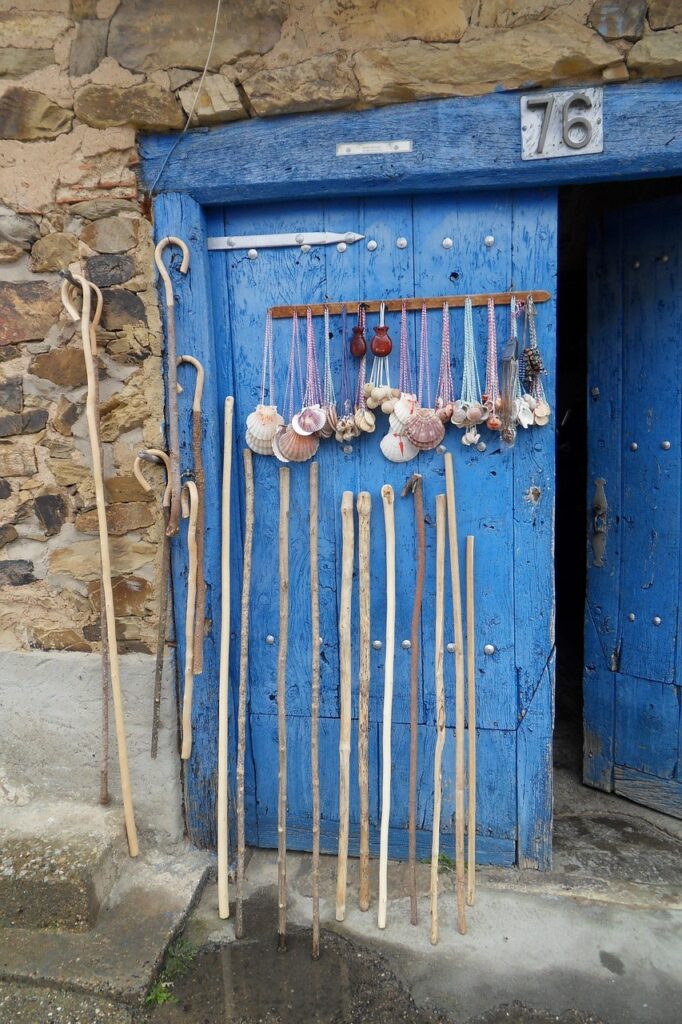
For many visitors, the cathedral is the final stage of a spiritual or symbolic journey. Pilgrims often arrive with a « credencial » (pilgrim passport) stamped at multiple stages in order to obtain the « Compostela » — the official certificate — at the Oficina del Peregrino. Address: Praza do Obradoiro, 1, 15705 Santiago de Compostela. The office issues the Compostela upon presentation of a credencial showing the last 100 km on foot (or 200 km by bicycle) with stamps. Conditions and costs may change; the credencial can also be bought from some pilgrimage organizations, parishes or accommodations for a few euros (generally €2–5).
Atmosphere and rituals: the arrival of pilgrims on the plaza is often charged with emotion. Reuniting with the façade after days of walking gives a rare sense of completion. Inside, many seek to touch the statue of Saint James, pray at the tomb or approach the Pórtico da Gloria to read the carved faces. The ritual embrace at the high altar (when accessible) and participation in the pilgrims’ mass are moments deeply shared by believers and non-believers alike.
Local tips to extend your visit:
- Explore the nearby streets: Rúa do Franco and Rúa da Raiña form the core of traditional restaurants. Try a set lunch (« menú del día ») in a local tavern for €12–18; for a gourmet meal expect €25–45 per person.
- Taste Galician cuisine: pulpo a la gallega (Galician-style octopus), empanadas and tetilla cheese. Local recommendation: Taberna O Gato Negro, Rúa do Franco, 45 (check address and opening hours beforehand).
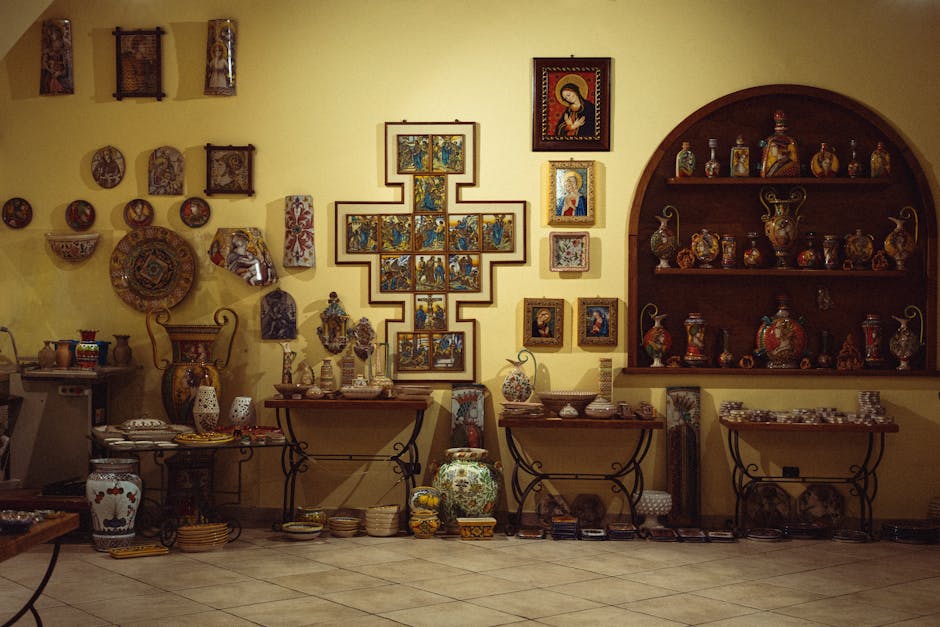
- Visit the local market and small craft shops to pick up a scallop shell (the pilgrimage symbol), postcards and textiles. Shops around the cathedral also sell rosaries, medals and reproductions of sculptures.
- Transport: Santiago de Compostela train station (Estación de tren de Santiago) is about a 15–20 minute walk. Local buses serve the center; peripheral parking lots are recommended if you travel by car.
For a longer stay, consider visiting other Galician sites: the Monastery of San Martín Pinario (Praza de la Inmaculada, s/n, 15704), the Parque de la Alameda for a view of the cathedral, and nearby vineyards. Local tourist offices often offer themed guided tours (architectural, gastronomic or historical) for around €10–20 per person.
Conclusion — How to Fully Appreciate Santiago de Compostela Cathedral
Visiting Santiago de Compostela Cathedral requires a mix of practical preparation and an openness to discovery. Understanding the building’s condensed history helps you read the messages carved in stone: from the Romanesque capitals of the Pórtico da Gloria to the Baroque flourishes of the façade, each element echoes a different era. As a traveler, taking the time to listen, to look and, if possible, to attend a service or witness the Botafumeiro, will deepen your experience beyond a simple sightseeing stop.
The practical information provided — exact addresses like Praza do Obradoiro, s/n, 15705 Santiago de Compostela, indicative hours for the cathedral and the Museo Catedralicio, approximate fees (€8.00 for the museum; €5–7 for the rooftop visit) — should be checked when you travel since times and prices can vary with the season, religious festivals and conservation work. Booking limited visits (roofs, guided tours) in advance is a good habit, especially in high season.
Finally, keep a few local tips in mind: arrive early to enjoy the light on the Praza do Obradoiro, respect the worship spaces, wear comfortable shoes for cobbles and steps, and sample Galician cuisine in the alleyways around the cathedral. If you’re a pilgrim, don’t forget your credencial to obtain the Compostela; if you’re a cultural visitor, consider a guided tour to decode the symbolism of the Pórtico da Gloria and the cathedral’s rich treasures.
Santiago de Compostela Cathedral delivers multiple experiences: historical, architectural, spiritual and social. With preparation, curiosity and respect, every visitor will leave with a deep understanding of this millennia-old site and its place in the European story. Safe travels and may your time in Santiago be full of discoveries and emotion.