





Introduction — How to Plan and Make the Most of Your Visit to Santiago de Compostela Cathedral
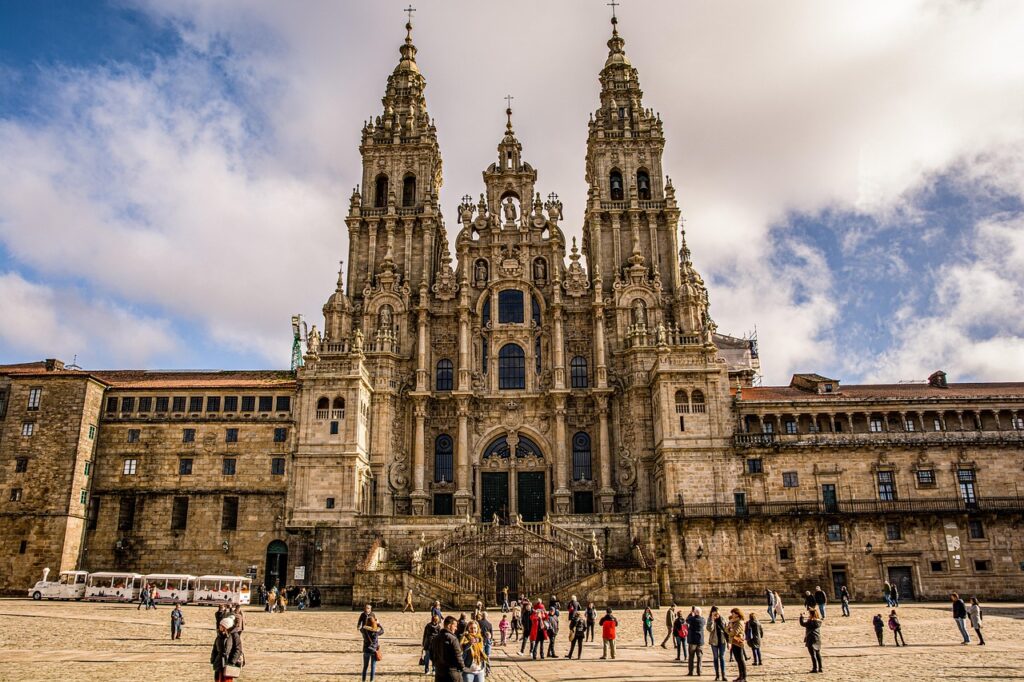
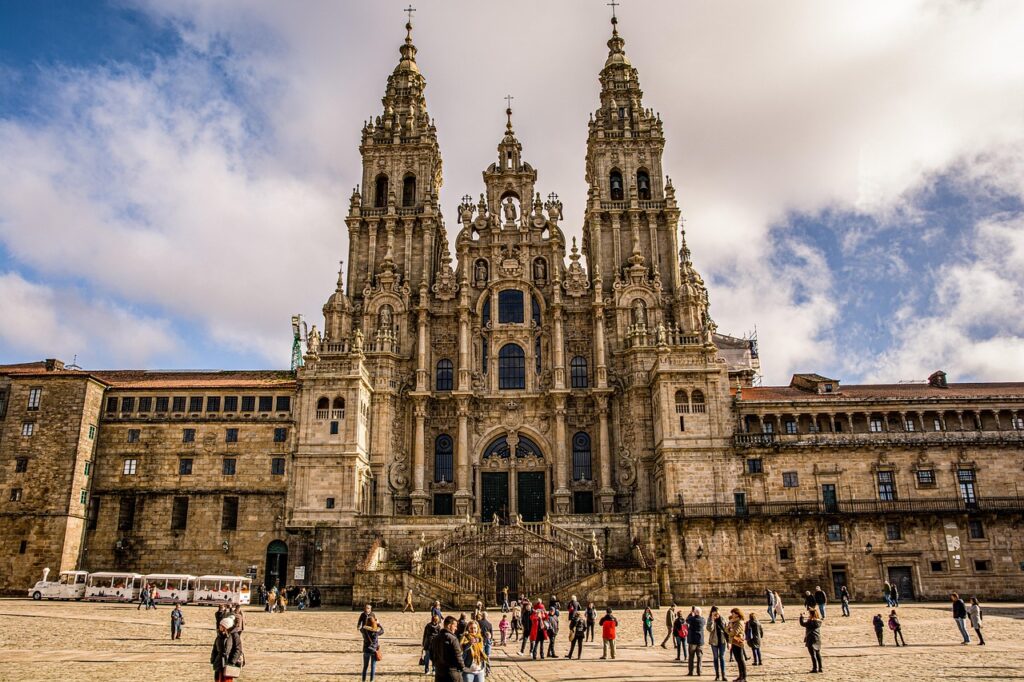
The Cathedral of Santiago de Compostela (Catedral de Santiago de Compostela) is the final destination for hundreds of thousands of pilgrims and the historic heart of the old town. To really enjoy your visit you can’t just “turn up”: you need to know where to go, when to go, how much things cost, which queues to avoid and which parts of the building require a reservation. This practical guide gives you concrete information: opening hours, exact addresses, indicative prices and ready-to-use checklists to plan every step — from arriving in town to taking your last photo on the Plaza del Obradoiro.
We focus on the essentials: access (plane, train, bus, car), exact locations (addresses, ticket offices, offices), timetables (general opening, masses, museums, rooftop visits), prices (full, reduced, free), numbered steps for a smooth visit and local tips to avoid nasty surprises. You’ll also find printable checklists to prepare your bag, documents and bookings.
Practical note: the Cathedral is located at Praza do Obradoiro, 15704 Santiago de Compostela, Spain. Entry to the cathedral for services and to walk the nave is generally free, but access to some areas (museum, roof, treasury, crypts) is paid and subject to timed quotas. Hours and prices change with the season and public holidays (Easter, Corpus Christi, Feast of the Apostle), so book online for guided tours and the rooftop visit if you come in high season (May–September or around July 25).
Getting There — How to Reach Santiago de Compostela (addresses and travel times)
1) By plane:
- Airport: Aeroporto de Santiago-Rosalía de Castro, 15820 Santiago de Compostela. Shuttle bus line 9 to Rúa do Hórreo / Praza de Galicia. Approximate travel time: 20–30 minutes to the city center. Shuttle price: around €3.50 (one way) — check at the airport ticket desks.
- Taxi: around €20–30 depending on traffic and luggage. Taxi stand at the airport: Taxis Stand, Aeroporto de Santiago-Rosalía de Castro.
2) By train:
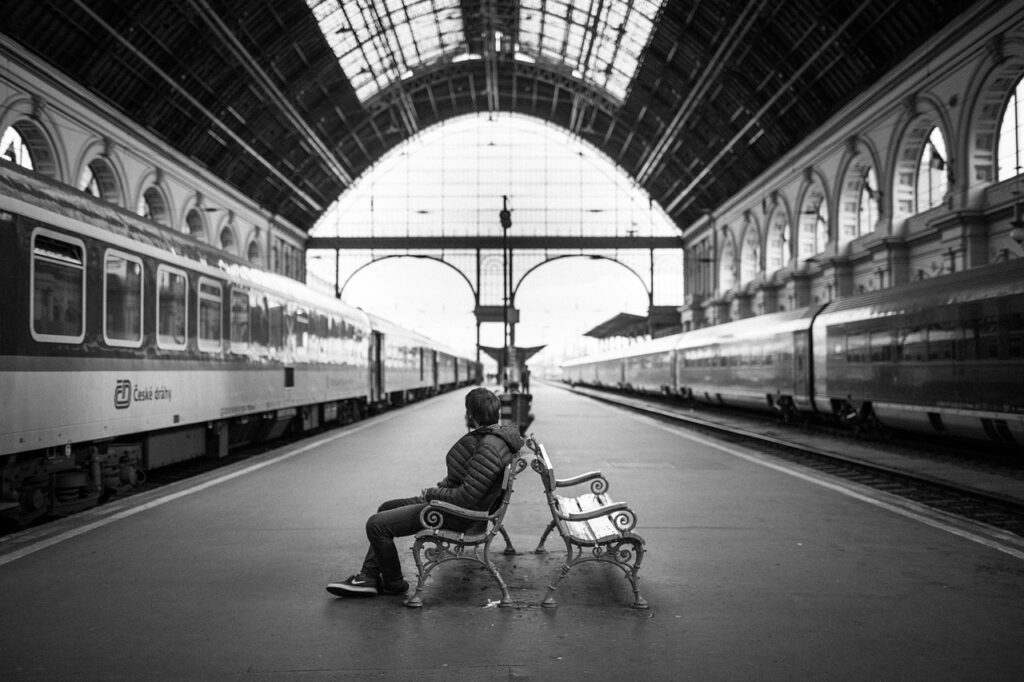
- Rail station: Estación de Santiago de Compostela, Praza de Francisco Sabell, 1, 15706 Santiago de Compostela. About 1.5 km from the cathedral (20–25 minutes on foot); taxis available outside the station (around €6–8).
- High-speed (AVE/Alvia) and regional trains run regularly from Vigo, A Coruña, Madrid and León. Check RENFE for schedules and bookings.
3) By coach:
- Bus station: Estación de Autobuses de Santiago, Praza de Galiza s/n, 15702 Santiago de Compostela. About 700 m from the Cathedral (10 minutes on foot).
4) By car:
- GPS address to reach the Cathedral: Praza do Obradoiro, 15704 Santiago de Compostela.
- Recommended car parks: Parking Praza de Galicia (Praza da Galiza 4, 15703) or Parking A Laxe (Rúa da Senra 2, 15704). Rates: about €1.50–2.50/hour; daily rates €10–15 depending on season. Note: the historic center is largely pedestrianised — park and walk.
Opening Hours & Prices — Visits, Masses, Museum, Rooftop, Botafumeiro
General hours (verify before you leave on the Cathedral’s official site or at the Oficina del Peregrino):
- Church / Main Nave: open to the public for prayer most days from 07:00 to 20:30. Free entry for services.
- Masses (typical times): 07:00, 08:00, 09:00, 10:00, 12:00 (Pilgrim’s Mass, very busy), 19:00 (20:00 in high season). The Pilgrim’s Mass at 12:00 is translated and often recommended for pilgrims; entry is free but arrive 30–45 minutes early for a seat.
- Cathedral Museum (Museo Catedralicio): Entrance – Praza da Quintana, 2, 15704. Hours: typically 10:00–20:00 (extended in high season). Indicative price: €6 full, €4 reduced (students/seniors). Combined ticket (museum + roof): about €12.
- Rooftop visit (Cubierta/Tejados): guided tour giving access to terraces and views over the old town. Meeting point: Puerta de las Platerías or Visitor Office. Sessions at fixed times (e.g. 10:30, 12:30, 16:30). Booking recommended. Indicative price: €10–12 per person. Accessible from age 8; limited access for reduced mobility (limited places).
- Treasury and crypts: often included with the museum ticket or available as a separate fee; check at the ticket office. Indicative price: €3–5 if not included.
- Botafumeiro: the large thurible swings during solemn masses and sometimes during the Pilgrim’s Mass (frequency varies). There’s no charge to see it, but its presence isn’t guaranteed — consult the liturgical calendar or the Oficina del Peregrino. To see the Botafumeiro “in action”, arrive very early for the Pilgrim’s Mass (recommended arrival 45–60 minutes before 12:00).
Practical Steps & Checklist — Before and During Your Visit
Follow these numbered steps for a stress-free visit:
- Book tickets for the rooftop or a guided tour: if you want to go up on the roof or take a guided tour of the treasury, book online 7–14 days in advance in high season. Useful points: Oficina do Peregrino (Rúa do Vilar, 1, 15705) and the Museo Catedralicio ticket desks.
- Arrive early for the Pilgrim’s Mass: to attend the 12:00 mass and hope to see the Botafumeiro, aim to be on the Plaza del Obradoiro by 11:00–11:15 and inside the cathedral 30–45 minutes before mass.
- Check accessibility: if you have reduced mobility, inform the ticket desk; there are lifts to some areas but the rooftop is not recommended.
- Bring the right documents: if you’re a pilgrim, carry your Credencial (stamps) as it can make access to certain ceremonies and Oficina del Peregrino services easier.
- Plan transport: from the station (Praza de Francisco Sabell) walk (20–25 minutes) or take a taxi (€6–8). From the airport, take line 9 or a taxi.
- Budget: for a full visit (museum + roof + a coffee) expect €20–30 per person. Entry to the nave for prayer is free.
Printable checklist before you leave:
- Printed / e-tickets for roof or museum
- Pilgrim Credencial (if applicable)
- ID / passport
- Comfortable shoes (cobblestones and steps)
- Water bottle, light windbreaker
- Camera + spare battery
- Cash: small change for donations / snacks / paid toilets
Local Tips & Best Practices — For a Respectful, Successful Visit
Tip 1: respect the services. During masses (especially the Pilgrim’s Mass), keep quiet and avoid flash and large photos. Many locals and pilgrims come for a spiritual experience.
Tip 2: stay hydrated and protected. The Plaza del Obradoiro is exposed to wind and sun. In summer bring a hat and water; in winter bring a warm windbreaker.
Tip 3: buy combined tickets. If you plan to visit the museum and the rooftop, opt for the combined ticket (usually saves €2–4) and secure your time slots as early as possible.
Tip 4: use side streets to avoid the crowds. After your visit, stroll along Rúa do Franco (restaurants), Rúa Nova and Praza de Abastos (local market) for a more authentic experience away from the Obradoiro crush.
Tip 5: safety and pickpockets. As with any major attraction, watch your belongings, especially in queues and on tourist buses.
Conclusion — Final Tips and Useful Resources
Planning your visit to the Cathedral of Santiago de Compostela takes a bit of organisation, but the payoff is huge: Romanesque and Baroque architecture, solemn services, the chance to witness the spectacular Botafumeiro and unbeatable views from the roof. Remember the main nave is freely accessible for prayer, but if you want to explore the museum, roof or treasury, buying a ticket and booking ahead is strongly advised, especially between May and September and around July 25 (Feast of the Apostle).
Quick summary to leave well prepared:
- Main address: Praza do Obradoiro, 15704 Santiago de Compostela.
- Pilgrim’s Office (Oficina del Peregrino): Rúa do Vilar, 1, 15705 — usually open 09:00–19:00; essential for the Credencial and information.
- Transport: Airport (Aeroporto de Santiago-Rosalía de Castro) shuttle line 9 ~€3.50; RENFE station (Praza de Francisco Sabell, 1).
- Indicative prices: museum €6, rooftop €10–12, combined ticket €12; masses free.
- Arrive early for the 12:00 mass if you want to see the Botafumeiro; book rooftop/museum in advance.
Finally, keep in mind that times and prices can change: check the official sites (Cathedral of Santiago, Museo Catedralicio, Oficina del Peregrino) a few days before your visit. Follow this step-by-step guide and you’ll make the most of your time, avoid unnecessary queues and fully enjoy the unique experience this historic and spiritual site offers. Safe travels and Buen Camino!