





Introduction — Why a “48h museum-friendly” in Santiago de Compostela and how to use this guide
Santiago de Compostela is famous for its Cathedral and the pilgrimage route, but it’s also a compact cultural hub where museums, art centers and interpretation spaces can fill 48 hours with rewarding visits. This practical guide gives you a step-by-step, hour-by-hour plan to make the most of two museum-focused days without rushing—covering access, tickets, opening hours, walking and public transport routes, plus the necessary pauses to enjoy local food.
This document is aimed at time-pressed but discerning visitors: late arrivals, pilgrims holding a “compostela”, culture-seekers, families and groups who want to avoid queues, streamline their routes and catch temporary exhibitions. It includes exact addresses, standard prices, official opening times (morning/afternoon) for normal season, practical tips for buying tickets (online and on-site), and printable checklists to prepare your bag and bookings.
Important: times and prices can change depending on season and special events. I provide the most recent and typical information along with concrete tips to check and change your time slots if needed. Each museum-friendly visit is planned to be walkable from the historic center (average 5–25 minutes on foot), or reachable via the listed shuttles/walking routes, with recommended visual checkpoints and photo notes so you don’t miss anything.
At the end of the introduction you’ll find practical checklists (luggage, tickets, photo gear) and a mini roadmap to print or save on your phone. The following sections lay out four balanced, detailed 48-hour circuits covering must-see museums: the Cathedral and its museum/roof visit, the Museo das Peregrinacións e de Santiago (Pilgrimage Museum), the Centro Galego de Arte Contemporánea (CGAC), the Cidade da Cultura / Museo Centro Gaiás, and the Museo do Pobo Galego. Each section gives the exact address, prices, schedules, a minute-by-minute flow and local tips to avoid lines.
Immediate checklist (print or copy):
- Documents: ID/passport, printed tickets or QR codes, European Health Insurance Card (if applicable), your Compostela if you are a pilgrim.
- Tickets: buy online for the Cathedral (roof visit and Cathedral Museum) and for the CGAC if a temporary show is in high demand.
- Clothes: comfortable shoes, light windbreaker, scarf for the cathedral.
- Gear: charged smartphone, power bank, mask (optional), small anti-theft daypack.
- Cash: cards accepted everywhere, but carry €10–20 in cash for small purchases.
Section 1 — Day 1: Morning and afternoon, focus on the Cathedral and Museo das Peregrinacións e de Santiago (detailed itinerary)
Goal for day 1: understand Santiago’s religious and artistic history, visit the Cathedral (nave, museum, treasury, rooftop) and then head to the Museo das Peregrinacións e de Santiago for an in-depth look at the Camino phenomenon. The route is designed to minimize unnecessary walking and take advantage of the quietest entry times.
Numbered steps — Morning (3–4 hours)
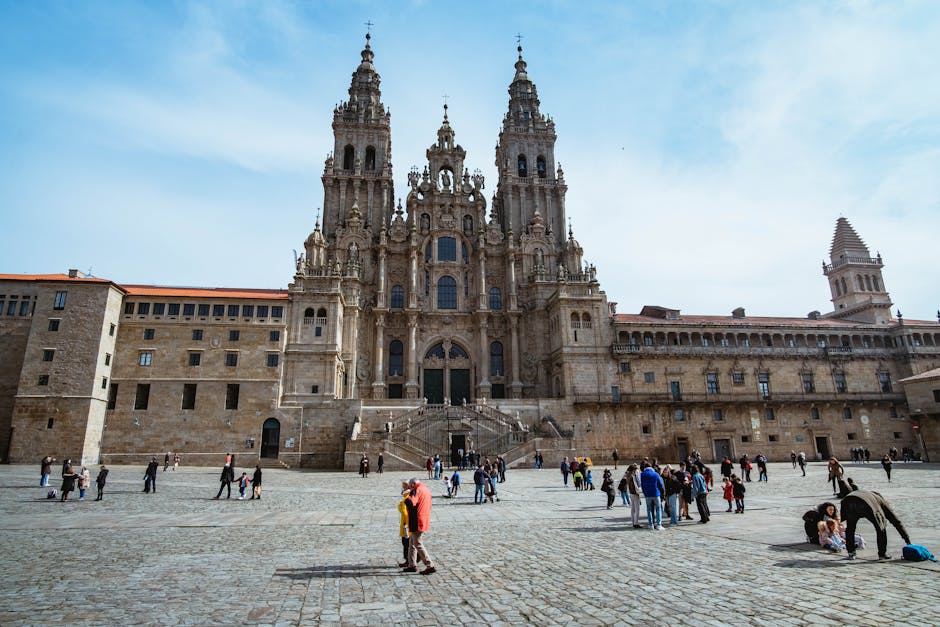
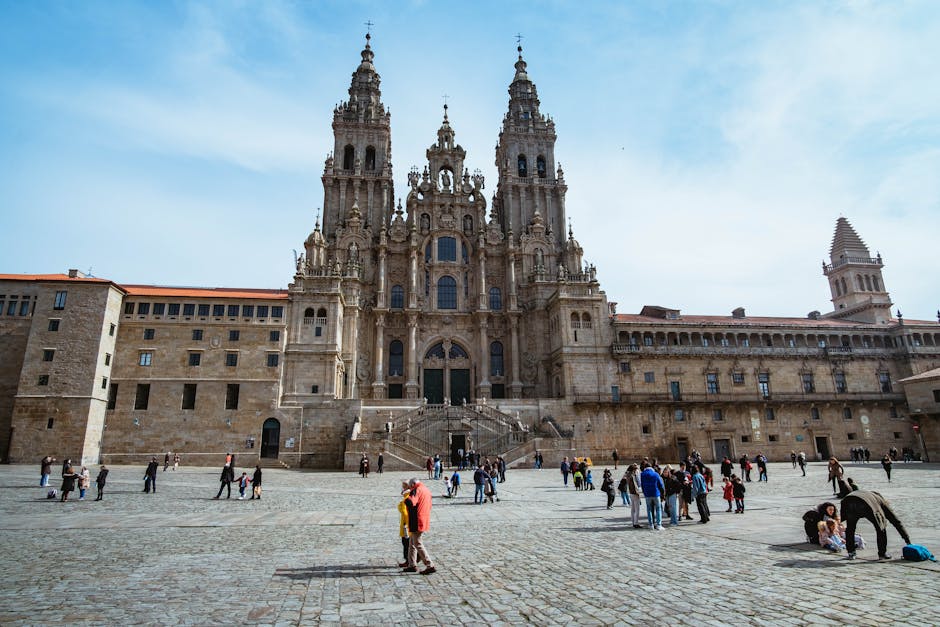
- Arrival at Praza do Obradoiro — Santiago Cathedral
Address: Praza do Obradoiro, 15705 Santiago de Compostela, España.
Opening hours: Cathedral generally open 07:00–21:00; Cathedral Museum / roof visits run in scheduled slots—see details below.
Tickets: Full visit (Cathedral Museum + Rooftop) from around €12.00 adult (price varies by season). Buy online via the Cathedral’s official site or at the ticket point near the portal (often closed at midday). Tip: early morning slots (08:30–10:30) are less crowded. - Guided or self-guided visit to the Cathedral Museum (1h)
What to see: altarpieces, archives, treasury pieces, exhibitions about the pilgrimage. Practical tip: reserve a slot for the rooftop (cubiertas) climb—access is limited and time-controlled. Allow 10–20 minutes for security checks. - Coffee break on Rúa do Franco (quick option)
Time: 30–45 minutes. Grab a slice of tortilla or a café con leche to recharge before continuing.
Numbered steps — Afternoon (3–4 hours)
- Walk to the Museo das Peregrinacións e de Santiago
Address: Rúa do Vilar, 63, 15705 Santiago de Compostela, España (Museo das Peregrinacións e de Santiago — Interpretation Center).
Walking time from the Cathedral: 5–10 minutes.
Opening hours: typically 10:00–19:00 (seasonal), indicative admission €4.00–6.00 adult; discounts for students and seniors. Check the official site before you go. - Themed visit (1h30)
What to expect: models, pilgrimage objects, historical maps, audio trails. Practical tip: get the audio guide in French if available, or download the museum’s app or PDF in advance. - Late afternoon — stroll in Parque de Bonaval
Option: continue to the Museo do Pobo Galego (see next section) if you have energy; otherwise relax in the park with views toward the Cidade da Cultura.
Section 2 — Day 1 evening and Day 2 morning: CGAC and the contemporary art scene (access, tickets, hours)
The Centro Galego de Arte Contemporánea (CGAC) is Santiago’s contemporary art reference point. It complements the historic richness of the old town with permanent collections and rotating shows, performances and educational programs. This block explains how to get there late on day one or first thing on day two, depending on your preference.
Address and access:
- Address: Rúa Ramón del Valle-Inclán, s/n, 15704 Santiago de Compostela, España (Centro Galego de Arte Contemporánea – CGAC).
- Typical hours: 11:00–20:00 (Tuesday–Sunday); closed Monday. Possible 18:00 closing outside high season. Check before you go.
- Price: general admission €4.00–6.00; free on some days (e.g. first Sunday of the month). Free for students and holders of certain European cultural passes under conditions.
Route and duration:
- From the Cathedral: 15–25 minutes on foot (gentle uphill/downhill depending on route). Take Rúa do Franco → Rúa do Vilar → Avenida de Valdecuba, or grab a taxi (~€6–8).
- Public transport: city bus lines C1/C2 depending on schedules, stop « Cidade da Cultura » or « CGAC » (urban networks vary seasonally).
Visiting tips:
- Book a time slot online if a major temporary exhibition is on (e.g. international artists) to avoid queueing at the door.
- Recommended duration: 1h30–2h for the permanent collection plus a temporary show.
- Facilities: museum shop (catalogues), cloakroom, restrooms. Photography usually allowed without flash; check rules for each exhibition.
Evening / Day 2 morning route: If you prefer a calm contemporary-art visit, plan for Sunday morning at opening (11:00) to avoid school groups. After the CGAC you can head up to the Cidade da Cultura for the Museo Centro Gaiás (see next section).
Section 3 — Cidade da Cultura & Museo Centro Gaiás: detailed plan, museography and practical prices
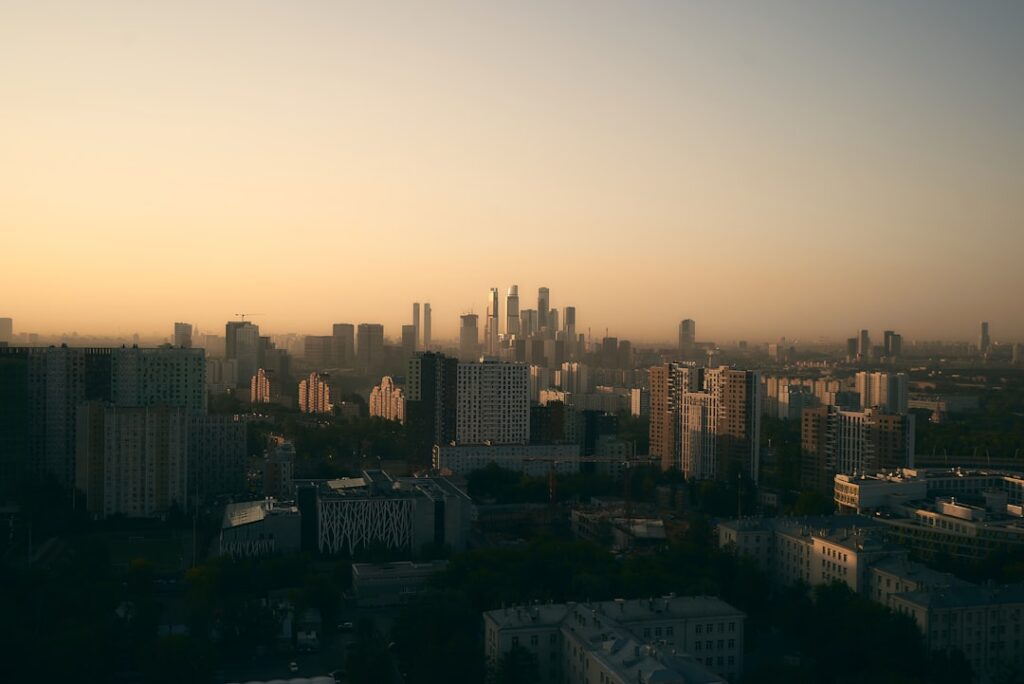
The Cidade da Cultura de Galicia (City of Culture) is a museum and cultural complex on Monte Gaiás. The Museo Centro Gaiás, often hosting large-scale temporary exhibitions, completes the city’s cultural panorama. This section explains how to fit this visit into your 48 hours without losing too much time in transit.
Address and access:
- Address: Praza da Cidade da Cultura, s/n, 15707 Santiago de Compostela, España.
- Opening hours: vary by exhibition; generally 10:00–20:00 in high season. Online booking recommended for major shows.
- Price: temporary exhibitions €6.00–12.00; permanent routes if available €3.00–5.00; discounts for students, seniors and groups (on presentation).
Route and logistics:
- Getting to Monte Gaiás: from the historic center count 25–35 minutes on foot (uphill), or 10–12 minutes by taxi (~€10–12). Direct city buses run seasonally, stop « Cidade da Cultura » (check municipal timetables). If your time is tight, take a taxi to save about 20 minutes each way.
- Recommended visit length: 1h30–2h for major exhibitions. Temporary shows may require 2h+ if very detailed.
- Facilities: panoramic café (city views), gift shop, restrooms, cloakroom. Use outdoor circulation and rooftop for photos.
Practical tips:
- Schedule this visit for late afternoon to enjoy sunset light over the city (weather permitting).
- Check for special shuttles from the bus station (Estación de Autobuses) during high-attendance temporary exhibitions.
- If you’re a photographer, bring a wide-angle lens for large rooms and expansive exterior views.
Section 4 — Museo do Pobo Galego, neighborhood visits and practical recommendations to close out 48 hours
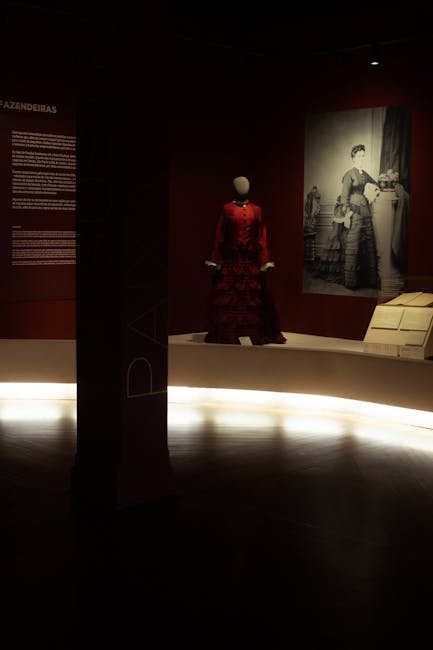
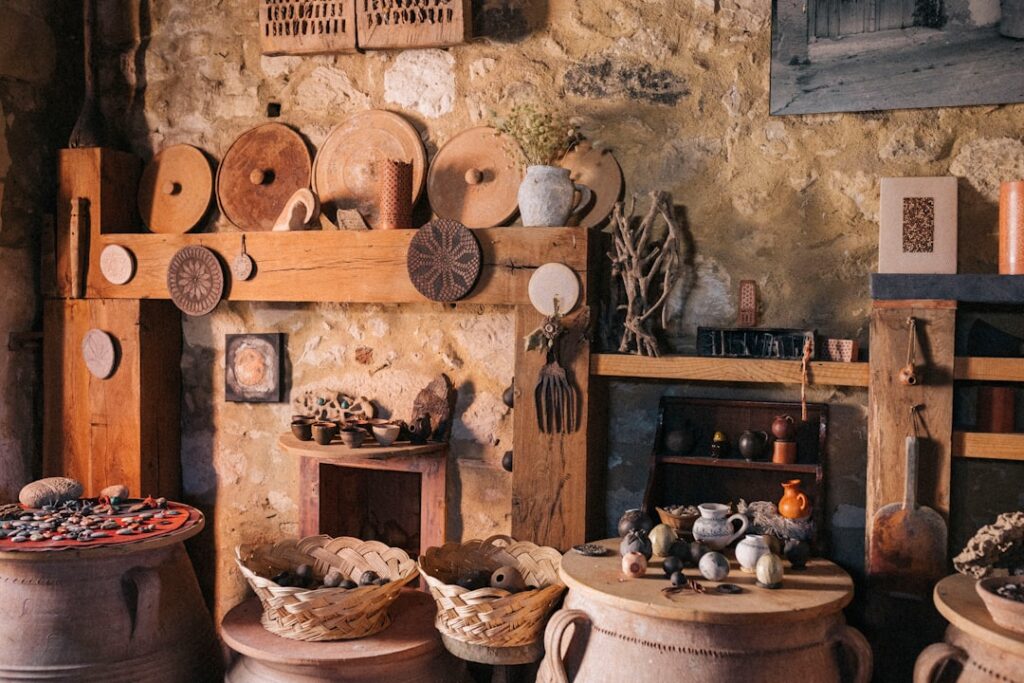
The Museo do Pobo Galego is the best place to understand Galician identity: rural traditions, costumes, crafts and collective memory. This final block guides you on integrating this museum into your schedule and wrapping up your stay smoothly (shopping, meals and travel home).
Address and access:
- Address: Rúa de San Domingos de Bonaval, s/n, 15703 Santiago de Compostela, España (Museo do Pobo Galego — near the Convento de San Domingos de Bonaval).
- Opening hours: generally 10:00–19:00; closed on some public holidays. Entry free or symbolic (€3.00–5.00) depending on exhibitions; check online.
- Prices and discounts: reduced entry for students, seniors, groups; free on certain Sundays or heritage days.
Visit and route:
- Morning dedicated to traditions: allow 1h30 for the permanent route (folk arts, instruments, vernacular architecture). The museum is 15–20 minutes on foot from the Cathedral via Parque de Bonaval.
- Gourmet break: lunch nearby recommended on Rúa da Raíña / Rúa do Franco (raciones, tapas, caldeirada). Lunch budget €10–18 per person.
- End of day — shops and souvenirs: pick up Galician products (honey, preserves, textiles). The Museo do Pobo Galego shop offers catalogs and local crafts.
Local tips:
- Arrive 15 minutes before opening on some days for small-group guided tours (often in Spanish and sometimes in Galician); ask if French versions are available.
- If you’re a pilgrim, show your credencial—some museums offer discounts or priority access.
- For travel between sites, favor walking: the center is compact and the routes provide interesting views and attractive cafés.
Conclusion — Practical summary, final checklists and last-minute recommendations
In 48 museum-friendly hours in Santiago de Compostela you can cover the essentials: the Cathedral and its museum, the Museo das Peregrinacións e de Santiago, the CGAC for contemporary art, the Cidade da Cultura (Museo Centro Gaiás) and the Museo do Pobo Galego. Distances are reasonable, and most sites can be seen in 1½–2 hours. The secret to a relaxed trip: book paid entries online (Cathedral rooftop, temporary shows at CGAC and Centro Gaiás), plan taxi legs to save time on uphill stretches, and leave room for pauses and unforeseen moments.
Final checklist — before you go:
- Printed tickets or QR codes for the Cathedral (Museum + Rooftop), CGAC or Centro Gaiás if temporary exhibitions apply.
- Check opening hours the night before (official sites) for exceptional closures or winter schedules.
- Charge your phone and download offline maps (historic zone) and museum apps if available.
- Budget €30–40 per person for tickets and lunches if you follow the standard plan (excluding extras and souvenirs).
- Print a copy of this guide or save it offline for quick reference.
Last-minute recommendations:
- If you have to choose: prioritize the Cathedral (essential), then the Museo das Peregrinacións e de Santiago for historical context. If you love modern art, book CGAC; for popular culture, don’t miss the Museo do Pobo Galego.
- Always leave a one-hour buffer between museum appointments for contingencies (weather, queues, coffee breaks).
- In high season (July–August), buying tickets several days in advance becomes essential for guided visits and the rooftop.
With these detailed steps, addresses, indicative hours, prices and local tips you have an immediately usable plan for 48 hours of museum discoveries in Santiago de Compostela. Enjoy your cultural trip: take time to look, photograph and talk with museum staff—they often share local anecdotes that enrich the visit beyond the display cases.