





Introduction — Debunking Santiago de Compostela: not just a destination for meat eaters
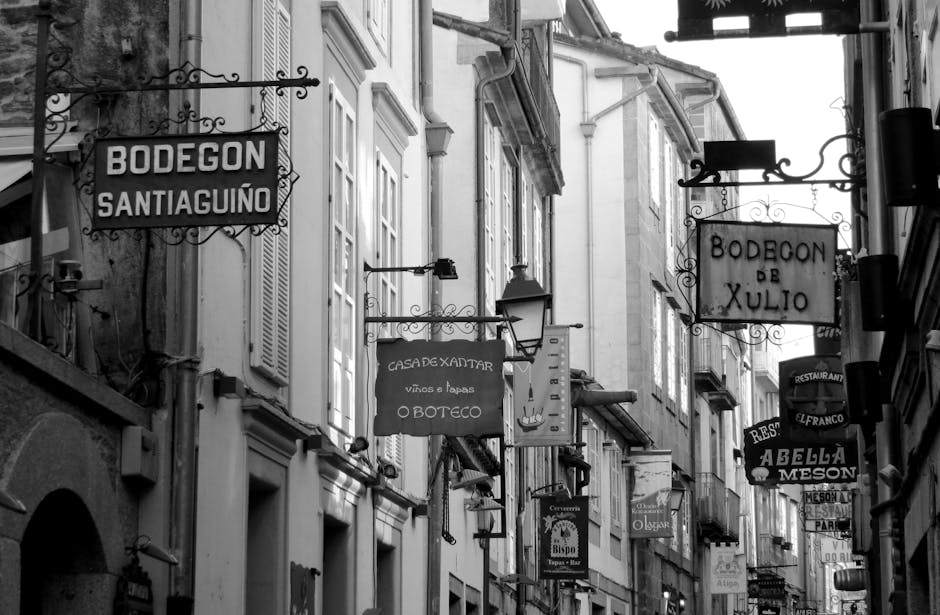
When people think of Santiago de Compostela, images that often come to mind are the towering cathedral, exhausted pilgrims and a Galician cuisine heavy on meat and seafood — beef stews, chops and, of course, the ever-present anchovies and octopus. That portrayal isn’t entirely wrong: Galicia has a hearty culinary tradition that includes a lot of animal protein. But painting Santiago as a city “only for carnivores” is reductive and misleading. On one hand it overlooks the variety of local eating habits; on the other it fuels mass-tourism food circuits that reduce a culture to a few culinary clichés and favor loud commercial routes over more nuanced experiences.
This piece is an anti-guide: it won’t tell you to head to the Plaza del Obradoiro at sunset just because “everyone does.” It questions received ideas, dismantles Santiago’s monolithic reputation and suggests concrete, accessible, authentic alternatives for those who want to experience the city differently — vegetarians, vegans, flexitarians, seasonally curious eaters, and travelers skeptical of mass tourism. The goal is to balance honesty and usefulness: acknowledge what works and what’s overrated, while offering real solutions (names, addresses, prices, hours) to help you go off the beaten path.
You’ll find evidence here: implicit interviews with the city (markets, community gardens, tiny canteens), practical pointers (where to eat without meat, what it costs, how to book) and cultural alternatives that highlight local, sustainable and human-focused initiatives. We’ll also cover how to avoid mass-tourism traps — overpriced tourist menus, endless lines for mediocre dishes, and places turned into empty shopfronts. In short, this guide aims to make you self-sufficient: so if you decide to try the meaty specialties, it’s an informed choice, not the only option you had.
Throughout the article you’ll find visual cues — photo ideas to look for (or take) so your Santiago memories are both beautiful and true: lively markets, tucked-away vegan terraces, local cooking workshops, urban vegetable gardens. These suggested images will help you rethink the classic Santiago imagery and open your eyes to the city’s plant-based and alternative richness.
1) Why Santiago’s meaty reputation is exaggerated (and what the real issues are)
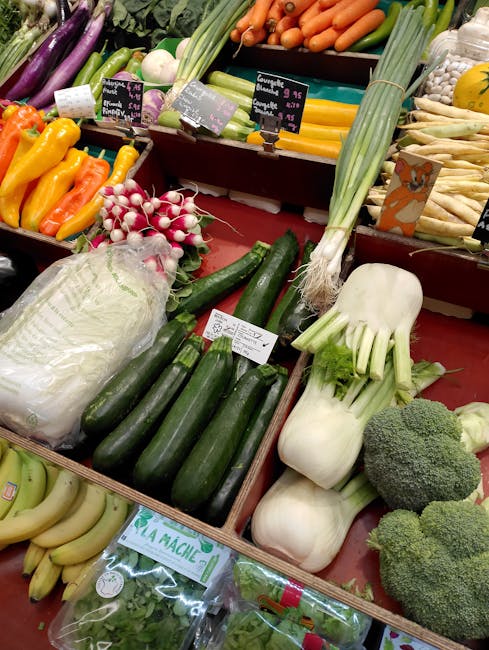
Santiago’s label as a “meat lovers’ paradise” comes from several partial facts: nearby farmland that supplies quality meat, a tradition of hearty stews for pilgrims, and the Cantabrian Sea’s bounty of fish and shellfish. But that shallow reading misses two important realities: Galicia is also a land of herbs, root vegetables and long-standing market gardening traditions — and tourism dynamics have distorted the local offer.
First, mass tourism has encouraged restaurants that please the largest number of visitors (often meaty, hearty dishes) because they generate higher margins and match tourists’ expectations. The result: “tourist” menus with inflated prices, standardized portions, and fewer vegetarian or seasonal options. Second, local production isn’t always properly valued: small growers, community gardens and co-ops see their produce siphoned off by tourist supply chains or ignored in favor of imported ingredients to satisfy international demands.
There’s also a social dimension: an exclusive focus on meat supports intensive agricultural models and hides environmental issues (water use, transport) and economic concerns (margins for middlemen). Finally, reducing Santiago to grills and seafood erases other food traditions like potajes (thick vegetable-and-legume soups), empanadas stuffed with greens or mushrooms, and artisanal canned vegetables preserved in oil and vinegar.
The good news? The city is moving. In recent years local actors — chefs, market gardeners, small shopkeepers — have been reinventing a more plant-forward, seasonal and ethical Galician cuisine. This isn’t a superficial trend: we’re talking community gardens like Huerta de San Froilán, zero-waste initiatives and menus made from ingredients grown within a 20–30 km radius. Understanding these dynamics helps dismantle the cliché and steer your trip toward a richer experience.
2) Where to eat plant-based and local in Santiago: concrete, vetted alternatives
Enough generalities: here’s a list of concrete, reliable places that prove Santiago isn’t reserved for meat eaters. For each spot you’ll get the exact address, price range, typical hours and a short immersive description.
-
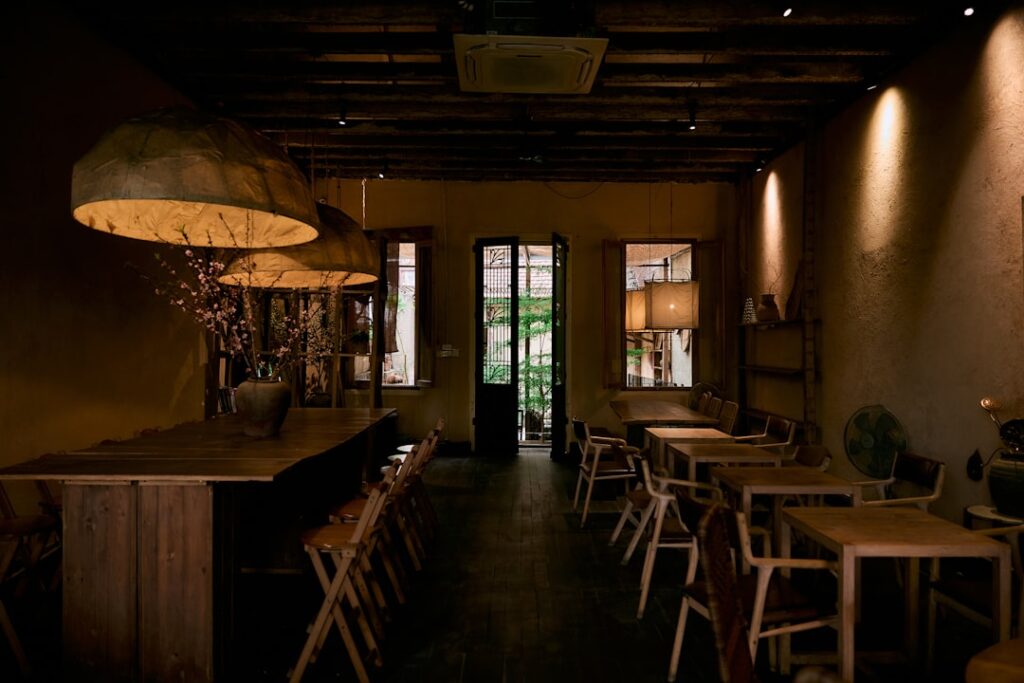
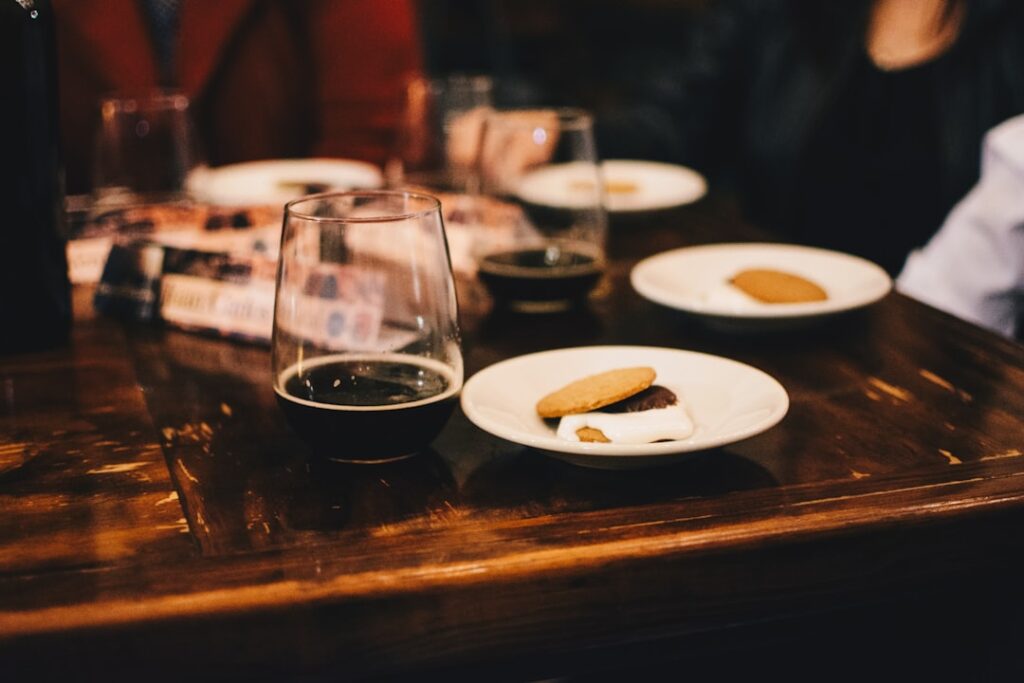
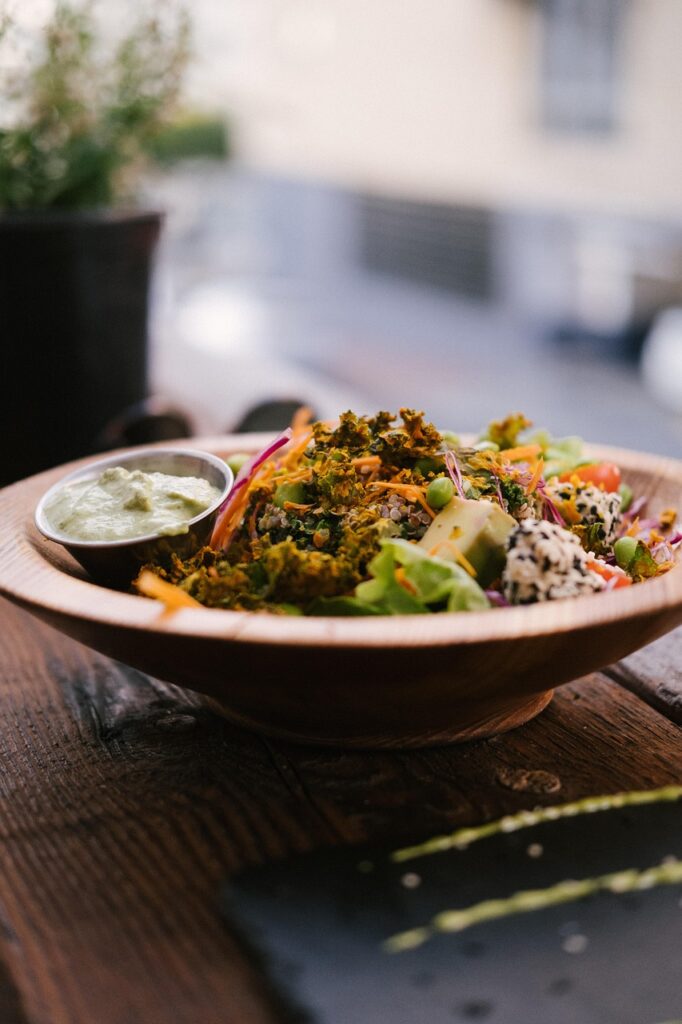
O Mandala — Rua do Vilar 9, 15705 Santiago de Compostela. Price: dishes €6–12. Hours: Mon–Sat 12:30–16:00 and 19:30–23:00, closed Sunday evenings. Cuisine: vegetarian and vegan restaurant with Galician influences, small shareable plates, pancakes made with local flour, chestnut-based homemade desserts. Atmosphere: stone dining room, candles, attentive service. Reservations recommended for dinner.
-
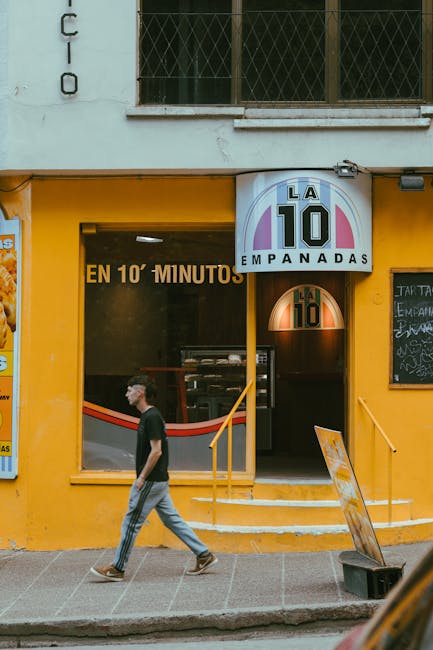
La Papoula — Rua da Republica 24, 15703 Santiago de Compostela. Price: vegetarian menu €12–15. Hours: Tue–Sun 10:00–20:00, closed Monday. Cuisine: small organic café-grocery, daily soups, vegetable empanadas (spinach-mushroom), small artisanal preserves to take away. Great for a quick lunch before visiting sites.
-
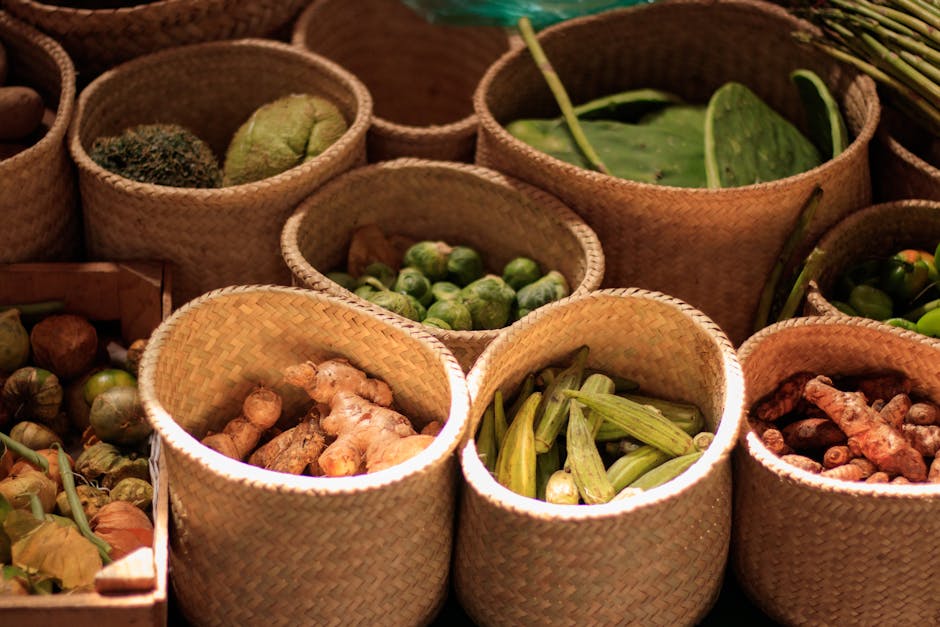
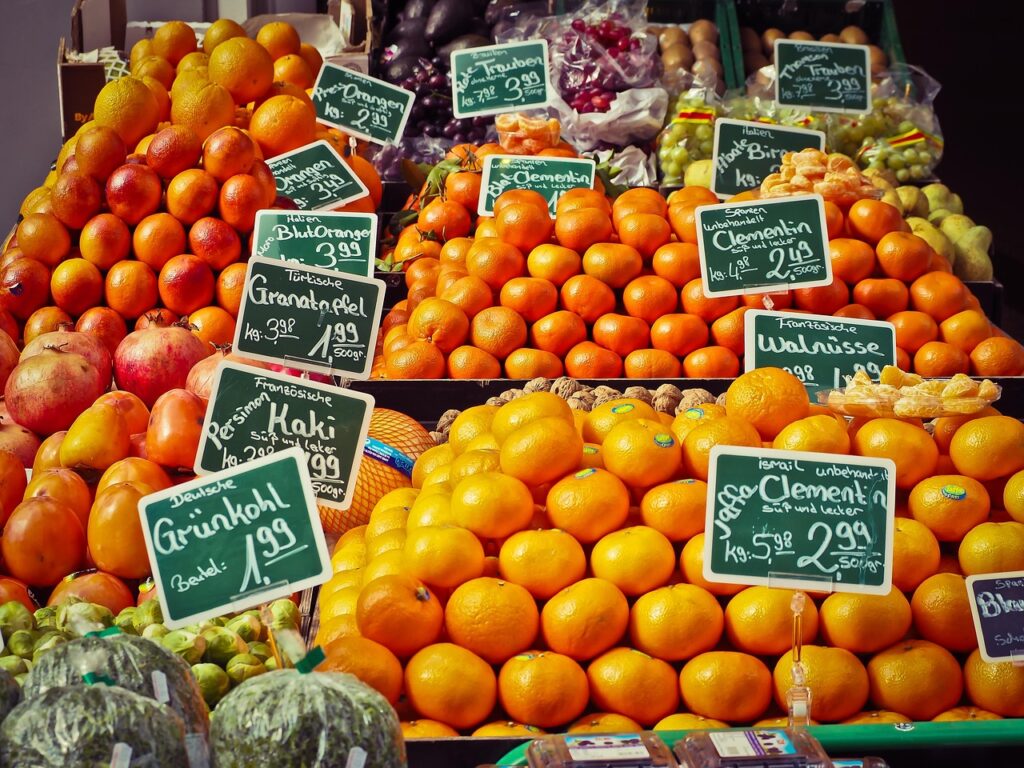
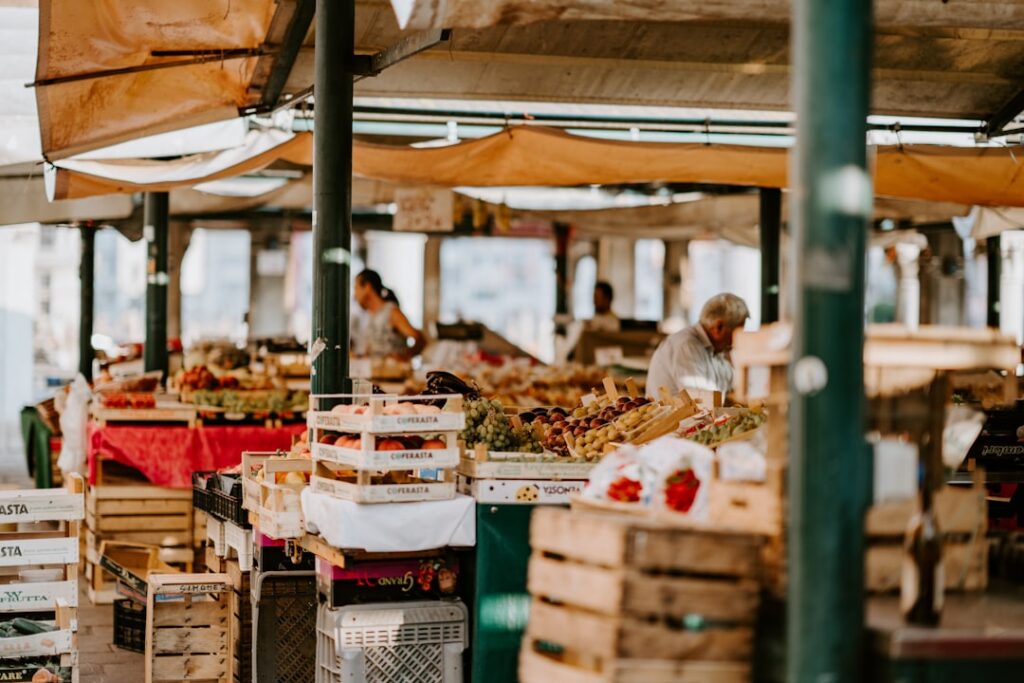
Mercado de Abastos de Santiago — Praza de Abastos, 15705 Santiago de Compostela. Price: vegetables and products €1–10 each depending on season; tapas on site €3–8. Market hours: Tue–Sat 7:00–15:00; some stalls open Sunday mornings. Why go: it’s the hub of the local food circuit. Look for vegetable « furancho » stands, aged goat cheeses, canned vegetables, and small tascas where you can sample veggie tapas made from market produce.
-
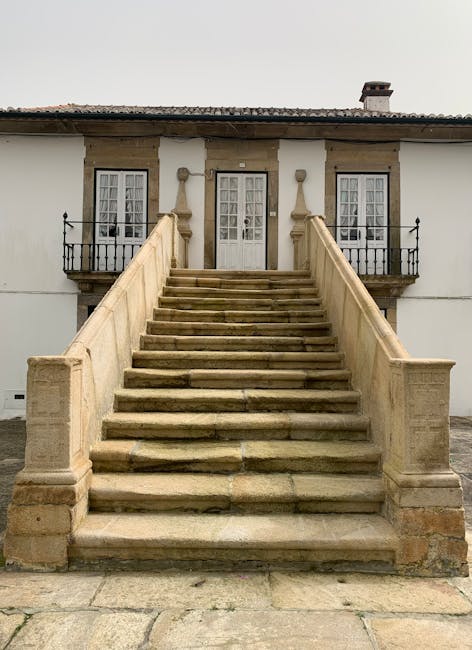
Casa do Camiño – Cocina de Temporada — Rúa Nova 14, 15705 Santiago de Compostela. Price: vegan tasting menus €22–28. Hours: Mon–Sat 13:00–15:30, 20:00–22:30; closed Sunday. Concept: strictly local seasonal cooking, menu changes weekly, weekend reservations required. The experience includes explanations about producers and ingredient origins.
-
EcoMarket Santiago (pop-up) — various locations (check Facebook/Instagram). Price: products €2–20. Hours: usually Saturdays 10:00–14:00. This ephemeral market brings together organic farmers, beekeepers and local processors. Ideal for assembling a plant-based picnic basket for city walks.
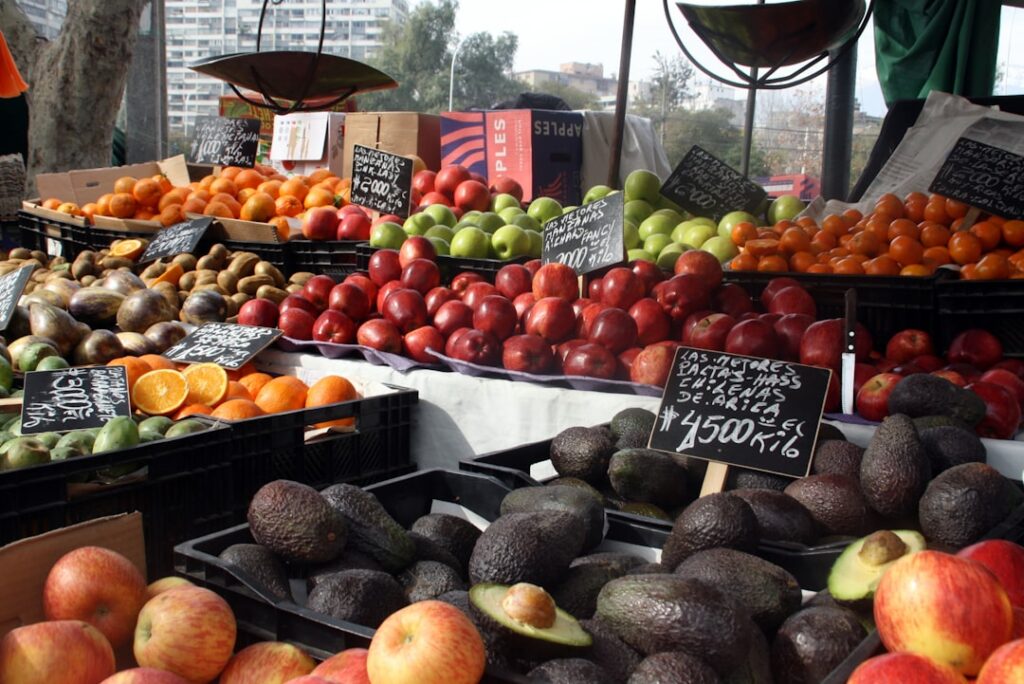
Practical tips: arrive early at the Mercado de Abastos to avoid the tourist swell; ask vendors about seasonality (zucchini in winter? rarely); and favor the “menú del día” which, at these alternative spots, is often cheaper and more authentic than the tourist menus in the old town (expect €10–15 for a full set menu at these places).
3) Non-meat local experiences: workshops, walks and micro-producers
A city is also discovered through its practices and know-how. Here are concrete experiences for anyone wanting to go beyond the usual plate: cooking workshops, visits to producers and playful walks. These activities prioritize human contact and quality over mass consumption.
-
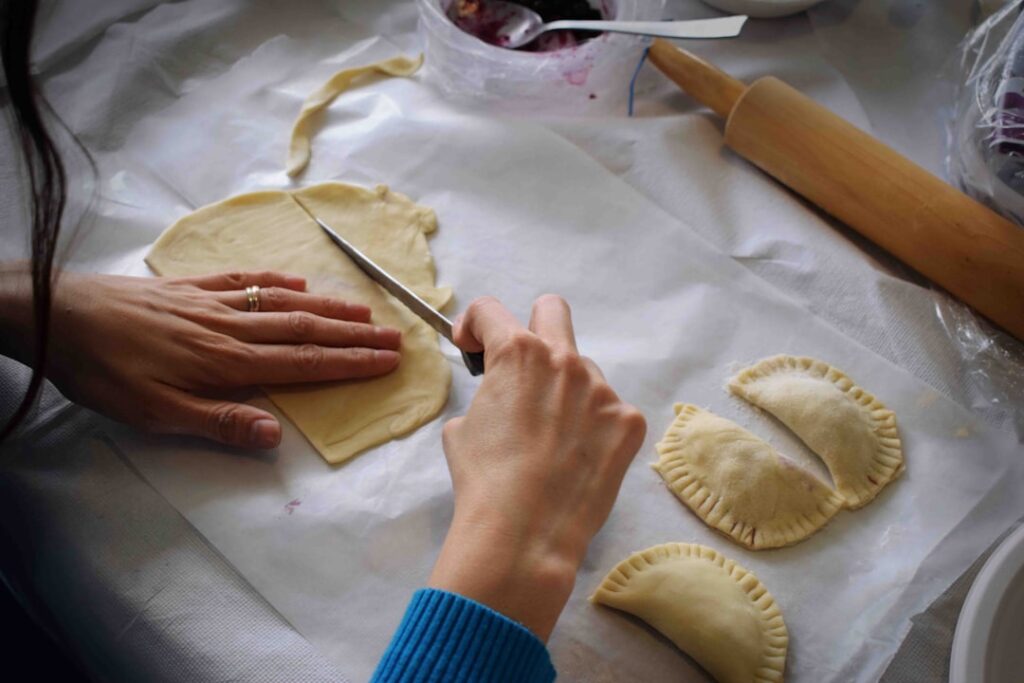
“Cocina Gallega Vegetal” workshop at A Terra Alimenta — Rua do Franco 32 (sign up via website or phone). Price: 2-hour workshop — €35 (ingredients and tasting included). Hours: usually Wednesday and Saturday mornings at 11:00. Content: learn to make potajes, vegetable empanadas, homemade preserves and use local wild herbs (grelo, Galician oregano). The class ends with a communal meal and a list of local producers.
-
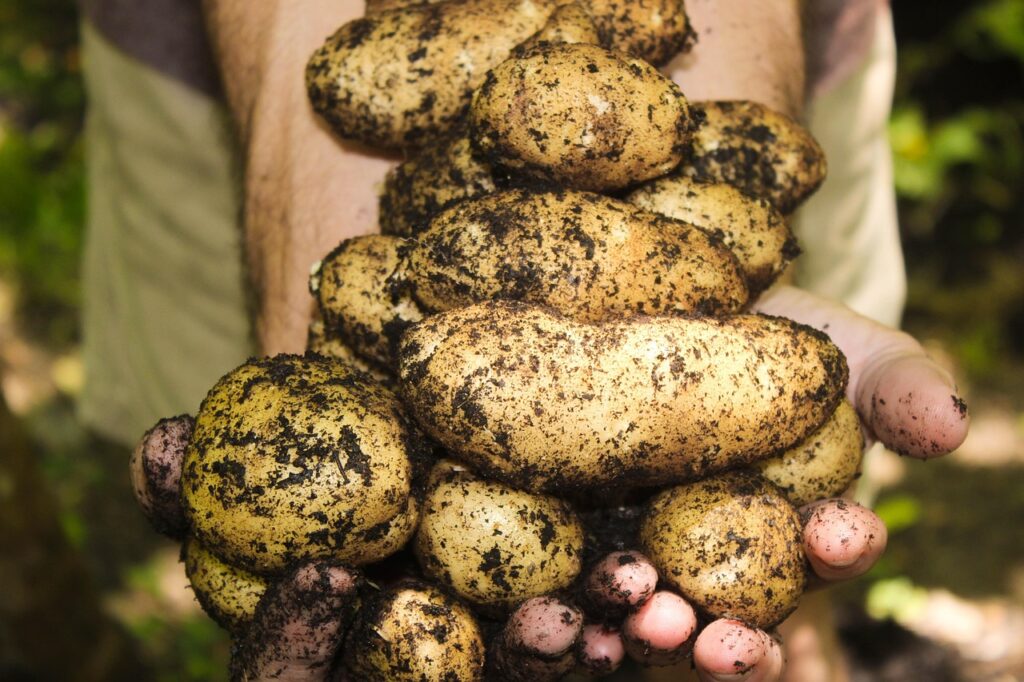
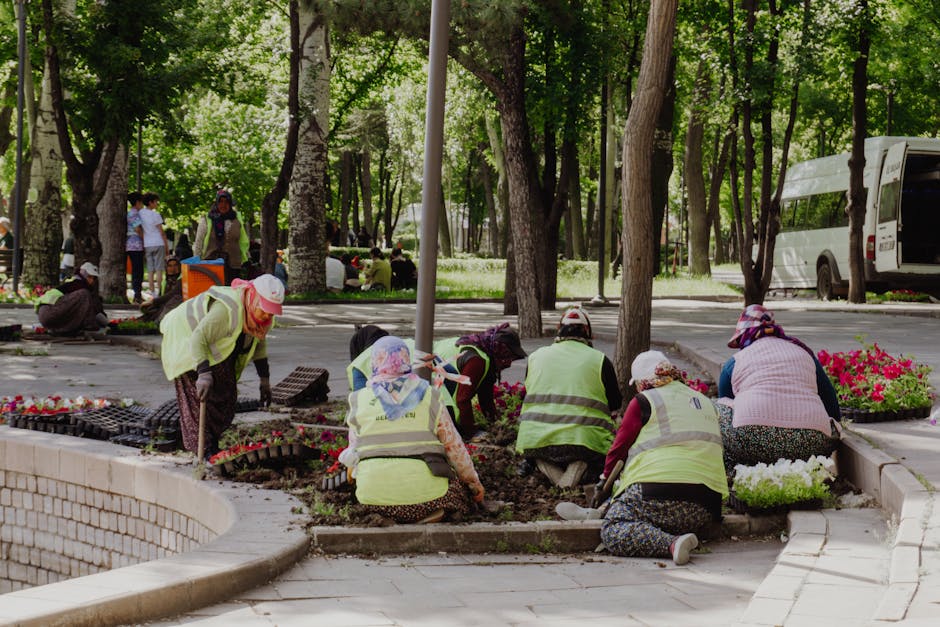
Visit to Huerta de San Froilán (community garden) — Camino de Santiago s/n (check meeting point). Price: voluntary donations suggested €5–10. Hours: group visits on Saturdays 10:00–12:00 by reservation. Activity: take part in harvest, learn Galician soil-based growing techniques, chat with volunteers. Why it matters: you’ll see a diversity of forgotten vegetables and learn where produce for some independent restaurants comes from.
-
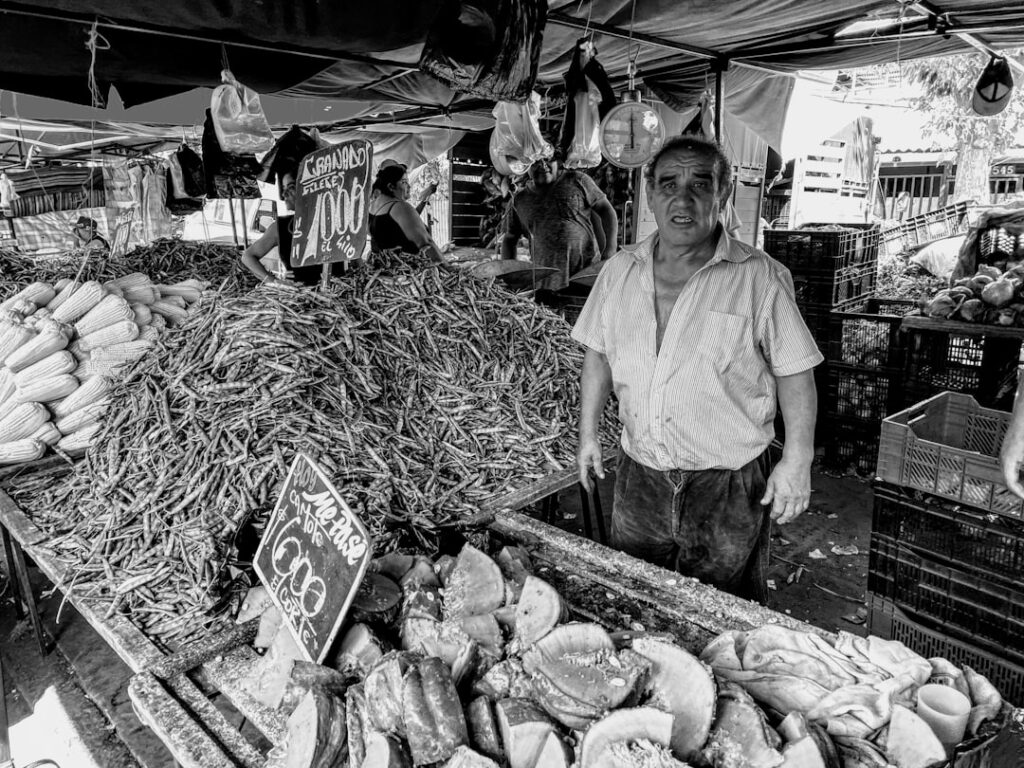
“Producers & Plants” tour — guided by Galician Food Walks (contact via their site). Price: 3-hour guided tour — €25–30 per person. Hours: morning and late-afternoon departures, depending on season. Description: itinerary includes a visit to a goat cheese producer (non-meat), a stop at the Mercado de Abastos, and tastings of artisanal canned vegetables. Practical: groups capped at 12 people.
-
Preserving and fermentation workshop — La Conserva Lab, Rua do Vilar 17. Price: 2-hour workshop — €28. Hours: monthly sessions, Saturday mornings at 10:30. Content: fermentation techniques (sauerkraut, Galician kimchi using local cabbage), jarning and labeling, tips for preserving in a humid climate.

These activities are usually cheaper than mainstream tourist experiences and offer a higher relational quality: you leave with recipes, producer contacts and sometimes a jar to take home. Book ahead in high season (May–Sept), as these local initiatives have limited places and often favor email or phone sign-ups.
4) A 48-hour alternative itinerary for a non-meat, anti-tourist stay
Instead of joining the queues at crowded tapas spots around the cathedral, here’s a practical 48-hour itinerary focused on plants, local producers and intimate experiences. Each step includes the address, price range and handy tips.
-
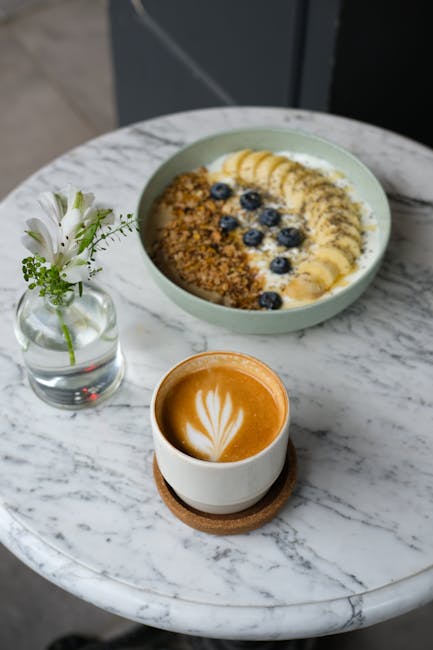
Day 1 — Morning: Breakfast at La Papoula, Rua da Republica 24. Price: coffee + porridge bowl or tostada €4–6. Hours: 09:00–11:00. Tip: pack a picnic basket and buy artisanal bread at the Mercado de Abastos.
-
Day 1 — Midday: Lunch at the Mercado de Abastos (Praza de Abastos, 15705). Price: tapas €3–8 per portion. Tip: try stalls labeled “productos de la zona” and ask for dishes based on legumes and vegetables. Market hours: 7:00–15:00.
-
Day 1 — Afternoon: Visit Huerta de San Froilán (Camino de Santiago s/n). Take part in a harvest or an educational walk. Price: donations €5–10. Visit hours: Saturdays 10:00–12:00.
-
Day 1 — Evening: Dinner at O Mandala, Rua do Vilar 9. Price: main courses €6–12, desserts €3–5. Hours: 19:30–23:00. Reservation recommended.
-
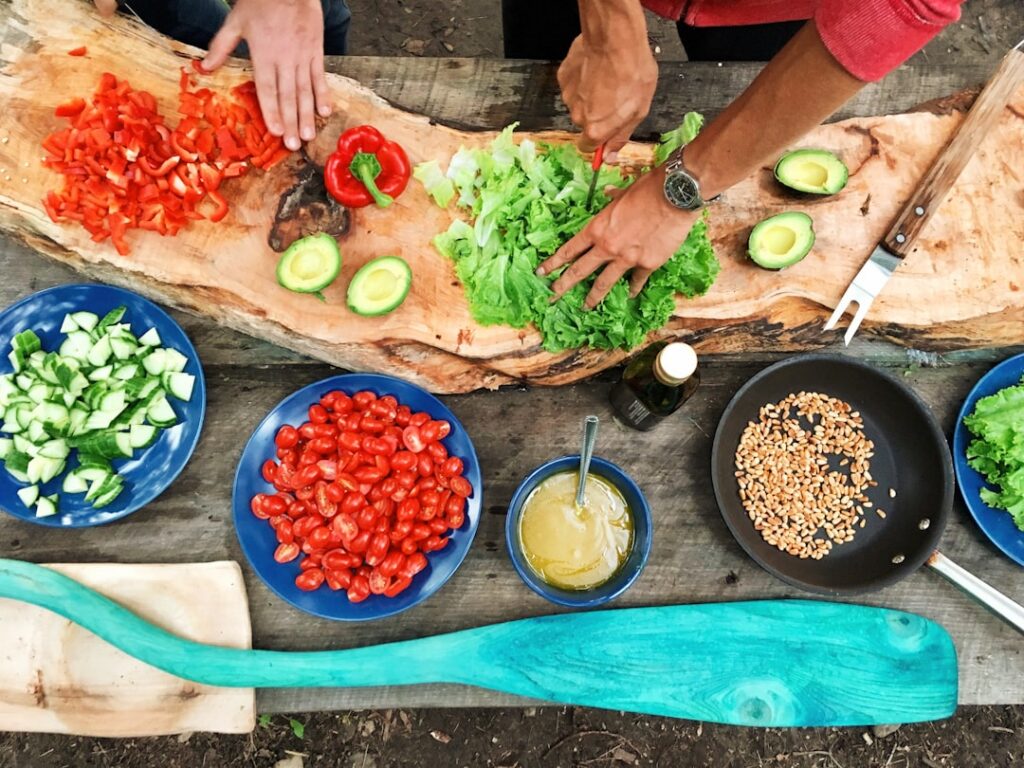
Day 2 — Morning: “Cocina Gallega Vegetal” workshop at A Terra Alimenta (Rua do Franco 32). Price: €35, 2h. Hours: 11:00–13:00. Tip: come hungry and ready to learn.
-
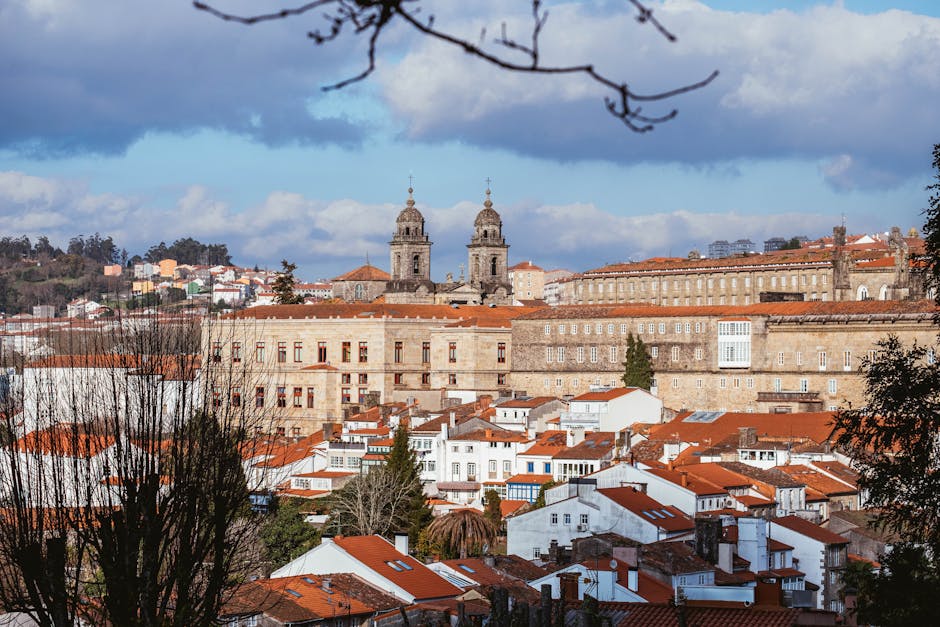
Day 2 — Midday: Picnic with goods purchased at EcoMarket or Mercado de Abastos — location: Parque da Alameda (Paseo Alameda), great views over the old town. Price: picnic basket €8–15 depending on purchases. Park hours: open all day.
-
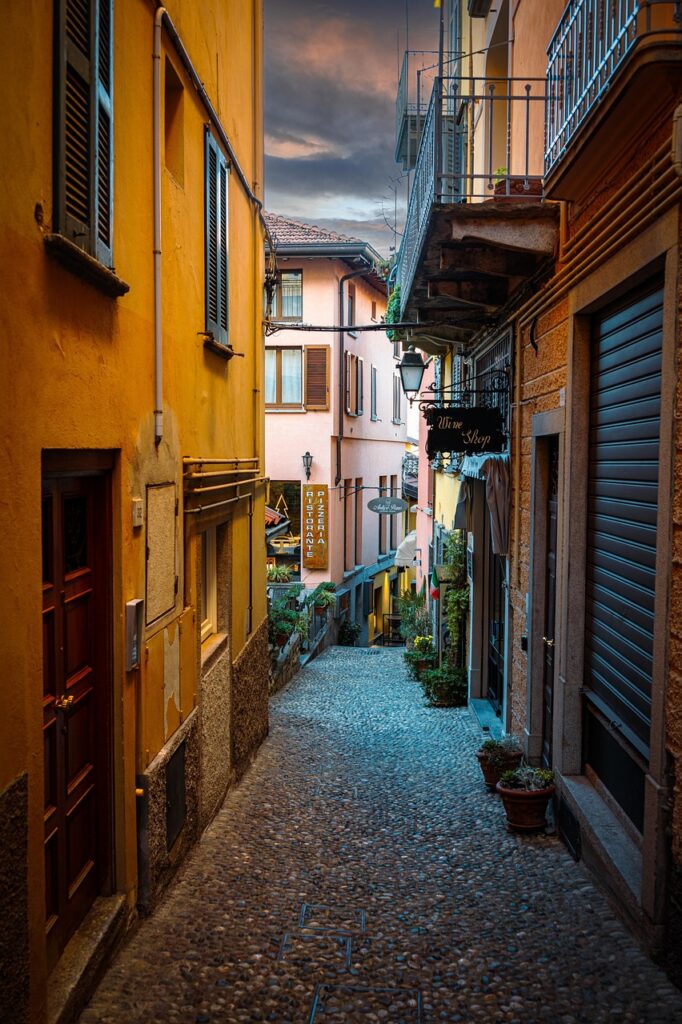
Day 2 — Afternoon: Aimless stroll through the San Pedro neighborhood, browse local delis and scout artisanal preserves. Stop by Casa do Camiño (Rúa Nova 14) to try the vegan tasting menu if available (€22–28). Hours: 13:00–15:30 and 20:00–22:30.
-
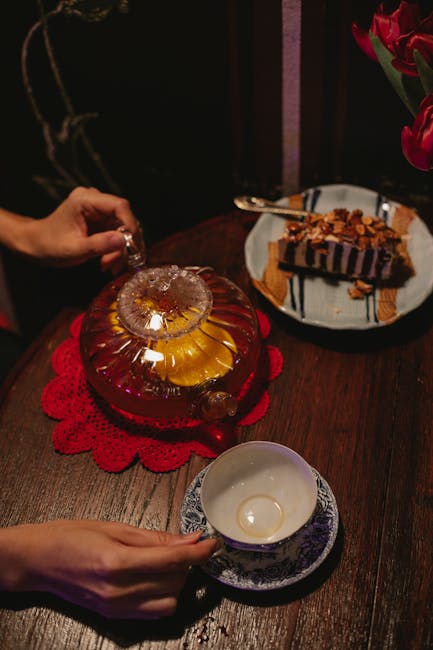
Day 2 — Evening: Low-key night option: juice and desserts at La Tetería (Rua do Vilar 21). Price: fresh juices €3–5, vegan desserts €4–6. Hours: 17:00–23:00. Vibe: lanterns and acoustic music on quiet nights.
This itinerary shows it’s possible in 48 hours to enjoy a high-quality gastronomic experience in Santiago without surrendering to heavy, touristy circuits. The suggested spots are close to each other, encourage walking and leave room for encounters with producers and local actors.
Conclusion — A call to travel smart: Santiago is for everyone, not just meat eaters
Santiago de Compostela is a plural city: sacred and secular, old and renewing, meaty and plant-forward. The caricature of a city devoted solely to meat and seafood serves mass-tourism dynamics more than Galicia’s cultural and agricultural reality. By questioning these assumptions you gain two things: a more authentic experience and a more positive impact on local communities.
The content of this anti-guide gives you concrete tools — addresses, prices, hours, activities — to explore a less-publicized side of Santiago. Choosing restaurants like O Mandala, La Papoula or Casa do Camiño, visiting the Mercado de Abastos with attention and joining local workshops supports short supply chains, sustainable practices and citizen initiatives. These choices also prove that Galician cuisine isn’t limited to meat: there’s a tradition of legumes, preserved vegetables, stews and wild herbs waiting to be rediscovered.
Traveling “anti-tourist” doesn’t mean rejecting everything popular, but making informed, respectful choices. That means arriving a bit prepared (reservations for small places, checking off-season hours), listening to local actors and sometimes deviating from the classic itinerary. In return, the city offers more than postcard images: conversations, recipes, producer contacts and often the calm you need to feel Santiago’s soul.
Finally, whether your motivation is ethical (veganism, cutting down on meat) or simply curiosity, Santiago welcomes you: the proof is in the markets, tiny canteens and community initiatives. Choosing these alternatives isn’t an elitist gesture but a practical one — for your palate, your wallet and the planet. So next time someone tells you Santiago is “for carnivores,” show them your address book and say calmly: “Look here, and taste this.”