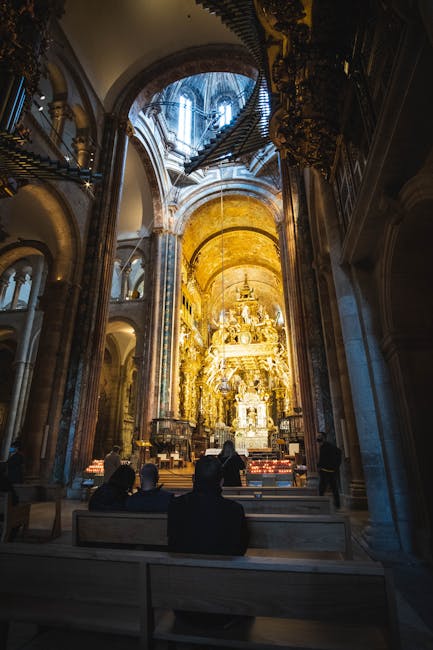






Introduction: Why Santiago de Compostela’s Religious Art Collections Deserve a Close Look
Santiago de Compostela is one of Europe’s most important spiritual and cultural destinations. Beyond the devotion of pilgrims flocking to the tomb of the apostle Saint James, the city hides artistic and liturgical treasures that tell over a thousand years of sacred art, ritual practice and history. The religious art collections here aren’t mere museum objects; they are living witnesses to rites, sacred architecture, popular devotions and cultural exchanges between Spain, Europe and the Mediterranean world. Visiting these collections helps you grasp the tension between the sacred and the everyday, follow the evolution of artisanal techniques (silversmithing, painting, wood and stone sculpture), and admire unique pieces — from medieval reliquaries to baroque altarpieces.
This guide will point you to the main institutions and sites where religious art is preserved, displayed and interpreted in Santiago. You’ll find everything from grand ensembles to cabinet-of-curiosities displays: cathedral treasures, altarpieces, liturgical silver, embroidered vestments, illuminated manuscripts, icons and popular devotional objects. Each venue offers a different perspective: some focus on the cathedral and monastery liturgical heritage, others on ethnographic views of Galician religiosity, and some place religious legacy in conversation with contemporary creation.
In the sections that follow, you’ll find practical information — exact addresses, entry prices in euros, up-to-date opening hours, in-depth descriptions of the collections, and visiting tips to make the most of your time. Whether you’re a pilgrim, art lover, historian or curious traveler, this guide will help you plan visits according to your interests, skip queues where possible and spot the must-see highlights. I’ve also included local tips: best times of day for light, short thematic micro-tours (silversmithing, sculpture, liturgical textiles), and pointers for photography where allowed.
Finally, because visual context is essential in an art guide, I’ve added image cues for each section to help you picture the spaces before you arrive. These markers correspond to typical visual scenes — sunlit façades at dawn, richly gilded chapels, silver cases, cloisters and baroque altarpieces — to spark your curiosity and encourage you to explore each room.
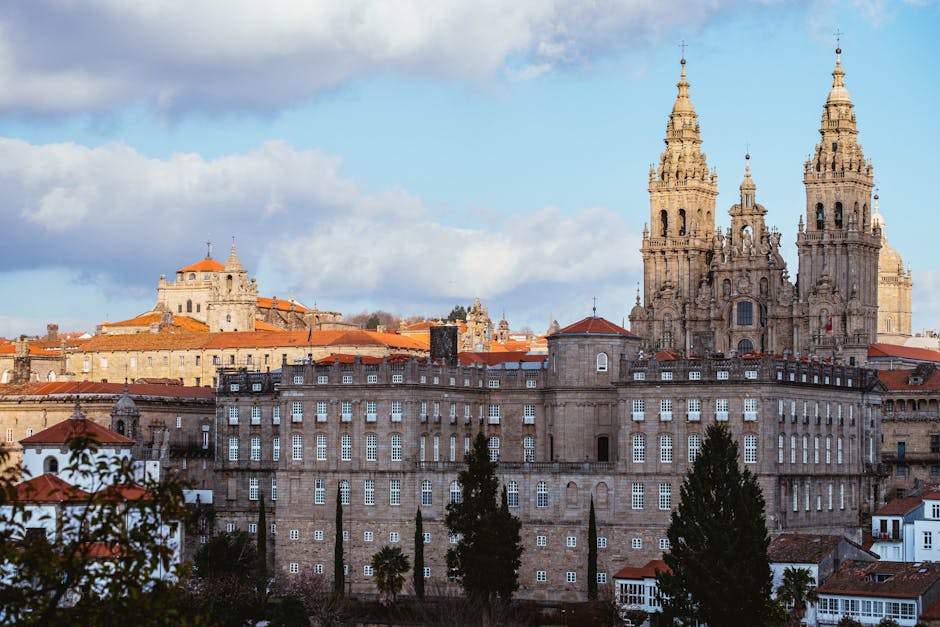
1) Santiago Cathedral and the Museo Catedralicio / Tesoro de la Catedral
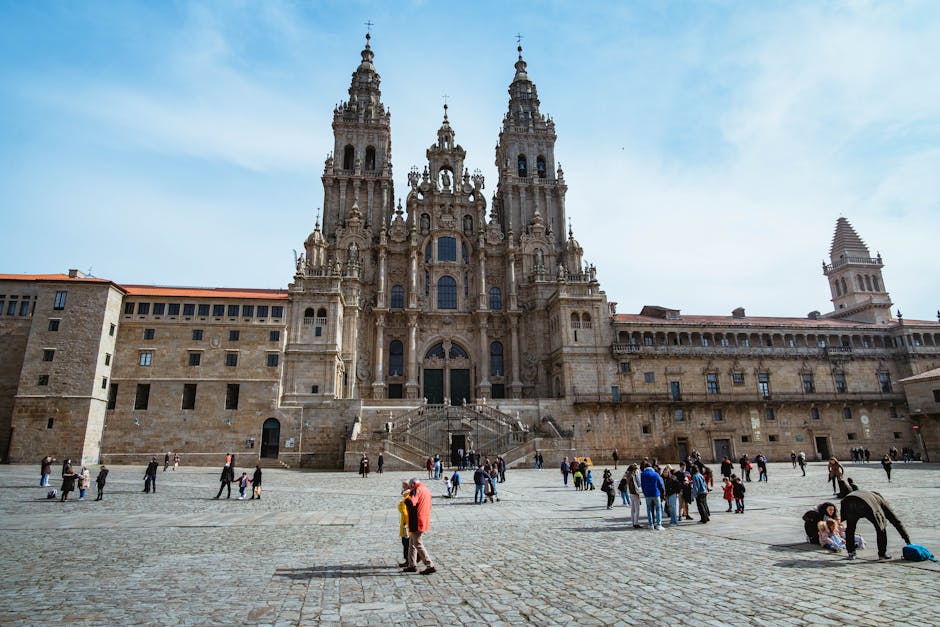
The heart of Santiago’s religious heritage is the Catedral de Santiago de Compostela, located on the Praza do Obradoiro. Address: Catedral de Santiago de Compostela, Praza do Obradoiro, 1, 15705 Santiago de Compostela, Spain. The cathedral itself is a Romanesque and Baroque masterpiece, but to appreciate the material richness of Jacobite worship you need to visit the Museo Catedralicio or the Tesoro da Catedral, which houses one of Spain’s most important collections of religious silverwork.
Price: access to the cathedral and the treasury is often via a combined ticket; indicative rates: Cathedral + Museo Catedralicio: approximately €6 to €12 (prices vary based on guided tours, audio guides or access to the camarín). Hours: the cathedral hosts liturgies daily, but tourist visiting hours vary — typically 9:00–19:30 in high season (April–October) and 9:00–18:30 in low season (November–March). The Museo Catedralicio often opens 10:00–18:00, closed on some holidays; it’s strongly recommended to check the official website before your visit.
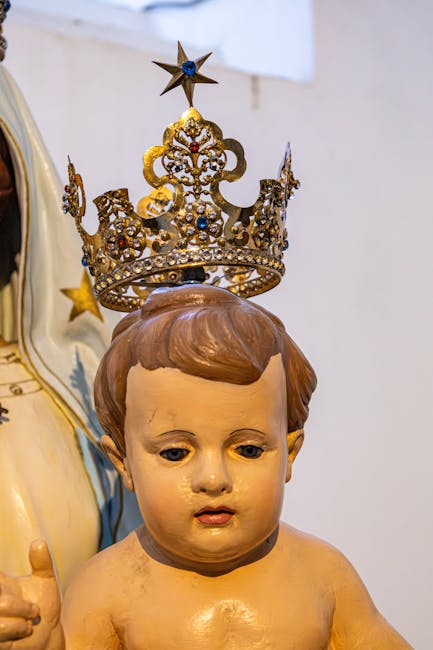
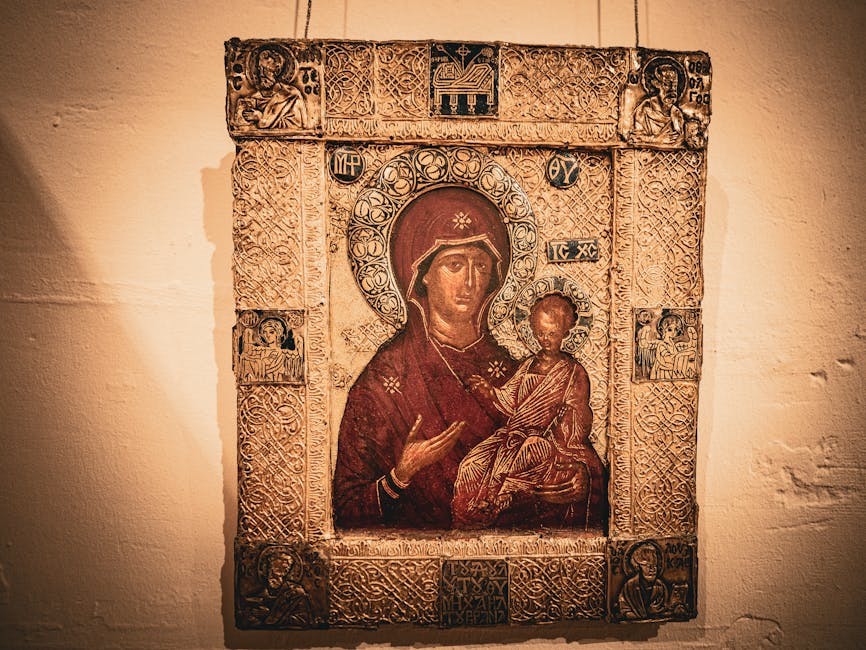
The treasury collection includes reliquaries, processional crosses, chalices, censers, liturgical textiles and manuscripts. Highlights include the vermeil reliquary of Saint James, Gothic and Baroque monstrances, richly embroidered chasubles from the 16th–18th centuries, and illuminated liturgical books. The displays emphasize the ritual function of objects: many pieces are presented with explanations of their liturgical use, letting visitors visualize historic processions and services.
Local tips: arrive early to enjoy the soft morning light on the façade and avoid the crowds. If possible, attend an evening service such as the famous « Misa del Peregrino » (Pilgrim’s Mass), then visit the treasury the next morning — seeing the objects after attending a service creates a powerful emotional resonance. Photography: the cathedral’s interior often has photo restrictions — respect signage and moments of prayer.
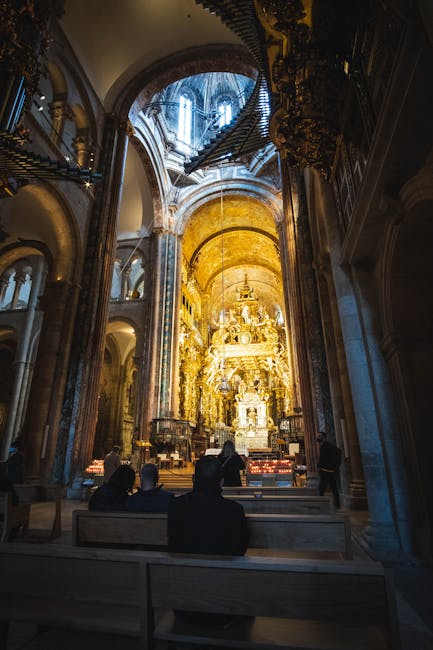
2) Museo do Pobo Galego and Bonaval: Ethnographic Religious Art and Popular Devotion
The Museo do Pobo Galego is essential for understanding Galician popular religiosity. Address: Museo do Pobo Galego, Rúa San Domingos de Bonaval, 1, 15703 Santiago de Compostela, Spain. Housed in the former Convent of San Domingos de Bonaval within the Parque de Bonaval, the museum pairs monumental architecture with ethnographic collections, including a section devoted to traditional religious manifestations.
Price: general admission around €3 to €6; reductions for students and seniors, and occasional free days (check the official site). Hours: generally 10:00–20:00 Tuesday through Sunday, closed on Mondays. The park and cloister provide a lovely setting to extend your visit, and temporary exhibitions often focus on contemporary sacred art.
Collections and highlights: the religious section displays household devotional objects (ex-votos, holy pictures), procession garments, polychrome wooden saint statues (Iberian schools), liturgical banners, and musical instruments used in processions. The museum stresses context: each object is accompanied by a label explaining its use in rogations, carnival rites or Semana Santa processions. For lovers of sacred art, popular altarpieces and polychrome wood sculptures show how religious art developed outside major ecclesiastical commissions, within rural communities.
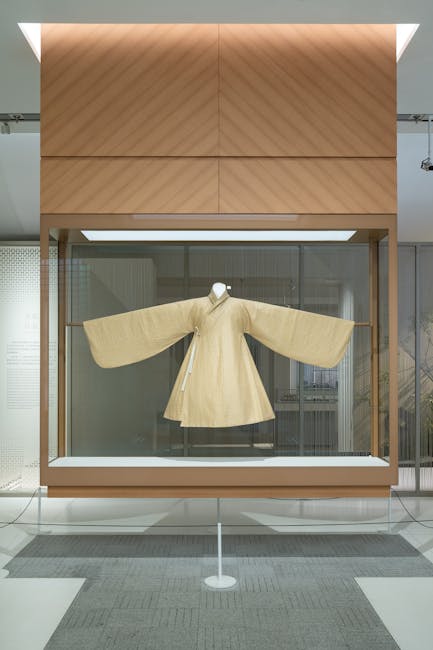
Local tips: pair the museum visit with a walk in the Parque de Bonaval for panoramic views of the old town. Temporary shows are often worth the detour — they explore themes like « contemporary liturgical garments » or « new forms of devotion. » Buy your ticket in the early afternoon to avoid school groups and use audio guides if available. The display cases are well lit, making it great for photographing textile details and embroidery.
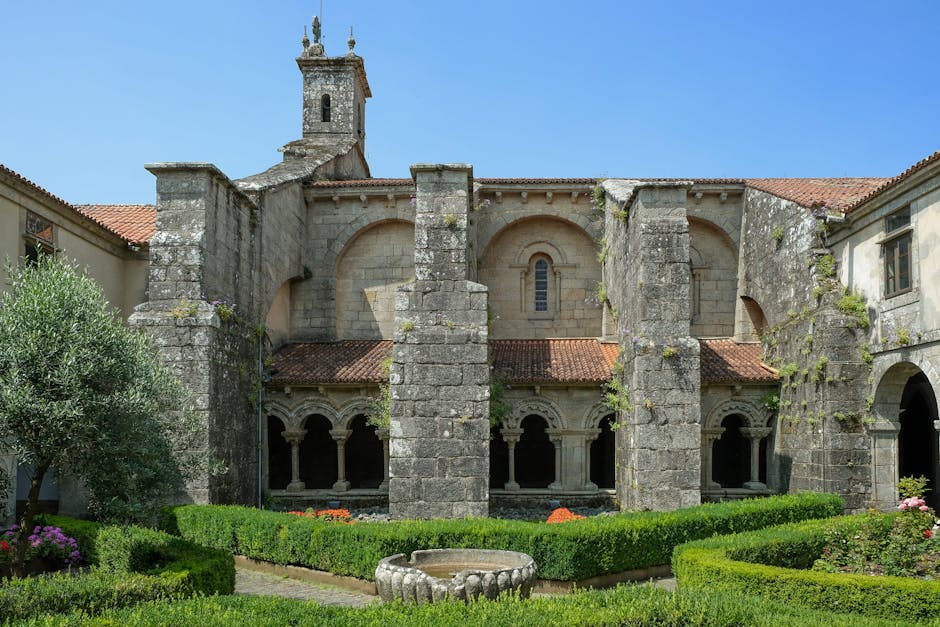
3) Centro Galego de Arte Contemporánea (CGAC): Where Sacred Themes Meet Contemporary Art
Address: Centro Galego de Arte Contemporánea (CGAC), Rúa Valle-Inclán, s/n, 15704 Santiago de Compostela, Spain. Although the CGAC is a contemporary art museum, it plays a key role in critically rethinking religious art by hosting shows and projects where religious symbolism, ritual practices and liturgical materials are reinterpreted by contemporary artists. The building, designed by Álvaro Siza Vieira, offers bright spaces and a display approach suited to dialogues between heritage and contemporary creation.
Price: general entrance about €3 to €5, with free admission for some temporary exhibitions or on the first Sunday of the month; check the program for evening openings or talks. Hours: usually 11:00–20:00, closed on Mondays, with variations depending on exhibitions.
Why visit: CGAC stages exhibitions that explore the endurance of religious imagery in photography, sculpture and installation. Artists often borrow materials or forms from liturgical contexts (marble, textiles, gilded metal) to question the sacred in modernity. The center also runs artist residencies and educational projects involving local communities — useful for those wanting to understand how religion continues to inspire contemporary Galician art.
Local tips: check the program before going — CGAC frequently hosts talks and themed guided tours (e.g., « religious iconography reinvented »). The museum café is a pleasant spot to debrief after a visit. If you’re planning an itinerary around religious art, consider a day that contrasts old and new: morning at the cathedral and treasury, afternoon at CGAC for contemporary reinterpretations for a full perspective.
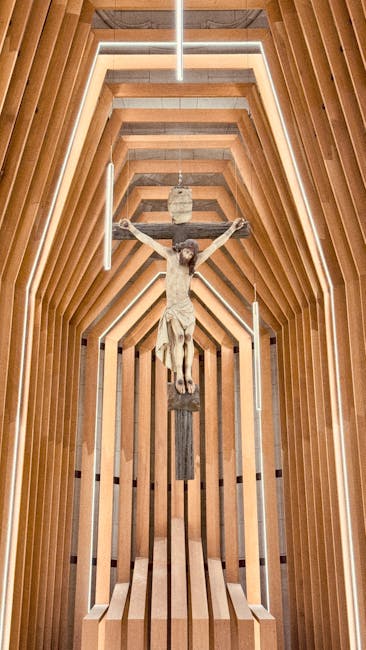
4) Mosteiro de San Martiño Pinario and Convent Treasures: Sacristies and Altarpieces
The Mosteiro de San Martiño Pinario, located near the cathedral, is one of Spain’s largest urban monastic complexes. Address: Mosteiro de San Martiño Pinario, Praza da Inmaculada, s/n, 15704 Santiago de Compostela, Spain. The building now houses cultural spaces and exhibitions that highlight monastic religious heritage — sacristies, side chapels, paintings, and a significant collection of sacred art from former convent deposits.
Price: access to temporary exhibitions varies; guided tours often include the cloisters and sacristies. Indicative guided tour price: around €4 to €8. Hours: generally the public areas are open 10:00–18:00, but times vary with cultural events and religious services; check locally at the ticket desk.
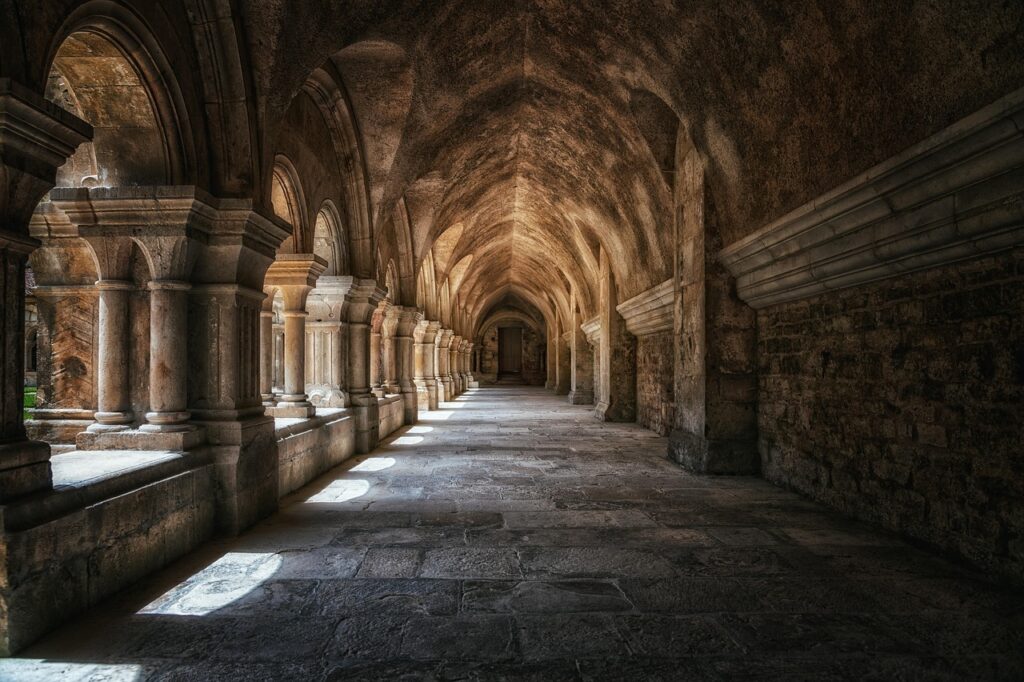
Collections and strengths: the monastery preserves large altarpieces, paintings of biblical and hagiographic scenes, carved and gilded liturgical furniture, and materials related to monastic life (choir books, censers). The stone cloisters and vaulted spaces provide a unique architectural context to appreciate the relationship between sacred space and liturgical objects. Visiting here reveals the role religious orders played in commissioning and preserving works of art — the monastery was an important cultural production center for centuries.
Local tips: opt for a guided tour to access sacristies and areas normally closed to the public. If you enjoy architectural photography, aim for mid-morning for gentle lateral light in the cloisters. Don’t skip the altarpiece labels — they often explain patronage, the workshop and the works’ histories (restorations, transfers, etc.). For a fuller experience, combine this visit with a stroll through the nearby university quarter, which hides other small, little-known chapels and oratories.
Conclusion: Planning Your Visit — A Practical Two-Day Itinerary and Final Tips
Santiago de Compostela offers an exceptional route for anyone wanting to explore religious art from all angles: from the cathedral’s medieval treasury to CGAC’s contemporary interpretations, via the ethnographic religiosity at Museo do Pobo Galego and the monastic heritage at Mosteiro de San Martiño Pinario. To organize your stay, here’s a practical two-day itinerary suggestion:
- Day 1 – Morning: Santiago Cathedral (Praza do Obradoiro, 1) — attend a Mass if possible, then visit the Museo Catedralicio early to beat the crowds. Combined price: around €6–12. Hours: typically 9:00–19:30 in high season.
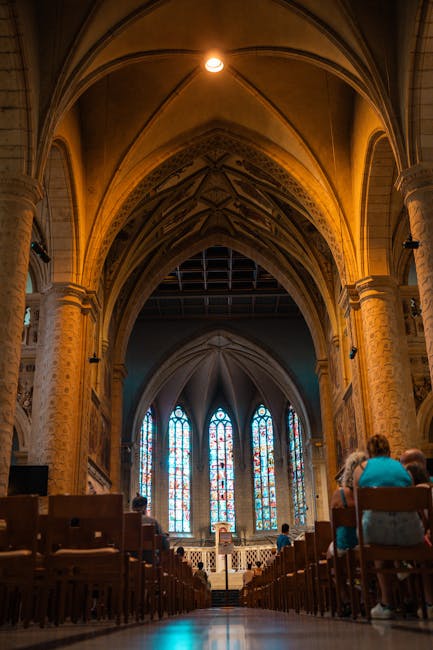
- Day 1 – Afternoon: Mosteiro de San Martiño Pinario (Praza da Inmaculada, s/n) — guided tour of cloisters and sacristies. Guided rate about €4–8. Approximate hours 10:00–18:00.
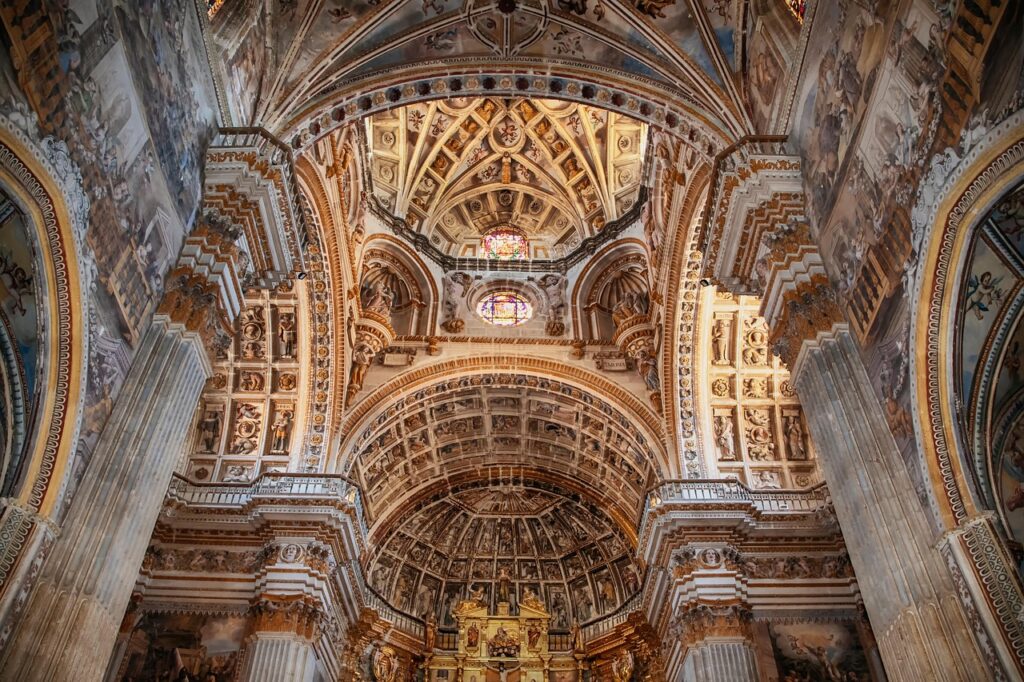
- Day 2 – Morning: Museo do Pobo Galego (Rúa San Domingos de Bonaval, 1) — discover popular rites and devotional objects. Entry €3–6. Hours 10:00–20:00.
- Day 2 – Afternoon: CGAC (Rúa Valle-Inclán, s/n) — contemporary show on religious themes; entry €3–5. Hours 11:00–20:00.
Final practical tips:
- Tickets and opening times: many sites offer combined tickets or extended hours in high season; check official websites before you travel to avoid unexpected closures and to take advantage of discounts.
- Respect: these sites are often active places of worship — dress respectfully, keep noise to a minimum during services and respect non-photography zones.
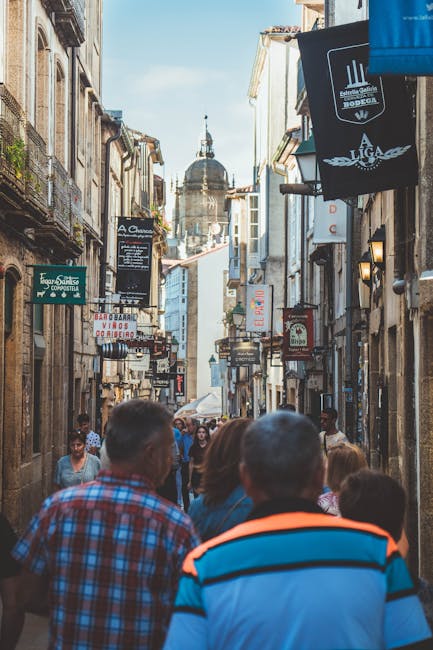
- Getting around: the old town is best explored on foot; bring sturdy shoes for the cobbled streets. The main museums are clustered around the historic center and the Bonaval quarter.
- Visit duration: allow at least 1½ hours for the cathedral and its treasury, 1–1½ hours for Museo do Pobo Galego, 1 hour for CGAC and 1 hour for Mosteiro de San Martiño Pinario (longer if you take a guided tour).
In short, experiencing Santiago de Compostela’s religious art collections is both intellectual and sensory: it combines spiritual emotion, aesthetic wonder and cultural analysis. Whether you come as a pilgrim or a visitor, take time to read the labels, listen to guides and study the details — the gilding of a monstrance, the stitches of an embroidery, the patina of a wooden statue — because those are the elements that tell the living story of the sacred in Galicia. Finally, go with the city’s rhythm: between services, processions and contemporary exhibitions, Santiago is a place where past and present constantly converse, offering rich perspectives for anyone interested in religious art.