





Introduction: Living History — How the Museums Tell the Story of Santiago de Compostela
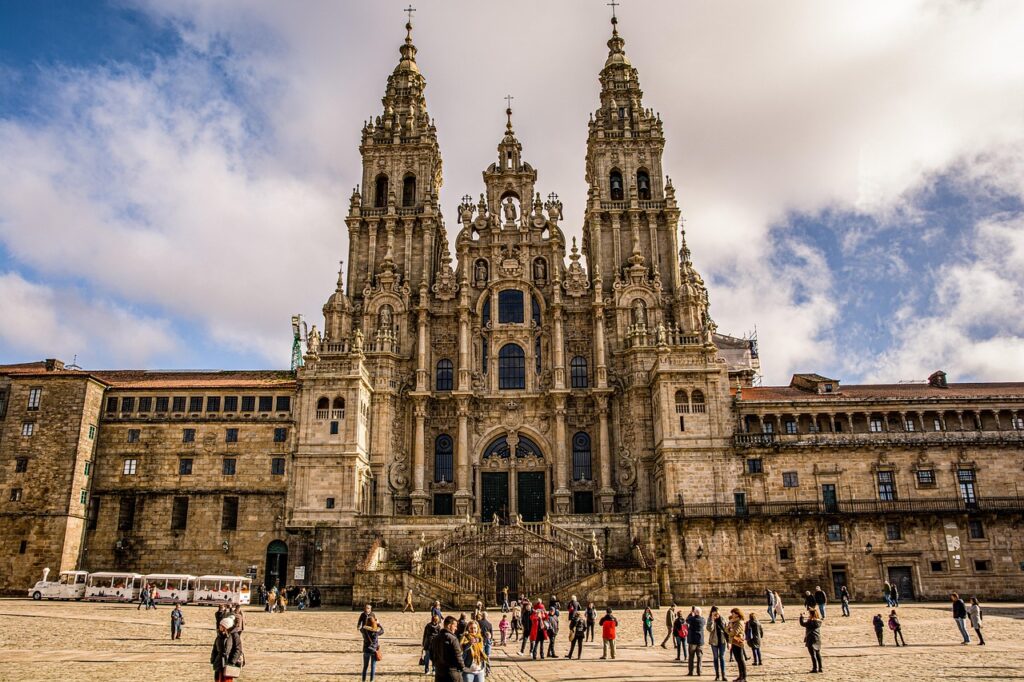
Santiago de Compostela is one of Europe’s most iconic pilgrimage destinations. Beyond the cathedral and the routes that lead pilgrims there, the city hosts a network of museums and cultural centers that weave together its religious, social, artistic and historical layers. These institutions don’t just display objects and artworks; they interpret, contextualize and bring the pilgrimage experience to life — from medieval communities to contemporary practices. Through liturgical remains, archives, art, scale models, multimedia and first‑hand accounts, the museums turn a visit into a vivid immersion.
In this guide we’ll look at how different museums in Santiago de Compostela work together to tell the story of the pilgrimage and the city: the Museo de las Peregrinaciones y de Santiago and the Museo Catedralicio, which explain the religious and material centrality of the sanctuary; the Museo do Pobo Galego and the Diocesan Museum, which restore popular culture and the link between faith and everyday life; and the Centro Galego de Arte Contemporánea (CGAC), which pits heritage against contemporary creation. Smaller spaces — archives, conservation workshops, monastic museums — add their own voices to Compostela’s narrative.
Visitors will find tangible objects (Roman reliefs, relic fragments, ex‑votos, embroidered chasubles, medieval manuscripts), scenographic devices (audio trails, immersive projections, reconstructions), and historical interpretations that highlight how the pilgrimage evolved: routes, motivations, hospital infrastructures, trade, Jacobite iconography and cult practices. Museums also provide practical services — audio guides, multilingual tours, educational programs and restoration workshops — useful to tourists, researchers and modern pilgrims alike.
This guide lists the main museums to know in Santiago de Compostela, with exact addresses, opening hours, prices, and immersive descriptions to help you prepare your visit. You’ll also find practical tips to optimize your route, the best times to avoid crowds, and local recommendations to extend the experience (guided tours, specialist bookshops, traditional restaurants). Whether you’re a pilgrim searching for meaning, a fan of religious art, or simply a curious history lover, Santiago’s museums offer a living history that’s both tangible and interpreted — a place where collective memory unfolds before your eyes.
Museo de las Peregrinaciones y de Santiago: The Pilgrimage Story
The Museo de las Peregrinaciones y de Santiago (Museum of Pilgrimages and Santiago) is a key place to understand the historical dynamics of the Camino. Located north of the cathedral, its displays focus on the pilgrim’s journey, religious motivations, Jacobite iconography and the infrastructures that supported centuries of movement. Address: Museo de las Peregrinaciones y de Santiago, Plaza de las Platerías, 1, 15705 Santiago de Compostela, A Coruña. Phone: +34 981 56 01 00 (cultural information center).
Opening hours: generally open Tuesday to Sunday, 10:00–20:00 outside special seasons; closed on Mondays. Admission: some temporary exhibitions are often free or pay‑what‑you‑wish; the permanent exhibition typically costs around €3–5 (reduced rates for students and seniors). Prices can change with programming, so check the official site before you go.
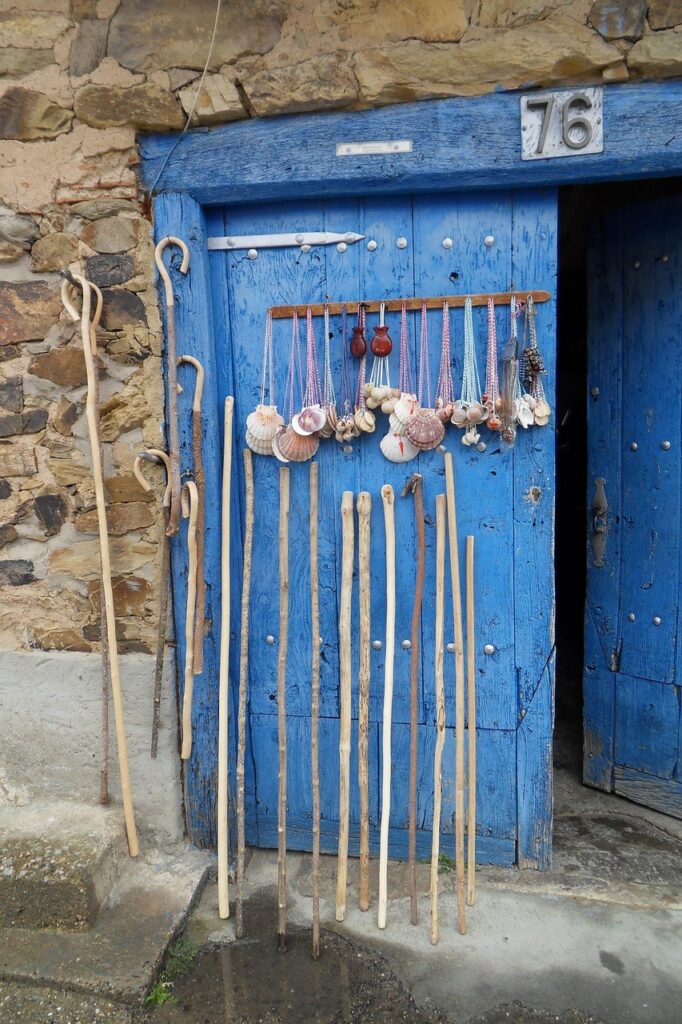
The museum mixes classic display cases with digital devices. You’ll see concrete objects — scallop shells, pilgrim badges, manuscripts, textiles from hospital orders — alongside reconstructions: a medieval pilgrim’s cell, a model of medieval hospital infrastructure, and animated maps tracing the main routes (Camino Francés, Camino Portugués, Camino del Norte). The presentation stresses the variety of reasons people travelled: penitence, spiritual quest, commercial exchange, and modern cultural tourism.
Practical tip: aim for early afternoon, between 14:00 and 16:00, to avoid large organized groups and to pair your visit with the nearby cathedral. The museum sometimes offers themed guided tours (stories of relics, hospital architecture) that require booking; ask at least 24 hours in advance. The museum shop sells manuscript reproductions, route maps and practical guides for pilgrims — handy for continuing your exploration of the city.
Museo Catedralicio and the Cathedral Museum: Relics, Architecture and Liturgy
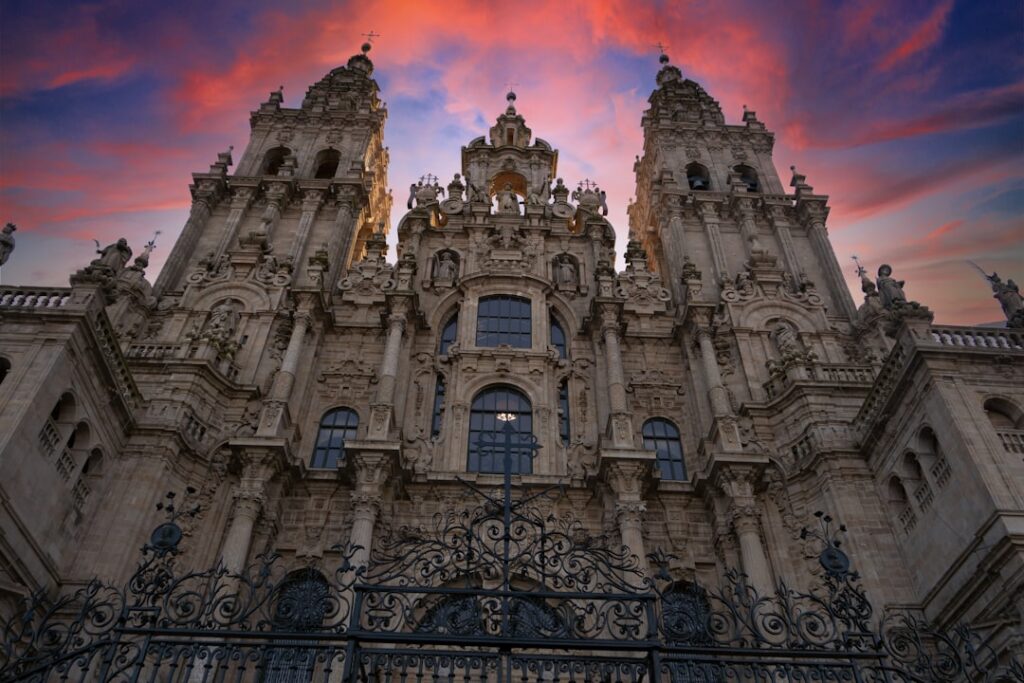
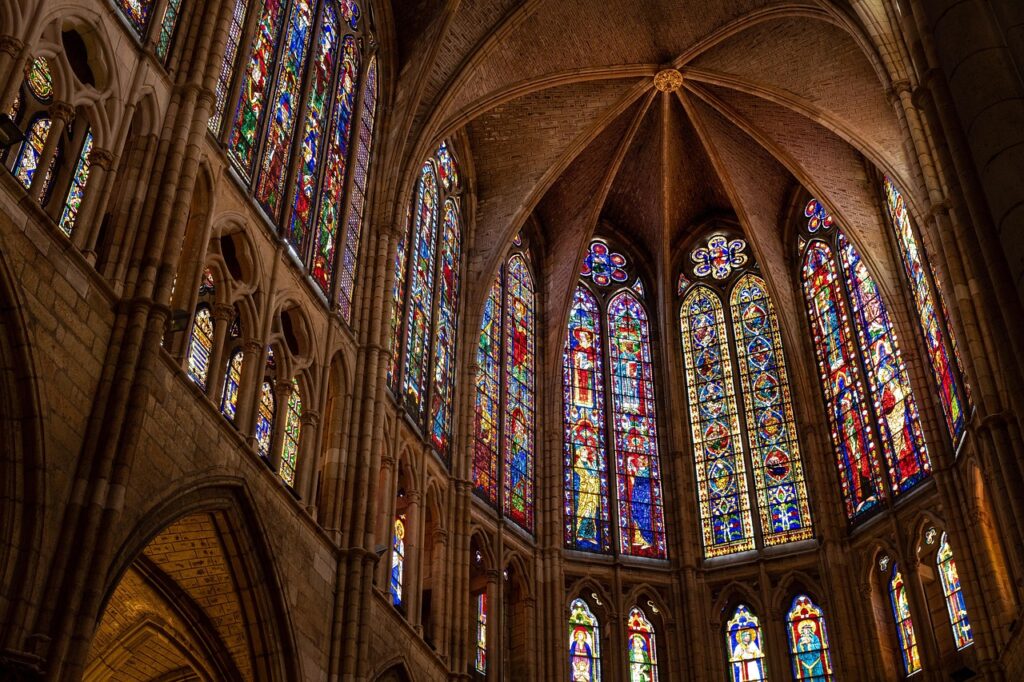
At the heart of the city, the Catedral de Santiago and its museum form the historical and symbolic axis of Compostela’s story. The Museo Catedralicio de la Catedral de Santiago de Compostela sits on the same plaza: Praza do Obradoiro, s/n, 15705 Santiago de Compostela, A Coruña. Cathedral chapter phone: +34 981 58 00 00. Hours: typically open daily; the basilica hosts services morning and evening and the museum keeps adapted opening times — 9:00–20:30 in high season (June–September), reduced hours in low season (often 10:00–18:30). Tickets: combined cathedral + museum + Pórtico de la Gloria around €12 for adults, reduced about €7, with possible free entry for youth or under local rules (check at the ticket desk).
The museum preserves an outstanding collection: embroidered liturgical garments (chasubles, dalmatics), shrines and reliquaries — including the traditions around the apostle’s shrine — illuminated manuscripts and pieces of goldsmithing. The visit explains Jacobite liturgy, the medieval master sculptor behind the Pórtico de la Gloria (Majestas Domini, carved tympanum), and the sequence of restorations. The displays also include videos showing historic processions and audio recordings of liturgical music that once accompanied pilgrimages.
One of the highlights is learning about the Botafumeiro, the spectacular giant thurible used during major celebrations. While the Botafumeiro is not on permanent display, the museum documents its mechanism, history and how it’s swung. Guided tours organized by the cathedral allow access to less visible areas (treasury, cloister, sacristy) and provide in‑depth explanations of rituals and Jacobite symbolism.
Local tip: if you can, visit early (9:00–10:30) to avoid tour groups, or late afternoon after 17:00. Attending a service (notably the pilgrim’s mass) is a living experience; check service times posted at the cathedral door or on the official site. For archive lovers, the museum sometimes allows consultations by appointment — contact the chapter’s archival service for details.
Museo do Pobo Galego: Galician Identity and Intangible Heritage
To grasp the cultural and social context that surrounded the pilgrimage for centuries, the Museo do Pobo Galego is essential. Housed in the Convento de Santo Domingo de Bonaval, it’s located at: Museo do Pobo Galego, Praza de Santo Domingo de Bonaval, s/n, 15705 Santiago de Compostela, A Coruña. Phone: +34 981 95 78 00. Hours: generally open Tuesday to Sunday, 10:00–19:00; closed on Mondays. Admission: often free or donation‑based, though temporary exhibitions may charge (around €3–6).
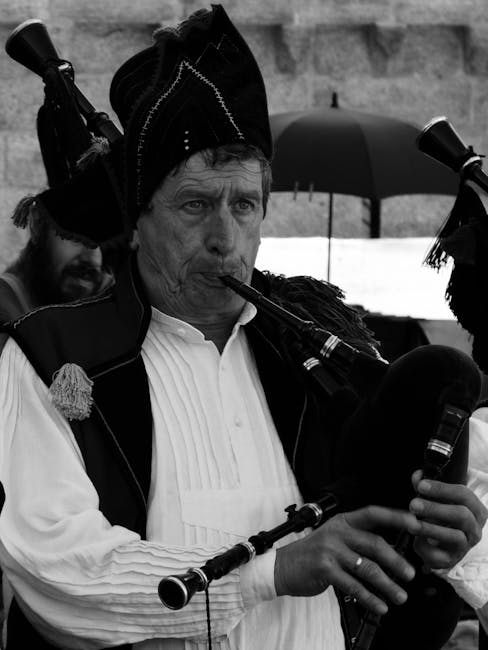
The museum is dedicated to Galicia’s material and immaterial culture: rural architecture, tools, traditional costumes, wood and textile crafts, folk music (the gaita — Galician bagpipe), and rituals linked to religious festivals and processions. In the Compostela context, the Museo do Pobo Galego places the pilgrimage within local everyday life: how hospices were organized, how crafts supplied church ornaments, and how popular culture fed Jacobite devotion.
The displays favor immersion: reconstructed rural interiors, audio presentations of traditional tunes, and periodic demonstrations of traditional skills (weaving, leatherwork). The museum runs lecture series, traditional music concerts and educational workshops for children. For visitors, it’s a chance to see Galicia as a living region — its languages (Galician and Spanish), its fiestas (romarías), its exchanges with pilgrims, and the ways faith expressed itself through popular practices.
Practical tip: pair the visit with a walk around Bonaval — the gardens and terraces offer lovely views over the old town. The museum houses a specialist library on Galician ethnography — consultable by appointment. If you’re looking for authentic souvenirs, the museum shop sells local crafts, CDs of Galician music and critical editions about regional culture.
Centro Galego de Arte Contemporánea (CGAC): Dialogue Between Memory and Creation
The Centro Galego de Arte Contemporánea (CGAC) occupies a distinctive place in Compostela’s story: it challenges and reframes religious heritage through contemporary art. Address: Centro Galego de Arte Contemporánea, Rúa San Domingos de Bonaval, s/n, 15702 Santiago de Compostela, A Coruña. Phone: +34 981 54 91 00. Hours: usually open Tuesday to Sunday, 11:00–20:00; closed on Mondays. Admission to temporary exhibitions varies (generally €3–6), with reduced rates and occasional free days.
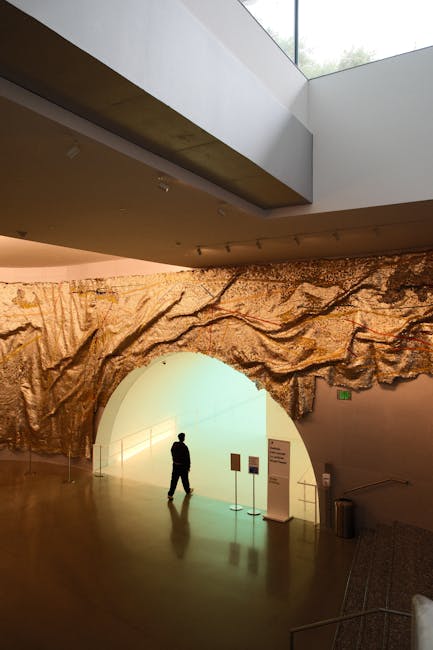
CGAC’s programming often questions how history and religion are represented today: video installations about mobility, documentary photography of contemporary pilgrims, works that revisit sacred imagery, and participatory projects involving residents and visitors. Housed in a modern building — designed by architect Álvaro Siza Vieira (or attributed locally) — the center provides a stark architectural contrast to the old stone of the historic center, underscoring the dialogue between tradition and modernity.
Temporary shows frequently take interdisciplinary approaches: a retrospective on the Camino in contemporary art, or a sound‑mapping project of pilgrimage routes. The CGAC also offers educational activities (family workshops, artist residencies, lectures) and supports research into contemporary cultural practices. For visitors it’s a place to reflect: how are ancient stories reinterpreted by today’s artists?
Practical tip: check the exhibition program before you go. The CGAC often collaborates with international institutions; some shows require booking for guided visits. After your visit, stroll along the park around the Museo do Pobo Galego for a visual contrast between urban landscape and contemporary composition.
Museo Diocesano and Annex Spaces: Archives, Treasures and Research
The Museo Diocesano de Santiago rounds out the museum scene with its ecclesiastical collections, archives and temporary exhibitions focused on local church life. Address: Museo Diocesano de Santiago, Rúa do Vilar, 63, 15705 Santiago de Compostela, A Coruña. Phone: +34 981 58 02 20. Hours: often open Tuesday to Sunday, 10:00–18:00; closed on Mondays. Admission: usually around €3, reduced about €1.50.
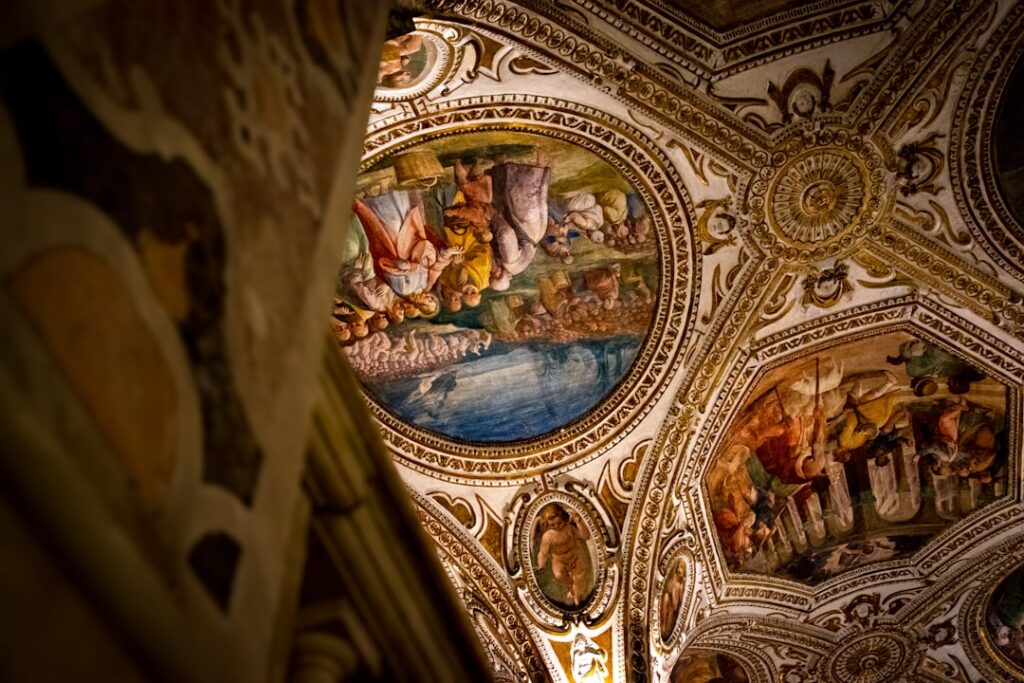
The museum displays religious paintings, sculpture, goldsmithing and items from rural parishes across Galicia. What sets the Museo Diocesano apart is its role as keeper of a distributed memory: it preserves goods from remote village churches and tells the story of how liturgical objects — shrines, statues and other pieces — travelled to Compostela to be restored and conserved. The museum also provides documentary resources for researchers: parish inventories, confraternity registers, and restoration files.
In addition, several small monastic museums and private archives (for example those of the San Martín Pinario monastery and the Faculty of Theology) offer specialized views on particular aspects of religious and artistic history. Restoration workshops, sometimes open to the public during themed days, provide a hands‑on learning experience: watch a restorer at work, learn consolidation techniques for paintings, or see how historic textiles are cleaned.
Local tip: if you have a specific interest (archives, art objects), contact the Museo Diocesano to arrange an appointment with the curator. Many important pieces originate from rural parishes; a themed guided tour can illustrate the journey of these objects and reveal historical ecclesiastical networks. Photographers should check shooting conditions — some institutions require authorization for professional use.
Practical Tips for Planning a Museum Route in Compostela
Putting together a museum itinerary in Compostela requires a few choices: favor geographic proximity, balance religious heritage with ethnography and contemporary art, and account for liturgical schedules. Here are practical recommendations to get the most from the museums described:
- Plan by season: in high season (May–September) opening hours are longer but crowds grow. Visit the cathedral and its museum early in the morning, and save afternoons for the CGAC and the Museo do Pobo Galego.
- Combo tickets and discounts: the cathedral often offers combined tickets (museum + treasury circuit + Pórtico de la Gloria). Students and seniors usually get reduced rates; keep ID handy.
- Check official hours: many museums are closed on Mondays. Public holidays and Holy Week can alter openings; consult official sites or call the numbers listed in this guide.
- Make time for immersion: attend a pilgrim’s mass, listen to a folk music concert or join an artisan workshop to complement the museum narratives.
- Transport and access: the old town is compact — walk as much as possible. Parking is limited; favor public transport (intercity buses, the train station “Estación de Santiago” on Avenida de Ramón Ferreiro).
- Respect and behavior: in ecclesiastical museums observe moments of reflection, keep noise to a minimum and follow photo rules (some institutions prohibit photography).
Finally, pair your museum tour with a broader exploration: specialist bookshops (for example Librería Couceiro on Rúa do Franco), local craft workshops, and traditional eateries where you can try a ración of polbo á feira (Galician‑style octopus). These off‑museum experiences give flesh to what you’ve seen in displays, making Compostela’s history truly alive.
Conclusion: Museums as Mediators of a Living Memory
Santiago de Compostela’s museums are more than glass cases: they are mediators where a living history is constantly reworked. From the Museo de las Peregrinaciones y de Santiago, which retraces routes and practices, to the Museo Catedralicio, which conserves and interprets liturgical treasures, and on to the Museo do Pobo Galego and the CGAC, which articulate regional identity and contemporary creation — each institution offers a different doorway into understanding the place.
These museums make the complexity of Compostela legible: material and immaterial routes, economic exchanges, religious practices, everyday lives and contemporary transformations. They also provide concrete tools — exhibitions, archives, mediation, workshops — so visitors and researchers can engage with primary sources. For today’s visitor, discovering Compostela means exploring not only the cathedral’s stone but also the displays, texts and stories curated in these museum spaces.
Visiting Santiago’s museums is accepting a layered journey: objects tell lives, documents reveal networks, and contemporary exhibitions invite us to rethink heritage. When you go, expect a multifaceted experience: moments of reflection, scientific discoveries, encounters with contemporary creation, and immersion in a strong regional culture. Don’t forget to check hours and prices before you leave, book when necessary, and choose less crowded times for a more intimate visit.
In short, Santiago de Compostela’s museums are essential for anyone wanting to understand not just what the pilgrimage was, but what it has become — a living phenomenon reinvented by each generation. They tell the story of a city that has balanced the sacred and the everyday, memory and innovation, offering visitors a full, documented and sensitive account of Compostela’s living history.