





Introduction: why Santiago de Compostela Cathedral is unmissable
Santiago de Compostela Cathedral (Catedral de Santiago de Compostela) is far more than a religious building: it’s the end point of one of the oldest and most famous Christian pilgrimages in the world, the Camino de Santiago. Nestled in the heart of the UNESCO-listed old town, the cathedral blends Romanesque, Gothic and Baroque art, living rites, local traditions and a unique atmosphere that draws pilgrims, sightseers and history lovers alike. Understanding the cathedral means taking in architectural masterpieces, hearing bells that mark city life, and feeling the symbolic power of the tomb of the Apostle James the Greater (Santiago).
For visitors, a trip to the cathedral benefits from a bit of planning: some areas are freely accessible public spaces, while others — chapels, a museum, protected zones, guided tours (notably the rooftop or « cubiertas » tours), and public ceremonies — may be restricted or ticketed. The most famous ceremony is the Pilgrim’s Mass (« Misa del Peregrino »), during which, on certain days, the spectacular Botafumeiro (the giant swinging thurible) may be operated. Beyond the spiritual side, allow time to linger: the Pórtico de la Gloria (or what remains of it and its reproductions), the ornate Baroque main altar, the crypt housing the apostle’s tomb, the side chapels and the cloisters all deserve slow, attentive exploration.
This practical, general guide offers an immersive visit plan: where to go exactly (precise addresses), typical prices and opening hours for museum and rooftop tours (including reduced tickets), the must-see highlights, and local tips to make the most of your stop — when to come to avoid crowds, how to attend the Pilgrim’s Mass, how to book the rooftop visit, plus guidance on signage, expected behavior (silence, dress code) and photo opportunities. Practical details include exact addresses such as Praza do Obradoiro, s/n, 15705 Santiago de Compostela, A Coruña, Spain, and useful contacts like the Oficina del Peregrino (Rúa do Vilar 1, 15705).
Finally, you’ll find historical and architectural context: the cathedral’s role in shaping Galician identity, which elements date from the 12th century and which are 18th-century additions, and how the site balances devotion and tourism today. Whether you’re a pilgrim, an art enthusiast or a traveler seeking authenticity, this guide will help you prepare a respectful, rewarding and memorable visit.
1) The main façade and Praza do Obradoiro: a monumental welcome and great viewpoints
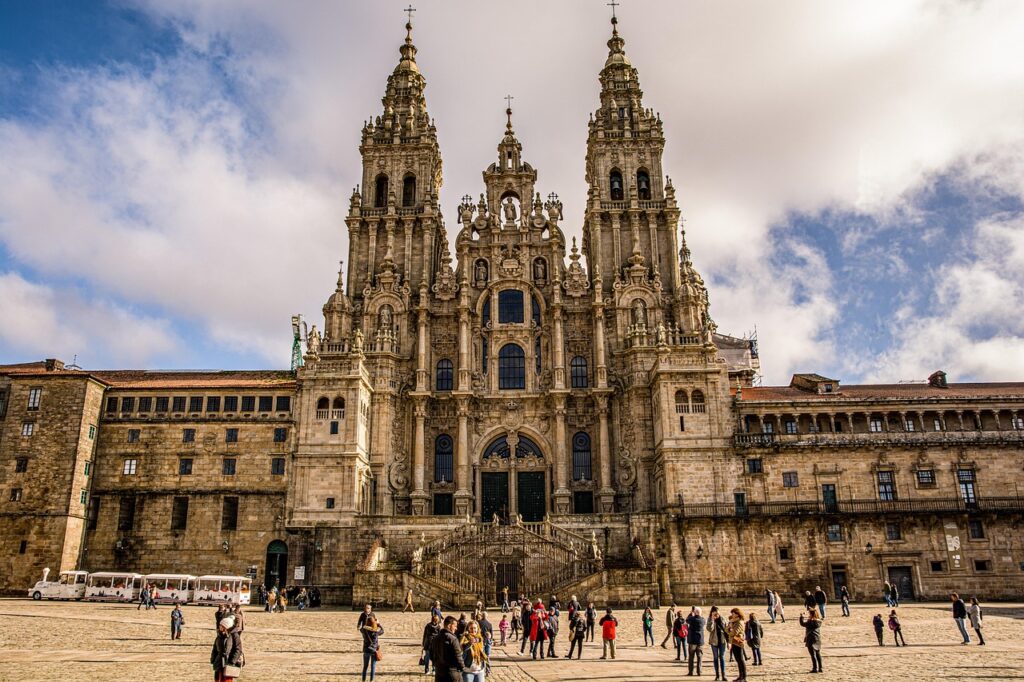
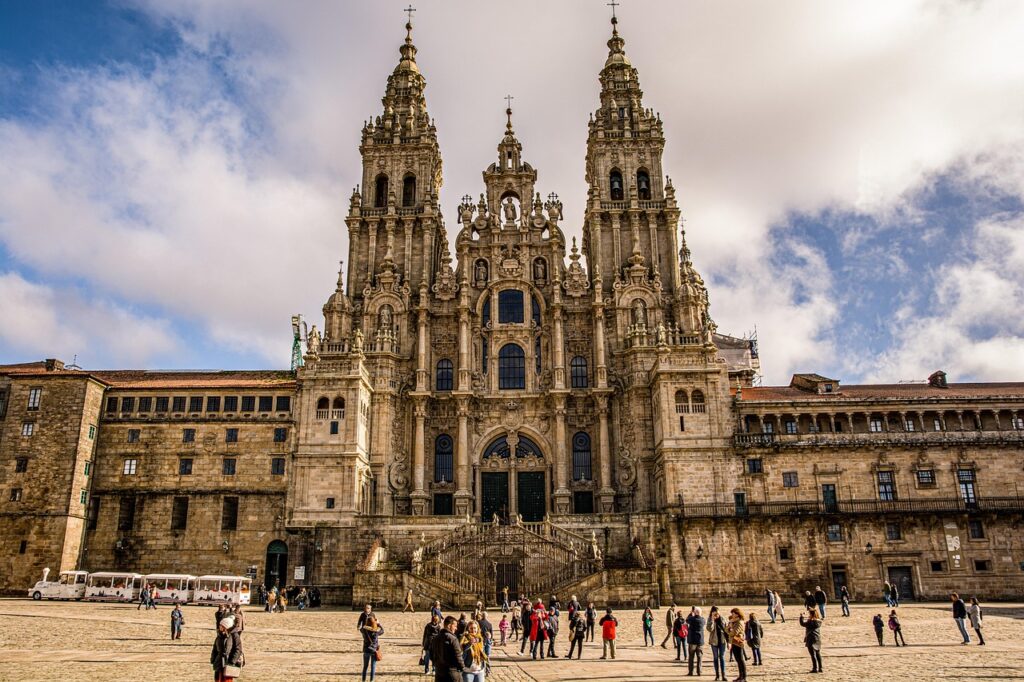
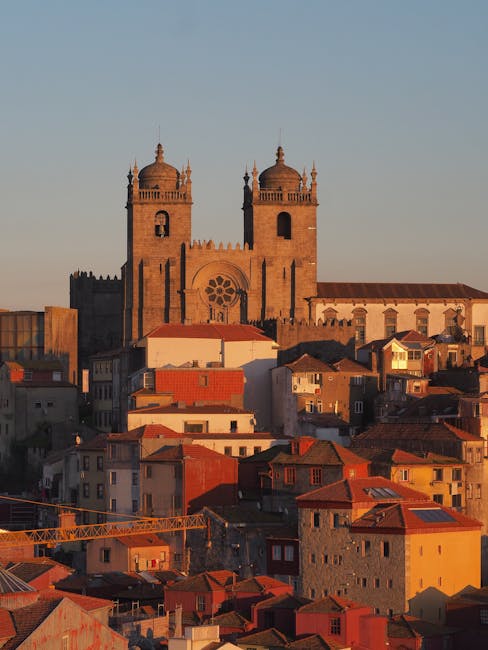
Your first impression comes from the western side: Praza do Obradoiro (Praza do Obradoiro, s/n, 15705 Santiago de Compostela, A Coruña, Spain) is the main public square where you face the cathedral’s Baroque façade, flanked by two iconic buildings — the Hostal dos Reis Católicos and the Pazo de Raxoi. The current façade (the Façade of the Light) results from Baroque remodelling carried out in the 17th–18th centuries; it impresses with its wealth of sculpture and the balanced silhouette of its towers. The square is often full of tired yet radiant pilgrims finishing their Camino.
Practical tips: arrive early in the morning (or late afternoon) for soft light for photos and to avoid large tour groups. The square is open 24/7, free to access; most shops and cafés around it open from about 09:00. For paid interior visits, enter the cathedral through the designated doors; the forecourt is a reliable meeting point for tourist services and ticketing.
Nearby points of interest:
- Hostal dos Reis Católicos (Praza do Obradoiro, 1, 15705 Santiago de Compostela) – the former pilgrims’ hospital now a Parador hotel, with a Plateresque façade and public access to the courtyard; cafeteria meal prices vary (expect €8–€25 for a main course).
- Pazo de Raxoi (Praza do Obradoiro, 1) – town hall and provincial government seat, clearly visible from the square.
2) Inside: nave, main altar, Pórtico de la Gloria and the apostle’s tomb
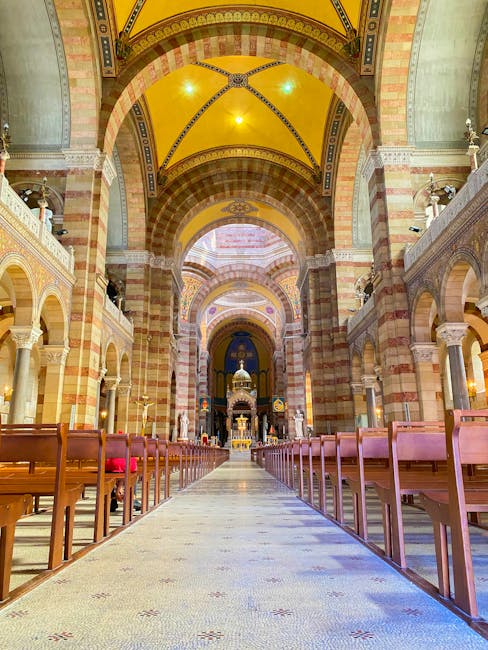
Entering Santiago de Compostela Cathedral is like stepping through layers of history: the Romanesque nave with its massive vaults, the richly decorated Baroque main altar, and the Pórtico de la Gloria — a medieval sculptural masterpiece by Master Mateo from the 12th century. The official cathedral address for correspondence and visits is: Catedral de Santiago de Compostela, Praza do Obradoiro, s/n, 15705 Santiago de Compostela, A Coruña, Spain. General entry to most liturgical areas is usually free (voluntary donations), but some areas and services require paid tickets (see the museum and rooftop sections).
Pórtico de la Gloria: this central masterpiece on the western side of the nave is made up of hundreds of carved figures depicting biblical scenes, apostles, prophets and angels. After recent restorations, direct access to the portal can be limited for conservation reasons; however, you can still admire its details from the nave or through museum displays. If you love Romanesque art, take time to study the faces, gestures and the narrative rhythm of the sculpture.
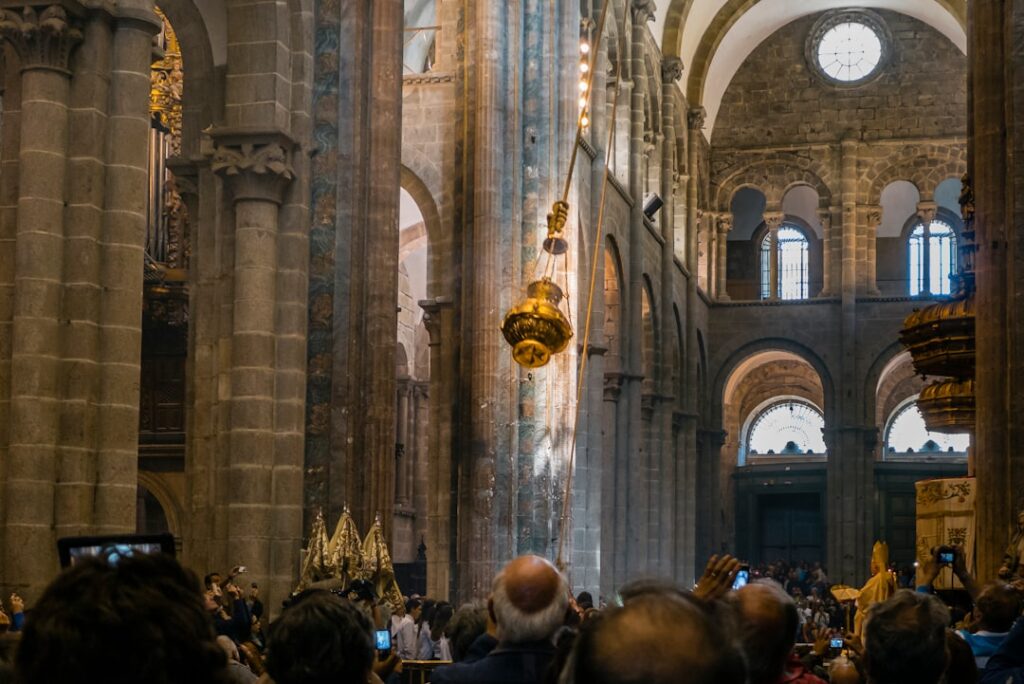
The tomb (Tumba de Santiago) and the crypt: beneath the main altar sits the shrine attributed to the Apostle James the Greater. The crypt is a sacred area where people often pray, and where visits may be paused for religious services — it’s a space of quiet reverence. Be mindful of mass times and avoid photography during rites. The signature Mass for pilgrims is the Misa del Peregrino (Pilgrim’s Mass), usually held around 12:00 (times vary by season and liturgical calendar); on certain occasions the Botafumeiro, a huge censer, is swung on cables above the nave.
Typical opening hours: the cathedral generally welcomes visitors from around 07:00 to 20:30 (times may vary by season or special events). Always check the notice board at the entrance or the cathedral’s official site for temporary changes. Rules: keep quiet, show respect for religious services, dress modestly (no swimsuits or very short tank tops) and note that flash photography is partially restricted inside.
3) Museum, treasury and rooftop visits: prices, opening times and practical advice
The cathedral runs several paid activities that help you dive deeper into its story and access unusual areas: the Museo Catedralicio (cathedral museum), the treasury, the sacristy and the visita a las cubiertas (rooftops tour). These spaces operate with specific opening times and fees. Typical information (subject to change):
- Museo Catedralicio / Museo de la Catedral – Address: Praza do Obradoiro, s/n, 15705 Santiago de Compostela. Indicative price: €6.00 full price, €4.00 reduced (students, seniors, groups); typical hours: 10:00–19:00 (high season); closures possible during liturgical events. The museum displays liturgical objects, relics, priestly vestments, manuscripts and explanatory panels in multiple languages.
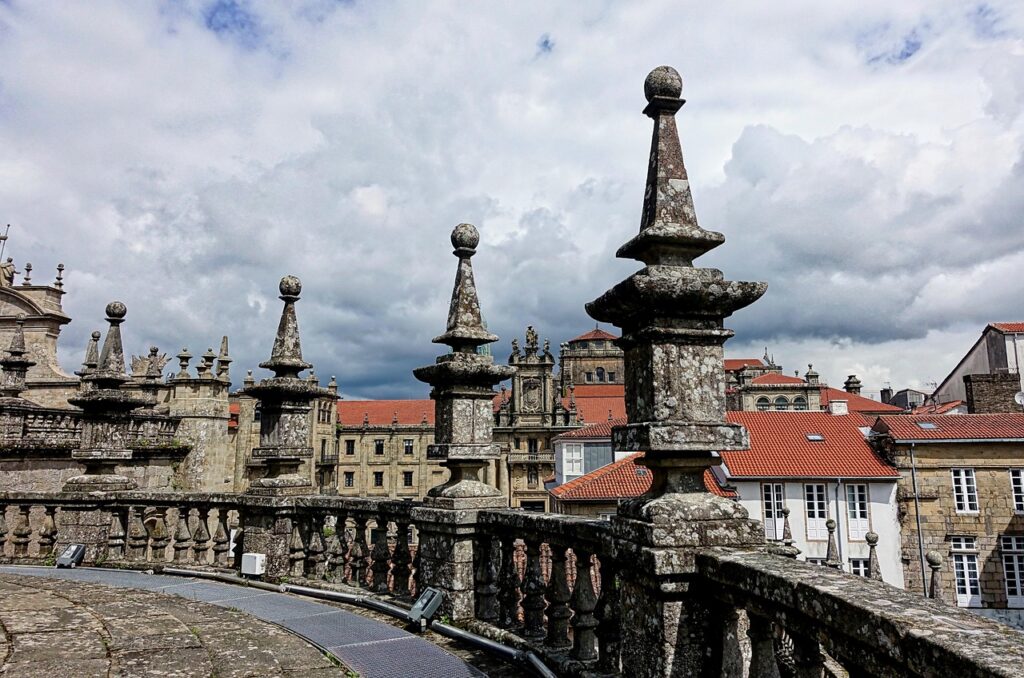
- Rooftop visits (Visita de las cubiertas) – Starting point: cathedral ticket office or Oficina de Turismo. Indicative price: €12.00 full price, €8.00 reduced; duration: 45–60 minutes; access is limited and usually run in small groups for safety reasons. The tour lets you walk on the roofs, study the gargoyles and roof structures, and enjoy panoramic views over the old town and Praza do Obradoiro.
- Treasury and sacristy – Often included in the museum circuit or a combined ticket. Sacristy visits showcase antique furniture, chalices and remarkable pieces of goldsmithing.
Booking tips: rooftop tours have limited capacity and fill up fast, especially in summer. Book ahead via the cathedral’s official website or at the Oficina del Peregrino (Rúa do Vilar, 1, 15705 Santiago de Compostela, Tel. +34 981 58 33 33 — hours roughly 09:00–20:00 depending on season). If you’re a pilgrim and need a Compostela certificate, go to the Pilgrim’s Office for information on collection times.
Accessibility and recommendations: rooftop tours require a good physical condition (stairs, narrow passages); wear comfortable, non-slip shoes. The museums offer multilingual audioguides (expect an extra €3–€5) and informative panels; staff can explain the history of the objects. Note that many exhibits are behind glass: don’t touch and follow safety instructions.
4) Side chapels, cloister and living rituals: intimate spaces and traditions
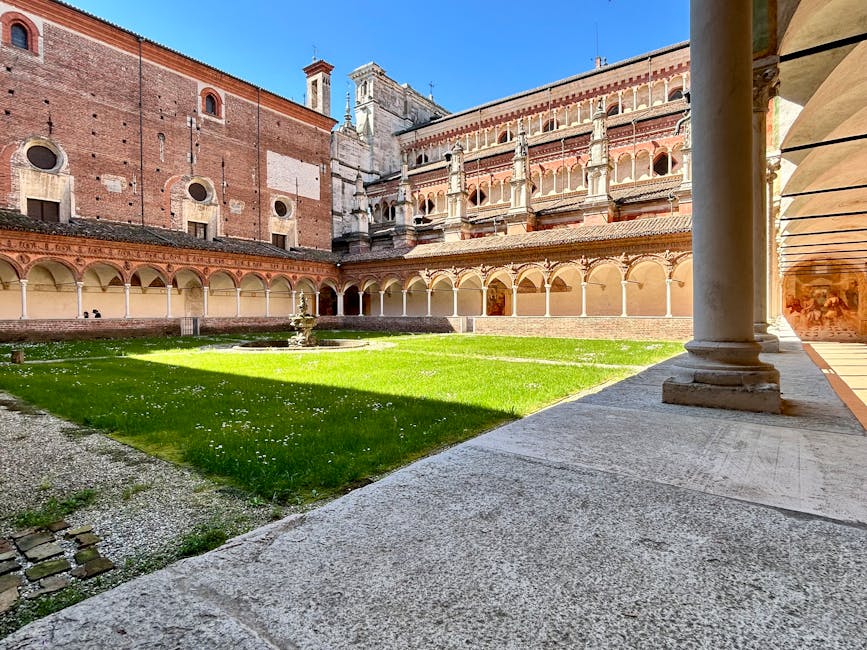
Beyond the nave and the main liturgical area, the side chapels, the cloister and adjoining spaces reveal the cathedral’s everyday life. Chapels such as the Capilla del Salvador and the Capilla de la Corticela house altarpieces, relics and interesting paintings. The cloister, intricate and elegant, offers a quieter architectural setting with portals and galleries ideal for contemplation.
Rituals and liturgy: religious life at the cathedral is active: daily services, vespers, special masses for pilgrims and ceremonies for major feasts (St. James’ Day on July 25). The Pilgrim’s Mass, usually around 12:00, is designed to welcome and bless arriving pilgrims — readings are often read in several languages and you may see pilgrims wearing their symbols (staffs, shells). The great Botafumeiro, though rare, is used on special occasions and during major celebrations; check the cathedral’s liturgical calendar for exact dates.
Local tips: for a more intimate experience, explore the north and south sides of the building in late morning or late afternoon when sunlight filters through the side windows. Respect prayer spaces: avoid noisy tours during services; signs indicate areas where photography is forbidden. If you want to attend a specific ceremony (baptism, blessing of pilgrims), contact the sacristy in advance using the cathedral’s contact details.
Nearby services: besides the Oficina del Peregrino, the cathedral has an official shop (religious souvenirs, pilgrimage medals, guides in several languages) where you can buy the famous scallop shell; prices range roughly €2–€25 depending on quality. Practical note: most cafés and restaurants around the cathedral accept cards; small shops often close between 14:30 and 17:00 in low season.
Conclusion: plan your visit for a full and respectful experience
Visiting Santiago de Compostela Cathedral mixes practical preparation with openness to emotion. The essentials include the monumental façade on Praza do Obradoiro, the Pórtico de la Gloria, the crypt with the apostle’s tomb, the Baroque main altar, the museum and rooftop visit, and the side chapels and cloister. Each area has its own hours and fees (for example Museo Catedralicio ≈ €6.00; rooftop visit ≈ €12.00, with reductions for students and seniors), so double-check current times on the cathedral’s official site or at the Oficina del Peregrino (Rúa do Vilar, 1, 15705 Santiago de Compostela, Tel. +34 981 58 33 33).
Essential local tips: arrive early to avoid crowds and enjoy morning light on the façade, book the rooftop tour in advance if you plan to do it, respect silence and liturgies, and check the schedule if you want to see the Botafumeiro in action. Dress modestly out of respect for the sacred setting and wear comfortable shoes if you plan to walk the roofs. Finally, take time to wander the adjacent streets — the old town is full of cafés, specialist bookshops and workshops that extend the pilgrimage experience.
The cathedral is a living site: it’s experienced with more than just the eyes — by ear (chants, bells), by smell (incense during services) and by heart. Whether you come for spiritual reasons, a passion for Romanesque and Baroque art, or simple cultural curiosity, the building offers many layers of meaning and feeling. With respect, a little planning, and time to pause and take it in, your visit can become a memorable moment in the heart of one of Europe’s great heritage sites.