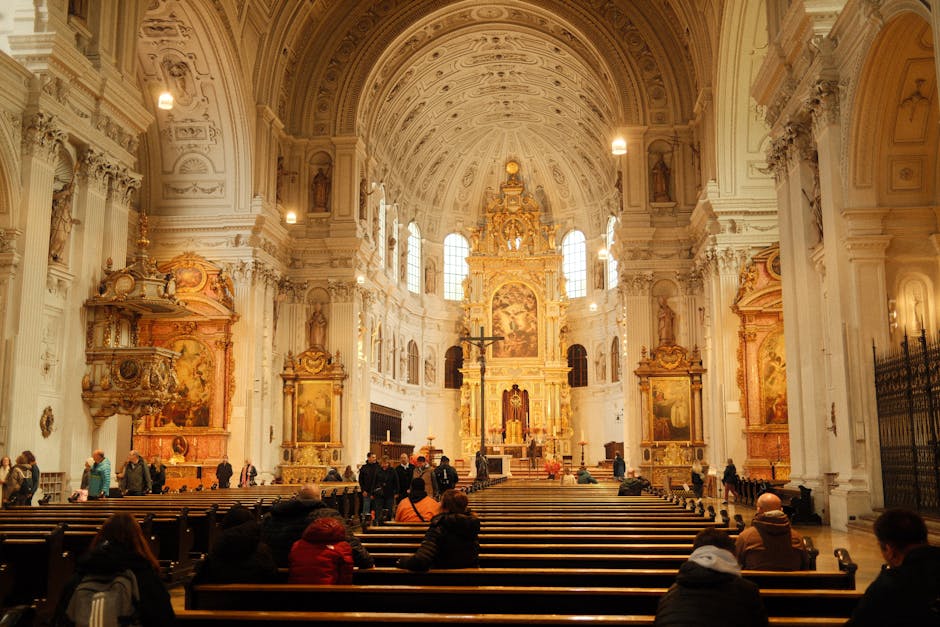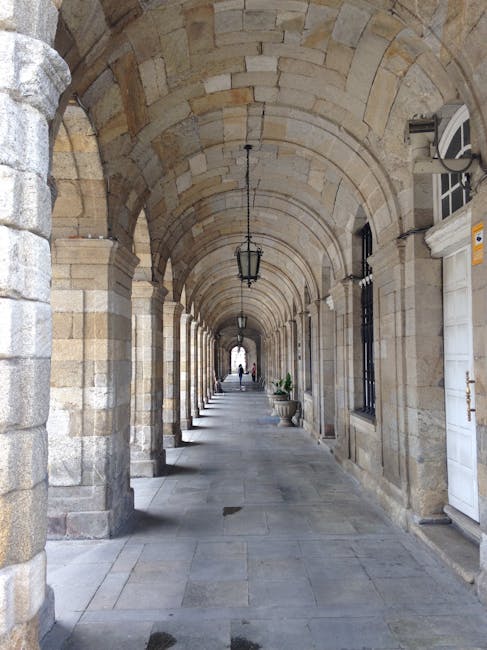





Introduction: Hidden heritage — chapels and cloisters to visit in Santiago de Compostela
Santiago de Compostela is far more than the end point of an age-old pilgrimage; it’s a city where stone tells stories, cloisters breathe silence, and chapels hide treasures of sacred art that often escape the hurried tourist stream. Beyond the majestic Cathedral and the famous Plaza del Obradoiro, there’s a constellation of sacred spots — small chapels, quiet prayer spaces, monastic complexes and cloisters — that offer an intimate glimpse into faith, religious architecture and the daily life of the orders that shaped Galicia. This guide will lead you to those hidden gems, with addresses, opening times, admission info, immersive descriptions and practical tips to get the most out of each stop.
Santiago’s religious heritage is written as much in the soaring naves as it is in the shadowed corners of cloisters: columns smoothed by generations, capitals carved with vegetal motifs and fantastic beasts, mural paintings revealing medieval pigments, and reliquaries whose veneration shaped the urban fabric. Cloisters, in particular, are islands of calm where you can still sense the rhythm of canonical offices and monastic life. Some chapels, integrated into cathedral complexes or convents, shelter baroque altars, polychrome reredos and relics tied to the earliest days of the pilgrimage. To understand these spaces is to understand how Santiago combined spirituality, ecclesiastical power and artistic expression over more than a millennium.
This guide offers a selection of sites open to the public, chosen for their historical value, architectural quality and the sensory experience they provide. For each site you’ll find the exact address, typical opening hours, entrance fees where applicable, a detailed description that invites contemplation and practical advice — when to visit to avoid crowds, which sculptural elements to look out for, or how non-Catholic visitors can approach attending a mass. Practical details (addresses, hours, prices) are provided to help you plan, but note they can change with the season, liturgical celebrations and restoration work; check official sites before you go.
Visiting these chapels and cloisters also gives you private pauses inside the city: shaded cloister benches for reading, stairways that lead to unexpected rooftop views over red tiles, or quiet moments before gilded reredos. Whether you’re a pilgrim, a lover of sacred art, a photographer or a curious traveler, this guide emphasizes respectful discovery and immersive experience. Pack comfortable shoes, a notebook to jot down details that move you, and let the stone and the light of Santiago lead the way.
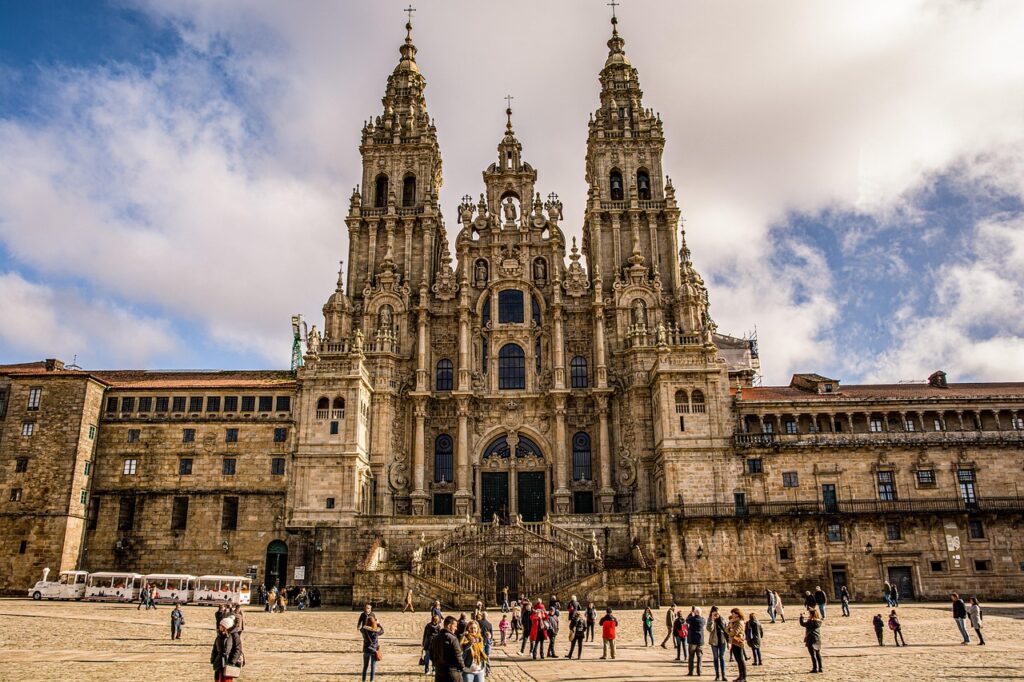
The symbolic heart: Santiago de Compostela Cathedral and its cloister
Full name: Catedral de Santiago de Compostela (Catedral Basílica Metropolitana de Santiago)
Address: Plaza del Obradoiro, s/n, 15705 Santiago de Compostela, A Coruña, Spain
Opening hours: The Cathedral is open daily; hours vary:
- Interior and basilicas: generally 07:00 – 21:00 (hours may extend in summer)
- Masses: see daily notices; pilgrim’s mass usually at 12:00
- Access to the Museum and the Guided Visit (roof/portal): often 10:30 – 19:30, closed on some public holidays
Prices:
- Access to the Cathedral: free for most liturgical spaces (donations recommended)
- Museo Catedralicio (Museum): around €8.00 (indicative)
- Guided visit to the roof/portico (sculptures, views): combined with the museum €12.00–15.00 depending on options
- Combined tickets and discounts for students/seniors: check the official site
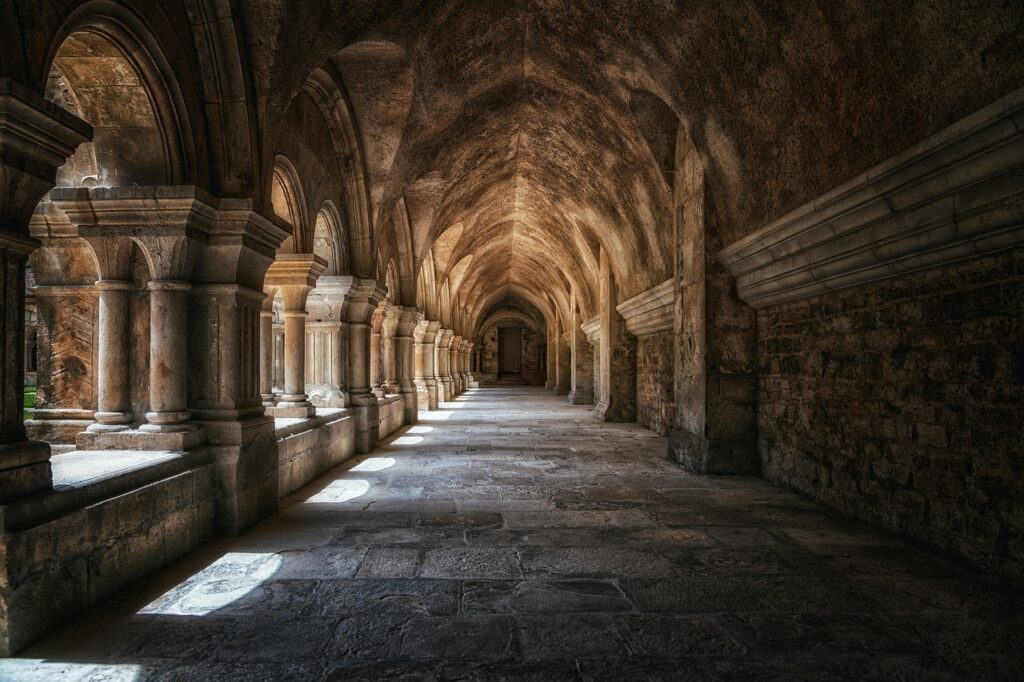
The Cathedral of Santiago is the symbolic heart of the city and of the Camino de Santiago. Beyond the baroque Obradoiro façade, venture into the less obvious spaces: the Capilla mayor housing the main altar, the Capilla de las Reliquias with fragments and liturgical objects, and above all the Claustro de la Catedral, a Cistercian cloister reshaped over centuries. The cloister is notable for its silent galleries, historiated capitals and the golden patina of stones polished by centuries of pilgrims.
For an immersive visit, arrive early in the morning: the low eastern light casts graphic shadows across the cloister arcades and brings out the fine carvings on the capitals. Don’t miss the Capilla del Pilar (located in the ambulatory), a discreet devotional space rich in baroque art and gilding. If the botafumeiro is scheduled (used during major feasts or special masses), try to attend: it’s a multisensory event — the giant censer swinging through the nave fills the space with scent and mystery.
Local tips:
- Book the roof visit online if you want panoramic views: spots are limited.
- Respect services: if a mass is taking place, some areas may be off-limits to visitors.
- Check photography rules for interiors (flash is often prohibited).
Monasterio de San Martín Pinario: the monumental cloister and revived monastic life
Full name: Monasterio de San Martín Pinario
Address: Plaza de la Inmaculada, s/n, 15705 Santiago de Compostela, A Coruña, Spain
Opening hours:
- Church and accessible spaces: generally 10:00 – 20:00 (extended summer hours)
- Access to cloisters and religious museum (indoor visits): 10:00 – 18:00 (may vary)
Prices:
- Guided visit / museum entry: around €3.00 – €6.00 (depending on exhibitions and audio guides)
- Group rates and reduced fares (students, seniors) may be available: inquire on site
The Monasterio de San Martín Pinario is one of Spain’s largest monastic complexes and the most imposing in Santiago after the Cathedral. Located on the Plaza de la Inmaculada, facing the cathedral but slightly set apart, its cloister is a striking example of Galician baroque monumentality. The cloister galleries open onto side chapels, chapter rooms and wood-paneled libraries with a worn patina. The monastery’s church features a dense baroque altarpiece heavy with gilding and sculpture — a visual festival that contrasts with the Cistercian simplicity of other cloisters.
Strolling through the cloister invites a slow pace: worn stone floors, round arches and filtered light create an atmosphere perfect for studying carved details — grotesque faces, fantastic animals and vegetal motifs. The monastic museum also displays liturgical ornaments, sacerdotal garments and reliquaries that place monasticism in the context of daily life and ritual. Architecture lovers should spot the different construction phases visible in the masonry: from Romanesque foundations to late baroque campaigns.
Local tips:
- Combine this visit with the cathedral: both can easily be seen on foot in a half-day.
- If you’re looking for a quiet spot to read or write, the cloister benches offer an ideal atmosphere outside mass times.
- During busy periods (religious festivals, summer months), aim for a morning or late-afternoon visit to avoid tour groups.
Monasterio de San Paio de Antealtares and small secret chapels
Full name: Monasterio de San Paio de Antealtares
Address: Praza de Quintana, s/n, 15705 Santiago de Compostela, A Coruña, Spain
Opening hours:
- Church and cloister: generally 09:00 – 19:00 (hours vary with offices)
- Occasional guided visits: according to programming and group bookings
Prices:
- Access to the church: often free (donations appreciated)
- Guided visits to the cloister and conventual spaces: variable rates €2.00 – €5.00
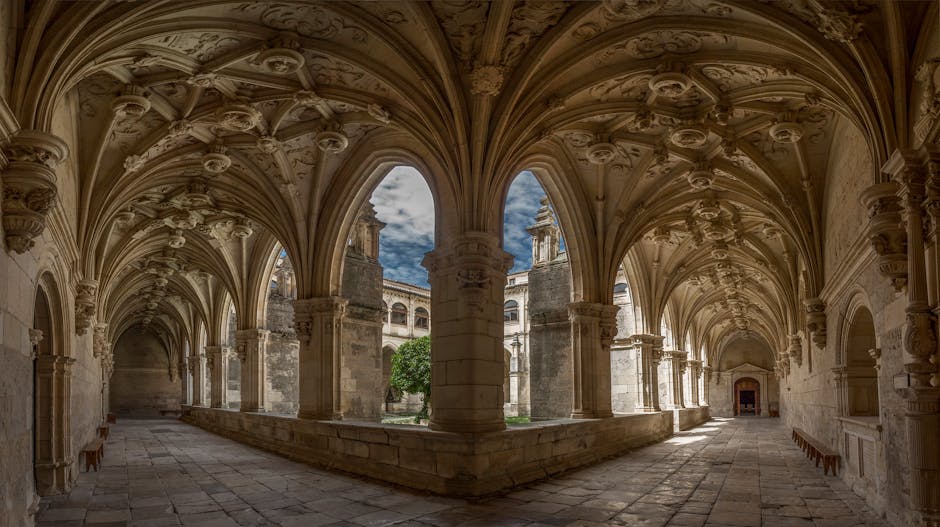
The Monasterio de San Paio de Antealtares is a medieval foundation at the northern edge of the historic core, very close to the cathedral yet retaining a quieter atmosphere. An old Benedictine convent, its church and cloister were rebuilt through the centuries, combining Romanesque, Gothic and Baroque elements. Treasures to look for include finely decorated side chapels, baroque reredos and tombs of local ecclesiastical figures. The cloister, more intimate than San Martín’s, offers picturesque views over nearby roofs and photo angles perfect for capturing the place’s tranquility.
Not-to-be-missed small chapels:
- Capilla del Salvador: often used for private services; its interior decoration is discreet but rich in local iconography.
- Capilla de la Virgen del Carmen: a painting and reredos dedicated to the Virgin; the lighting is soft, ideal for prayer.
- Small oratories and funerary chapels: scattered through the complex, they testify to links between noble families and the monastery.
Practical tips:
- Enter gently and speak softly: monastic life, though reduced, still continues.
- If possible, attend a small morning office: the liturgical music and choir add a powerful emotional dimension to the spaces.
- Ask volunteers or local staff for anecdotes — they often know little-published details about the chapels.
Urban chapels and discreet gems: Santa María do Sar, Capilla de la Corticela and little churches
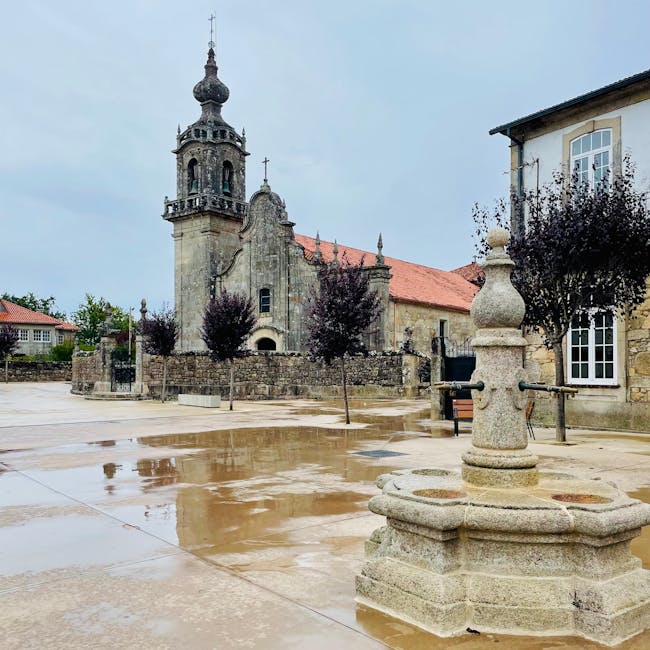
Beyond the large monasteries, Santiago is dotted with many chapels and small churches through the old town, each with its own personality. Notable examples include the Igrexa de Santa María do Sar, set on the banks of the río Sar and famed for its twisted columns and Gothic carvings, and the Capilla de la Corticela (also called Capilla de la Corticela del Carmen in some local references), a discreet chapel rich in decorative detail. These spaces are often less crowded and offer more intimate encounters with sacred architecture.
Igrexa de Santa María do Sar
- Address: Rúa do Sar, s/n, 15705 Santiago de Compostela
- Opening hours: generally 10:00 – 14:00 and 17:00 – 20:00 (times may vary)
- Price: free access, donations welcome
This small Gothic church is notable for its slender columns and carved capitals. Light filtering in from the río Sar creates subtle reflections on the walls, lending the interior an ethereal atmosphere. Sculpture enthusiasts should study the capitals and corbels closely, where zoomorphic motifs and odd faces hide.
Capilla de la Corticela
- Indicative address: in the maze of streets around the Plaza de Abastos (exact location varies by local naming)
- Opening hours: often open during services or by request
- Price: free or symbolic donations
The Corticela is one of those chapels you stumble on while wandering: a discreet doorway, a narrow porch, and then the interior with its worn reredos and ex-votos. These are perfect spots to stop for ten minutes, sit and watch locals come to leave a prayer. Parishioners are generally welcoming if you explain your interest in the heritage.
Exploration tips:
- Walk without a fixed route through the historic quarter: many chapels reveal themselves around a corner.
- Ask local shopkeepers: cafés and bookshops often have maps or stories about lesser-known chapels.
- Respect service times: even if access is allowed, be discreet during celebrations.
Practical tips for visiting Santiago’s chapels and cloisters
To make the most of these visits:
- Wear comfortable shoes: cobbles and stairs are everywhere.
- Carry some small change: some chapels request a modest contribution or sell brochures and postcards.
- Observe silence and photography rules: some chapels prohibit flash or any photography during services.
- Check service times if you want to attend mass: the presence of a discreet non-Catholic visitor is usually well accepted.
- Consider the weather: cloisters are pleasant even in rain, but for outdoor photos the morning light is often the most flattering.
Conclusion: Why explore these places and how to fit them into your trip
Exploring Santiago de Compostela’s chapels and cloisters means accessing a nuanced, human reading of the city’s history. These spaces, sometimes hidden behind modest façades or discreet doors, house works of art, material records of popular devotion and atmospheres that the grand basilica alone cannot convey. They reveal the diversity of sacred expression: from grand baroque spectacle to the intimate hush of a neighborhood chapel.
To plan your stay, combine iconic visits (the Cathedral, San Martín Pinario) with leisurely strolls to discover smaller chapels (Santa María do Sar, Corticela). Allow half-days to wander cloisters, note architectural details and soak up the atmosphere. If you’re traveling as a pilgrim, include these stops as moments of spiritual rest; if you’re an art lover or photographer, seek morning or twilight light for more evocative images.
Finally, remember these places are alive: they host communities, services and worshippers. Your curiosity is welcome provided it’s accompanied by respect and discretion. Before you go, check official parish or tourist office sites for up-to-date hours and prices, as they can change with the season and conservation work. By doing so you’ll not only enrich your own experience but also contribute to the preservation and recognition of these hidden heritages that make Santiago de Compostela unique.