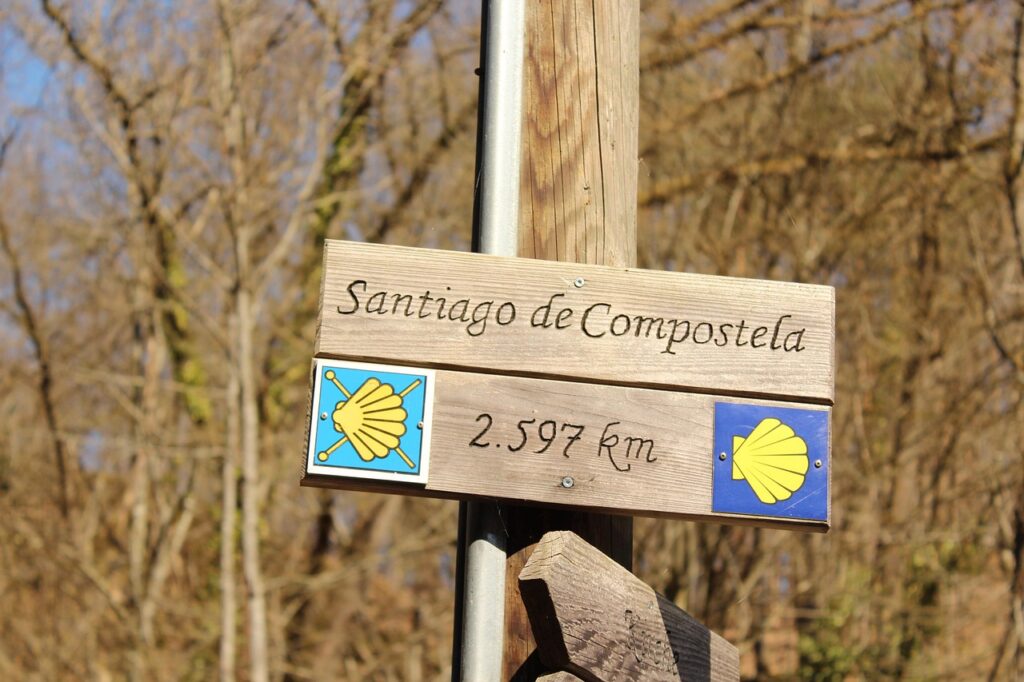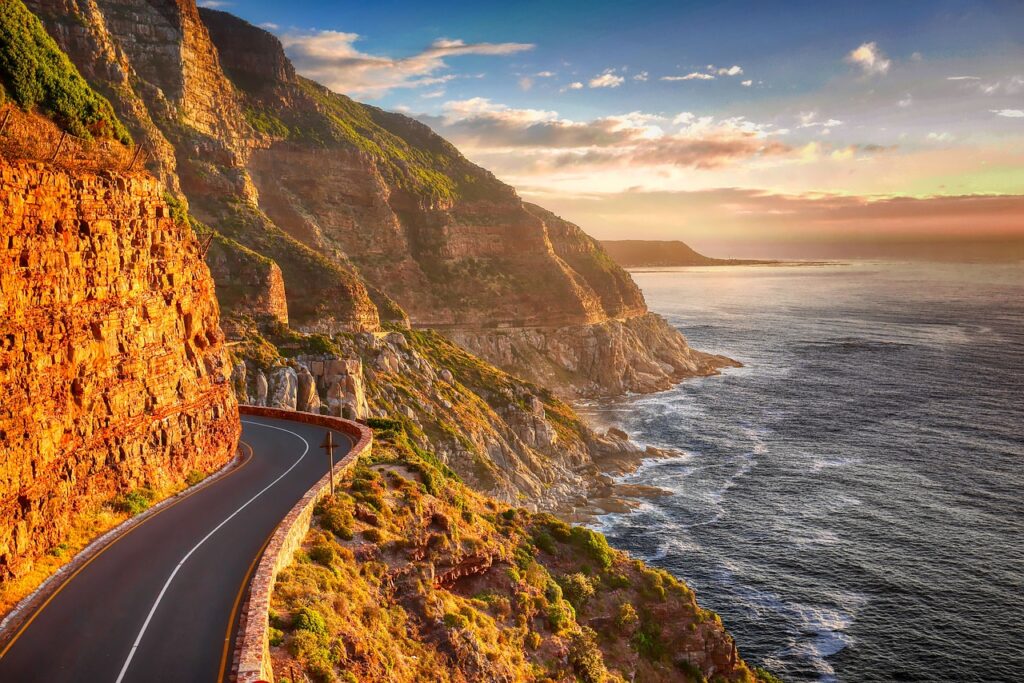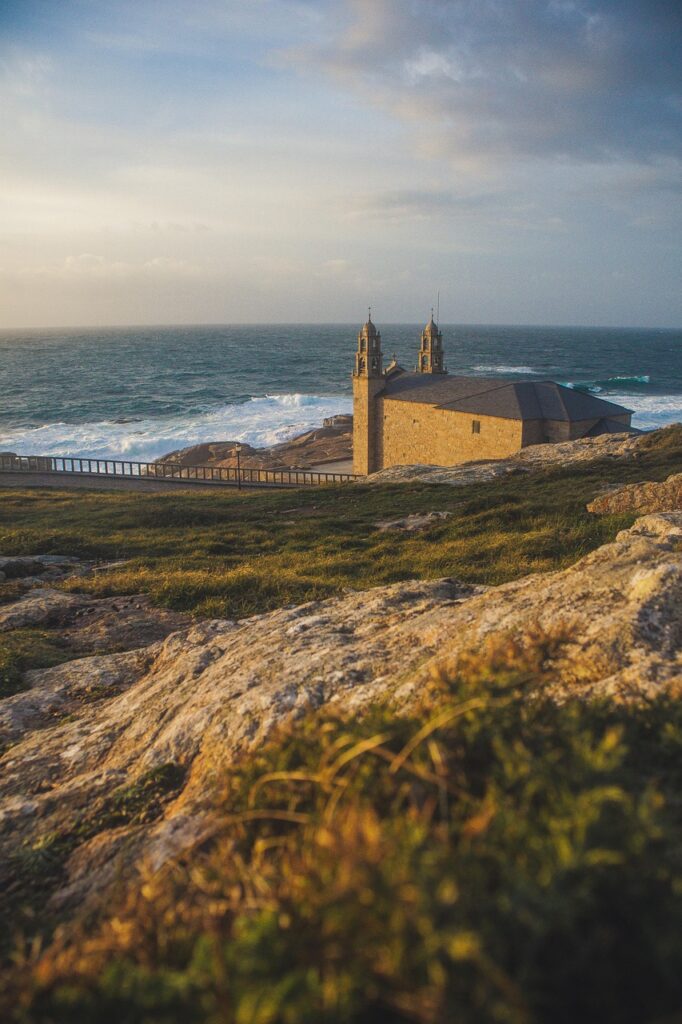






Introduction — Day trips from Santiago de Compostela
Santiago de Compostela is far more than the final destination for pilgrims: it’s an excellent base for exploring the surrounding Galicia, with its wild coasts, fishing villages and age-old hamlets. This article offers ten day-trip ideas from Santiago, aimed at travelers who want to uncover “hidden villages” — places with strong character, reachable by car or train, and offering an authentic experience away from the usual tourist trails. Each entry includes practical details: exact address, admission fees (when relevant), opening hours, an immersive description and local tips to get the most out of your visit.
The suggested routes cover a variety of moods: seaside villages with rows of hórreos, medieval towns, rugged headlands and Atlantic viewpoints. You’ll find recommendations for can’t-miss activities — wandering narrow lanes, tasting fresh seafood, visiting Romanesque churches, exploring small local museums — as well as practical advice on transport, parking and the best times of day to avoid crowds.
Each village is described precisely: address of the town center or tourist office, museum or monument fees in euros, opening hours (often seasonal), and options for travelers without a car thanks to local bus or train lines. Local tips include nuggets like “try the albariño at this bar” or “walk to that viewpoint at sunrise.” The approach is intentionally flexible: some itineraries suit a quick visitor (3–4 hours), while others require a full day to savor the food and the scenery.
Above all, these day trips favor authenticity over ticking boxes: linger on a village square to watch daily life, chat with artisans, or get happily lost in cobbled lanes rather than rushing through a list of sights. Addresses and hours given should be checked before you set off — especially out of season when schedules can change — but they’re detailed enough to plan a surprise-free day from Santiago de Compostela. Ready to lace up your walking shoes or take the car keys? Here are ten villages to discover, each accompanied by a visual snapshot to inspire you.
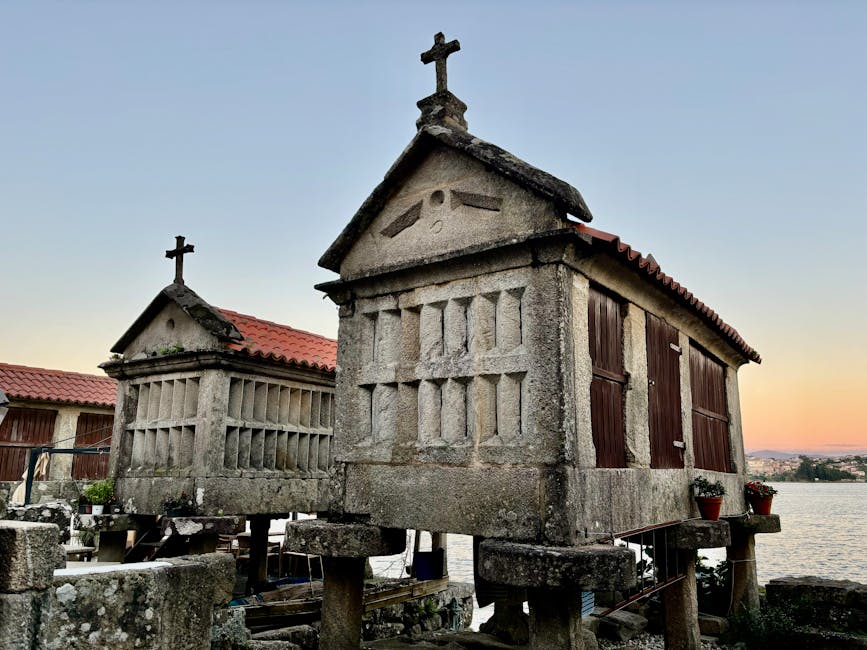
1. Combarro — The village of lined hórreos
Address: Rúa do Mar, 1, 36992 Combarro, Pontevedra, Spain.
Why go: Combarro is one of the most picturesque villages on the Ría de Pontevedra, famous for its stone hórreos (raised granaries) lined up along the quay and its narrow lanes sloping down to the sea. The atmosphere feels almost frozen in time: fishermen, tiny chapels and coastal houses follow one another in a well-preserved setting.
What to see: The waterfront promenade (Passeo Marítimo) and the church of San Roque (Praza de San Roque, s/n, 36992 Combarro). Price: free access. Hours: the promenade is open 24/7; the church is usually open for services (check with the local parish, often mornings and evenings). Don’t miss the small art galleries and craft shops along Rúa do Mar.
Where to eat: Tasca O Pescador, Rúa do Mar, 12, 36992 Combarro. Seafood dishes from around €12. Hours: 12:30–16:00 and 20:00–23:00 (hours vary by season). Tip: book in high season (July–August) and ask for dishes that pair with local albariño.
How to get there from Santiago: By car about 50 minutes (AP-9/PO-546). Bus: buses run from Santiago bus station (Alsa) to Pontevedra, then a local connection; allow ~2 hours depending on connections. Parking: small public lot at the village entrance (free off-season, €2–4/day in summer).
Local tip: Arrive at sunrise or late afternoon for beautiful light and fewer visitors. Wear grippy shoes for damp cobbles.
2. Muros — Maritime charm and medieval streets
Address: Praza do Concello, 1, 36940 Muros, A Coruña, Spain.
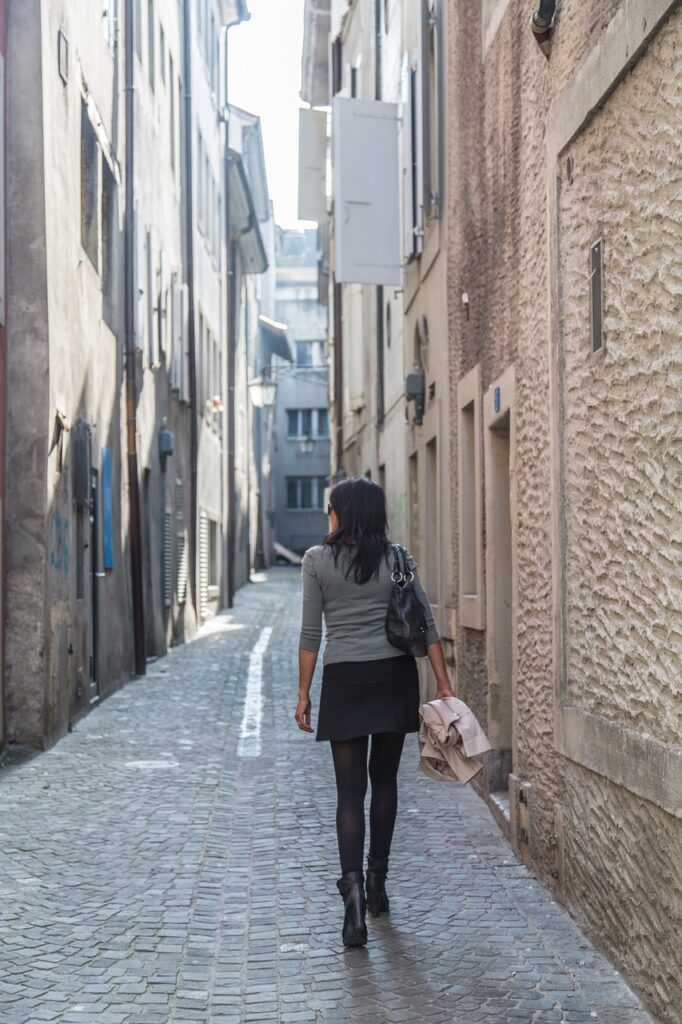
Why go: Muros is a historic port with a well-preserved medieval core: its main square, arcades and balcony-lined houses tell the story of a town oriented toward the sea. It strikes a nice balance between authenticity and tourist infrastructure — typical cafés, fishmongers and small beaches nearby.
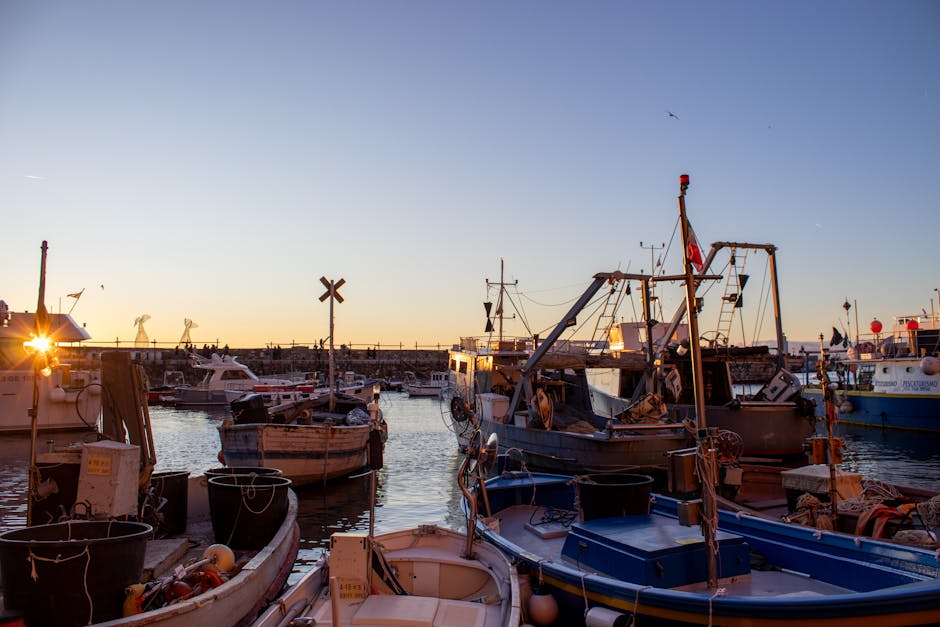
What to see: Convento de San Francisco (Praza García Naveira, s/n, 36940 Muros) — free access to the cloisters, though some areas may charge for temporary exhibitions (entrance €2–5). Hours: 10:00–14:00 / 16:00–19:00 in summer. Walk to the Torre do Reloj and the harbor to watch fishing boats coming in late afternoon.
Where to eat: Restaurante O Balado, Rúa da Fragua, 2, 36940 Muros. Daily dish around €10–15, fish specialties €15–30. Hours: 12:30–15:30 and 20:00–23:00. Try the empanada gallega, a local specialty often filled with tuna or clams.
How to get there from Santiago: By car: about 45–55 minutes via AC-550. Bus: Alsa runs direct Santiago–Muros routes (around 1h10). The Muros bus station is near Praza do Concello. Parking: municipal lots by the harbor (€1–3/day depending on season).
Local tip: If you have time, take the small boat to the islet of Louro or follow coastal trail PR-G 094 for a short hike with ria views.
3. Finisterre (Fisterra) — The historic « end of the world »
Address: Faro de Fisterra, O Baixo do Peito, 15155 Fisterra, A Coruña, Spain.
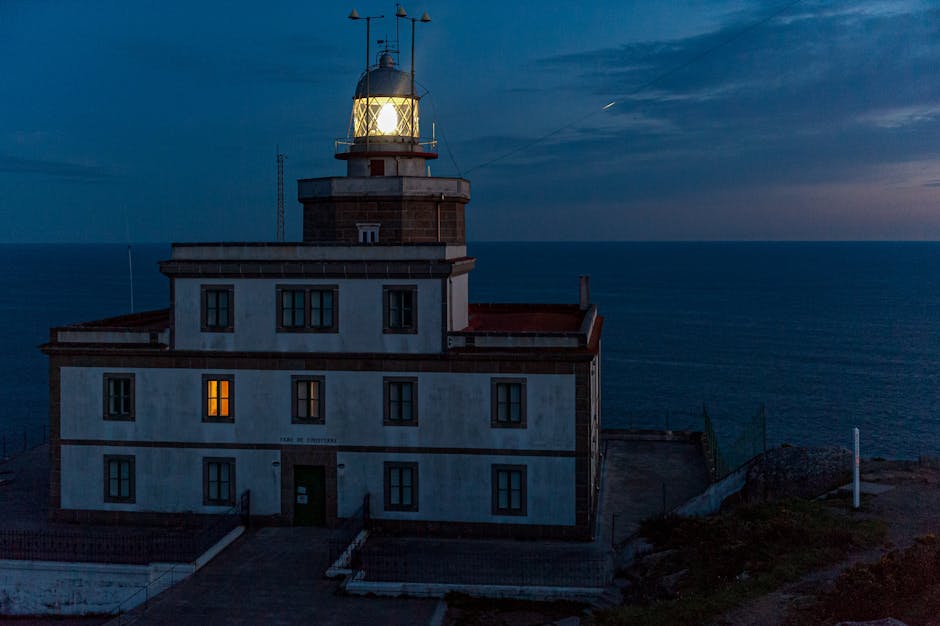
Why go: Finisterre — Fisterra in Galician — has been symbolically called “the end of the world” since antiquity. Pilgrims who extend the Camino to the sea come here to watch the sunset over the Atlantic. The lighthouse and surrounding cliffs offer a dramatic, wild panorama.
What to see: Faro de Fisterra (Fisterra Lighthouse). Exact address: O Baixo do Peito, 15155 Fisterra. Access to the headland is free; visiting the tower is not always available (check at the local welcome point). Hours: headland open 24/7; visitor center (if open) follows seasonal hours (usually 10:00–18:00 in summer). Also worth visiting: Langosteira Beach, free access.
Where to eat: Restaurante O Centolo, Rúa Real, 7, 15155 Fisterra. Menus €12–30 depending on dish. Hours: 12:30–16:00 and 20:00–23:00. Specialty: seafood and pulpo a la gallega (Galician-style octopus).
How to get there from Santiago: By car: ~1h15 via AC-552/DP-2203. Bus: Monbus runs direct Santiago–Fisterra routes (around 2h). Parking: large lot near the lighthouse but be prepared for wind and summer crowds (free or small fees depending on location).
Local tip: For a powerful experience, arrive for sunset but bring warm, windproof layers — the Atlantic can be chilly even in summer. If you’re a pilgrim, consider the tradition of symbolically burning a garment or spending a reflective moment facing the sea.
4. Muxía — A rugged, devotional cape
Address: Santuario da Virxe da Barca, Praza da Barca, s/n, 15124 Muxía, A Coruña, Spain.
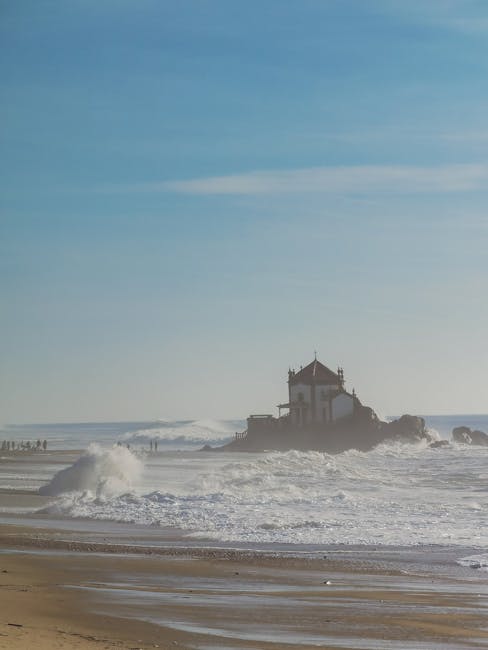
Why go: Muxía, on the Costa da Morte, is rich in maritime traditions and devotion. The Santuario da Virxe da Barca sits right at the sea and the wave-sculpted rocks around the lighthouse create a dramatic coastal scene.
What to see: Santuario da Virxe da Barca (Praza da Barca, s/n). Entry to the sanctuary is free; some exhibition spaces may request a small contribution (around €2–4). Hours: typically 9:00–20:00 in season, variable off-season. Nearby highlights: the A Ferida rock formation and the Muxía lighthouse at Cape Touriñán (Capo Touriñán), about 15–20 minutes by car.
Where to eat: O Barquero, Rúa Monte, 3, 15124 Muxía. Seafood dishes €12–25. Hours: 12:30–16:00 and 20:00–23:00. Try zamburiña (small scallops) if available.
How to get there from Santiago: By car: ~1h15–1h30 via AC-550 and DP-4601. Bus: seasonal Monbus/Arriva lines from Santiago, allow about 2h. Parking: lots near the sanctuary (often free outside summer, €2–5 in peak season).
Local tip: Walk out to the cape and just listen — the waves and seabirds create an intense, wild atmosphere. If driving, follow signs to « Santuario da Virxe da Barca » for the most convenient parking.
5. Betanzos — A medieval town with flower-filled squares
Address: Praza do Concello, 1, 15300 Betanzos, A Coruña, Spain.
Why go: Often overlooked, Betanzos has a compact, well-preserved historic center with lively squares, medieval gates and its famous local bread, pan de Betanzos. It’s also a great place to try the Galician tortilla, which has a strong reputation here.
What to see: Church of Santa María do Azogue (Praza de Santa María, s/n, 15300 Betanzos). Free entry; guided tours are sometimes available through the tourist office. Tourist office: Oficina de Turismo de Betanzos, Rúa da Conga, 1, 15300 Betanzos. Hours: 10:00–14:00 / 16:00–19:00 (extended hours May–September).
Where to eat: Casa Herminia, Praza Irmáns García Naveira, 3, 15300 Betanzos. Set menu €9–14, local dishes €10–20. Hours: 13:00–16:00 and 20:00–23:00. Don’t miss the small pastries in the town bakeries.
How to get there from Santiago: By car: about 25–35 minutes via AP-9/AG-64. Train: regional Rías Altas line from Santiago station to Betanzos (around 40–50 minutes depending on connections). Parking: public lots around the historic center (€1–3/day).
Local tip: Visit the Plaza de los Hermanos García Naveira, and if you can, time your visit for a Saturday morning market to see traditional local commerce in full swing.
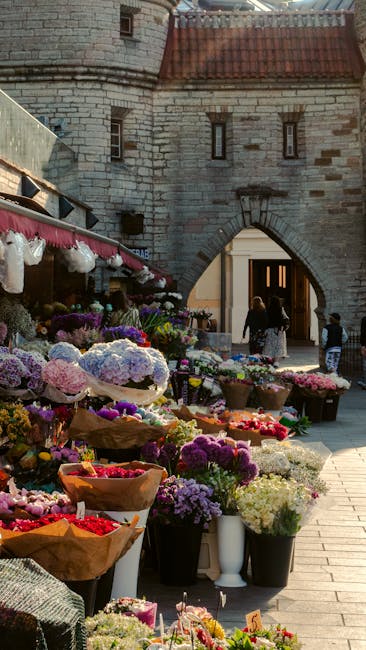
6. Noia — Harbor town with Gothic heritage
Address: Praza do Tapal, s/n, 15500 Noia, A Coruña, Spain.
Why go: Noia has a compact historic center dominated by Gothic and Romanesque architecture, with a peaceful port on the Ría de Noia. It’s a relaxed spot for a stroll, featuring several historic churches and good access to coastal paths.
What to see: Church of Santa María a Nova (Praza da Constitución, s/n, 15500 Noia). Entry: usually free, donations welcome. Hours: 9:00–13:00 / 17:00–20:00, variable. Local museum: Museo do Mar de Noia (Rúa Cidade de Noia, 3) — entry €3–5, hours 10:00–14:00 / 16:00–19:00 in season.
Where to eat: O Furancho da Rúa, Rúa do Campo, 5, 15500 Noia. Dishes €10–20, hours 12:30–15:30 and 20:00–23:00. Recommendation: ask for local ria specialties, particularly clams and mussels.
How to get there from Santiago: By car: ~35–45 minutes via AC-550. Bus: regular services from Santiago bus station (about 1h). Parking: lots on the edge of the historic center, often free on Sundays.
Local tip: Take a short walk along the ria to the Noia lighthouse to see fishing life and working boats. Check the Museo do Mar hours if you plan to visit.
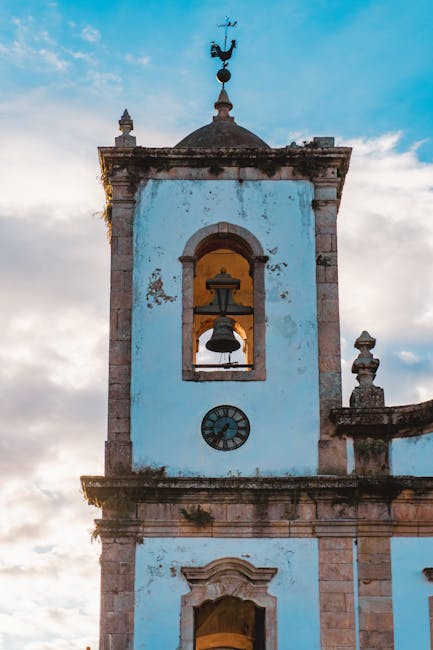
7. Ponte Maceira — Medieval bridge and rural calm
Address: Ponte Medieval, 15845 Ponte Maceira, A Coruña, Spain.
Why go: This tiny hamlet is famous for its medieval stone bridge over the Tambre River. The landscape of bridge, church and surrounding countryside makes for a perfect restful stop amid gentle, green farmland, just 20–25 minutes from Santiago.
What to see: The medieval bridge of Ponte Maceira (on the CV-550), freely accessible. Parish church of San Paio (address: Rúa da Igrexa, s/n, 15845 Ponte Maceira). Hours: the church is often open during services; the bridge area is accessible 24/7.
Where to eat: Casa de Chá O Castelo, Rúa da Ponte, s/n, 15845 Ponte Maceira. Tea and tapas €5–15. Hours: 10:00–18:00, closed some evenings in low season. Local produce is simple and tasty — cheese, cured meats and homemade preserves.
How to get there from Santiago: By car: 20–25 minutes via AC-543/CV-550. Bus: a few local lines serve nearby villages, but a vehicle is recommended. Parking: small free lot near the bridge.
Local tip: This is a perfect spot for a relaxed break with family: shallow river water and grassy banks invite a picnic. Avoid peak tourist lunch hours (midday–2pm in summer).
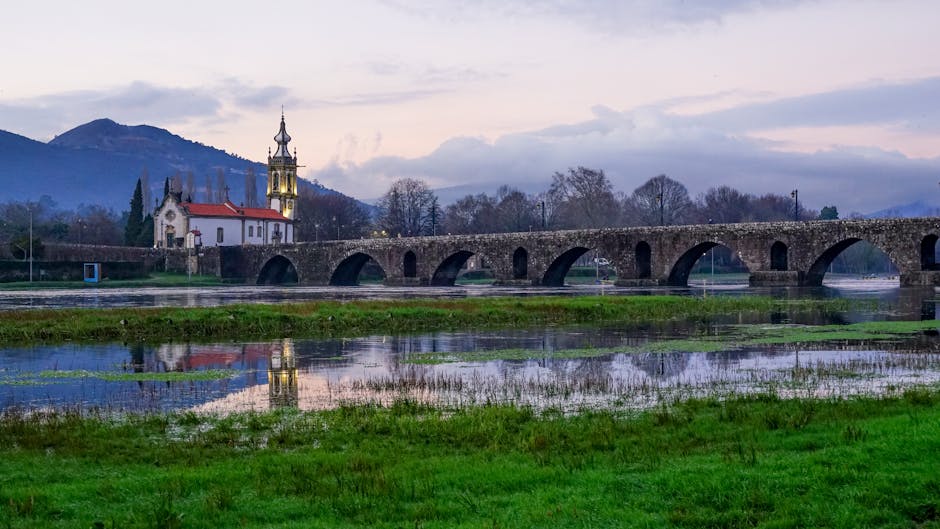
8. O Cebreiro — Mountain village and a pilgrim stop
Address: Alto do Cebreiro, 27690 O Cebreiro, Lugo, Spain.
Why go: O Cebreiro is an iconic stop on the Camino Primitivo, perched in the eastern Galician mountains. It’s famous for its pallozas (pre-Roman thatched houses) and sweeping mountain views. It’s a great day-trip from Santiago for those who love history and highland scenery.
What to see: Palloza Museum (Museo Etnográfico de O Cebreiro, Alto do Cebreiro, s/n). Entry: about €3–5. Hours: 10:00–14:00 / 16:00–19:00 in summer; reduced hours off-season. Church of Santa María la Real (Praza de Santa María, s/n) with relics and a strong pilgrim atmosphere.
Where to eat: Casa do Curro, Rúa Real, 1, 27690 O Cebreiro. Traditional dishes €10–20, hours 12:00–16:00 and 19:00–22:00. Specialty: hot soups and mountain fare (cocido, braised meats).
How to get there from Santiago: By car: about 1h20–1h40 via A-6 and N-120 (depending on conditions). Bus: regional lines from Lugo or Ponferrada; from Santiago you’ll need transfers (allow ~2h). Parking: parking areas around the village (often charged in summer, ~€2–5).
Local tip: Bring a warm layer even in summer — the altitude can change temperatures fast. Don’t miss the morning light for a view that really makes the pallozas pop.
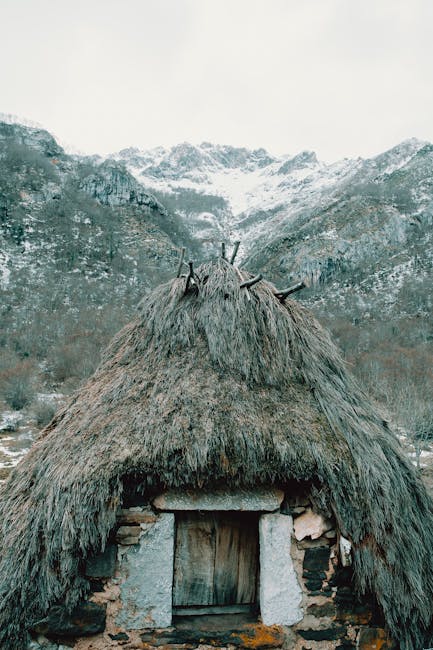
9. Cambados — Capital of albariño
Address: Praza de Fefiñáns, s/n, 36630 Cambados, Pontevedra, Spain.
Why go: Cambados is at the heart of the Rías Baixas wine region, famous for its albariño white wines. The village blends historical heritage (manor houses, churches) with a lively wine culture and bodegas open for tastings.
What to see: Pazo de Fefiñáns (Praza de Fefiñáns, s/n). Entry to the pazo: guided tours sometimes available (entrance €3–8 depending on the tour). Bodega Martín Códax (Avenida de Mugartegui, s/n, 36630 Cambados): paid tastings (standard tasting €6–12). Hours: bodegas generally 10:00–14:00 / 16:00–19:00 (by appointment off-season).
Where to eat: Restaurante Eirado da Leña, Rúa Muxía, 36, 36630 Cambados. Menus €20–40, focused on seafood and albariño pairings. Hours: 13:00–16:00 and 20:00–23:00 (reservation recommended).
How to get there from Santiago: By car: ~45–55 minutes via AP-9. Train: regional line to Pontevedra then a connecting bus or taxi (duration varies). Parking: public lots around the historic center (€1–3/day).
Local tip: For a successful wine visit, book a tasting in a bodega in advance and combine it with a stroll on Plaza de Fefiñáns to admire the architecture of the pazos.

10. Ribadeo — Gateway to the Cantabrian coast and As Catedrais
Address: Parque de Islas, 27800 Ribadeo, Lugo, Spain. (Town center).
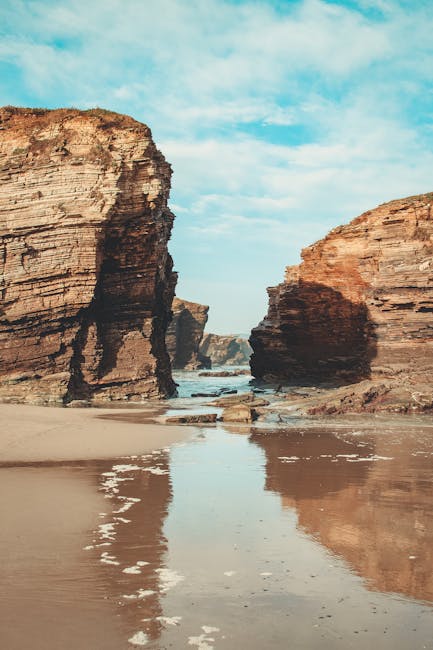
Why go: Ribadeo is the gateway to Playa de las Catedrales (As Catedrais), the famous beach of sea-sculpted arches. The town combines a pleasant harbor and a culinary tradition focused on seafood, making it a full day out between village charm and dramatic coastal scenery.
What to see: Playa de las Catedrales (As Catedrais). Access address: Praia de Augas Santas, 27740 Ribadeo. Access is free but regulated: in high season, reservations are recommended for low-tide visits (free but managed by the municipality). Hours: beach access depends on tide times; Ribadeo tourist information (Praza do Concello, 1) provides schedules and slots.
Where to eat: A Casa da Estrela, Rúa da Mar, 12, 27800 Ribadeo. Daily dish €10–18, fish specialties €15–30. Hours: 12:30–16:00 and 20:00–23:00. Try percebes (gooseneck barnacles) if your budget allows — expensive but iconic.
How to get there from Santiago: By car: about 1h45–2h15 via AP-9 and N-634. Bus: intercity services from Santiago (time varies, often with transfers). Parking: municipal lots near the port and beach access points (paid in summer, €3–6).
Local tip: Check tide times before planning a visit to Playa de las Catedrales — the arches are only explorable at low tide and access control prevents overcrowding. If you arrive without a reservation in high season, have a backup plan (walk around Ribadeo or visit northern coast viewpoints).
Conclusion — Practical tips and recommended routes
These ten villages provide an excellent cross-section of Galician diversity reachable in a day from Santiago de Compostela. Practical summary: favor driving if you want flexibility and to save time, especially for places like Finisterre, Muxía or O Cebreiro. Buses and trains serve many of these destinations, but connections can lengthen travel time. Always double-check tourist office and museum hours: out of season many sites close in the afternoon or reduce opening days.
Estimated budget for a typical day (per person): fuel or bus ticket (€5–25 depending on distance and transport), meal (€10–30), small museum entries or tastings (€3–12), possible parking (€2–6). In high season, consider booking restaurants and wine tastings (bodegas) the day before if possible. For special gastronomic treats (percebes, big seafood platters), plan for a higher spend.
Recommended gear: comfortable, non-slip shoes (cobbled streets, coastal paths), a windproof jacket, reusable water bottle, offline map or guide app for Galicia, and a combination of card and cash (small shops or parking may accept only one or the other). Respect the environment: the Galician coast is fragile, and certain trails or beaches like As Catedrais require responsible behavior (don’t climb fragile arches, don’t leave trash).
Final local tips: start early to enjoy the villages before tour groups arrive and to get the best light for photos; ask locals for restaurant recommendations — residents’ tips are often the best; and if you’re a pilgrim, use these day trips as moments of rest and reflection between stages on your way to Santiago.
Whether you’re after sea views, albariño tastings, or a hidden medieval bridge, these ten villages within a day trip of Santiago promise authentic experiences and memorable scenery. Safe travels — and may each outing lead to an unexpected encounter with the real Galicia.