





Introduction — Why these 10 museums define Santiago de Compostela’s cultural richness
Santiago de Compostela is far more than a major spiritual stop on the Camino: it’s a regional capital where history, art, tradition and innovation meet on every cobbled corner. The city boasts an impressive and varied museum scene, from archaeological and ethnographic collections to contemporary art spaces and institutions dedicated to pilgrimage and the cathedral’s religious treasure. Visiting Santiago’s museums is the best way to grasp Galicia’s cultural depth, the daily life of its people across centuries, and the central role pilgrimage played in shaping medieval Europe.
This guide presents ten unmissable museums in the city, selected for their museographic quality, the richness of their collections and their ability to offer visitors a full — historical, artistic and sensory — immersion into Galician and Jacobite heritage. For each venue you’ll find the full name, exact address, prices in euros, opening hours, a detailed description of the collections and exhibitions, plus practical local tips (best times to visit, access, combined tickets, audio guides, etc.). The aim is to give you a hands-on guide to optimize your visits on the ground.
A successful cultural visit combines practical information with context, so we’ve included details on building architecture, must-see highlights, themed routes and recommendations to extend the experience (museum cafés, specialist bookshops, nearby walks). Whether you’re a pilgrim, contemporary art fan, history student or a curious traveler passing through, these ten museums will help you read the city, decode its historical layers and appreciate Galicia’s uniqueness. Because of high tourist numbers, some sites offer pre-bookable time slots and reduced fares for youth, seniors and regional residents: we note these when available.
The selection covers a wide range of museums: the Cathedral Museum and its Treasure, the Museum of Pilgrimages, the Museum of the Galician People for ethnography, the Galician Centre for Contemporary Art for modern works, as well as house-museums and small specialist centres that tell local stories with sensitive museography. Each visit can fit into a half-day or a full day depending on your interests. Read opening hours and prices carefully — some museums close on Mondays or have reduced hours off-season — and check online before you go.
1. Museo Catedralicio (Cathedral Museum of Santiago)
Address : Praza do Obradoiro, s/n, 15705 Santiago de Compostela, Spain.
Price : General admission €6.00; reduced (students, seniors) €3.00; combined Cathedral + Museum + Terraces about €12.00 (varies by season).
Opening hours : Daily 10:00–19:00 (high season), reduced hours in low season; religious services may restrict access to some areas. Timed tickets recommended.
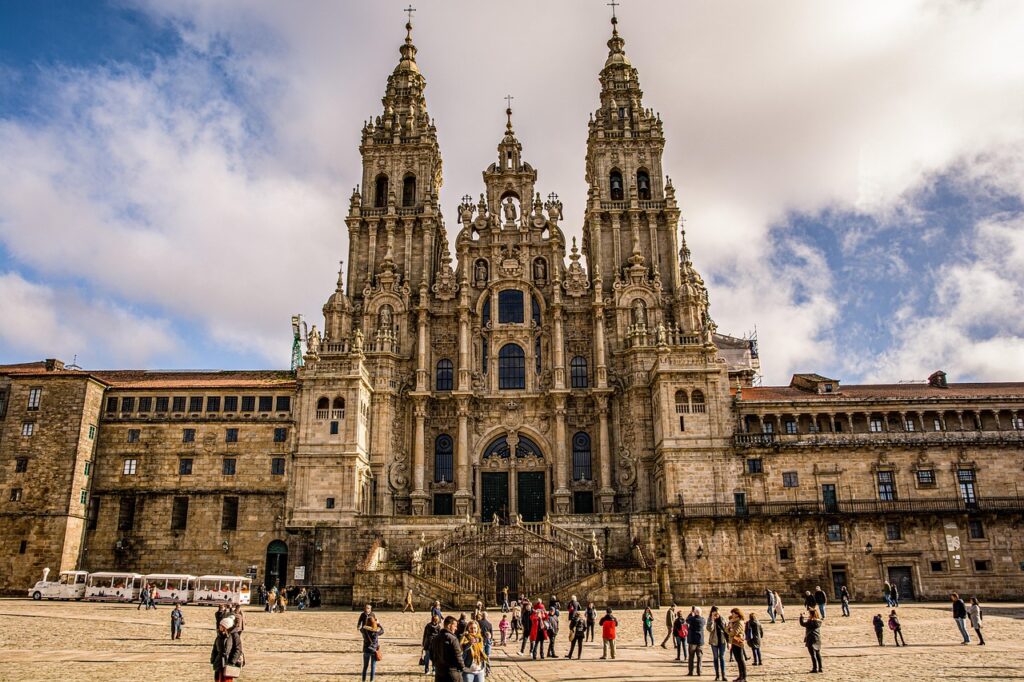
The Museo Catedralicio is essential for understanding the religious and artistic significance of the shrine of Saint James. Housed in rooms adjacent to the cathedral, the museum preserves liturgical textiles, reliquaries, illuminated manuscripts, sculptures and liturgical objects accumulated since the early Middle Ages. The exhibition traces the cathedral’s architecture, pilgrimage rites and the social role of the cathedral chapter.
Don’t miss: the medieval reliquary chest, gold and silver chalices and monstrances, tapestries, and the interactive presentation that reconstructs pilgrims’ arrivals in the Middle Ages. The museum offers access to the cathedral terraces (for an extra fee) with panoramic views over the old town.
Local tips: Book an early morning slot to avoid the afternoon crowds. If you plan to attend a Botafumeiro mass (on special dates), check how that may affect visits. Buy the combined ticket if you intend to access the terraces or restricted areas.
2. Museo das Peregrinacións e de Santiago (Museum of Pilgrimages and Santiago)
Address : Rúa do Vilar, 63, 15705 Santiago de Compostela, Spain.
Price : General admission €4.00; free for under 18s; discounts for groups and seniors. Combined tickets sometimes available with the Museo Catedralicio.
Opening hours : Tuesday–Sunday 10:00–18:00; closed Monday (except public holidays). Extended hours in summer.
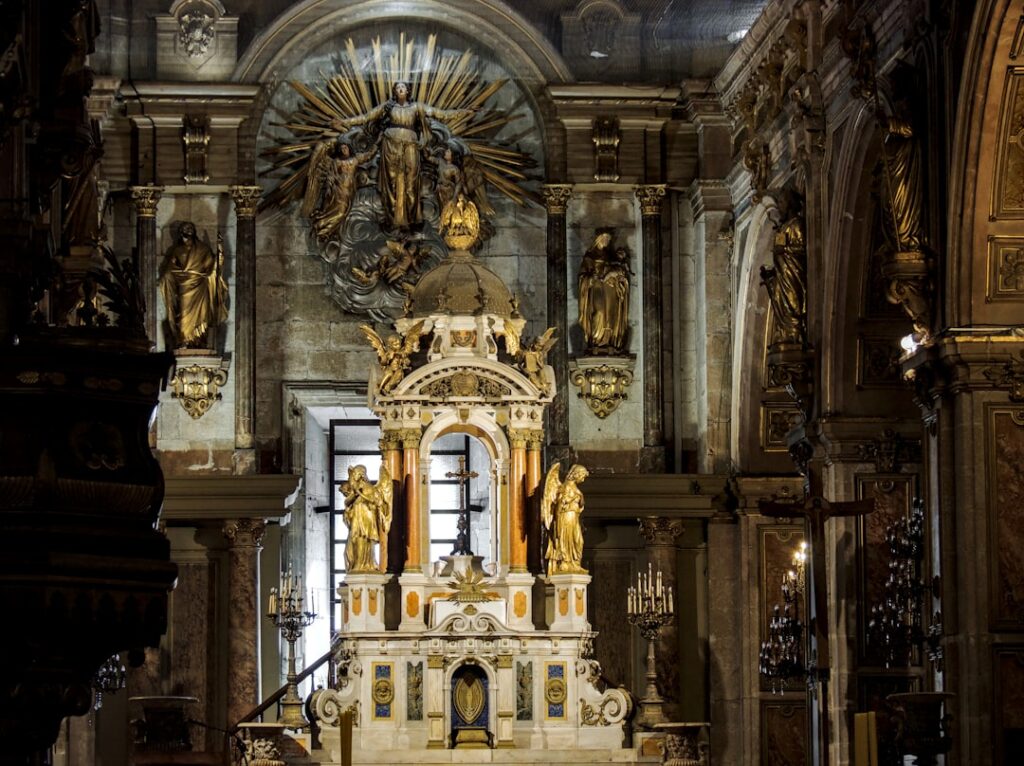
This museum offers a thematic look at the pilgrimage phenomenon: maps, historic routes, devotional objects, pilgrims’ journals and audiovisual documents. The permanent exhibition tells the story of the Jacobean routes, the changing profile of pilgrims over centuries and contemporary transformations of the Camino.
The space is designed to be accessible and interactive, with reconstructions of pilgrim shelters, audio trails (in multiple languages) and an archives library. Temporary shows regularly explore contemporary topics like hiking culture, modern spirituality or tourism’s impact.
Local tips: Climb the adjacent viewpoint (Bonaval Park) after your visit for views over the city and the Museo do Pobo Galego. Entries are often free on the first Sunday of the month — check the official calendar.
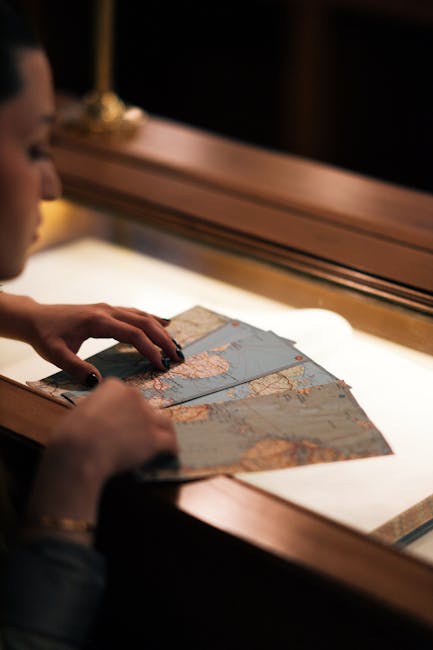
3. Museo do Pobo Galego (Museum of the Galician People)
Address : Rúa Doutor Teixeiro, s/n, Bonaval, 15705 Santiago de Compostela, Spain.
Price : General admission €5.00; reduced for students and seniors €3.00; free for under 12s. Some temporary exhibitions may carry a supplemental fee.
Opening hours : Tuesday–Sunday 10:00–19:00; closed Monday. Park and gardens accessible outside museum hours.
Housed in the Monastery of Bonaval, the Museo do Pobo Galego is Galicia’s main ethnographic institution. The collections include rural life objects (agricultural tools, traditional clothing, model boats), reconstructions of peasant interiors, regional musical instruments (gaitas), and extensive documentation on popular festivals and folk arts.
The permanent exhibition follows themed paths: vernacular architecture, craftsmanship, oral memory and festive customs. The building itself, with its cloister and gardens, is part of the experience — a lovely place to feel Galicia’s rural atmosphere right in the heart of the city.
Local tips: Visit the museum shop for books and local crafts. Enjoy the city panorama from Bonaval Park at sunset. Opt for a guided tour to access rarely displayed archive sections.
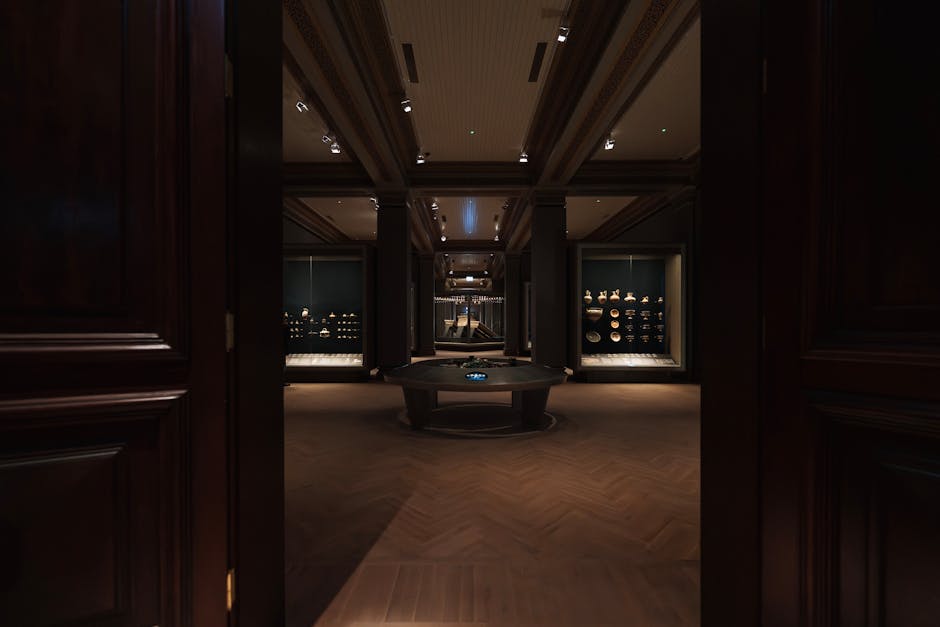
4. Centro Galego de Arte Contemporánea (CGAC)
Address : Rúa Ramón y Cajal, s/n, Parque de Bonaval, 15705 Santiago de Compostela, Spain.
Price : General admission €4.50; reduced €2.50; free for under 12s and members. Temporary exhibitions sometimes charged separately.
Opening hours : Tuesday–Sunday 11:00–19:00; closed Monday. Ticket office closes 30 minutes before the museum.
The CGAC is Galicia’s main contemporary art space. Designed by noted architects, it hosts temporary exhibitions by local, national and international artists, as well as a permanent collection reflecting current trends in painting, sculpture, video and installation.
It’s a dynamic museum: performances, talks and film series are frequent. Large rooms and contemporary scenography let you experience works in an intellectually stimulating setting.
Local tips: Check the online calendar for openings — entry is often free on vernissage nights. The museum café has a pleasant terrace overlooking the park.
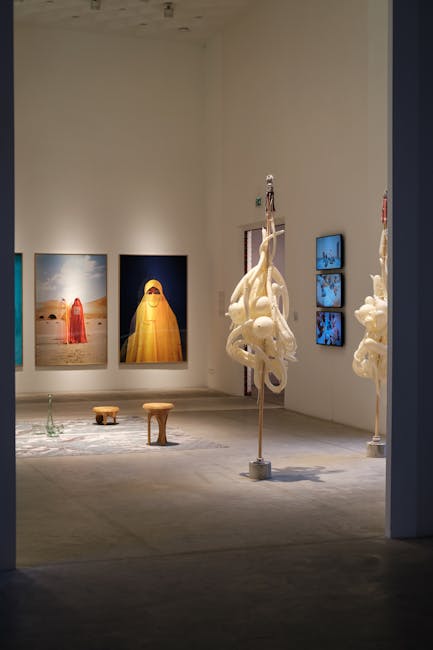
5. Casa-Museo de Rosalía de Castro (Rosalía de Castro House-Museum)
Address : Rúa da Conga, 5, 15703 Santiago de Compostela, Spain.
Price : General admission €3.00; reduced €1.50; free for children under 6; sometimes included in literary circuits.
Opening hours : Tuesday–Sunday 10:00–14:00 and 16:00–19:00; closed Monday.
The Casa-Museo pays tribute to Rosalía de Castro, an emblematic figure of Galician literature. Set in a historic house, the visit reconstructs the poet’s intimate world through manuscripts, portraits, first editions and period furniture. The rooms are small but rich in literary material.
The visit helps you understand the Romantic movement in Galicia and the cultural revival Rosalía embodied. Readings and small concerts are regularly held here.
Local tips: Combine the visit with a stroll through the historic quarter’s literary lanes. Check for public reading times and translations into French/English if needed.
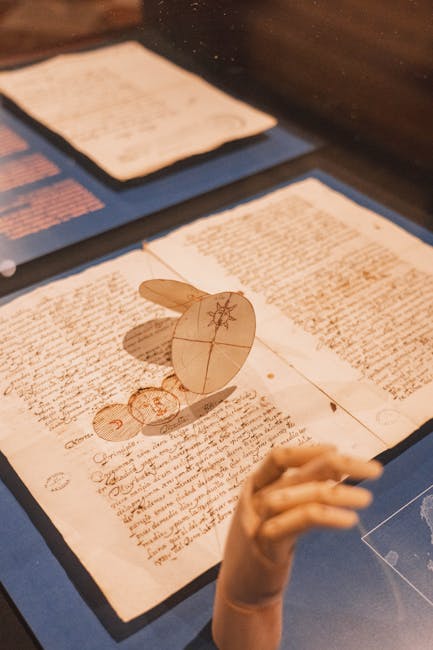
6. Museo do Seminario (Museo do Seminario Conciliar)
Address : Rúa do Franco, 35, 15705 Santiago de Compostela, Spain.
Price : General admission €4.00; reduced €2.00; free for children and certain professional categories.
Opening hours : Wednesday–Sunday 10:00–14:00 and 16:00–19:00; closed Monday and Tuesday.
The Museo do Seminario showcases a collection of religious paintings, sculptures, liturgical ornaments and ecclesiastical objects gathered by the seminary over the centuries. The main interest lies in the quality of the Baroque paintings and the presentation of historical liturgical practices.
Highlights include works from the Spanish school and ex-votos. The seminary’s interior atmosphere and architecture enhance the contemplative nature of the collections.
Local tips: This museum is often quieter than the cathedral — ideal for a peaceful visit. Check access to the upper rooms, which are sometimes closed for conservation.
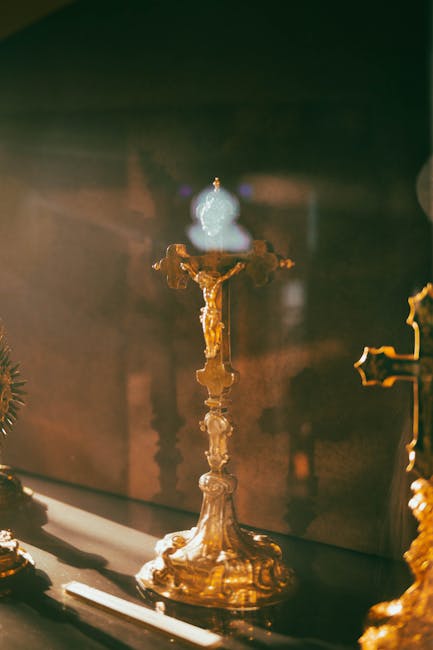
7. Centro de Interpretación do Casco Histórico (Interpretation Centre of the Old Town)
Address : Rúa do Franco, 15, 15705 Santiago de Compostela, Spain.
Price : General admission €3.00; free for under 12s and local residents on certain days.
Opening hours : Tuesday–Sunday 10:00–18:00; closed Monday.
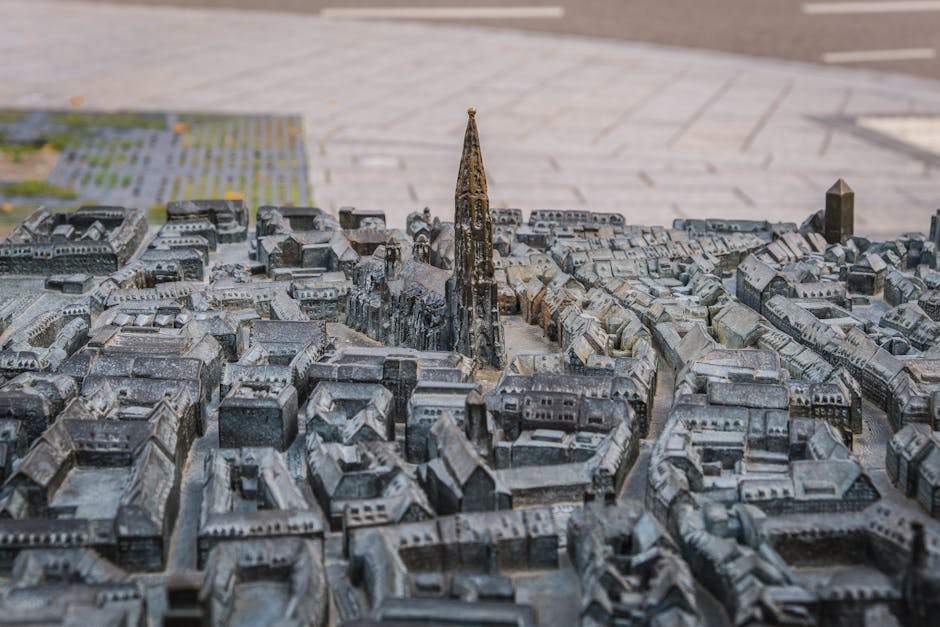
This small interpretation centre is an excellent introduction for visitors wanting to understand the topography, urban evolution and social fabric of the old town. Models, explanatory panels and videos place monuments in their historical and urban context.
The focus is on civil architecture, medieval organizational systems and modern transformations. It’s a handy starting point to prepare a self-guided walking tour of the historic centre.
Local tips: Pick up the detailed map and follow the recommended route for an independent visit. Staff often share tips on the best photo viewpoints and less busy visiting hours.
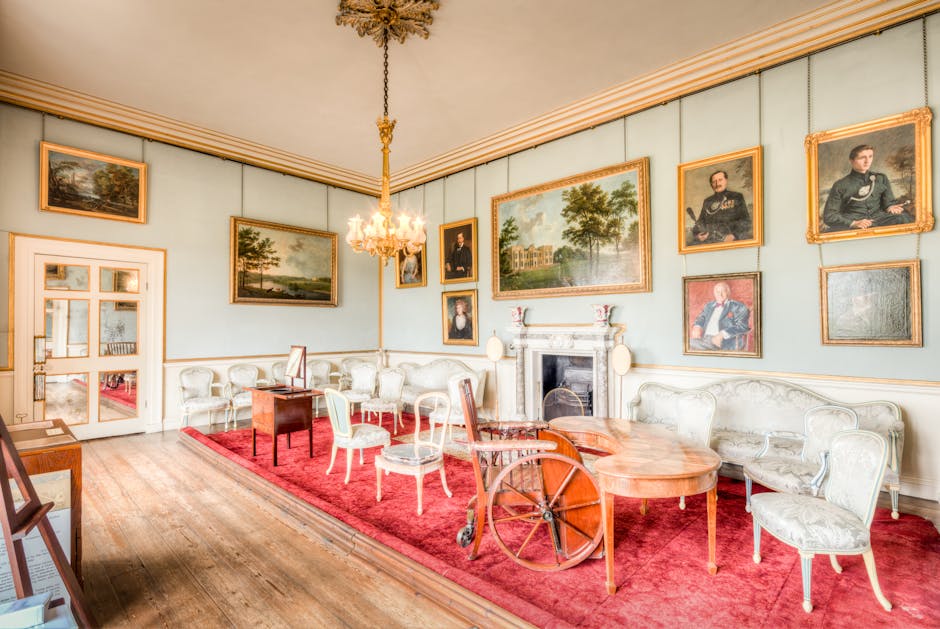
8. Museo de Belas Artes (Museum of Fine Arts of Coruña branch in Santiago)
Address : Praza da Universidade, s/n, 15705 Santiago de Compostela, Spain.
Price : General admission €5.00; reduced €2.50; free for young people and certain categories. Some temporary exhibitions may have separate charges.
Opening hours : Tuesday–Sunday 10:00–18:00; closed Monday. Winter closing times may vary.
This institution presents a collection of painting and sculpture spanning the Gothic period to the 20th century, with an emphasis on Galician art. Religious panels, historical portraits and modern works sit side by side to offer a chronological reading of art in Galicia.
Highlights include religious paintings from local churches, works by Galician landscape painters and thematic temporary exhibitions on contemporary artists.
Local tips: Combine the visit with a break in Plaza de la Universidad to admire the university façades. Check exhibition catalogues to spot major works that may be on loan.
9. Casa-Museo Valle-Inclán (Valle-Inclán House-Museum)
Address : Rúa das Ánimas, 15, 15702 Santiago de Compostela, Spain.
Price : General admission €3.50; reduced €2.00. Themed guided tours are offered by reservation (prices vary).
Opening hours : Tuesday–Sunday 10:00–14:00 and 16:00–19:00; closed Monday.
The house-museum dedicated to Ramón María del Valle-Inclán, a major figure in Spanish and Galician literature, recreates the cultural atmosphere of the late 19th and early 20th centuries. Manuscripts, personal items and old editions are displayed in period rooms.
Literature lovers will find a rich iconography, correspondence and documents on the author’s theatrical life. Educational activities and experimental dramaturgy are sometimes programmed.
Local tips: If you’re into theatre, time your visit to coincide with a reading or workshop — these events bring new perspectives on Valle-Inclán’s work.
10. Museo de Historia Natural (Natural History Museum of Galicia — branch in Santiago)
Address : Rúa do Hospital, 34, 15705 Santiago de Compostela, Spain.
Price : General admission €4.00; reduced €2.00; free for under 6s and certain Sundays. Rates for school groups available.
Opening hours : Tuesday–Sunday 10:00–18:00; closed Monday. Educational workshops on weekends.
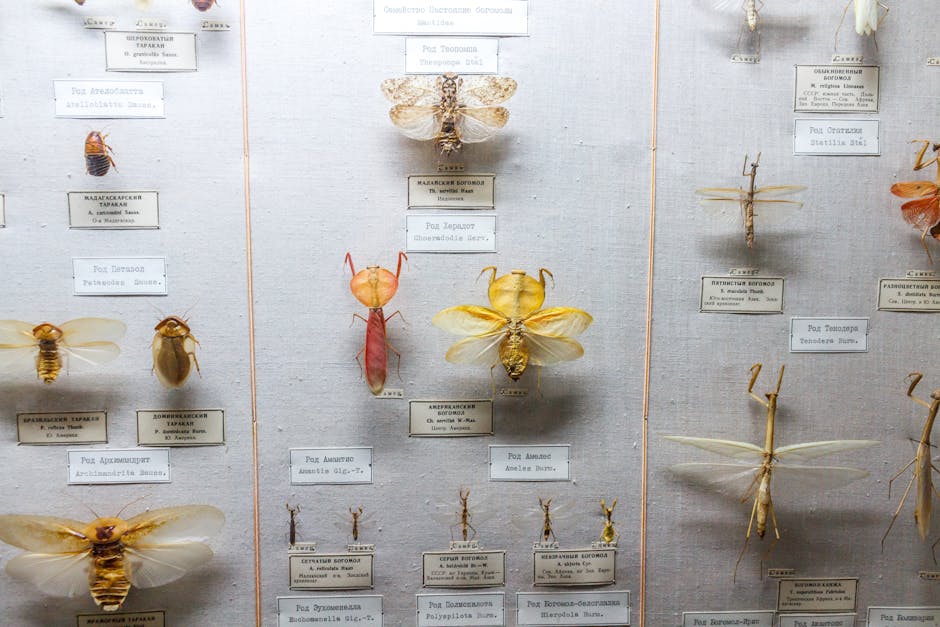
This branch of the natural history museum showcases collections on Galician biodiversity, geology, local species specimens and exhibitions on the region’s coastal and mountain ecosystems. Explanatory panels are often bilingual (Spanish/Galician) and interactive activities target families.
Displays include skeletons, minerals and taxidermy specimens, accompanied by temporary thematic exhibitions (oceans, Atlantic forests, climate change).
Local tips: Perfect for family trips. Ask about children’s workshops and documentary screenings in the auditorium.
Conclusion — How to make the most of Santiago de Compostela’s museum scene
Santiago de Compostela offers an unexpectedly rich museum offering for a city of its size: from the cathedral’s religious treasures to the Museo do Pobo Galego’s ethnographic memory, through the CGAC’s modernity and the intimate charm of literary house-museums. To plan your itinerary, start with your priorities (pilgrimage, contemporary art, ethnography or natural history) and the time you have. A weekend allows you to visit the three or four major institutions (Cathedral, Museo das Peregrinacións, CGAC, Museo do Pobo Galego), while a week gives you time to explore all the house-museums, attend events and see rotating exhibitions.
Practical recap: buy tickets online for the cathedral and temporary exhibitions in high season; favour morning or late-afternoon visits to avoid peak crowds; check each museum’s free-entry days; wear comfortable shoes — many sites are in the historic centre with uneven cobbles. If you’re on a tight budget, plan visits for free-access days or look for combined discounts (museum/cathedral/terraces).
Finally, leave time to wander outside the museums: catalogues, specialist bookshops and small temporary exhibitions (cafés, municipal rooms) often reveal unexpected finds. Santiago’s museums are not just conservation spaces: they tell the story of a living city, its ties to the sacred, the sea, the mountains and its communities. By combining museum visits with neighborhood strolls you’ll get a full reading of the Galician capital and its many faces — historical, popular and contemporary.